Alhilal Healthcare Alhilal Healthcare

Top Benefits of Real Time Patient Monitoring for Healthcare?

Time:2026-08-07 Author:Henry
0%

In today's fast-evolving healthcare landscape, understanding "what are the benefits of real-time patient monitoring" is crucial. This technology offers numerous advantages that can significantly enhance patient care. Real-time monitoring allows healthcare professionals to access continuous updates on patient health status. The immediacy of this data can lead to quicker interventions, ultimately saving lives.

The ability to detect changes in vital signs promptly removes guesswork. For example, monitoring heart rate, blood pressure, and oxygen levels in real-time ensures that critical changes are caught early. This not only improves patient outcomes but also increases the efficiency of healthcare providers. However, it is essential to acknowledge challenges, like data overload and the need for trained staff to interpret the information accurately.

Furthermore, real-time patient monitoring can reduce hospital admissions and lengths of stay. By managing chronic conditions at home, patients maintain their independence. However, reliance on technology may overlook the importance of human interaction in care. As we explore these benefits, questions remain. Can we balance technology with personal care? Are there any risks associated with over-dependence on monitoring devices? These reflections help us understand the implications of real-time patient monitoring in healthcare.
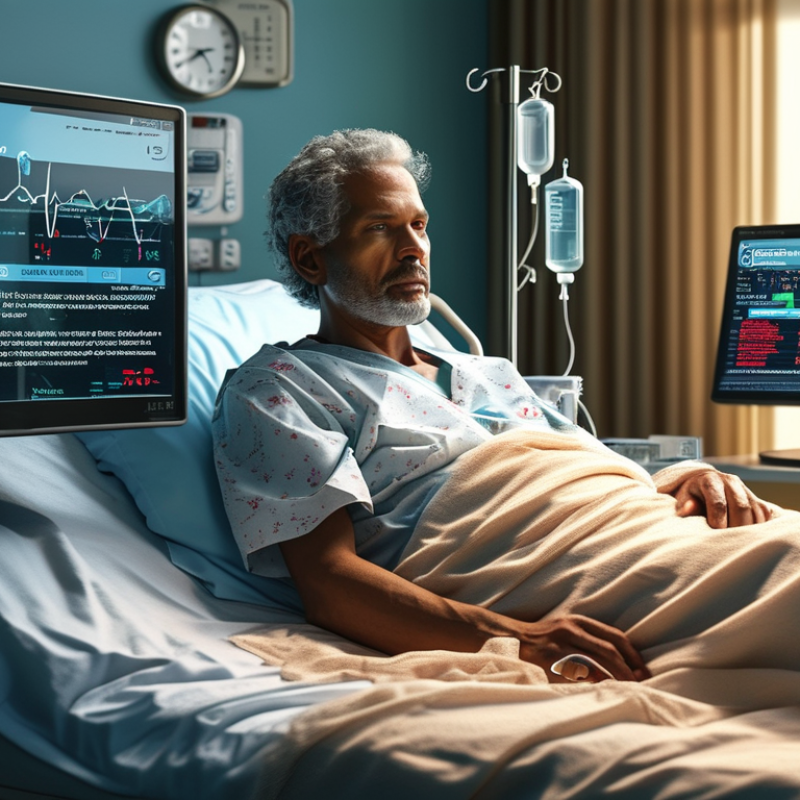
Top Benefits of Real Time Patient Monitoring for Healthcare?

Advantages of Real Time Patient Monitoring in Modern Healthcare

Real-time patient monitoring is revolutionizing healthcare delivery. This innovative approach offers numerous advantages that enhance patient care and outcomes. One key benefit is the early detection of health issues. Continuous monitoring allows healthcare providers to identify complications rapidly, enabling prompt intervention. This can be crucial in critical situations where every second counts.

Moreover, efficient data analysis from real-time monitoring systems aids clinical decision-making. Doctors can leverage this data to tailor treatment plans. By observing trends and fluctuations in vital signs, practitioners can optimize medication regimens and adjust therapies on-the-go. This responsiveness can lead to better recovery times and fewer hospital readmissions.

**Tips:** When considering real-time monitoring, ensure systems are user-friendly. Trained staff is essential for effective implementation. Regularly review data to improve safety protocols, while being mindful of privacy concerns. Balancing technology with human touch is crucial.

Enhancing Patient Safety through Continuous Health Data Tracking

In healthcare, patient safety is paramount. Real-time patient monitoring emerges as a vital tool in this regard. Continuous tracking of vital signs allows healthcare providers to detect anomalies swiftly. A sudden spike in heart rate? Instant alerts can save lives. This technology offers peace of mind for both patients and staff.

Yet, challenges exist. Dependence on technology can lead to overconfidence. Staff may overlook symptoms not flagged by machines. Additionally, data overload can occur. Health professionals must filter through an abundance of information. Filtering is crucial to identify what truly matters.

The relationship between technology and human intervention is complex. While real-time monitoring enhances safety, vigilance remains essential. Training is needed to understand how to interpret data. It is not merely about having devices; it's about knowing how to use them effectively. Continuous education for healthcare professionals can foster this ability. Trust, accuracy, and discernment must go hand in hand in this ever-evolving field.

Top Benefits of Real Time Patient Monitoring for Healthcare

This chart illustrates the advantages of real-time patient monitoring, highlighting key benefits such as timely intervention, enhanced patient safety, better resource management, and improved chronic disease management. These metrics showcase the impact of continuous health data tracking in healthcare.

Improving Healthcare Efficiency with Immediate Alerts and Notifications

Real-time patient monitoring systems have transformed healthcare delivery. Immediate alerts and notifications significantly enhance patient safety. When vital signs deviate from the norm, healthcare providers receive instant updates. This rapid response time can be the difference between life and death.


For instance, a sudden drop in a patient's heart rate detected by a monitoring device triggers an alert. Nurses can swiftly intervene, often preventing complications. This immediacy allows for better management of chronic conditions as well. Continuous monitoring helps in adjusting treatments promptly based on real-time data.


However, challenges exist. Technical failures or false alarms can cause unnecessary stress. It's crucial for healthcare staff to remain vigilant and interpret alerts wisely. Balancing trust in technology with human judgment is essential. Reflecting on these aspects can lead to improved protocols and training for staff, ensuring the best outcomes for patients.

Empowering Patients with Real Time Health Insights and Participation

Real-time patient monitoring is transforming healthcare. It empowers patients by providing immediate insights into their health. This shift gives individuals more control over their well-being. According to a study by the Healthcare Information and Management Systems Society (HIMSS), over 70% of patients feel more engaged when they receive real-time updates.

With continuous monitoring, patients can track vital signs, medication adherence, and symptoms. This data often leads to quicker interventions. A report by Grand View Research indicates that the global remote patient monitoring market is expected to reach $2.2 billion by 2025. This growth reflects the increasing demand for innovative health solutions.

However, the transition to real-time monitoring isn't without challenges. Some patients may feel overwhelmed by constant notifications. Data privacy remains a significant concern. Additionally, there’s a risk of over-reliance on technology. Effective communication between patients and healthcare providers is crucial. Balancing technology and human touch will determine the success of this approach.

Facilitating Remote Care and Telemedicine with Patient Monitoring Solutions

Real-time patient monitoring significantly enhances remote care and telemedicine. This technology allows healthcare providers to track vital signs and health metrics continuously. For instance, heart rates, blood pressure, and oxygen levels can be monitored without patients needing to visit clinics. This convenience ensures timely interventions and can prevent complications.

Telemedicine relies heavily on patient monitoring solutions. These tools facilitate virtual consultations, making it easier for doctors to assess patients. Remote care becomes more personalized and data-driven. Patients can share real-time health data, making interactions richer and more informative. It creates a collaborative environment between patients and healthcare professionals.

However, challenges persist. The accuracy of monitoring devices can vary. Some patients may struggle with technology, leading to data discrepancies. Ensuring reliable connections is essential for consistent monitoring. Despite these hurdles, the benefits of real-time monitoring in enhancing remote care experiences cannot be overlooked. This transformation in healthcare is paving the way for a more connected and efficient system.

FAQS

: What is a key benefit of real-time patient monitoring?

: It allows for early detection of health issues, enabling prompt intervention.

How does real-time monitoring aid clinical decision-making?

It provides data to help tailor treatment plans and optimize medication regimens.

What empowerment do patients gain from real-time monitoring?

Patients receive immediate insights into their health, giving them more control.

What percentage of patients feel more engaged with real-time updates?

Over 70% of patients report feeling more engaged with real-time updates.

What are some challenges of transitioning to real-time monitoring?

Patients may feel overwhelmed by notifications and have concerns about data privacy.

How does real-time monitoring impact telemedicine?

It facilitates virtual consultations and allows doctors to monitor patients without in-person visits.

What technology can patients track with real-time monitoring?

Patients can track vital signs, medication adherence, and symptoms.

What is a potential downside of real-time monitoring technology?

There is a risk of over-reliance on technology and data discrepancies.

Why is effective communication vital in real-time monitoring?

It helps balance technology with the human touch in patient care.

What is necessary for successful implementation of monitoring systems?

User-friendly systems and trained staff are essential for effective monitoring.

Conclusion

Real-time patient monitoring has become an essential component of modern healthcare, offering numerous advantages that significantly impact patient outcomes. One of the key benefits of real-time patient monitoring is the enhancement of patient safety, as continuous health data tracking allows for the immediate identification of potential health risks. This proactive approach not only fosters timely interventions but also improves overall healthcare efficiency through instant alerts and notifications, ensuring that medical professionals can respond quickly to changing patient conditions.

Furthermore, real-time patient monitoring empowers patients by providing them with immediate insights into their health data, encouraging active participation in their care. This empowerment is increasingly crucial as healthcare moves towards telemedicine and remote care solutions, allowing medical teams to monitor patients from afar while maintaining a personal connection. Overall, understanding what are the benefits of real-time patient monitoring reveals a transformative shift in healthcare that prioritizes safety, efficiency, and patient engagement.

Henry

Henry

Henry is a dedicated marketing professional with a profound expertise in the company's offerings. With years of experience in the industry, he possesses an impressive understanding of the market dynamics and consumer behaviors that drive success. Henry is committed to sharing his insights through......