 Alhilal Healthcare
Alhilal Healthcare
Alhilal Healthcare
Remote health monitoring is transforming patient care. This innovative approach allows real-time tracking of patients' health from anywhere. But how does remote health monitoring work? A 2021 report from Research and Markets states that the global remote health monitoring market is expected to reach $2.5 billion by 2027. This growth reflects the increasing demand for efficient healthcare solutions.
The functionality of remote health monitoring involves various technologies. Wearable devices collect vital data, such as heart rate and glucose levels. These devices transmit information to healthcare providers, enabling timely interventions. According to a study published in the Journal of Medical Internet Research, remote monitoring can reduce hospital admissions by 17%. However, challenges remain, including data security and patient engagement.
While remote health monitoring shows promise, its implementation isn't flawless. Some patients struggle with technology, while others may not fully trust remote interactions. Addressing these concerns is crucial for maximizing benefits. Engaging patients in their care journey is essential for success.
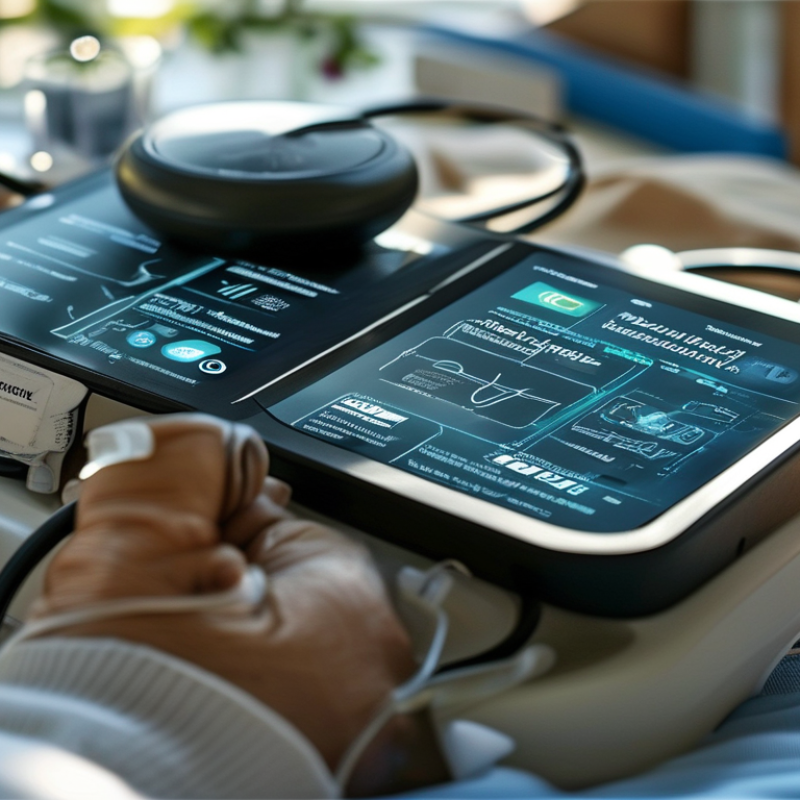
The rise of remote health monitoring is transforming modern healthcare. According to a report by the Global Market Insights, the remote patient monitoring market is expected to reach $2.36 billion by 2026. This growth reflects the increasing demand for efficient and effective healthcare solutions. Patients value the convenience of monitoring their health from home. They can track vital signs like heart rate and blood pressure in real time.
Wearable devices play a crucial role in this evolution. Research shows that 68% of patients are open to using wearables for health tracking. These devices provide immediate feedback. Often, they can alert both the patient and healthcare providers about potential health issues before they escalate. However, the reliance on technology poses challenges, such as data privacy concerns. Patients may hesitate to share sensitive information, leading to possible gaps in care.
Telehealth services complement remote monitoring. A study revealed that telehealth usage surged by 154% during the COVID-19 pandemic. This trend highlights the need for continuous health management, especially for chronic conditions. Yet, discrepancies in access to technology exist, posing risks for underserved populations. Addressing these inequalities requires focused strategies to ensure that every patient can benefit from remote health innovations.
| Feature | Description | Benefits |
|---|---|---|
| Real-Time Monitoring | Continuous data collection of vital signs. | Immediate alerts for abnormal readings. |
| Patient Engagement | Interactive platforms for patients to monitor their health. | Improved adherence to treatment plans. |
| Data Analytics | Analysis of collected health data for trends. | Informed decision-making for both patients and providers. |
| Remote Consultations | Video calls and messaging for virtual consultations. | Reduced need for in-person visits, saving time and travel. |
| Chronic Disease Management | Tailored programs for managing chronic conditions. | Better control of symptoms and improved quality of life. |
| Wearable Devices | Devices that track health metrics like heart rate and steps. | Empowers users to take charge of their health. |
| Medication Reminders | Automated reminders for medication intake. | Increased medication compliance among patients. |
| Integration with Health Records | Seamless sharing of monitored data with EHR systems. | Comprehensive patient overview for better care. |
| Cost-Effectiveness | Reduces hospital visits and associated costs. | Saves money for both patients and healthcare systems. |
| Personalized Health Insights | Custom health reports based on collected data. | Informed lifestyle choices leading to better health. |
: It transforms healthcare by allowing patients to monitor health from home, enhancing convenience and efficiency.
They provide real-time feedback, alerting patients and providers to potential health issues early on.
Patients may hesitate to share sensitive health data, possibly leading to gaps in their care.
Telehealth usage surged by 154%, highlighting the need for continuous health management.
Research indicates that 68% of patients are willing to use wearables for this purpose.
It can improve treatment adherence by 25%, making patients feel more empowered in managing their health.
Disparities in health outcomes may occur for underserved populations lacking access to remote monitoring.
Regular communication promotes accountability, potentially improving compliance rates by up to 30%.
Patients may feel overwhelmed and disengage if they receive too much information at once.
Providing resources to individuals who struggle with technology use remains essential for equitable care.
Remote health monitoring has emerged as a pivotal component of modern healthcare, providing innovative solutions for patient care and chronic disease management. By utilizing advanced technologies such as wearable devices and telehealth platforms, healthcare providers can efficiently track patient health metrics in real-time. A critical factor in understanding how does remote health monitoring work is its ability to enhance patient engagement and compliance, allowing individuals to take an active role in managing their health.
Furthermore, the integration of analytics and data insights plays a vital role in transforming outcomes by enabling personalized treatment plans and timely interventions. As we look ahead, future trends and innovations in remote health monitoring solutions promise to further revolutionize patient care, ensuring better health management and a more proactive approach to healthcare delivery. Overall, the rise of remote health monitoring signifies a shift towards more connected and responsive healthcare systems.
