Alhilal Healthcare Alhilal Healthcare

10 Best Ways to Control Dust and Bacteria in Medical Environments?

Time:2026-05-25 Author:Madeline
0%

In medical environments, controlling dust and bacteria is crucial for patient safety and infection prevention. A report by the World Health Organization indicates that approximately 15% of all hospital-acquired infections are linked to contaminated surfaces and airborne particles. Understanding how to control dust and bacteria in medical environments is vital for healthcare professionals.

Effective cleaning and proper ventilation play key roles in mitigating these risks. A study published in the American Journal of Infection Control highlights the importance of regular surface disinfection. Facilities that implemented stringent cleaning protocols saw a 30% reduction in infection rates. However, many hospitals struggle with consistent practices, leading to potential oversights.

Moreover, the complexity of air quality management often results in inconsistent outcomes. Not all facilities invest equally in advanced air filtration systems. This gap emphasizes the need for ongoing training and evaluation of cleaning practices. A commitment to understanding how to control dust and bacteria in medical environments is essential for maintaining high standards of care.
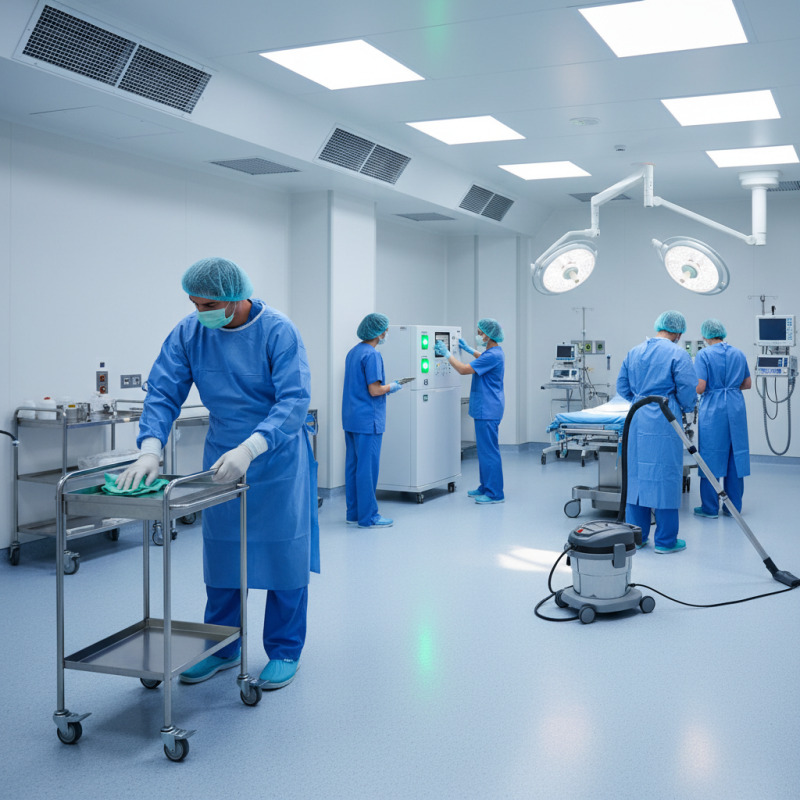
10 Best Ways to Control Dust and Bacteria in Medical Environments?

Effective Ventilation Systems for Reducing Dust and Germs

Effective ventilation systems play a crucial role in controlling dust and bacteria in medical environments. Hospitals and clinics require a robust approach to maintain air quality. Clean air is vital for patient safety and overall health. Proper ventilation can significantly reduce airborne pathogens and allergens.

High-efficiency particulate air (HEPA) filters are commonly used in these systems. They capture small particles, including dust and microorganisms. Regular maintenance is essential to ensure their effectiveness. If filters are not changed frequently, they lose their ability to trap contaminants. This oversight can lead to higher infection rates and compromise patient well-being.

Incorporating negative pressure rooms can also enhance infection control. These spaces help contain airborne pathogens, preventing their spread. However, this setup requires meticulous design and monitoring. There can be challenges in balancing this system with other areas. Each facility must assess its unique needs and constraints. Overall, creating an optimal environment is complex but critical for successful healthcare outcomes.

Regular Cleaning Protocols and Their Importance in Healthcare Settings

In healthcare settings, regular cleaning protocols are crucial for controlling dust and bacteria. According to the Centers for Disease Control and Prevention (CDC), effective cleaning can reduce hospital-acquired infections by up to 45%. Clean environments minimize pathogen spread, fostering a safer patient experience.

Dusty surfaces are often overlooked. They can harbor bacteria that contribute to respiratory problems and other health issues. Regular cleaning, especially of high-touch areas, significantly lowers this risk. A study published in the American Journal of Infection Control found that cleaning with appropriate disinfectants can cut bacterial counts by 99.9%.

Scheduling frequent cleanings is vital but can be inconsistent. Often, facilities struggle to maintain rigorous protocols due to staffing shortages and resource limitations. These challenges highlight the importance of ongoing staff training. Equipping teams with the right knowledge enhances their ability to uphold high standards of cleanliness, ultimately benefiting patient care. Consistency is key to ensuring that the fighting against dust and bacteria is effective and reliable.

10 Best Ways to Control Dust and Bacteria in Medical Environments

Method Description Frequency Effectiveness (%)
Regular Cleaning Daily cleaning of surfaces to reduce dust and bacteria accumulation. Daily 90%
HEPA Filters High-efficiency filters that trap airborne particles and bacteria. Quarterly 99%
UV-C Light Utilization of ultraviolet light to disinfect surfaces and air. Weekly 95%
Equipment Maintenance Regular checks and maintenance of medical equipment to prevent dust build-up. Monthly 85%
Linen Handling Proper handling and laundering of linens to minimize transfer of bacteria. Daily 92%
Personal Hygiene Strict personal hygiene protocols for medical staff to prevent bacterial spread. Ongoing 97%
Air Quality Control Monitoring and controlling air quality with sensors and purification systems. Continuous 98%
Pest Control Implementing pest control measures to prevent bacteria-laden pests. Monthly 90%
Education and Training Regular training for staff on hygiene practices and infection control. Biannual 96%

Use of HEPA Filters and Air Purifiers for Enhanced Air Quality

Maintaining air quality in medical environments is crucial. HEPA filters and air purifiers play essential roles in controlling dust and bacteria. HEPA filters can trap tiny particles, including allergens and pathogens. This technology guarantees cleaner air in hospitals and clinics.


Using air purifiers with HEPA filters enhances the overall air quality. These devices circulate air, removing impurities. Placing them strategically in waiting rooms or patient areas is important. Regular maintenance is necessary to ensure their effectiveness. Filters need changing frequently, and units should be cleaned regularly.


However, not all units perform equally. The effectiveness can vary based on room size and filter specifications. Some air purifiers may produce ozone, which can irritate lungs. It’s vital to choose products that don’t compromise health. Continuous monitoring of air quality is essential. This process helps identify areas for improvement. Balancing technology use with human oversight remains a challenge.

Implementing Hand Hygiene Practices to Limit Bacterial Spread

In medical environments, hand hygiene practices are crucial. Regular handwashing can greatly reduce bacterial spread. Staff must wash their hands before patient interactions. Use soap and water or hand sanitizer. This routine should be enforced at every shift change.

Creating a culture of hand hygiene is vital. Training staff and patients in proper techniques can increase compliance. Simple reminders can be effective. Posters near sinks can help keep hand hygiene at the forefront. Reassessing practices every few months is essential for improvement.

Despite these efforts, issues can arise. Some employees might overlook washing hands. Time constraints can lead to shortcuts. Addressing barriers to compliance is necessary. Constantly reviewing these challenges helps ensure a safer medical environment.

Impact of Hand Hygiene Practices on Bacterial Contamination in Medical Environments

Noise Reduction Strategies to Minimize Dust Disturbance in Clinics

In medical environments, maintaining a clean atmosphere is vital. Noise can disrupt both patient recovery and the cleaning process. When dust is disturbed by sound, it can spread throughout the clinic. This raises infection risks. Therefore, implementing noise reduction strategies is essential.

Using sound-absorbing materials in clinics can make a significant difference. These materials can reduce the echo and lower noise levels. Soft furnishings, carpets, and acoustic panels can all help. Additionally, strategic placement of equipment can minimize noise interference. For instance, placing quieter machines away from patient areas may be beneficial.

Regular maintenance of machinery is crucial. It ensures that equipment operates quietly and efficiently. There may be challenges in balancing noise control and the functionality of medical devices. Clinics might need to reflect on their current strategies. Continuous improvement should be a goal. By prioritizing noise reduction, clinics can better control dust and bacteria in their environments.

FAQS

: Why is air quality important in medical environments?

: Good air quality helps prevent infections and improves patient recovery.

How do HEPA filters work?

HEPA filters trap tiny particles, including allergens and pathogens, ensuring cleaner air.

What is the role of air purifiers?

Air purifiers enhance air quality by circulating air and removing impurities.

Where should air purifiers be placed?

They should be strategically positioned in waiting rooms and patient areas.

How often should HEPA filters be changed?

Filters need to be changed frequently for optimal performance.

Can air purifiers produce ozone?

Some purifiers may create ozone, which can irritate lungs. Choosing wisely is crucial.

What materials help reduce noise in clinics?

Sound-absorbing materials like carpets and acoustic panels can significantly lower noise levels.

How can clinics minimize dust disturbance from noise?

Strategic placement of quieter machines away from patients can reduce disruption.

Why is regular maintenance necessary for medical equipment?

Proper maintenance ensures equipment runs quietly and efficiently, reducing noise and dust spread.

What challenges might clinics face in noise reduction?

Balancing noise control with the functionality of medical devices can be difficult.

Conclusion

In medical environments, controlling dust and bacteria is crucial for maintaining patient safety and ensuring effective healthcare delivery. One effective method involves the implementation of advanced ventilation systems that significantly reduce airborne dust and germs. Regular cleaning protocols play a vital role in eliminating potential contaminants, emphasizing the need for comprehensive sanitation practices in healthcare settings.

Additionally, the use of HEPA filters and air purifiers can greatly enhance indoor air quality, trapping small particles and pathogens. Hand hygiene practices must also be strictly enforced to limit the spread of bacteria among staff and patients. Finally, incorporating noise reduction strategies can help minimize dust disturbance in clinics, further contributing to a cleaner, safer environment. By focusing on these strategies, healthcare facilities can effectively address the question of how to control dust and bacteria in medical environments.

Madeline

Madeline

Madeline is a dedicated marketing professional with a wealth of expertise in our company's core offerings. With a keen understanding of the industry, she brings a unique perspective to her role, consistently delivering high-quality content that highlights the superior aspects of our products. As......