Alhilal Healthcare Alhilal Healthcare

What Is Chronic Disease Monitoring and How Can Tools Help?

Time:2026-11-23 Author:Ethan
0%

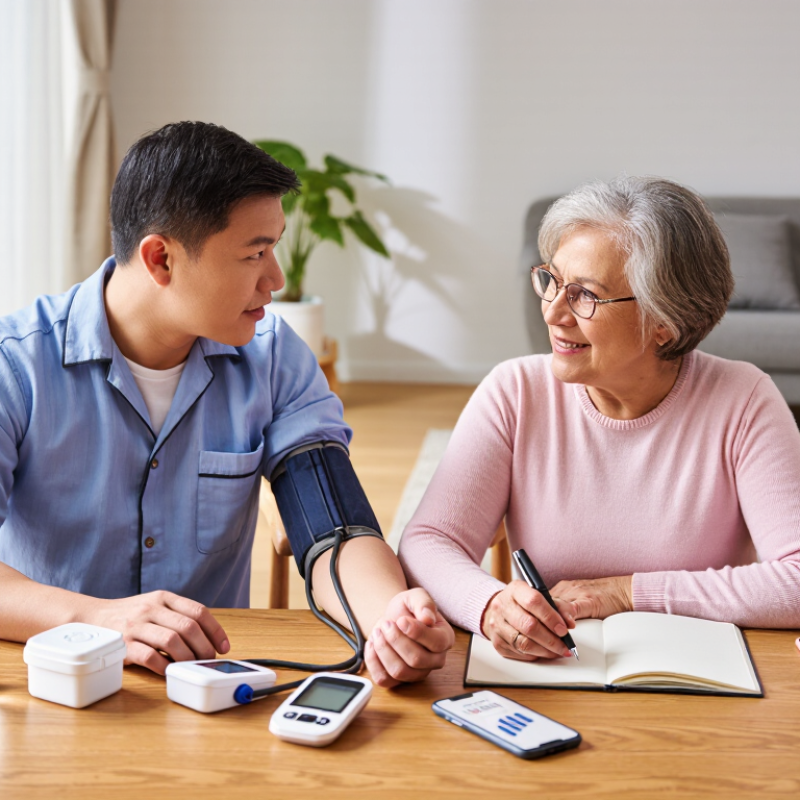
Chronic disease monitoring is the regular tracking of health measures, symptoms, and daily patterns over time. It can help people and their care teams notice meaningful changes before a routine appointment. A home blood pressure cuff, glucose meter, or symptom diary can turn scattered observations into a clearer record. Small details matter. A reading taken after a hurried walk may differ from one taken after five quiet minutes.

For people asking how to manage chronic diseases with monitoring tools, the answer starts with choosing measures that fit their condition and care plan. A person with asthma might note nighttime symptoms and inhaler use, while someone managing diabetes may track glucose alongside meals and activity. Digital apps and connected devices can organize these records, display trends, and support more focused conversations with clinicians. They are useful aids, not diagnostic authorities. Devices can be inaccurate, entries can be missed, and a graph cannot explain every cause.

Reliable monitoring depends on consistent routines, properly used equipment, and clear guidance from a qualified healthcare professional. Ask which readings matter, how often to collect them, and what changes require contact with the care team. Do not change medication based only on an app unless your clinician has provided that plan. The process can feel tedious. Some days, the record will be incomplete, and that is worth acknowledging rather than hiding. Used thoughtfully, monitoring tools can make everyday health information more visible and help patients take part in informed decisions.
What Is Chronic Disease Monitoring and How Can Tools Help?

Definition and Scope of Chronic Disease Monitoring

Chronic disease monitoring is the ongoing collection and review of information about a long-term condition. It can include symptoms, clinical measurements, medication use, and daily habits that affect health. For a person with hypertension, monitoring may include home blood pressure readings and notes about dizziness. Someone with asthma might track nighttime symptoms and how often a rescue inhaler is needed. These details help care teams notice changes and discuss whether a care plan remains suitable. Not just numbers.

The scope varies by condition and by person. Digital tools can organize readings, symptom logs, and reminders, while a paper diary may work just as well for some people. A clinician can compare patterns with examination findings and test results, rather than treating one unusual reading as a diagnosis. Data can be incomplete or affected by how and when a measurement is taken. People miss entries.

Monitoring also includes deciding which changes need follow-up and agreeing on a practical schedule. More tracking is not automatically better; overly frequent checks can feel burdensome, and the record may still miss important parts of daily life.

Conditions and Health Indicators Commonly Tracked

Chronic disease monitoring commonly follows diabetes, cardiovascular disease, chronic kidney disease, asthma, and arthritis. The indicators depend on the condition: blood glucose or HbA1c for diabetes, blood pressure and cholesterol for cardiovascular risk, and kidney filtration measures for renal health. For asthma, symptom frequency, nighttime waking, and rescue-inhaler use can reveal changes that a clinic reading may miss. Small details matter, such as recording whether a blood pressure reading was taken after resting.

The scale is substantial. The U.S. Centers for Disease Control and Prevention reports that six in ten American adults have at least one chronic disease, and four in ten have two or more. The World Health Organization’s 2023 hypertension report estimates that 1.28 billion adults aged 30–79 live with hypertension; nearly half are unaware of it.

These figures explain why repeat measurements matter, not just one result. A tidy chart can still mislead if readings are missing, taken inconsistently, or viewed without symptoms and medication changes. Monitoring should support clinical review, rather than replace it. One imperfect point: people do not always measure at the same time of day, and that can muddy comparisons.

How Monitoring Tools Collect and Share Health Data

Chronic disease monitoring tools gather health details between clinic visits. A patient may record blood pressure each morning with a home cuff, then enter the reading in an app. A glucose sensor can send measurements automatically, while a symptom diary captures fatigue, pain, meals, or medication times. Some tools also collect activity and sleep estimates from wearable devices. Each method has limits: a loose cuff, missed entry, or poor sensor fit can distort the picture.

Data may travel from a device to a phone, then to a secure health platform. With permission, a care team can review trends, such as several days of higher-than-usual readings, rather than relying on one number. Patients may also share a report during an appointment or send updates through a patient portal. Clear labels matter. A reading should include its time and, when relevant, context such as exercise or a recent meal.

Not every alert means an emergency. Clinicians set response plans based on a person’s condition, and patients should know whom to contact when readings cross agreed limits. Privacy settings and access permissions deserve attention, too. Data can be incomplete. That is easy to overlook. Monitoring works best when the person understands what is collected, who can see it, and how to correct an entry that does not look right.

What Is Chronic Disease Monitoring and How Can Tools Help? - How Monitoring Tools Collect and Share Health Data
Data dimension Examples of information collected How it is collected Typical collection pattern How it may be shared Potential use and important limitations
Blood glucose Glucose readings, trends, and time spent within a target range A blood glucose meter analyzes a finger-stick blood sample. A continuous glucose monitor measures glucose in fluid under the skin. Meter readings are taken when the person tests. Continuous monitors take readings repeatedly, often every few minutes, depending on the device. Readings may transfer to a paired phone, a patient portal, or a care team through an app or compatible health record. Patterns can support diabetes management. Sensor readings may differ from blood glucose, and symptoms that do not match a reading may require confirmation or clinical advice.
Blood pressure Systolic and diastolic pressure, pulse, and measurement time An automated cuff inflates around the upper arm or wrist and estimates pressure from the pulse signal. Measurements are commonly taken at planned times or as advised by a clinician; a single reading is only a snapshot. Values can be entered manually or sent from a connected cuff to an app or remote-care service. Repeated readings can help identify trends. Position, cuff fit, activity, and measurement technique can affect results.
Heart rhythm and rate Heart rate, rhythm recordings, and possible irregular-rhythm notifications Wearable optical sensors estimate pulse; some devices record a single-lead electrocardiogram when activated. Heart rate may be sampled periodically or during activity. An ECG recording is generally captured on demand or when a device detects a possible event. Summaries or recording files may be exported from an app and shared with a clinician or stored in a health record. These measurements can provide useful context but do not replace a diagnostic ECG or medical assessment. Motion and other factors can affect readings.
Weight and fluid-related trends Body weight and changes over time; some scales also estimate body composition A digital scale measures weight. Body-composition estimates use methods such as bioelectrical impedance. Often measured at regular intervals, such as daily or weekly, according to an individual care plan. Readings may sync through a wireless connection to a phone app or remote monitoring service. Trends may help with care plans for conditions where weight changes matter. Hydration, clothing, and measurement timing can affect results; body-composition values are estimates.
Oxygen saturation and breathing Estimated blood oxygen saturation (SpO₂) and pulse rate A fingertip pulse oximeter uses light to estimate oxygen saturation and pulse. Usually measured at intervals or when symptoms occur; continuous measurements are available in some clinical settings. Results may be recorded manually or transmitted by a connected device, depending on the equipment and service. Readings can be affected by circulation, movement, skin temperature, and other factors. A pulse oximeter reading alone cannot determine the cause of symptoms.
Symptoms and daily context Pain, breathlessness, fatigue, medication use, meals, activity, and notes about symptoms Entered by the patient in a diary, questionnaire, app, or during a remote check-in. May be recorded daily, after an event, or at scheduled check-ins. Entries can be summarized in reports or shared through a patient portal or remote-care workflow. Patient-reported details add context to device readings. Completeness depends on consistent reporting and clear questions.
Activity and sleep Steps, movement, active time, and estimated sleep duration or patterns Wearable motion sensors detect movement; sleep estimates are inferred from signals such as movement and, on some devices, heart rate. Often recorded throughout the day or night, with summaries shown over time. Summaries may sync to an app and be shared with a care team if the person chooses and the service supports it. Trends can help inform conversations about routine and wellbeing. Consumer-device estimates are not a substitute for clinical sleep testing.
Data transfer and review Measurements, timestamps, device notes, and sometimes alerts or trend summaries Data may move by Bluetooth to a phone, through Wi-Fi or mobile networks, or by manual entry. Transfer can be near real time, periodic, or initiated by the user, depending on the device, connection, and service. Information may appear in an app, patient portal, remote-monitoring dashboard, or interoperable health record when supported and authorized. Sharing depends on compatible systems, consent, connectivity, and clinical workflows. Monitoring services may not be watched continuously, so patients should follow their care team's instructions for urgent symptoms.
Note: Collection frequency, accuracy, sharing options, and clinical use vary by device and care plan. Monitoring tools provide information to support care; they do not independently diagnose disease or replace professional medical advice.

Types of Tools and Their Key Features

Chronic disease monitoring uses repeated measurements to show how a condition changes between clinic visits. The right tool depends on the condition, the person’s routine, and what their care team needs to know.

Home devices can track blood pressure, blood glucose, or oxygen levels. A clear screen, simple instructions, and stored readings make daily checks easier. Some devices send measurements to a care team, but users should know when a reading needs repeating and when to seek medical advice. Small details matter. A cuff that fits poorly, for example, can affect a blood pressure reading.

Wearable sensors can record activity, heart rate, or sleep patterns throughout the day. They may reveal trends that occasional measurements miss, though movement and inconsistent wear can distort results. Monitoring apps often add symptom logs, medication reminders, and charts. Look for readable displays, adjustable alerts, and options to export data. Remote-care platforms can combine these records for clinical review, provided the information is secure and understandable.

More data is not always better. Frequent alerts may cause worry, and a graph cannot explain every change. People and clinicians still need to interpret the numbers together. Some tools also take time to learn, a limitation worth acknowledging.

Benefits, Limitations, and Privacy Considerations

Chronic disease monitoring tracks health measures over time, such as blood pressure, blood glucose, symptoms, or medication effects. A home reading taken at the same time each morning can reveal a gradual change that one clinic visit might miss. Shared records may help patients and clinicians discuss treatment adjustments using clearer patterns. They can also help people notice how sleep, meals, or activity relate to symptoms. Small details matter.

The tools have limits. A poorly fitted cuff, an uncalibrated device, or a missed entry can distort the picture. Connectivity problems may leave gaps, while frequent alerts can cause worry or be ignored. A dashboard can look reassuring, yet still miss how someone feels. Readings support clinical judgment; they do not replace it. Not every number needs action.

Privacy deserves equal attention. Health data may pass through devices, apps, and care systems, so users should know what is collected, who can access it, and how long it is kept. Ask whether sharing is optional and whether access can be limited. Strong security reduces risk, but cannot remove it entirely. People with limited internet access or comfort using technology may also need a simpler option, such as a paper log.

FAQS

What is chronic disease monitoring?

It means collecting and reviewing health information over time. This can include symptoms, measurements, medication use, and daily habits.

What details might someone track at home?

A person with hypertension may record morning blood pressure and dizziness. Someone with asthma might note nighttime symptoms and rescue inhaler use.

Do monitoring tools need to be digital?

No. An app can organize readings and reminders, but a paper diary may work just as well. Choose a method you can maintain.

How can monitoring data reach a care team?

Readings may move from a device to a phone and then to a health platform. With permission, a care team can review patterns or discuss a report during an appointment.

Why should readings include context?

A time stamp helps explain when a measurement was taken. Notes about exercise or a recent meal can also make a reading easier to interpret.

Does one unusual reading prove that a condition has changed?

No. A clinician considers patterns alongside examination findings and test results. A loose cuff or poor sensor fit can affect a result. One number is not the whole story.

Do alerts always require urgent action?

No. Follow the response plan agreed with your clinician, and know whom to contact when readings cross set limits. Not every number matters.

What privacy questions should users ask?

Ask what information is collected, who can see it, and how long it is kept. Check whether sharing is optional and access can be limited. Some uncertainty remains.

What are common limits of monitoring?

Missed entries, connection problems, and frequent alerts can create gaps or worry. A dashboard may look reassuring but miss how someone feels. Gaps happen.

Conclusion

Chronic disease monitoring is the ongoing observation of health conditions and related indicators to help people and care teams understand changes over time. Depending on a person’s needs, monitoring may include symptoms, blood pressure, blood glucose, heart rate, medication use, activity, or other measures. Tools can collect these data through manual entries, connected devices, or scheduled check-ins, then organize and share relevant information with the person or their healthcare team.

Different tools offer features such as reminders, trend reports, symptom logs, and secure data sharing. Used consistently, they may support informed conversations, help identify changes, and make it easier to follow a care plan. Understanding how to manage chronic diseases with monitoring tools also means recognizing their limits: readings may be incomplete or inaccurate, and digital tools do not replace professional medical advice. Users should consider privacy settings, who can access their information, and how data is stored before sharing health details.

Ethan

Ethan

Ethan is a seasoned marketing professional with a deep expertise in our company's innovative product line. With a passion for sharing knowledge and insights, he takes the lead in regularly updating our corporate blog, where he explores industry trends, product features, and effective marketing......