Alhilal Healthcare
As the healthcare landscape evolves, the question arises: why do hospitals invest in advanced imaging systems? By 2026, advanced imaging technologies, including MRI and CT scanners, are projected to enhance diagnostic accuracy significantly. In fact, a report from Market Research Future indicates that the global medical imaging market will reach over $40 billion by the end of this decade. This shift highlights the critical role of imaging in patient outcomes.
Dr. Emily Chen, a renowned radiology expert, emphasizes the importance of these investments. She states, "Advanced imaging systems not only improve diagnoses but also streamline patient care." Hospitals are increasingly aware of these benefits. Enhanced imaging can lead to faster diagnostics and, ultimately, more effective treatment plans.
However, the decision to invest is not without challenges. Budget constraints and ongoing operational costs can strain hospital resources. Hospitals must weigh the benefits against these factors carefully. The pursuit of advanced imaging systems is crucial, yet hospitals should reflect on their unique needs. They must assess how these systems align with their long-term goals in healthcare delivery and patient satisfaction.
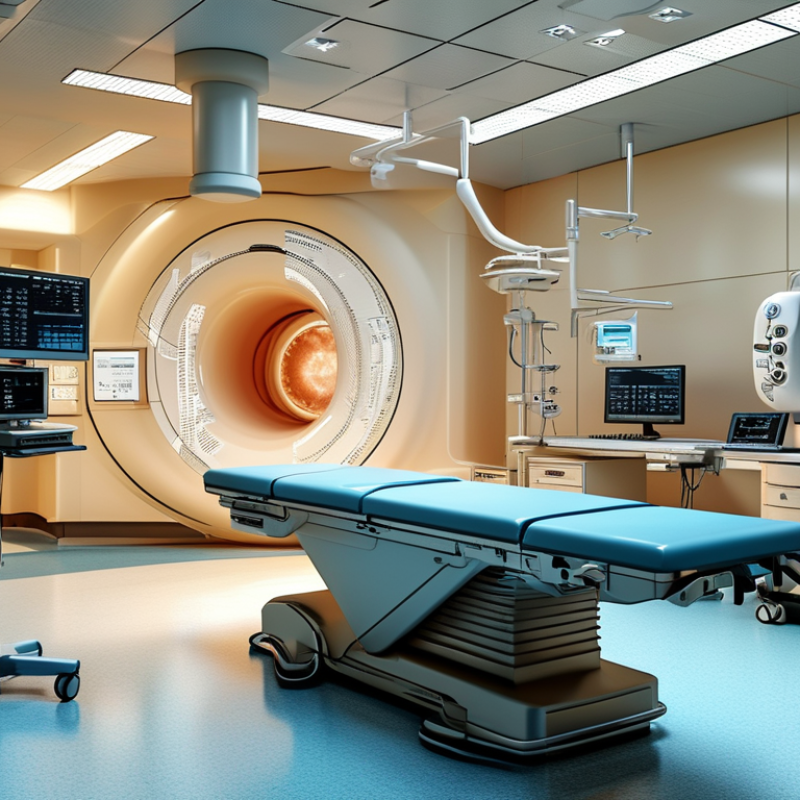
In 2026, hospitals are increasingly focusing on advanced imaging systems. A report from the Radiological Society of North America (RSNA) indicates that hospital investment in medical imaging technologies has grown by over 30% since 2022. This surge reflects a clear recognition of the role advanced imaging plays in diagnostics. Hospitals aim to improve patient outcomes by implementing high-resolution imaging methods, such as MRI and CT scans.
Current trends show that institutions are prioritizing artificial intelligence integration within imaging systems. According to a survey by the American College of Radiology (ACR), nearly 60% of hospitals are investing in AI-enhanced imaging technologies. These systems can assist radiologists in identifying conditions at earlier stages. However, the integration of AI also raises questions. How does one maintain a balance between human oversight and machine learning capabilities?
Additionally, budget constraints remain a hurdle. Hospitals often struggle to allocate sufficient funds for these technologies, leading to uneven investment across regions. Some facilities report adopting outdated systems due to financial limitations, despite the proven advantages of modern imaging techniques. It is crucial for decision-makers to evaluate long-term benefits critically while considering immediate fiscal realities.
| Investment Category | 2026 Projected Investment ($ Million) | Growth Rate (%) | Key Drivers |
|---|---|---|---|
| MRI Systems | 350 | 7.5 | Increased neurology cases |
| CT Scanners | 420 | 6.2 | Rise in trauma and chronic disease |
| Ultrasound Devices | 200 | 5.0 | Growing diagnostic applications |
| PET Scanners | 180 | 4.8 | Rising cancer diagnosis |
| X-Ray Equipment | 300 | 3.5 | Increased preventive screening |
Advanced imaging systems are becoming crucial in hospitals due to their ability to significantly enhance diagnostic accuracy. A recent report by the Radiological Society of North America highlights that advanced imaging, such as MRI and CT scans, increases diagnostic precision by approximately 30%. These advanced systems allow for better visualization of complex anatomical structures, leading to more accurate diagnoses across various medical fields.
Moreover, faster processing times and clearer images lead to quicker decision-making. The Journal of Medical Imaging states that hospitals adopting advanced technologies show a 25% reduction in diagnostic errors. This is particularly valuable in critical areas like oncology and neurology, where timely and accurate diagnosis can greatly affect patient outcomes. However, hospitals face challenges in balancing costs and technological investments, which can strain budgets.
Training staff to utilize these systems effectively is equally essential. A lack of proper training can lead to underutilization of advanced imaging capabilities. Reports suggest that nearly 15% of imaging studies are misinterpreted due to insufficient staff training. This reality prompts hospitals to not only invest in imaging systems but also in continuous education for their medical teams. Balancing technology and human expertise remains a significant area for reflection.
Advancements in imaging technology have transformed healthcare. Hospitals often face difficult decisions when considering upgrades. The cost-benefit analysis of such investments is crucial. According to a report by the American Hospital Association, hospitals that adopt advanced imaging systems see a return on investment of approximately 15% within the first two years.
Many facilities report enhanced diagnostic accuracy. For instance, 75% of hospitals upgrading to MRI machines noticed significant improvements in patient outcomes. This is essential not only for treatment but also for reducing repeat procedures. However, the high initial costs can be daunting. These upgrades can range from $500,000 to over $2 million, creating financial strain in some institutions.
In evaluating the need for new systems, hospitals must assess operational efficiency. A study highlighted that hospitals with advanced imaging saw a 30% increase in patient throughput. Yet, concerns exist about overutilization. Some believe that newer technology may lead to unnecessary imaging tests. This ethical dilemma complicates the investment equation, raising questions about balancing patient care and costs. Institutions must continuously reflect on their practices to ensure they are not falling into routine pitfalls.
This chart illustrates the projected cost savings and patient outcomes improvements associated with investing in advanced imaging systems by hospitals in 2026.
In 2026, hospitals recognize the profound impact of advanced imaging systems on patient care. These technologies enhance diagnostic accuracy, allowing for earlier detection of diseases. For instance, high-resolution MRI scans provide detailed insights into soft tissue conditions. This clarity leads to more tailored treatment plans and better patient outcomes.
However, the implementation of these systems isn't without challenges. Training staff to use advanced imaging tools can be resource-intensive. Some healthcare professionals may struggle to keep pace with rapid technological changes. Additionally, the cost of acquiring and maintaining these systems can strain hospital budgets. While improved imaging leads to better care, hospitals must weigh the financial implications carefully.
Patient experience is also evolving. Advanced imaging minimizes the need for invasive procedures, reducing recovery time. Yet, access to these technologies isn't universal. Rural hospitals often face hurdles in acquiring state-of-the-art systems. This disparity highlights an ongoing challenge in providing equitable patient care across different regions. Balancing technology and accessibility remains a critical area for improvement in healthcare.
In the evolving landscape of healthcare, hospitals are increasingly turning to advanced imaging systems. By 2026, this trend will likely define how medical diagnoses and treatment plans are developed. The focus is on precision and speed. For instance, enhanced MRI and CT scanners can provide quicker results, potentially reducing patient wait times. Yet, the cost of these systems is significant, raising questions about affordability versus necessity in hospital budgets.
As imaging technology progresses, hospitals must weigh the benefits against operational challenges. Staff training is essential to fully utilize these advanced tools. However, the rapid development can leave some personnel struggling to keep up. Furthermore, integrating new systems into existing frameworks often reveals unexpected hitches. These can impact patient care if not addressed quickly. Hospital administrators must engage in ongoing training programs and evaluate workflow to maximize the investment in new technology.
The future of imaging systems appears promising, but it's not without its complexities. While advanced imaging can lead to better patient outcomes, hospitals need to focus on reliable implementation. Regular assessments and adaptability will be crucial. As the technology evolves, facilities must remain vigilant about its integration into daily operations to truly reap the benefits.
: Advanced imaging, like MRI and CT scans, enhances diagnostic precision by about 30%.
Faster processing leads to quicker decisions and a 25% reduction in diagnostic errors.
Proper training prevents misinterpretation. About 15% of imaging studies are misread due to insufficient training.
Hospitals see about a 15% return within two years of investing in advanced imaging.
Upgrading to new technology can significantly improve patient outcomes and reduce repeat procedures.
There's an ethical dilemma about unnecessary tests, complicating the investment decisions in imaging technologies.
Advanced imaging allows earlier disease detection and tailored treatment plans, enhancing patient experiences.
Budget constraints and the need for ongoing staff training can hinder effective implementation of new systems.
No, rural hospitals often lack access to state-of-the-art imaging, creating disparities in patient care.
Continuous reflection on practices and proper investments in education are vital for effective use of imaging systems.
In 2026, the question of "why do hospitals invest in advanced imaging systems" becomes increasingly pertinent, as current trends show a significant shift towards enhanced medical imaging technologies. These investments are driven by the need to improve diagnostic accuracy, leading to better patient outcomes. Advanced imaging systems provide healthcare professionals with the tools to make more precise diagnoses, ultimately guiding more effective treatment plans.
A cost-benefit analysis reveals that the upgrade of imaging systems can yield substantial long-term savings and efficiency in hospitals, as technological advancements contribute to more accurate and faster diagnoses. As hospitals look to the future, the evolution of imaging technologies will further revolutionize patient care, ensuring that facilities remain at the forefront of medical innovation while improving overall healthcare delivery.
