Alhilal Healthcare
Medical imaging plays a crucial role in contemporary healthcare, shaping diagnostics and patient treatment. According to a report by the Radiological Society of North America, around 80% of diagnoses rely on imaging techniques. This data underscores why is medical imaging important in modern healthcare. Imaging technologies aid in early disease detection, significantly increasing survival rates. For example, mammography can reduce breast cancer mortality by nearly 30%.
The innovation in imaging methods, such as MRI and CT scans, enhances our understanding of complex conditions. These tools improve accuracy in diagnosing and monitoring diseases. The World Health Organization indicates that timely imaging can reduce healthcare costs by minimizing unnecessary procedures. However, reliance on these technologies poses challenges, such as accessibility and overutilization.
While medical imaging offers immense benefits, it’s essential to reflect on the balance between technological advancement and patient care. Ensuring equitable access remains a significant concern in various regions. As advancements continue, it’s vital to address these disparities while reaping the benefits that imaging provides.
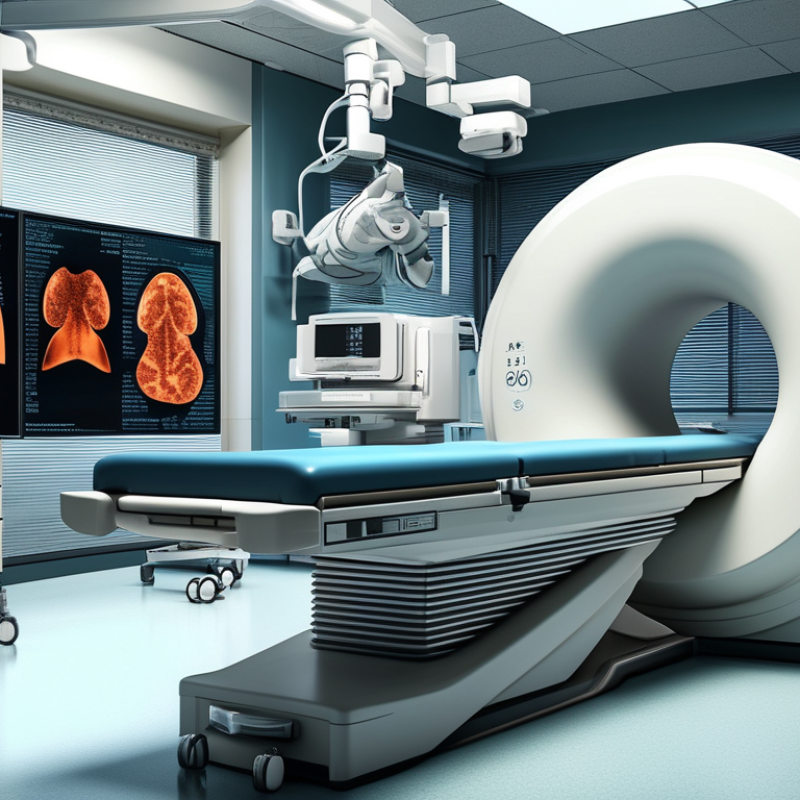
Medical imaging plays a critical role in modern healthcare, especially in disease diagnosis. It encompasses various techniques like X-rays, MRIs, and CT scans. These methods provide detailed images of the body's internal structures. Clinicians rely on these visuals to identify conditions that may not be visible through physical examinations. For instance, a small tumor may be detected early through precise imaging techniques, which is vital for successful treatment.
Additionally, medical imaging aids in monitoring disease progression. It allows healthcare providers to assess whether a treatment is working effectively. However, over-reliance on technology can sometimes lead to misinterpretations. Human errors in reading images can occur, highlighting the importance of professional training. Radiologists must continually update their skills to keep up with advancements.
Moreover, the accessibility of medical imaging varies widely. Some patients may face barriers due to cost or availability. This inequality can impact diagnosis rates and, ultimately, patient outcomes. Addressing these disparities is crucial. Society must advocate for broader access to state-of-the-art imaging technologies.
Advanced imaging techniques have become essential in modern healthcare. They provide crucial insights for accurate diagnosis and treatment planning. Techniques such as MRI and CT scans reveal detailed images of internal structures. This precision allows healthcare professionals to tailor treatment plans effectively.
With imaging, doctors can visualize abnormalities, helping to identify diseases early. Early detection often leads to better outcomes. For example, tumors can be located before they grow larger, increasing the chances of successful treatment. Imaging also aids in monitoring the effectiveness of ongoing therapies. This feedback loop is vital for adjusting treatment as needed.
**Tip:** Always communicate openly with your healthcare provider about your imaging results.
Advanced imaging is not without its challenges. Misinterpretations can occur, leading to unnecessary procedures. It is crucial for healthcare professionals to remain vigilant, continually updating their skills and knowledge. Technology evolves rapidly, and ongoing education is necessary for accurate diagnostics.
**Tip:** Remember to ask questions if you don't understand your imaging results. Your health is a partnership, and clarity is key.
| Reason | Description | Impact on Treatment |
|---|---|---|
| Early Diagnosis | Enables identification of diseases at an early stage. | Improves survival rates through timely intervention. |
| Guided Interventions | Facilitates precise locations for surgical procedures. | Reduces the risk of complications during surgeries. |
| Monitoring Progress | Tracks the effectiveness of ongoing treatments. | Allows adjustments to treatment plans as needed. |
| Non-invasive Testing | Provides valuable information without the need for surgery. | Minimizes patient discomfort and risk. |
| Enhanced Visualization | Provides detailed images of internal structures. | Improves diagnostic accuracy and treatment decisions. |
| Patient Safety | Reduces the need for exploratory surgeries. | Enhances overall patient safety and outcomes. |
| Treatment Personalization | Informs tailored treatment strategies based on imaging results. | Maximizes treatment effectiveness for individuals. |
| Cost Efficiency | Helps avoid unnecessary tests and procedures. | Reduces healthcare costs by optimizing resource use. |
| Research and Development | Supports advancements in medical technology and treatments. | Enhances the future of healthcare through innovation. |
| Education and Training | Provides visual aids for medical education. | Improves clinical training and understanding of conditions. |
Medical imaging is an invaluable tool in modern healthcare. It plays a crucial role in the early detection of diseases, which can significantly improve patient outcomes. High-quality images allow healthcare professionals to see inside the body. From X-rays to MRIs, each modality provides different insights into a patient’s health status. Early identification of conditions like cancer or heart disease often leads to more effective treatments.
Timely imaging can save lives. For instance, detecting tumors at an early stage increases the chances of successful intervention. Patients who undergo routine imaging may benefit from peace of mind. However, over-reliance on imaging without proper evaluation can lead to misdiagnosis. It's essential for practitioners to weigh the benefits and risks carefully. The challenge lies in interpreting images accurately. A nuanced understanding of each patient's case is vital.
Furthermore, access to imaging varies widely. Some patients may face delays due to scheduling issues or equipment shortages. This inconsistency can hinder timely diagnosis and treatment. Despite these hurdles, the evolution of medical imaging technology continues to provide new avenues for enhancing patient care. As imaging techniques advance, the potential for even earlier detection grows. This ongoing development is vital for improving the overall effectiveness of healthcare systems worldwide.
The cost-effectiveness of medical imaging in healthcare delivery is significant. A study from the American College of Radiology revealed that imaging accounts for only 10% of overall healthcare costs. However, it improves patient outcomes considerably. This low percentage showcases how imaging can enhance diagnosis and treatment while remaining economical.
Moreover, imaging helps in preventing unnecessary procedures. A report from the Journal of the American Medical Association highlighted that effective imaging can reduce surgical interventions by around 30%. By providing clear insights, doctors can make informed decisions. In addition, patient satisfaction often increases due to timely and accurate diagnoses.
However, there are challenges. Overuse of imaging tests can lead to inflated costs. The radiology community is reflecting on best practices to mitigate this risk. Ensuring that imaging is used appropriately is crucial for maintaining cost-effectiveness. Continuous education and adherence to guidelines can help strike the right balance in its usage, making medical imaging vital yet responsible in modern healthcare.
This bar chart illustrates the importance of various aspects of medical imaging in modern healthcare, with ratings on a scale of 1 to 100. Key areas such as early diagnosis and non-invasive procedures highlight how medical imaging contributes significantly to improved patient outcomes and healthcare efficiency.
Medical imaging technology has transformed modern healthcare significantly. Advancements such as MRI, CT scans, and ultrasound have made early diagnosis possible. These innovations provide clear visuals of the human body, enabling precise and timely interventions. The impact on patient outcomes is profound, with lower mortality rates for diseases caught early.
There are various factors healthcare professionals must consider. For instance, the choice of imaging technique depends on the patient's condition. Some techniques expose patients to radiation, while others do not. The decision involves weighing the risks against the potential benefits. Always discuss options with your healthcare provider.
Tips: Always ask questions. Understanding why a specific imaging is necessary can help ease your anxiety. Balancing technology and human touch is vital. A good patient-provider relationship enhances the effectiveness of medical imaging. Additionally, always be aware of updates in imaging technology, as innovations can lead to improved care.
: Medical imaging is crucial for diagnosing diseases. It offers detailed visuals of internal body structures.
Techniques like X-rays and MRIs allow clinicians to identify conditions invisible through physical exams.
Early detection of diseases improves treatment outcomes, especially for serious conditions like cancer or heart disease.
Barriers like cost and availability can prevent some patients from receiving necessary imaging services.
Continuous training helps radiologists keep up with imaging advancements and minimizes interpretation errors.
Excessive reliance can lead to misinterpretations and misdiagnoses without proper evaluation of each case.
Delays or equipment shortages can hinder timely diagnoses and impact overall patient outcomes.
Timely imaging can save lives by allowing early interventions for critical health issues.
Advancements in imaging techniques may lead to even earlier disease detection, improving healthcare effectiveness.
Advocacy for broader access to advanced imaging technologies is crucial for equitable patient care.
Medical imaging plays a crucial role in modern healthcare, significantly enhancing the processes of disease diagnosis and treatment planning. By providing high-resolution images, advanced imaging techniques allow healthcare providers to identify health issues at earlier stages, which can lead to improved patient outcomes. This early detection is vital for effective treatment strategies, often resulting in quicker recoveries and better overall health management.
Furthermore, the cost-effectiveness of medical imaging contributes to more efficient healthcare delivery. As innovations in imaging technology continue to emerge, they pave the way for more accurate assessments and personalized care plans. In summary, understanding why medical imaging is important in modern healthcare highlights its impact on disease management, treatment efficiency, and patient well-being, ultimately transforming the landscape of medical care.
