Alhilal Healthcare
When considering how to prepare for a minimally invasive examination, understanding the process is crucial. These examinations often involve less discomfort and quicker recovery times. However, successful preparation can significantly affect the overall experience and results.
It's important to gather necessary information about the examination. Consult with your healthcare provider to clarify the procedure. Ask about dietary restrictions or medications to avoid before the examination. Creating a checklist of items to bring can help you feel more organized. A positive mindset plays a role too; consider relaxation techniques to ease any anxiety.
Reflecting on past experiences can prove insightful. Did you encounter any unexpected challenges before similar exams? Learning from those moments can guide your current approach. Preparation requires effort, but it lays a foundation for confidence and clarity.
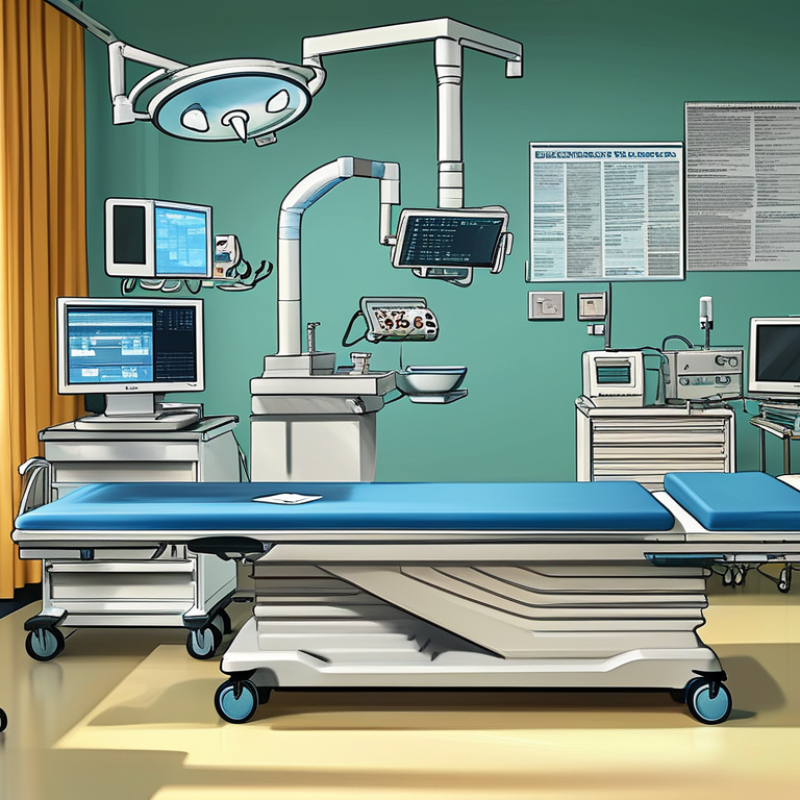
Minimally invasive examinations are gaining popularity for their reduced recovery times and less traumatic procedures. These examinations often involve advanced technology. They allow doctors to gather necessary information without extensive incisions. Patients may experience less pain and scarring. Understanding the process can help you feel more prepared.
To prepare effectively, consider these tips. Gather all relevant medical history. Inform your healthcare provider of any medications you are taking. This information helps the doctor during the examination. Don't hesitate to ask questions. Clear communication ensures you understand the procedure fully.
On the day of the examination, aim to wear comfortable clothing. It can make the experience less stressful. Keep your expectations realistic. Remember, even with a minimally invasive approach, some discomfort may occur. Reflect on your feelings about the procedure. Preparing mentally can foster acceptance of the process.
Preparing for a minimally invasive examination requires careful consideration. You might feel anxious about the procedure. Understanding what to expect can ease your mind. Discussing your concerns with medical professionals can help. Their experience is valuable. They can provide insights you may not have considered.
Eating light before the examination is often recommended. This can aid in reducing discomfort during the procedure. Hydration is key, but you might want to limit water intake as instructed. Sometimes, you might need to avoid food entirely the night before. Following guidelines from healthcare providers is crucial for accurate results.
Mental preparation is as important as physical readiness. You might find it helpful to practice relaxation techniques. Visualization can be powerful. Imagine yourself in a calm environment. Consider journaling your thoughts. This can help address your emotional responses. Reflect on your feelings about the examination. It’s normal to have mixed emotions; acknowledging them can be the first step towards feeling better.
Preparing for a minimally invasive examination involves attention to dietary habits. What you eat in the days leading up to the procedure matters. Focus on light, easily digestible meals. Consider options like broth, plain rice, and steamed vegetables. These choices can help keep your digestive system calm.
Stay hydrated, but be cautious about what you drink. Clear liquids are encouraged, while heavy or carbonated drinks should be avoided. On the day before the examination, many medical professionals recommend fasting. This can be challenging for some people, but it’s crucial for accurate results. Think about how your body feels during this time. Reflect on the urge to eat and stay committed to your preparation.
After the fast, reintroduce foods slowly. Choose bland options to ease back into eating. This might not be easy initially. Consider keeping a food diary to track how your body responds. This can help you identify any sensitive triggers or foods that could disrupt recovery. Ultimately, being mindful about your diet ensures a smoother process for everyone involved.
Minimally invasive examinations, while generally less intimidating than traditional methods, can still provoke significant mental stress. A study by the American Psychological Association found that up to 70% of patients experience anxiety prior to medical procedures. Recognizing these feelings is crucial to mental preparation. Patients should allow themselves to feel uneasy, rather than suppressing those emotions. Journaling, for instance, can help articulate fears about the examination process.
Practicing mindfulness techniques can also be beneficial. Deep breathing exercises can lower anxiety levels significantly, as shown in a clinical trial where participants reported a 30% reduction in pre-procedural stress after engaging in such methods. Another way to prepare is through visualization. Imagining a smooth, successful procedure can create a positive mindset. Surrounding oneself with supportive family or friends also helps. A support network can make the atmosphere less daunting.
Being rooted in reality is essential. Patients may have fears about unseen consequences or complex outcomes. It’s important to discuss these uncertainties with healthcare providers. Transparency builds trust and can demystify the examination process. This dialogue can be reassuring and empower patients to take proactive steps toward their well-being. Taking an active role in one’s healthcare journey is key to emotional resilience.
| Preparation Aspect | Description | Tips |
|---|---|---|
| Understanding the Procedure | Gather information about the examination to reduce anxiety. | Discuss with your healthcare provider and review reputable resources. |
| Breathing Exercises | Use relaxation techniques to manage stress. | Practice deep breathing before and during the examination. |
| Positive Visualization | Envision a successful outcome and calm experience. | Spend a few minutes each day imagining a positive scenario. |
| Support System | Having supportive friends or family can improve emotional state. | Invite a loved one to accompany you or share your fears with them. |
| Pre-Exam Communication | Clarify any doubts or concerns with your doctor. | Prepare questions before the appointment to ensure clarity. |
After a minimally invasive examination, proper post-examination care is essential for optimal recovery. The goal is to minimize discomfort and facilitate healing. Patients should rest and avoid strenuous activities for at least 24 hours. This helps the body recover from any mild sedation or minor procedures. Hydration is also crucial. Drink plenty of water to flush out any lingering sedative effects.
Monitoring any unusual symptoms is vital. Look for signs of infection, like increased pain, swelling, or fever. If any of these occur, contacting a healthcare professional promptly is important. Depending on the procedure, follow-up visits may be necessary. Keeping scheduled appointments ensures that any potential complications are addressed early.
Emotional well-being should not be overlooked. The experience can be daunting, and feelings of anxiety may arise. Speaking with a trusted friend or professional can help process these emotions. Remember, it’s okay to seek support during recovery. It’s a journey, not just a procedure.
: Consider eating light to reduce discomfort. Stay hydrated, but limit water if advised.
Yes, many people feel anxious. A study found that about 70% experience pre-procedure anxiety.
Practicing breathing exercises can lower anxiety. Visualization can also create a positive mindset.
Yes, talking with supportive family or friends can ease tension. It helps to share your thoughts.
Mindfulness techniques, like deep breathing, can reduce anxiety. Participants reported a 30% decrease in stress.
Absolutely, it's normal to feel uneasy. Acknowledging these feelings is a step toward feeling better.
Very important. Discussing fears and uncertainties builds trust and demystifies the process.
Yes, writing down your thoughts can articulate fears and address emotional responses effectively.
Sharing uncertainties with your healthcare provider can empower you and provide clarity.
Mental readiness is crucial. It allows for a calmer experience during the examination process.
Preparing for a minimally invasive examination requires careful planning and awareness. Understanding the procedure is crucial, as it helps alleviate anxiety and enhances overall effectiveness. Pre-examination preparations include gathering necessary medical information and following specific instructions from healthcare providers. Essential dietary guidelines should also be adhered to, ensuring the body is ready for the procedure. Patients should know what foods to avoid and the timing of their last meal to minimize complications.
Mental and emotional preparation plays a significant role in how to prepare for a minimally invasive examination. Techniques such as relaxation exercises and open discussions with medical staff can help reduce pre-examination stress. After the procedure, proper post-examination care and follow-up steps are essential to monitor recovery and address any concerns. By following these guidelines, patients can ensure a smoother experience and a better understanding of their healthcare journey.
