 Alhilal Healthcare
Alhilal Healthcare
Alhilal Healthcare
Selecting affordable disposable protective supplies requires careful consideration. Many people overlook the importance of quality and cost. It’s essential to understand how to choose cost-effective disposable protective supplies to ensure safety without overspending.
Start by assessing your specific needs. Different industries have varying requirements. For example, healthcare settings may require higher-grade materials. Focus on finding trusted brands that meet safety standards. Reviews and ratings can be valuable in this search. Additionally, consider bulk purchasing options, as they often provide better pricing.
Price shouldn't be the only factor. Evaluate the comfort and durability of the supplies. Cheap options may save money initially but can lead to higher costs over time. It’s crucial to strike a balance between affordability and quality. Remember, inadequate protection can result in serious consequences. Always invest time in research to make informed decisions.
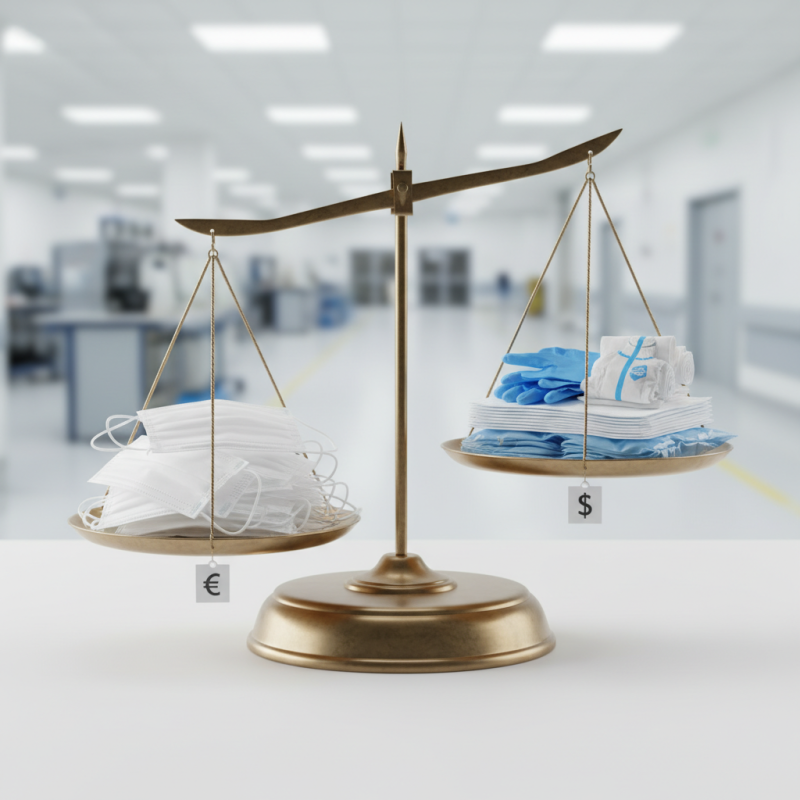
When selecting disposable protective supplies, understanding their types is essential. Generally, these supplies can be categorized into gloves, masks, gowns, and face shields. According to the Global Disposable Protective Apparel Market Report, the industry is expected to grow significantly, reaching approximately $8 billion by 2025. This growth reflects the increasing adoption of these supplies across various sectors, including healthcare and food services.
Gloves are crucial in maintaining hygiene. They come in various materials like latex, nitrile, and vinyl. Each material has pros and cons. Nitrile gloves, for example, provide better puncture resistance but may cost more. In 2020, nitrile glove usage surged by 70% due to heightened health awareness.
Masks, on the other hand, vary from surgical masks to N95 respirators. Surgical masks offer basic protection. However, N95 respirators filter at least 95% of airborne particles. Despite their effectiveness, not all environments require such high-level protection.
Additionally, gowns and face shields are vital for comprehensive protection. Gowns are often fluid-resistant, which is critical in medical settings. Face shields provide a barrier against splashes. Yet, many facilities still overlook the need for these supplies. A report highlighted that only 40% of health workers felt adequately protected. This gap demonstrates the importance of selecting the right type of disposable protective supplies.
Evolving needs must be met with appropriate selections. Understanding these basics can help in making informed decisions that balance cost and safety.
: Disposable protective supplies include gloves, masks, gowns, and face shields.
Gloves help maintain hygiene and come in materials like latex, nitrile, and vinyl. Each has its benefits.
Nitrile gloves provide better puncture resistance but can be more expensive than other types.
Masks vary from surgical masks, offering basic protection, to N95 respirators, filtering 95% of airborne particles.
Not all settings require high protection; hence surgical masks may be sufficient for certain tasks.
Gowns are often fluid-resistant, making them essential for medical environments where splashes can occur.
It's important to assess materials, durability, and performance under real conditions, rather than just price.
Cheaper options may compromise quality, leading to ineffective protection and potential health hazards.
Not all supplies meet safety benchmarks. Ignoring this can waste resources and pose safety risks.
Quality should take precedence over affordability to ensure effective protection.
In the pursuit of selecting affordable disposable protective supplies, it is essential to understand the various types available, including gowns, masks, and gloves. Each category serves a specific purpose, and knowing these differences allows for better decision-making. When considering how to choose cost-effective disposable protective supplies, evaluating cost-effectiveness by balancing quality and price is crucial. Products must comply with industry standards to ensure safety and comfort.
Researching suppliers becomes a vital step in identifying reliable and affordable options. Engaging with multiple suppliers can yield insights into competitive pricing and product offerings. Additionally, comparing bulk purchase discounts can significantly maximize your budget, enabling the procurement of high-quality protective supplies without compromising safety. Emphasizing these strategies ensures a well-informed choice in the realm of disposable protective equipment.
