Alhilal Healthcare Alhilal Healthcare

10 Tips to Reduce Skin Irritation from Protective Clothing?

Time:2026-06-07 Author:Ethan
0%

Protective clothing is essential in many industries, but it can cause skin irritation. This discomfort affects workers’ productivity and well-being. Understanding how to reduce irritation to skin from protective clothing is crucial for many professionals.

Skin irritation often results from friction, moisture, and the material of the clothing. Workers may experience redness, itching, or uncomfortable rashes. Identifying these issues is the first step towards finding solutions. Certain fabrics and improper fit can worsen the situation. Experts recommend choosing breathable materials and ensuring the right size to minimize contact irritation.

In this article, we will explore practical tips to alleviate skin discomfort. Simple changes, like adjusting the fit or considering alternative fabrics, can make a significant difference. It’s important to listen to your body and change routines as necessary. Finding the right solutions may take time, but the results are well worth the effort.
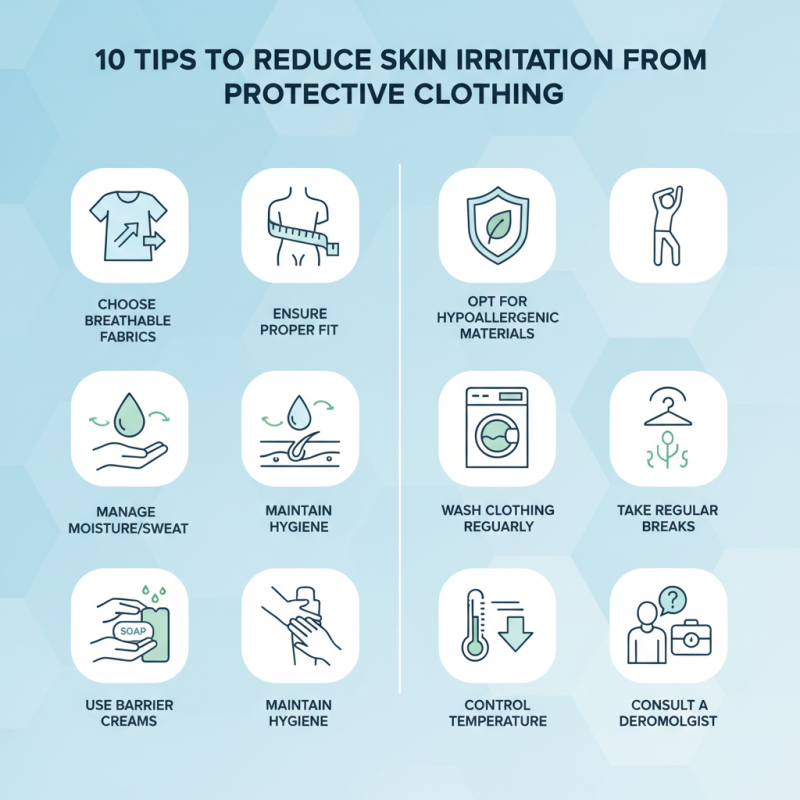
10 Tips to Reduce Skin Irritation from Protective Clothing?

Understanding Skin Irritation: Causes and Effects of Protective Clothing

Protective clothing is essential in many work environments. However, it can cause skin irritation for various reasons. Friction and moisture buildup often lead to discomfort. Synthetic fabrics may not allow the skin to breathe properly. This can create a warm, damp environment, inviting irritations like rashes or itches.

Certain individuals might have sensitivities to the fabric's materials. Repeated exposure can worsen irritation over time. Other factors include tight-fitting garments, which can further exacerbate the issue. Even seemingly harmless seams or tags can cause friction, leading to skin irritation. Identifying these specifics can help in managing discomfort.

It’s crucial to pay attention to the fit and fabric of protective clothing. Consider breathable, loose-fitting options in the selection process. Regularly changing clothes can also reduce moisture accumulation. If irritation occurs, seek professional advice for effective solutions. Remember that addressing skin irritation is an ongoing process; adjustments may be necessary over time.

Choosing the Right Material: Fabrics That Minimize Skin Irritation

Choosing the right fabric is essential for reducing skin irritation from protective clothing. According to a 2022 study published in the Journal of Occupational Medicine, around 30% of workers experience skin irritation due to the materials they wear. Certain fabrics can trap heat and moisture, exacerbating discomfort. Cotton is often suggested due to its breathability, but it may not always provide adequate protection.

Synthetic materials like polyester and nylon can help wick moisture away. These fabrics often have smoother surfaces, reducing friction against the skin. The American Academy of Dermatology emphasizes the importance of fabric structure in skin health. For instance, tightly woven fabrics can prevent allergens from penetrating, yet may lead to sweating. This can be a double-edged sword.

Comfort is key. Textiles with a lower coefficient of friction can make a significant difference. The Institute of Textile Technology has found that softer, blended fabrics reduce irritation by up to 50%. Still, not all breathable options are suitable for every job. Workers need to assess their specific environments and tasks to ensure optimal fabric choice. Making informed choices based on fabric properties can lead to a more comfortable experience.

Improving Comfort: Proper Fit and Design of Protective Gear

When it comes to protective clothing, proper fit is crucial. Ill-fitting gear can cause rubbing and chafing, leading to skin irritation. Ensure that your clothing fits well around the shoulders, waist, and arms. Loose surroundings may enhance comfort but can shift during movement. Conversely, tight gear restricts movement and causes discomfort. Aim for a balance that promotes natural motion without unnecessary tightness.

Design also plays a key role in comfort. Select protective gear with soft seams to minimize skin irritation. Consider options that feature moisture-wicking fabrics. These materials help keep your skin dry and reduce friction.

Ventilation is another important factor. Gear with built-in airflow can prevent overheating, a common cause of irritation.

Don't overlook the weight of the material. Heavier fabrics can lead to fatigue and may promote irritation. Try different textures and weights to find what suits your body best. Reflect on your experiences and adjust your choices accordingly. Ultimately, the right fit and design can significantly enhance comfort and reduce skin irritation from protective clothing.

Skin Care Practices: Pre- and Post-Exposure Tips for Irritation Reduction

Wearing protective clothing can often lead to skin irritations. A good skin care routine is essential before and after exposure. Start by preparing your skin. Cleanse thoroughly with a mild soap. This helps remove dirt and oils. After cleansing, apply a light moisturizer. A healthier skin barrier is more resilient against irritation.

Post-exposure care is equally vital. Gently remove any clothing that has been in contact with your skin. Rinse your skin with lukewarm water to eliminate irritants. Consider applying soothing creams. Look for ingredients like aloe vera or chamomile. Such options can calm irritation and promote healing.

Pay attention to how your skin responds. Not every material is compatible with all skin types. Reflect on your experiences and adjust accordingly. Some days may be better than others, and that’s okay. A proactive approach helps manage skin sensitivity and irritation.

Regular Maintenance: Cleaning and Care for Protective Clothing Materials

Protective clothing serves an essential role in various work environments. However, improper care and maintenance can lead to skin irritation and discomfort. Regular cleaning is crucial. It removes sweat, dirt, and oils that build up over time. Many don't realize that buildup can exacerbate irritation. Aim to wash protective garments according to the manufacturer's guidelines. Use mild detergents to avoid harsh chemicals that can aggravate sensitive skin.

Drying properly is also important. Excess heat can damage fabric integrity. Air drying is the safest option. While it may take longer, the fabric remains softer and more comfortable against the skin. Inspect your clothing regularly for signs of wear and tear. Small rips or frayed edges can lead to increased friction, which may irritate the skin. People often overlook these details, but taking action helps prevent larger issues later.

Remember, every skin type is different. What works for one person may not work for another. If irritation persists, consider seeking professional advice. Finding suitable materials or adjusting maintenance routines can make a significant difference. Reflecting on your specific needs is key to comfort in protective clothing.

FAQS

: What causes skin irritation from protective clothing?

: Skin irritation is often caused by friction, moisture buildup, and the material of the clothing.

How can the fit of clothing affect skin irritation?

Tight-fitting garments can exacerbate irritation. Loose-fitting options are usually better for comfort.

What types of fabrics are recommended to minimize irritation?

Cotton is breathable but may lack protection. Synthetic fabrics like polyester wick moisture away effectively.

How can I manage moisture while wearing protective clothing?

Regularly change clothes to reduce moisture. Consider breathable materials to keep the skin dry.

What skin care practices should I follow before wearing protective clothing?

Cleanse your skin with mild soap and apply a light moisturizer to strengthen the skin barrier.

What should I do after wearing protective clothing?

Gently remove the clothing, rinse with lukewarm water, and apply soothing cream or lotion.

How can I know if a fabric is right for my skin?

Pay attention to your skin's response to different materials. Reflect on what works best for you.

Is it normal to experience varying levels of irritation?

Yes, some days may be better than others. It’s important to adjust your routine accordingly.

Why is it important to choose breathable fabrics?

Breathable fabrics help prevent heat and moisture buildup, reducing the risk of irritation.

Should I consult a professional if irritation persists?

Yes, seeking professional advice can provide effective solutions for ongoing skin irritation issues.

Conclusion

To effectively address the question of how to reduce irritation to skin from protective clothing, it is essential to understand the underlying causes and effects associated with such garments. Skin irritation can often result from friction, moisture, and the type of fabric used. Selecting the right materials that are breathable, moisture-wicking, and soft against the skin can significantly minimize discomfort.

Additionally, ensuring that protective gear fits properly and is designed with ergonomics in mind can enhance comfort and reduce the risk of skin irritation. Implementing proper skin care practices before and after exposure, such as moisturizing and cleansing, is also crucial. Lastly, regular maintenance of protective clothing through cleaning and care helps maintain fabric integrity and hygiene, further preventing skin issues. By considering these factors, individuals can better manage skin irritation related to protective clothing.

Ethan

Ethan

Ethan is a seasoned marketing professional with a deep expertise in our company's innovative product line. With a passion for sharing knowledge and insights, he takes the lead in regularly updating our corporate blog, where he explores industry trends, product features, and effective marketing......