Alhilal Healthcare Alhilal Healthcare

China Top 10 Medical Device Certifications Required?

Time:2026-10-11 Author:Sophia
0%

China’s medical device market is large, but the approval pathway is not a single certificate. It is a risk-based system shaped by product classification, intended use, manufacturing controls, clinical evidence, and local registration requirements. This is why companies asking “what certifications are required for medical devices” often begin with the wrong assumption.

The key question is not simply which certificate to obtain. It is which regulatory evidence matches the device. For many products, NMPA registration or filing is central. ISO 13485 certification can support quality management, but it does not replace Chinese market authorization. Depending on the product, companies may also need Chinese testing, clinical evaluation, clinical trials, manufacturing compliance evidence, or specific product standards. CCC certification may apply to certain electrical products, but it is not a universal medical device requirement.

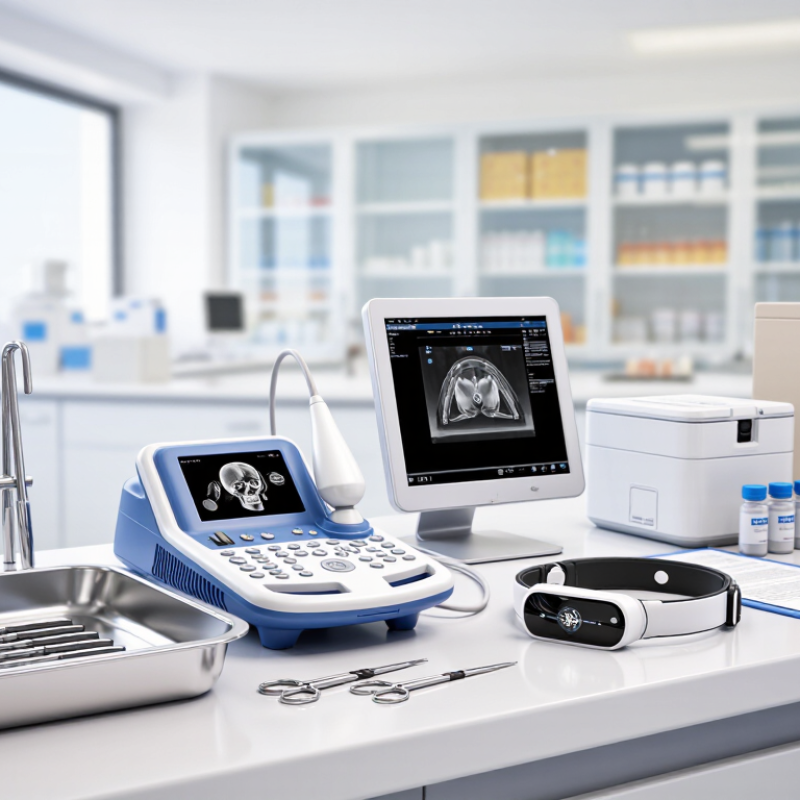
Suzanne Schwartz, MD, MBA, a former FDA medical-device regulator, has stated, “Regulatory requirements should be matched to the device’s risk, intended use, and evidence.” That principle is highly relevant in China. A sterile surgical instrument, an ultrasound system, and a wearable monitoring device may face very different expectations. Small documentation gaps can delay review, especially when test reports, Chinese labeling, or technical specifications conflict.

The phrase “Top 10 certifications” is useful for planning, but it can oversimplify reality. Some manufacturers need fewer approvals. Others need more evidence than expected. Requirements can also change. Careful classification, current NMPA guidance, and qualified local regulatory advice remain essential before launching a submission.
China Top 10 Medical Device Certifications Required?

China’s 3-Class Medical Device System: Filing, Registration, and Risk Levels

China’s medical device system is built around three risk classes, not a universal list of ten certifications. Class I devices present the lowest risk and usually require filing. Class II devices need registration and technical review. Class III devices face the strictest review because they may involve higher risks to patients.

Classification depends on intended use, contact with the body, operating method, and possible harm. A reusable surgical instrument may follow a different route from an implantable device. The same product can also receive different treatment after specification changes. That detail matters.

For Class I products, authorities generally review basic filing documents, product information, and safety materials. Class II and Class III applications usually require technical requirements, testing evidence, risk analysis, clinical evaluation, and quality management documentation. Imported products may also need a local representative and Chinese-language labeling. Post-market obligations continue after approval, including adverse-event reporting and corrective action procedures.

The process is rarely just paperwork. In real projects, unclear product descriptions often create delays. Some teams classify devices too early, then discover that software functions or accessories change the risk profile. That is an avoidable weakness. A careful review of the Chinese classification catalogue, intended use, and supporting evidence should happen before testing begins. Requirements can also change, so current official guidance deserves regular checking.

NMPA Market Access: Class I Filing and Class II–III Registration

China Top 10 Medical Device Certifications Required?

NMPA Market Access: Class I Filing and Class II–III Registration

China’s medical-device market exceeded RMB 1 trillion in 2023, according to the China Medical Device Industry Association’s 2024 industry analysis. Market size does not make approval easier. The regulatory route depends on risk classification, intended use, and product technology.

Class I devices generally require filing, not full registration. Imported Class I products are filed with the NMPA, while domestic products are filed with the relevant local authority. The file usually includes product specifications, technical requirements, safety evidence, labeling, and a qualified local representative. Class I is lighter. It is not automatic.

Class II and Class III devices require registration. Imported products apply through the NMPA, while domestic Class II products usually proceed through provincial authorities. Typical evidence includes type testing, risk management, clinical evaluation, quality-system documentation, and Chinese-language instructions.

Clinical trial data may be necessary when existing evidence cannot support safety and performance. The NMPA’s 2023 annual report recorded 61 innovative medical devices approved, illustrating the agency’s selective review approach.

A common mistake is treating filing as a shortened registration. That assumption can create gaps in testing or labeling. Classification disputes also occur, especially with software, combination products, and devices using novel materials. The framework looks clear on paper. Real files are less predictable. Each technical claim should match the evidence submitted.

Imported Devices: NMPA Registration, China Agent, and Customs Compliance

China Top 10 Medical Device Certifications Required?

Imported medical devices entering China usually require NMPA registration or filing, depending on their risk classification. Class I products may follow a filing route, while Class II and III devices generally need registration. The classification must be confirmed before preparing technical documents. A rushed classification can create months of avoidable delays.

The overseas manufacturer must appoint a qualified China-based agent for imported devices. This agent communicates with NMPA, maintains local records, and supports post-market reporting. Application materials commonly include product specifications, risk analysis, clinical evaluation, test reports, labeling, and instructions in Chinese. Some devices may require domestic testing or additional clinical evidence. Requirements can change, and older checklists are not always reliable.

Customs compliance begins before shipment. The importer should match the HS code, registration certificate or filing record, product name, model, and declared value across every document. Chinese labels must reflect the approved information, including manufacturer details, intended use, warnings, and production dates where applicable. Customs may also review import permits, invoices, packing lists, and transport records. A certificate alone does not guarantee clearance. In practice, teams sometimes overlook one model suffix or translate a warning inconsistently. That small error can stop a complete shipment. Keep a written review trail, verify the latest rules, and ask the agent to confirm each shipment before dispatch.

Quality and Manufacturing: ISO 13485, GB/T 42061-2022, and Production Licenses

China’s medical device market demands more than a product certificate. Quality systems and manufacturing controls must work together. ISO 13485 provides an internationally recognized framework for risk management, design control, supplier evaluation, and corrective actions. GB/T 42061-2022 is China’s current medical device quality management standard, aligned closely with ISO 13485:2016. It helps manufacturers organize local documentation, production records, and traceability procedures.

In practical audits, reviewers often examine the factory floor, not only the quality manual. They may check batch records, equipment maintenance logs, training files, and complaint handling evidence. A production license may also be required, depending on the device category and manufacturing activity. The application usually requires facility information, qualified personnel, production conditions, and a functioning quality system. A common weakness is treating certification as paperwork. That approach can fail when operators cannot explain inspection steps. Some requirements also need careful interpretation, especially when product changes affect production scope.

Tips: Keep one controlled document system. Match every process to an accountable employee. Test traceability using a sample batch before an inspection. Record small deviations honestly; hidden problems become larger audit risks. Local regulatory advice can prevent avoidable rework, but internal evidence remains essential. Requirements may change, so verify current rules before filing.

China Top 10 Medical Device Certifications Required?

Quality and Manufacturing: ISO 13485, GB/T 42061-2022, and Production Licenses

This chart summarizes the general relevance of ten major compliance items across Class I, Class II, and Class III medical devices in China. Class I products generally follow a filing route, while Class II and Class III products require registration. Production licenses generally apply to Class II and Class III manufacturers. ISO 13485 certification is not automatically required for every product, but quality-management evidence aligned with GB/T 42061-2022 is commonly important during regulatory review.

Testing and Operations: GB Standards, Clinical Evaluation, CCC, and Business Licenses

China Top 10 Medical Device Certifications Required?

China’s medical device market demands more than one certificate. The WHO Global Atlas of Medical Devices reports over two million device types worldwide, grouped into more than 7,000 categories. This variety makes classification critical. Manufacturers must identify the product class before selecting GB standards, testing methods, and registration routes. A useful compliance file often includes product technical requirements, electrical safety tests, electromagnetic compatibility data, labeling, and risk analysis. Small details matter. A missing test condition can delay review.

Clinical evaluation is another central requirement. Depending on risk and novelty, evidence may include literature, equivalence analysis, clinical data, or a local clinical trial. The NMPA 2023 annual report shows continued growth in registered medical devices, increasing pressure on technical review quality. CCC certification may apply to specific products listed under China’s compulsory certification catalogue, but it is not automatically required for every medical device. Confusing CCC with NMPA registration remains a common mistake.

Operations also require legal foundations. A valid business license, manufacturing permit, distribution filing, and qualified local personnel may be necessary. GB standards should be checked against the latest published versions, not old laboratory templates. In practice, testing plans often need revision after prototype changes. That is inconvenient, but realistic. Industry reports on China’s medical device sector repeatedly identify regulatory interpretation and post-market supervision as major operational risks. A certification checklist alone cannot replace experienced classification review, traceable records, and continuous complaint monitoring.

FAQS

Do imported medical devices need registration in China?

Usually, yes. Class I devices may use filing, while Class II and III devices generally need registration. Confirm classification first.

Why is device classification important?

Classification determines the approval route, evidence, and timeline. A rushed decision can create months of avoidable delays.

Does an overseas manufacturer need a China-based agent?

Yes. The agent communicates with regulators, keeps local records, and supports post-market reporting. Choose carefully.

What documents are commonly required?

Typical materials include specifications, risk analysis, clinical evaluation, test reports, Chinese labels, and instructions. Some devices need extra evidence.

Can a registration certificate guarantee customs clearance?

No. Customs also checks product names, models, HS codes, values, invoices, packing lists, and transport records. One missing detail can stop shipment.

What labeling details should importers review?

Chinese labels should match approved information. Check manufacturer details, intended use, warnings, and production dates where applicable.

What quality evidence may inspectors examine?

Inspectors may review batch records, equipment maintenance logs, training files, and complaint handling records. They may also inspect the factory floor.

Is a quality certificate enough for an inspection?

Not always. Operators should explain inspection steps, and records should prove consistent control. Paperwork alone can look convincing but remain weak.

How can a manufacturer prepare for traceability checks?

Select one sample batch and trace it through production, inspection, and shipment. Keep controlled records with named employees.

What common mistakes deserve extra attention?

Teams sometimes miss a model suffix or translate one warning differently. Small inconsistencies matter. Review the latest rules before dispatch.

Conclusion

Understanding what certifications are required for medical devices in China begins with the country’s three-class risk system. Class I devices generally require filing, while Class II and Class III products usually require formal registration with the National Medical Products Administration. The applicable pathway depends on the device’s intended use, risk level, technical characteristics, and classification.

Imported devices must also complete registration or filing procedures, appoint a qualified local agent, and meet customs and documentation requirements. Quality and manufacturing compliance may involve ISO 13485, GB/T 42061-2022, and relevant production licenses. In addition, manufacturers should consider applicable GB standards, product testing, clinical evaluation or supporting evidence, CCC requirements where relevant, and suitable business licenses for distribution and operations. Because requirements can vary by product category and regulatory status, companies should establish a complete compliance plan before market entry.

Sophia

Sophia

Sophia is a dedicated marketing professional with an exceptional depth of knowledge about her company's products and services. With a keen understanding of market trends and customer needs, she crafts insightful blog posts that not only inform but also engage readers, enriching the company’s online......