Alhilal Healthcare Alhilal Healthcare
China Top Disposable Needle Tips Manufacturer & Factories

Global Industrial Leader in High-Precision Hypodermic Systems, Cleanroom Manufacturing and Certified Medical Consumables.

15+

Years of Manufacturing Expertise

100k+

Total Area (Square Meters)

6,000

Clean Workshop (Sqm)

500+

Experienced Employees

Global Commercial & Industrial Status of Disposable Needle Tips

In modern clinical environments, disposable needle tips represent the bedrock of sterile fluid delivery, vaccination, blood collection, and micro-injection treatments. The global demand for high-precision disposable needle tips is experiencing unprecedented growth, driven by a global focus on mitigating healthcare-associated infections (HAIs), expanding immunization protocols, and the rapid advancement of clinical dermatology and localized aesthetics.

Industrial applications have also diversified. Beyond conventional human medicine, precision needle tips are extensively integrated into veterinary fields, high-accuracy laboratory microfluidics, and specialized aerospace sealant and adhesive dispensing processes. As global medical regulatory frameworks tighten, raw materials must satisfy biocompatibility requirements under ISO 10993. Leading global enterprises are moving away from regional distribution lines to direct procurement partnerships with integrated manufacturers who can secure supply chain volume without compromising structural micro-tolerances.

Key Sourcing Insight for Procurement Officers

Global procurement teams prioritize three major elements when sourcing disposable needle tips: cannula sharpness consistency (minimizing tissue trauma), structural hub integrity (preventing needle detachment under high injection pressures), and absolute sterility guarantees. Partnering with ISO 13485-certified Chinese factories offers a strategic solution to achieve these goals at a scalable cost.

China's Manufacturing Efficiency & Supply Chain Advantage

China has solidified its position as the premier global hub for medical consumables and needle manufacturing. The concentration of upstream chemical providers (medical-grade polypropylene for hubs) and downstream metallurgical mills (high-grade 304 and 316L stainless steel cannula tubing) gives Chinese factories an unmatched structural advantage. This integrated ecosystem dramatically lowers logistics costs and speeds up design-to-production cycles for customized needle gauges and needle configurations.

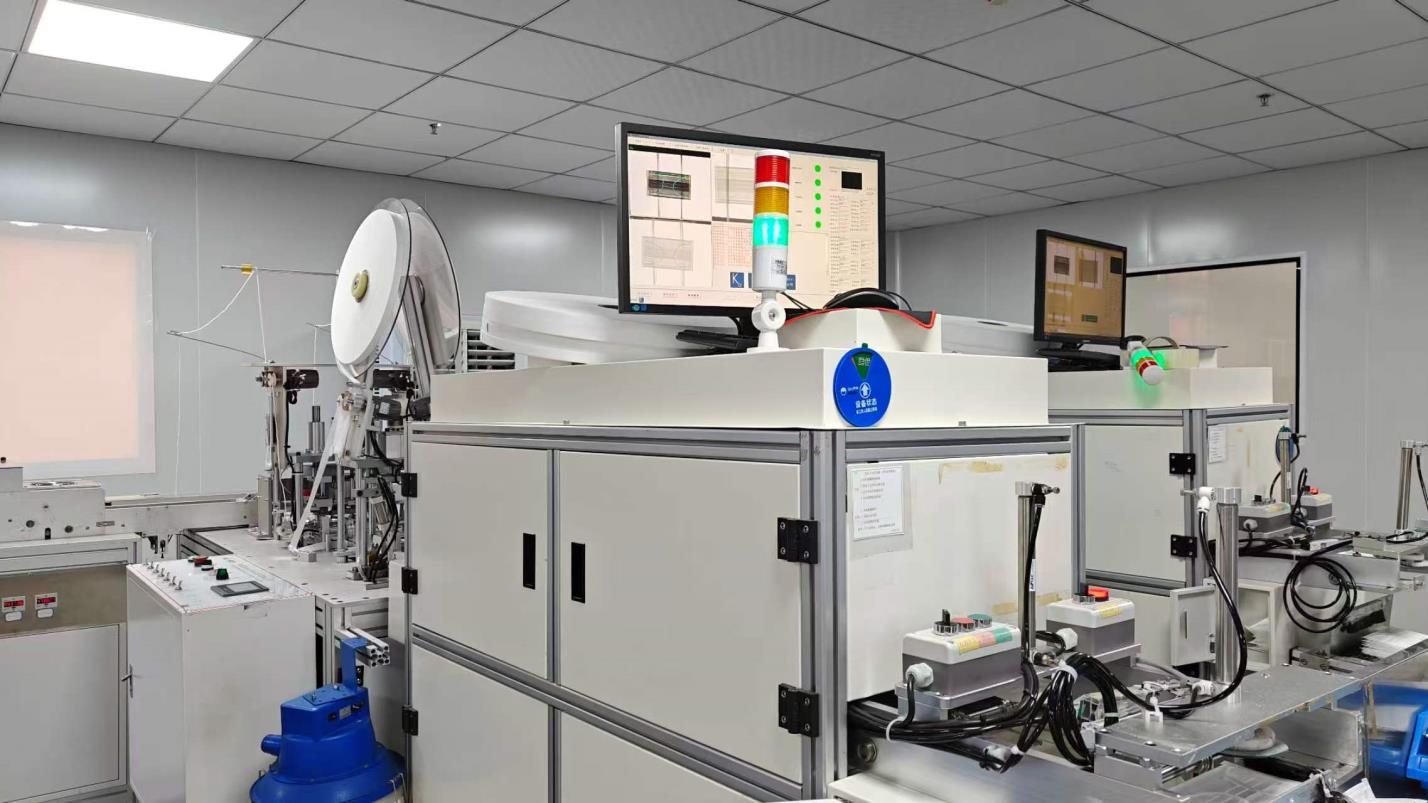
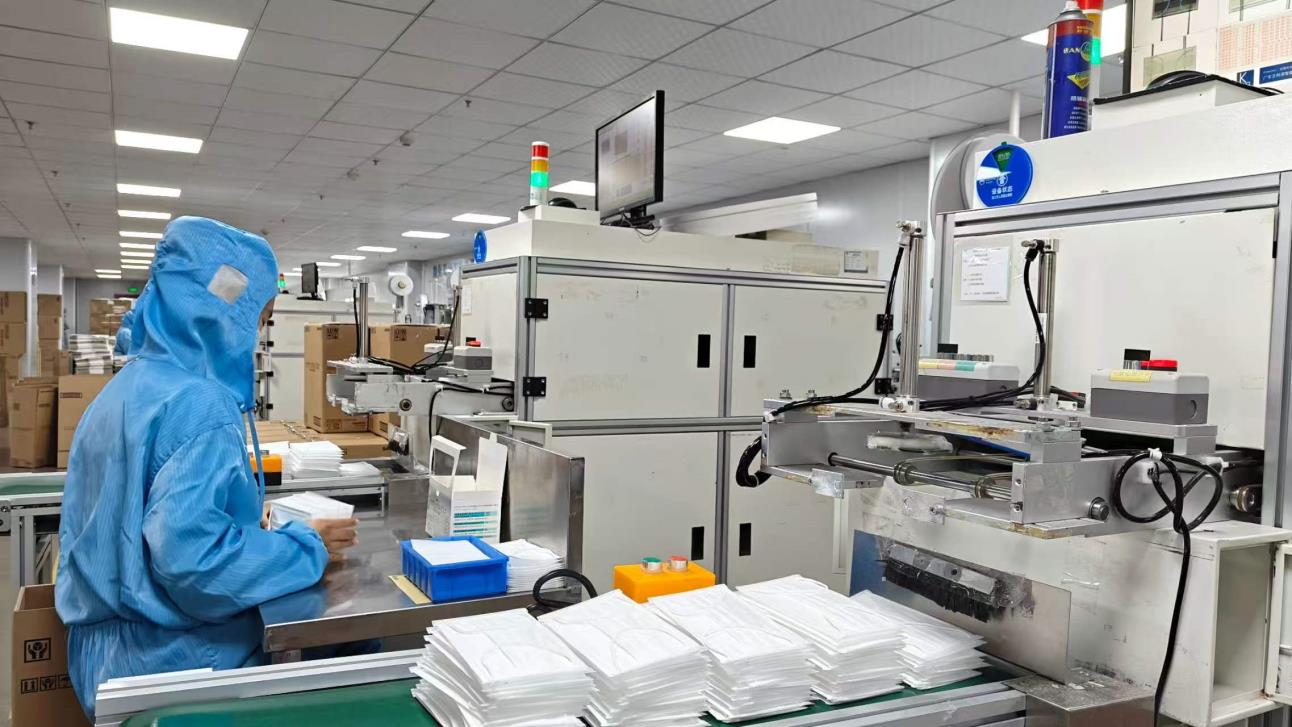
Moreover, top-tier Chinese manufacturers have moved past reliance on manual labor, implementing automated assembly lines featuring integrated visual defect inspection systems. These automated cells monitor injection molding, cannula assembly, structural epoxy bonding, siliconization, and final packing under strict environmental parameters. This level of automation keeps output defect rates to virtually zero, ensuring compliance with both European CE requirements and US FDA standards.
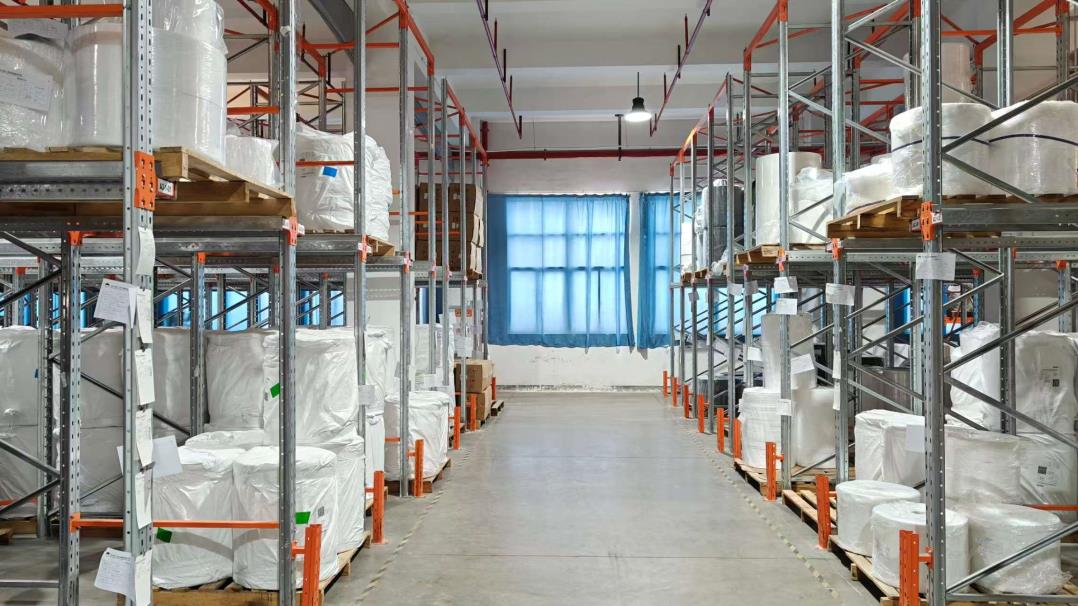
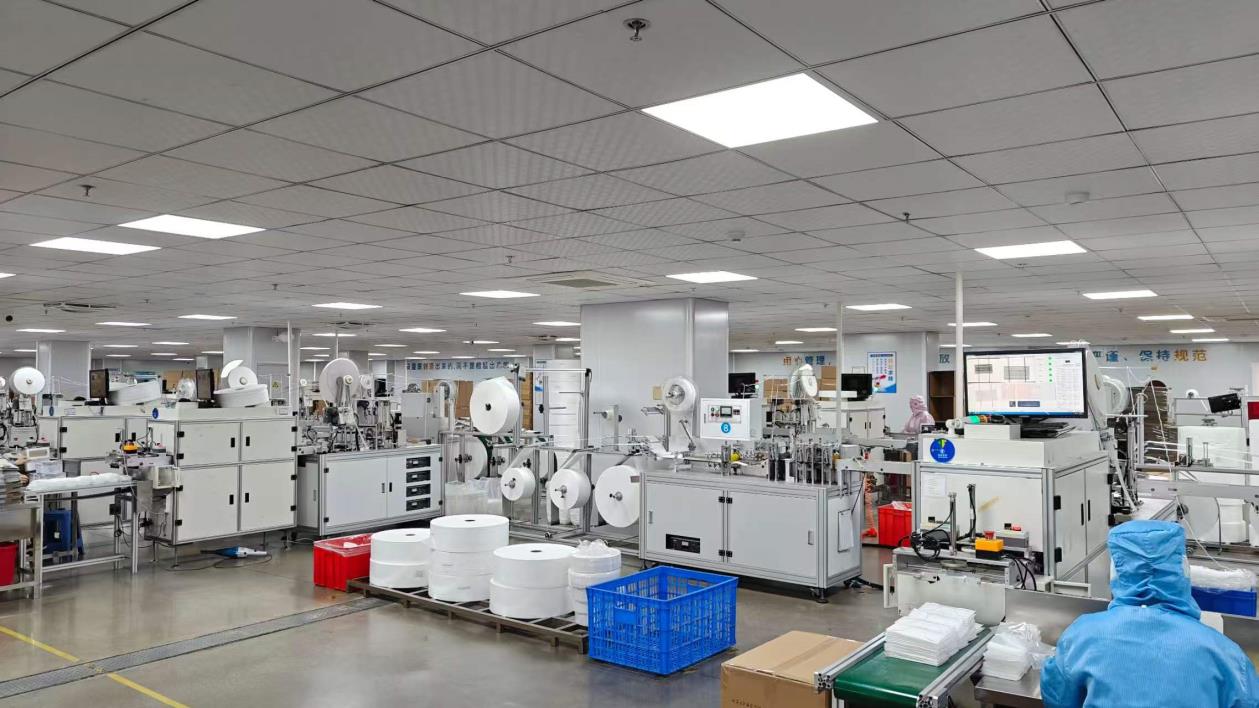
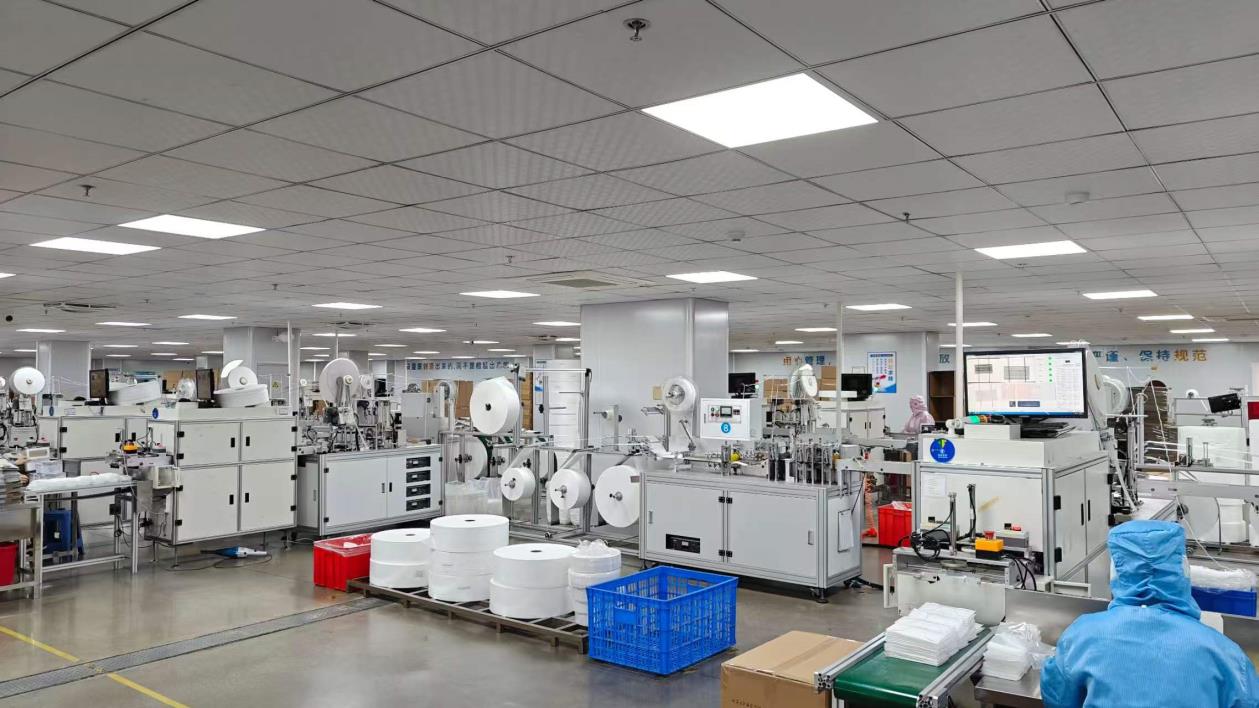
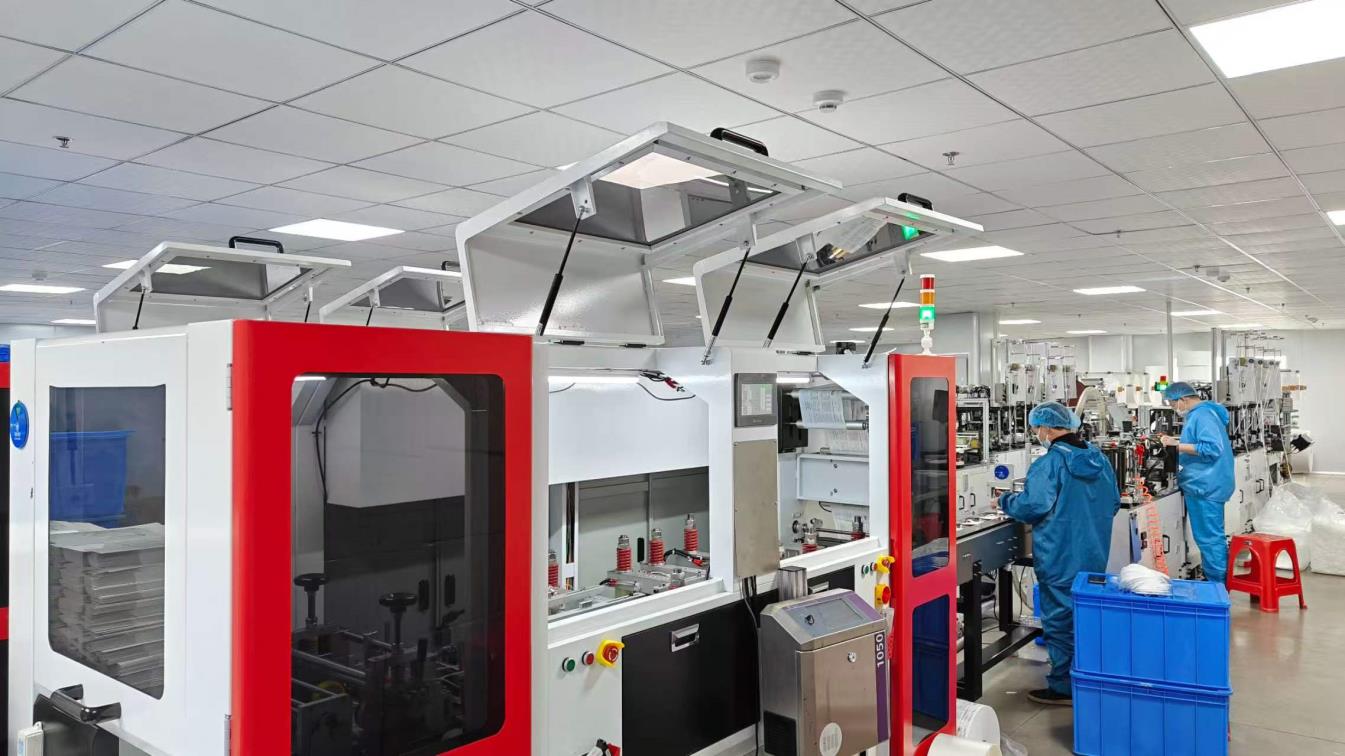
Advanced Production Line & Testing Laboratory

Take a closer look at our cleanroom infrastructure, automated machines, and comprehensive scientific quality control equipment.

About Our Factory

A trusted medical manufacturer specializing in premium personal protective gear and cleanroom-grade medical components.

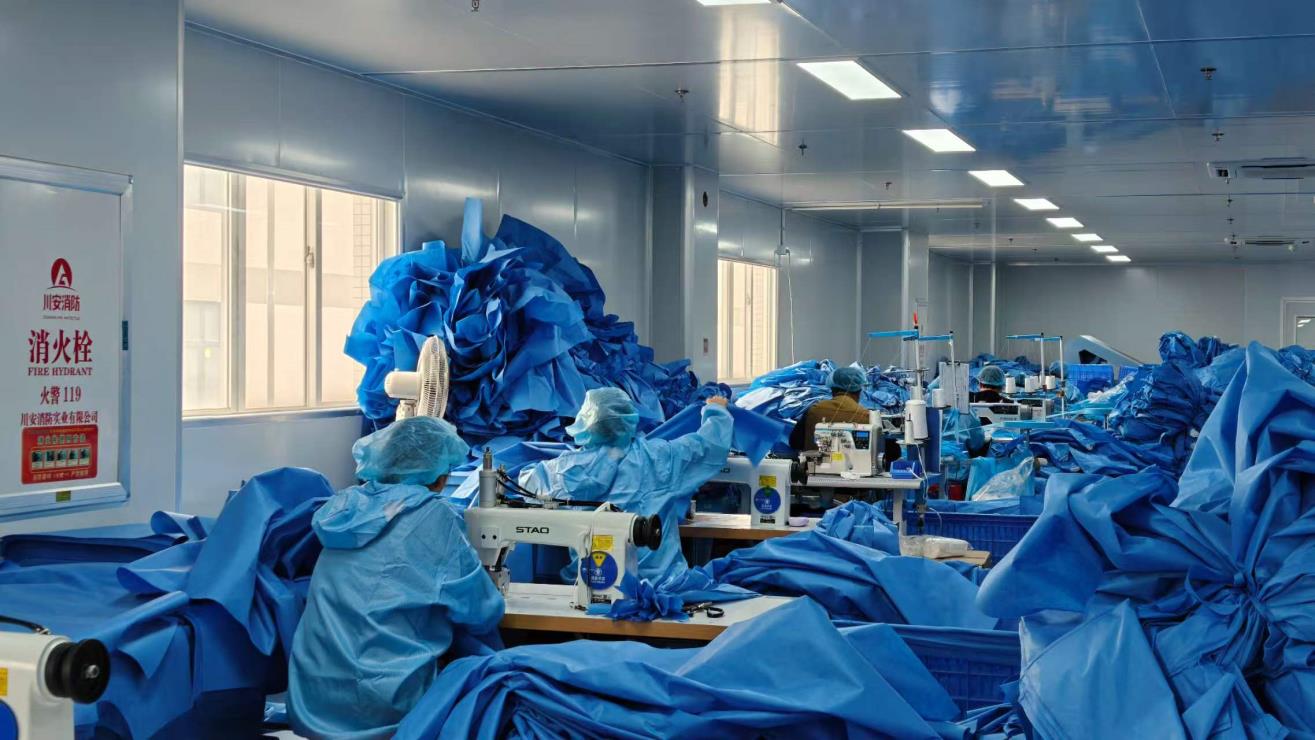
Our factory established in 2009 specialized in the field of disposable personal protective equipment for over 15 years. Today we have more than 500 employees. The company covers an area of more than 100,000 square meters and has a clean workshop of 6,000 square meters.

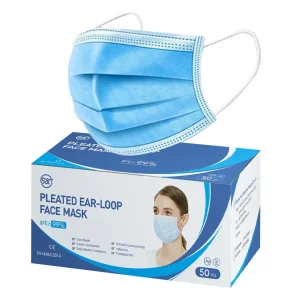
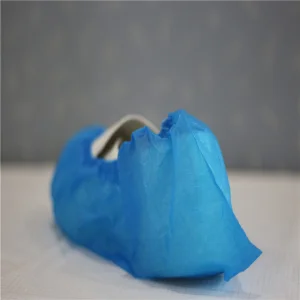
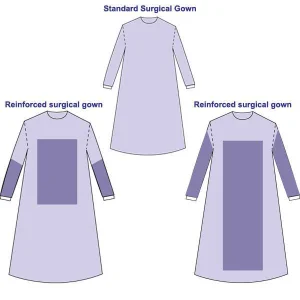
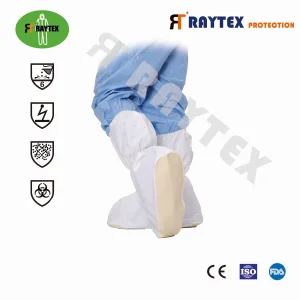
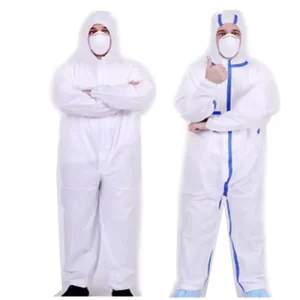
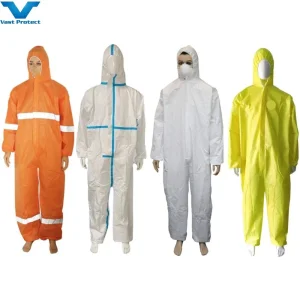
The factory mainly produces and sells non woven medical face masks, disposable coverall, surgical gowns, disposable shoes cover, disposable medical boot covers, disposable bed sheet, disposable caps, disposable lab coats, lab jackets, isolation gowns, scrub suits, aprons, sleeves cover, etc. For the better promising quality to our customers, our company has passed the factory audit report from ISO13485, CE. All our products meet the high levels of quality demand and conform to worldwide.

🛡️

ISO 13485

Medical Devices Quality

🇪🇺

CE Certified

Compliance with EU standards

🏢

6,000 Sqm

Class 100,000 Cleanroom

📈

15+ Years

Industry Experience

Localized Applications and Global Sourcing Demands

Disposable needle tips are tailored according to the physiological conditions of the injection site and the viscosity of the fluid. Major localized application scenarios include:

💉

Clinical Dermatology & Aesthetics

Requires ultra-thin wall (UTW) needles ranging from 30G to 34G. Micro-needle tips are engineered for mesotherapy, botulinum toxin injections, and dermal filler delivery, demanding minimal penetration resistance to reduce patient discomfort and post-procedure bruising.

🦷

Dental Local Anesthesia

Utilizes dental needles with double-bevel geometries and high flexibility. These must withstand lateral force during deep-tissue infiltration and nerve blocks in the oral cavity without fracturing.

🐾

Veterinary Medicine

Demands larger, highly durable gauges (typically 18G to 22G) to handle the thick skin of livestock and companion animals. Needs strong epoxy joints to prevent the needle from detaching if the animal moves suddenly.

Key Sourcing Demands for Global Healthcare Buyers

B2B procurement teams at global hospitals, pharmaceutical brands, and medical distributors follow strict parameters when selecting factories:

  • Biocompatibility and Non-Toxicity: Needle hubs must be molded using medical-grade polypropylene, and cannula bonding adhesives must be certified non-toxic and non-pyrogenic.
  • Penetration Force Metrics: Leading manufacturers use advanced siliconization testing instruments (such as synthetic skin penetration force testers) to ensure smooth insertion profiles.
  • Packaging Integrity: Individually sealed blister packs must feature sterile barrier paper to maintain sterilization integrity throughout their shelf life.
  • ISO Color Standard Conformity: Needle hubs must follow ISO 6009 color codes to prevent clinical errors.

Next-Generation Technology Trends in Needle Manufacturing

The disposable needle tip sector is rapidly evolving toward safety-engineered devices and precision micro-delivery systems. Future-proof factories are shifting their focus to:

  1. Safety-Shield Integration: Integrating active and passive shielding structures directly into the needle hub assembly to eliminate accidental needlestick injuries (NSIs) among healthcare workers.
  2. Ultra-Thin Wall (UTW) Configurations: Drawing steel tubes with larger inner diameters (ID) while maintaining standard outer diameters (OD). This design allows for the smooth flow of viscous therapeutics, like hyaluronic acid, while using finer needle sizes to minimize patient pain.
  3. Eco-Friendly Medical Materials: Transitioning to recyclable polypropylene formulations for hubs and protective caps, and developing halogen-free sterilization packaging to meet strict corporate ESG goals.

Frequently Asked Questions (FAQ)

Expert insights on the engineering, compliance, and custom ordering of disposable needle tips.

1. What raw materials are used in manufacturing disposable needle tips?
The cannula is manufactured from premium medical-grade 304 or 316L stainless steel, drawn to high tolerances. The hubs and protective shields are injection-molded from medical-grade virgin polypropylene (PP), which is non-toxic, non-pyrogenic, and chemical-resistant.
2. How do Chinese factories guarantee needle sharpness and minimize patient pain?
Leading factories utilize precision electrochemical grinding systems to produce 3-bevel or 5-bevel (pentapoint) geometries. Automated optical inspection (AOI) checks each bevel for burrs, and a thin coat of medical-grade silicone oil is applied to lower insertion force.
3. Which quality standards and certifications are mandatory for international exports?
Manufacturers must be certified under ISO 13485 for medical device quality management systems. Individual product ranges must carry CE markings for European markets, FDA clearance for the US, and comply with global sterility standards like ISO 11135 (Ethylene Oxide sterilization).
4. What is the standard ISO 6009 color-coding system?
ISO 6009 specifies standard color codes for needle hubs to quickly identify gauge sizes in clinical settings (e.g., 30G is yellow, 27G is grey, 25G is orange, 21G is green). This visual identification helps prevent medication errors.
5. What is the difference between Luer Lock and Luer Slip hub configurations?
Luer Lock hubs feature threaded designs that screw securely into the syringe barrel, preventing detaching under high fluid pressures. Luer Slip hubs use a friction-fit taper, allowing the needle tip to be quickly pushed onto the syringe barrel.
6. How do manufacturers test structural assembly and prevent detachment?
Factories perform destructive pull tests on automated testing equipment, checking the joint between the stainless steel cannula and the PP hub. High-performance epoxy resin adhesives are cured under controlled ultraviolet (UV) light to ensure strong bonding.
7. What is the standard sterilization process and shelf life of these products?
Sterilization is primarily achieved using Ethylene Oxide (EO) gas cycles. Residual EO levels are measured via gas chromatography to ensure safety. The standard shelf life is 3 to 5 years, provided the sterile blister packaging remains unopened and undamaged.
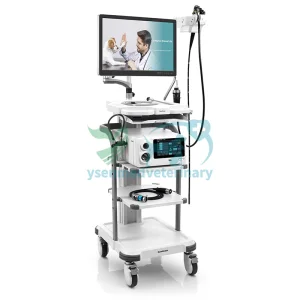
8. Can these needle tips be integrated with veterinary endoscopy systems?
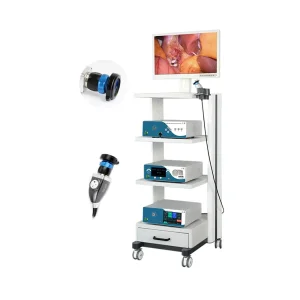
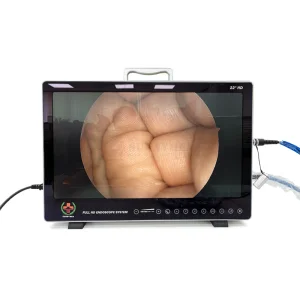
Yes, specialized long flexible injection needles are designed to slide through the working channels of veterinary endoscopy systems. These are crucial for targeted therapeutic delivery or sclerotherapy procedures in small and large animals.
9. How does Thin Wall (TW) and Extra Thin Wall (ETW) technology benefit injections?
Thin-wall technologies reduce the thickness of the steel tube wall, creating a larger inner diameter for a given outer diameter. This design allows for higher flow rates of high-viscosity medications and reduces the physical force needed to push the plunger.
10. What packaging configurations are available for bulk OEM/ODM contracts?
We offer individually sealed paper-plastic blister packs, rigid plastic cartridge sleeves for dental applications, and bulk non-sterile packaging configurations designed for medical kit manufacturers. Custom branding and sterile labeling are available.