Alhilal Healthcare Alhilal Healthcare
OEM/ODM Remote Patient Monitoring Devices Manufacturers & Factories

Global Clinical-Grade Telehealth Solutions: High-Precision Sensor Engineering, ISO 13485 Manufacturing, and Integrated Personal Protective Hardware

Featured Medical Equipment & Protection Systems

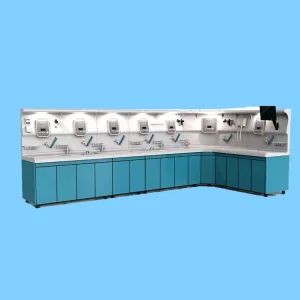
Ultimate Medical Device Sterilization System

Ultimate Medical Device Sterilization System for Superior Hygiene

View Details
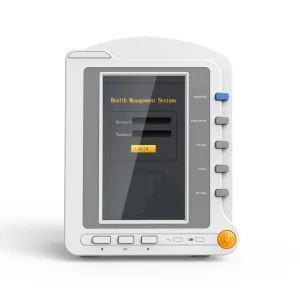
Portable 3G Wi-Fi Health Monitoring Device

Portable 3G Wi-Fi Health Monitoring Device with Multi-Language Support

View Details
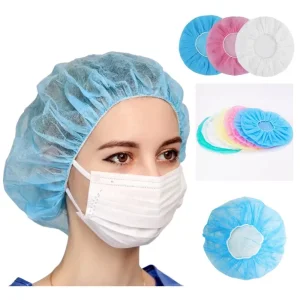
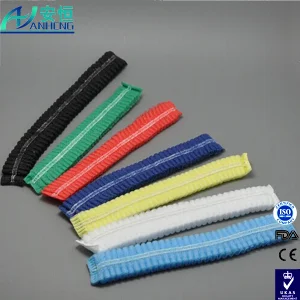
Disposable Colorful PP Non Woven Caps

Disposable Colorful PP Non Woven Mob Cap, Clip Cap and Strip Cap

View Details
Protective PPE Hairnet Head Cover

Protective PPE Hairnet Head Cover 21" 24" 10GSM 14GSM White Blue Red Pink Elastic Nonwoven PP Disposable Round Bouffant Cap

View Details
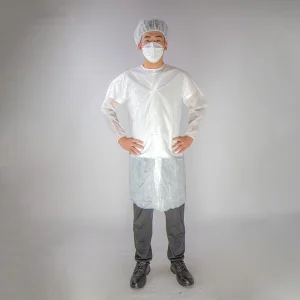
Factory Wholesale Cheap PP Lab Coat

Factory Wholesale Cheap PP 35GSM Non-Woven Lab Coat Disposable

View Details
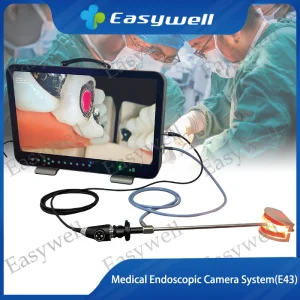
Easywell 3 in 1 4K Endoscopic Imaging System

Easywell 3 in 1 4K Endoscopic Imaging System E43 for Medical Endoscope

View Details
ODM Disposable PP Non Woven Bouffant Cap

ODM High Quality Disposable PP Non Woven Strip Bouffant Head Cover Hair Clip Cap

View Details
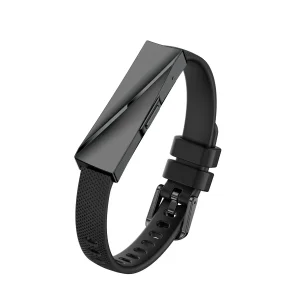
Screenless Smart Bracelet D01

Screenless Smart Bracelet D01 for Holistic Health Tracking and Smart Vital Monitoring

View Details

Global Procurement Analysis: Sourcing Class-II Remote Patient Monitoring Systems

In the rapidly evolving healthcare landscape, the integration of Remote Patient Monitoring (RPM) has shifted from an optional digital health extension to a foundational pillar of clinical operations. As hospital-to-home transitions become the standard pathway for chronic disease management, global medical enterprise procurement teams are faced with selecting contract manufacturers capable of delivering institutional reliability.

When sourcing OEM/ODM partners for diagnostic monitors, multi-parameter vital systems, or wearable smart health bands, sourcing departments must prioritize parameters beyond unit costs. The key requirements include:

Zero-Trust Data Security

Full integration of end-to-end data encryption (AES-256) at rest and in transit, complying directly with HIPAA, GDPR, and local cyber-security frameworks.

Biocompatibility Assurance

Device enclosures and wearables using medical-grade plastics and silicones tested under ISO 10993 guidelines to ensure patient safety over extended wear cycles.

Hybrid Smart Interfaces

Multi-protocol connectivity options (3G/4G/5G, BLE, Wi-Fi, and NB-IoT) that ensure seamless transmission from rural settings to clinical EHR platforms.

Seamless EHR Ingestion

API and SDK availability facilitating instant telemetry processing and formatting compatible with HL7 and FHIR clinical communication protocols.

2009
Established Year
100k+ ㎡
Industrial Footprint
6,000 ㎡
ISO Clean Workshop
500+
Expert Staff

About Us: A 15-Year Legacy of Medical Quality Excellence

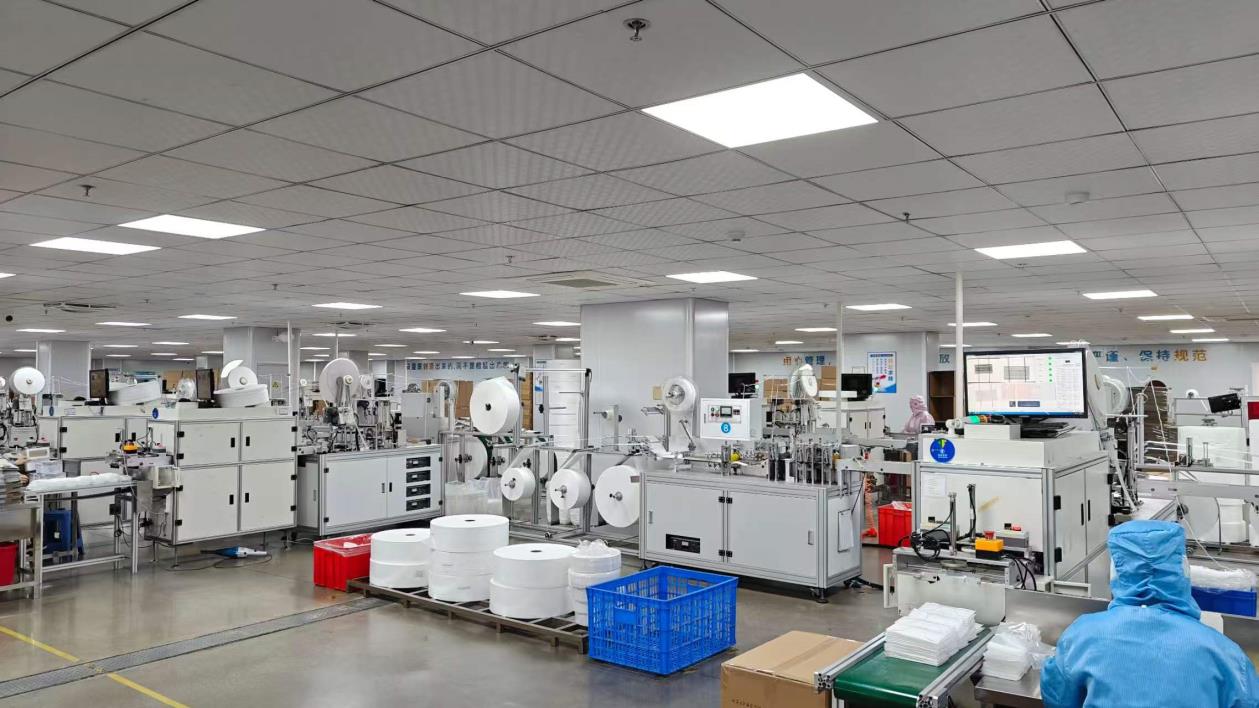
Our manufacturing facility, established in 2009, has specialized in the development and high-volume production of disposable personal protective equipment and clinical-grade medical configurations for over 15 years. Across our 100,000+ square meter facility, which houses a state-of-the-art 6,000 square meter ISO-certified clean workshop, we leverage automated machinery and strict material validation systems to supply global markets.

Historically known for producing elite non-woven medical face masks, disposable coveralls, surgical gowns, disposable shoe covers, medical boot covers, sheets, caps, and lab coats, our facility has consistently met international health protocols. Our ISO 13485 QMS and CE certifications reflect our commitment to regulatory compliance. Today, as the medical ecosystem demands integrated solutions that pair patient isolation barrier systems with smart telemetry monitoring, we offer comprehensive manufacturing loops. This allows us to serve healthcare providers with both physical PPE and smart monitoring electronics from a single, trusted supply chain source.

Macro-Level Solutions for Institutional Healthcare Providers

Integrating wearable diagnostics with clinical facility management requires an understanding of diverse institutional needs. We optimize our production protocols to address three primary care challenges:

1. Chronic Disease Management Systems (Hypertension, COPD, Diabetes)

Our ODM platforms provide continuously connected monitoring options, including cellular and Wi-Fi blood pressure monitors and multi-wavelength pulse oximeters. By engineering energy-efficient hardware capable of autonomous reporting, we help providers lower hospital readmission rates.

2. Post-Discharge Remote Care & Acute Patient Recovery Programs

Using continuous telemetry monitors and wearable bracelets with fall detection and cardiac tracking, we provide step-down clinical care. Patients can return home safely while remaining connected to hospital command centers.

3. Clinical Trial Integration & Quantitative Research Protocols

We supply research consortiums with custom-calibrated devices that support direct, raw sensor data export. This approach bypasses restrictive proprietary algorithms to ensure data integrity and traceability for validation studies.

Technical Roadmap & Future Outlook of Remote Monitoring

The future of clinical remote monitoring lies in the convergence of edge computing, advanced materials, and machine learning models integrated directly onto microcontrollers. Our R&D department is actively executing on the following technical pathways:

Edge AI Diagnostics

Moving cardiac anomaly identification and respiratory distress calculations to the device level, minimizing network payload sizes and improving response times.

Multi-Spectral Sensors

Integrating multi-wavelength photoplethysmography (PPG) arrays to enable non-invasive tracking of blood pressure indices, hydration metrics, and oxygen saturation.

Ultra-Low Power Architectures

Utilizing advanced chip designs and specialized sleep-state algorithms to extend the battery life of clinical wearables up to 14 days on a single charge.

Industrial Infrastructure & Testing Instrumentation

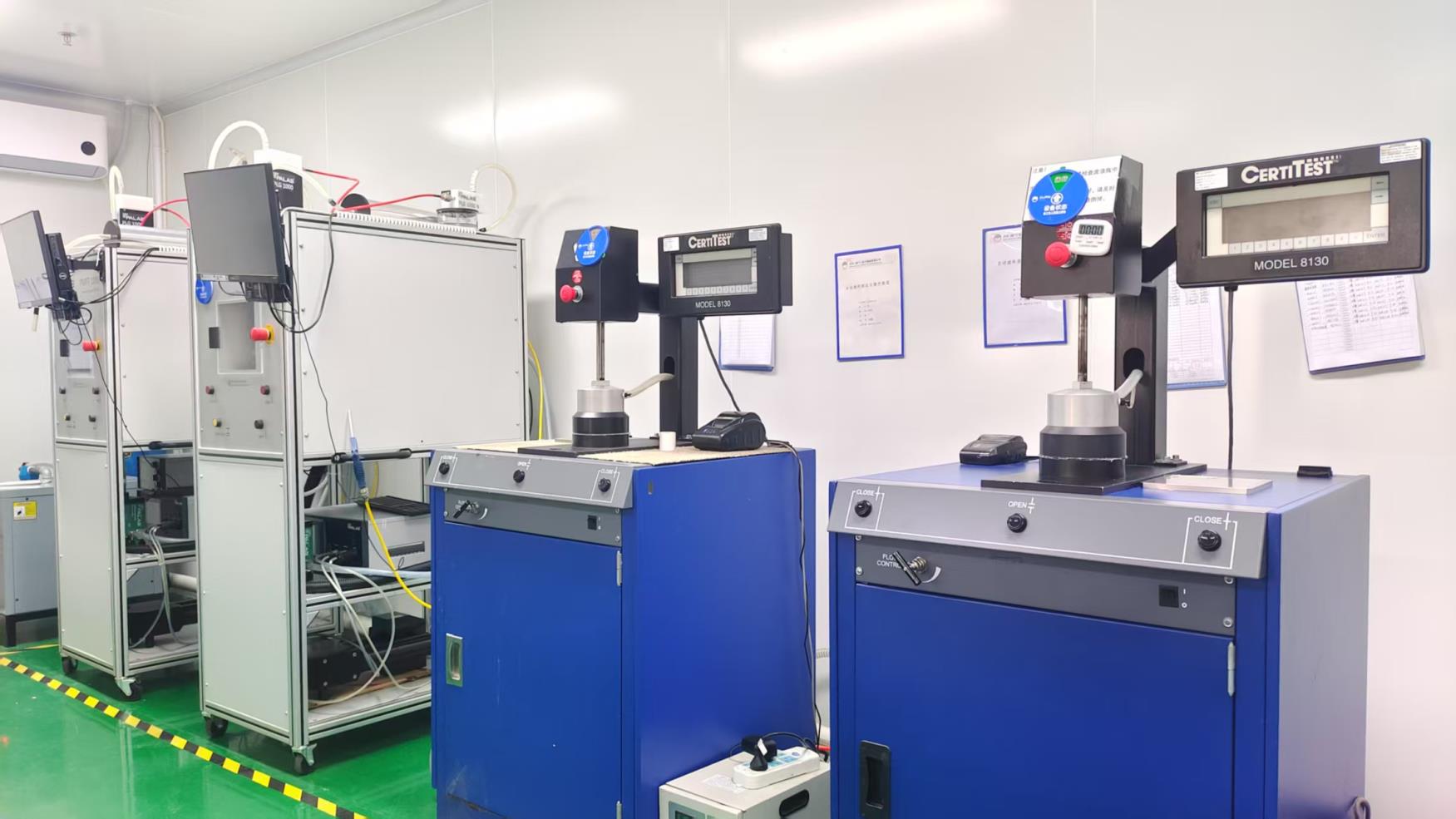
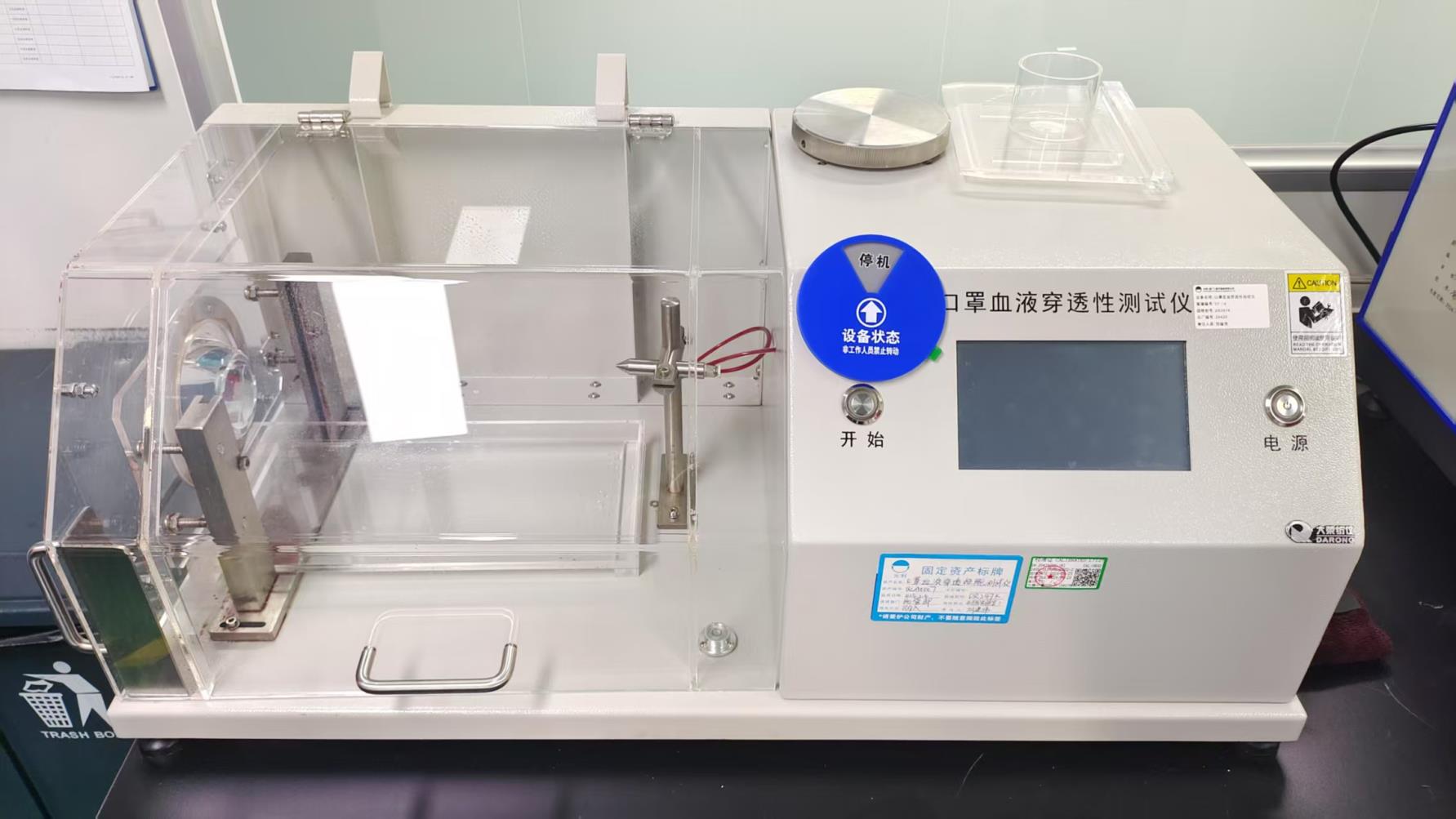
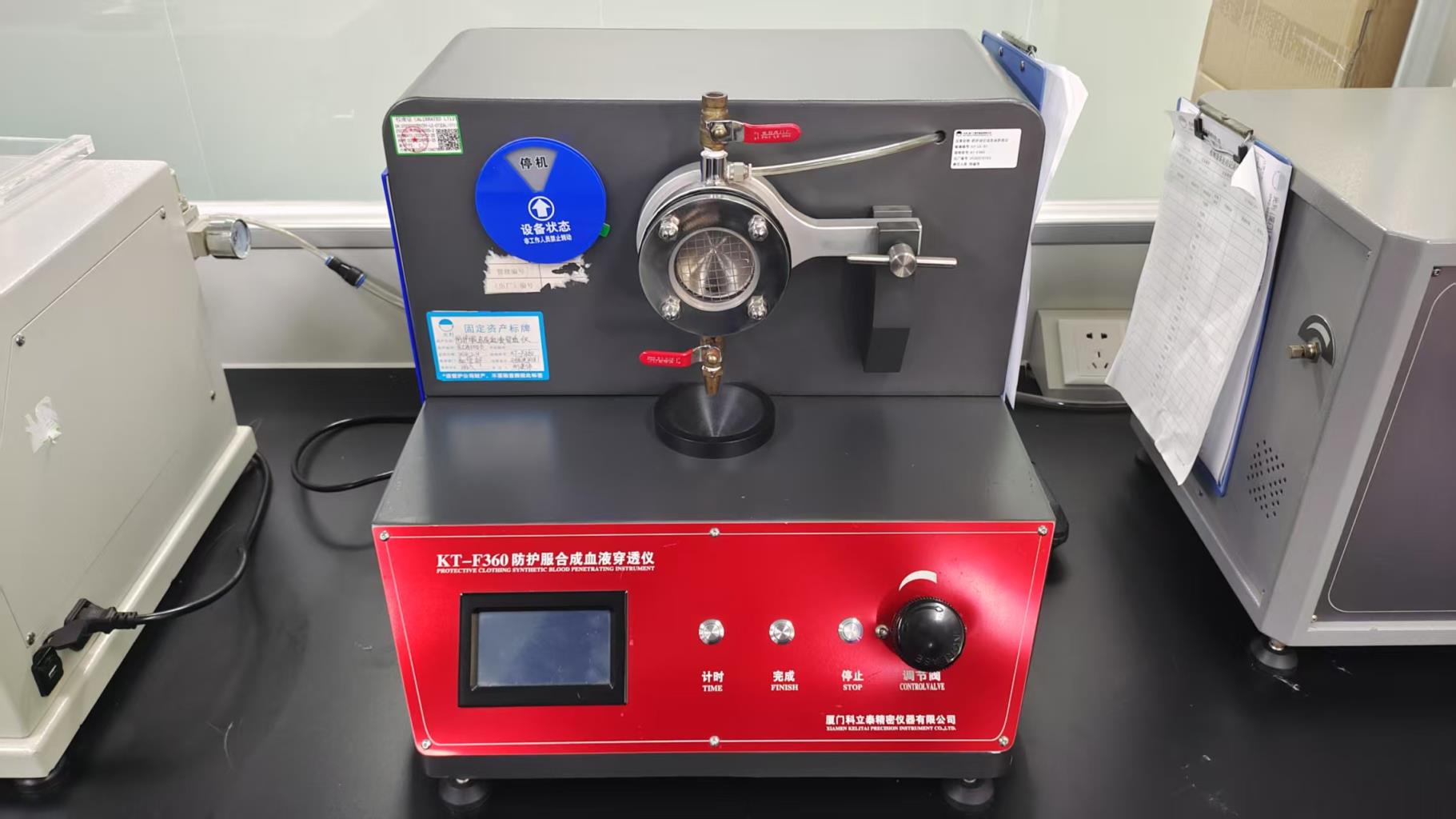
Quality assurance is verified within our testing facilities. Every material batch, smart bracelet chassis, and sterile medical gown undergoes evaluation using specialized instruments to guarantee conformity with global standards:

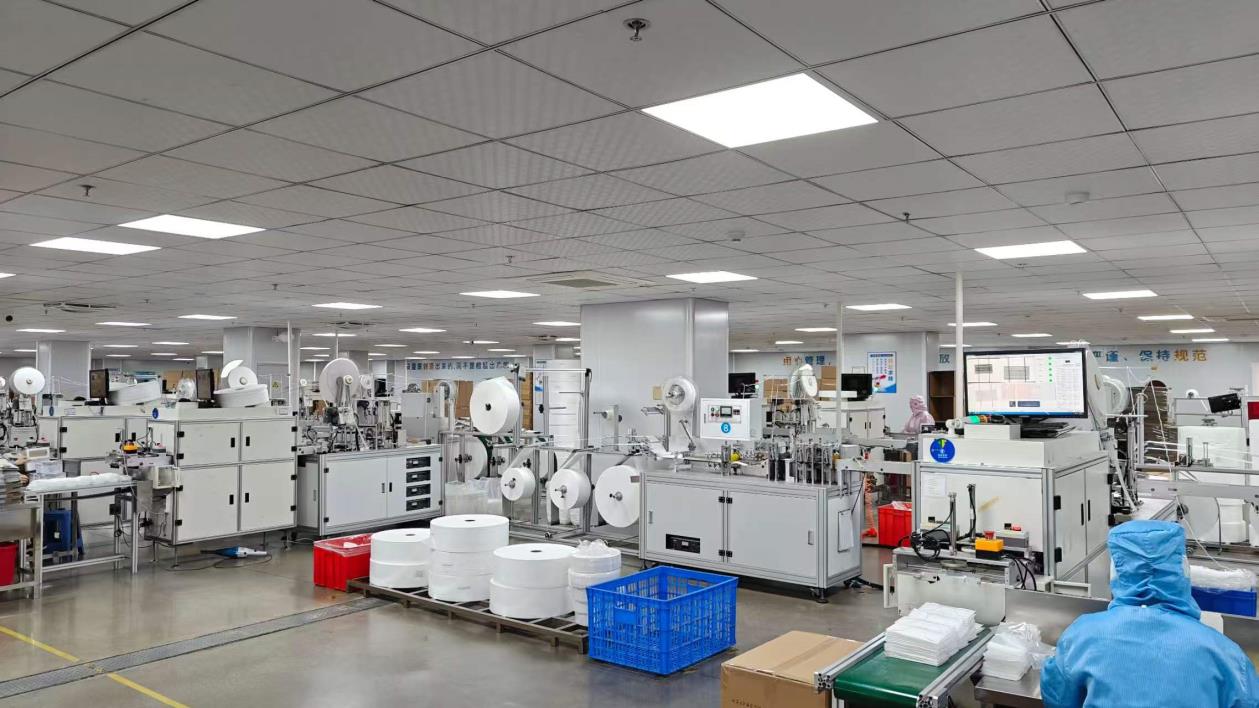
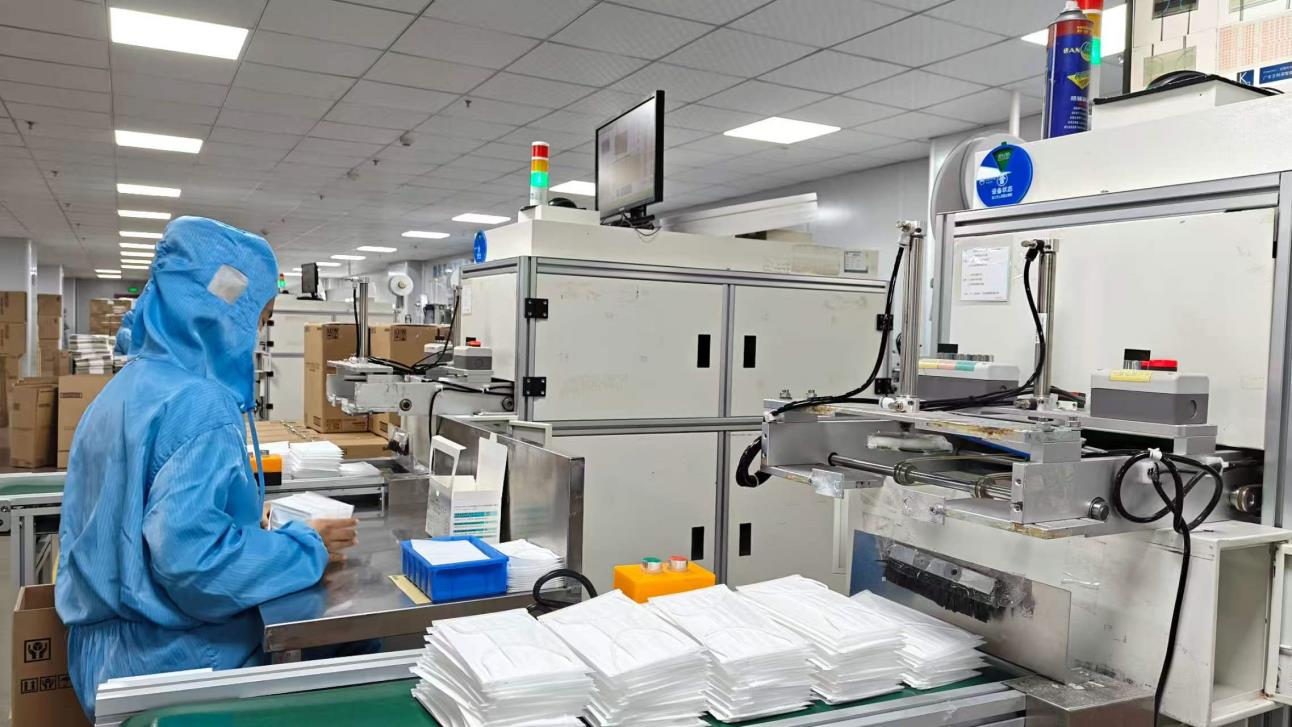
Raw Materials Control
Incoming Raw Materials Validation
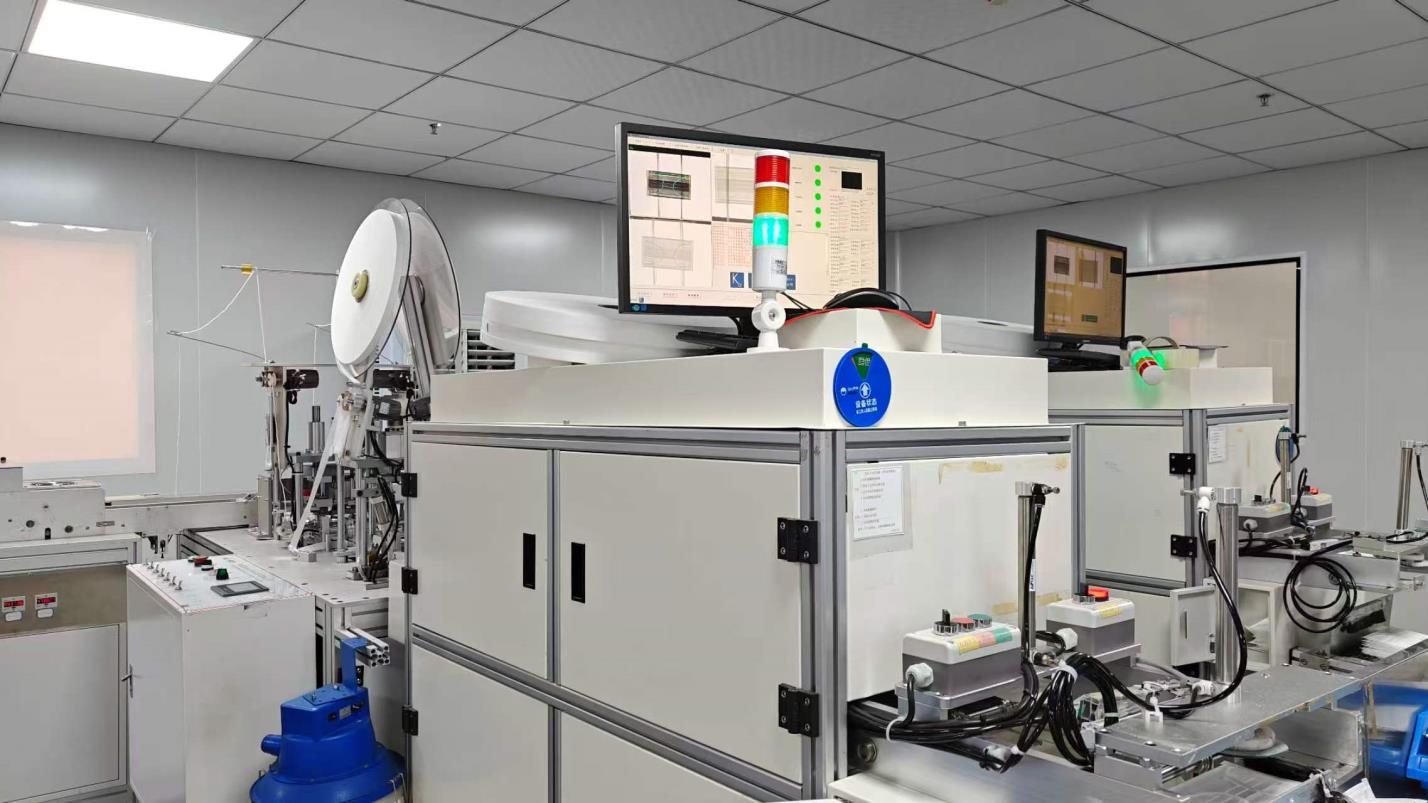
Automatic Production
High-Speed Automatic Production
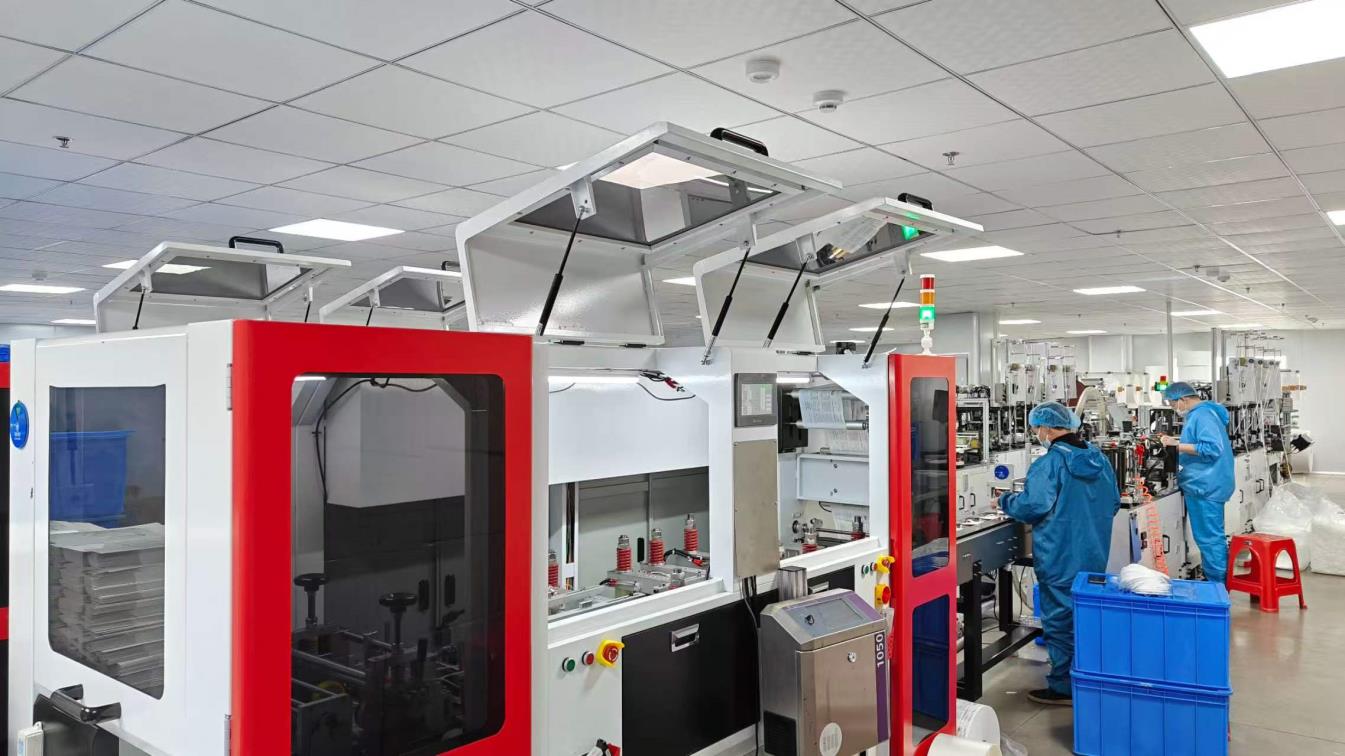
Automatic Detecting
In-line Automated Optical Detection
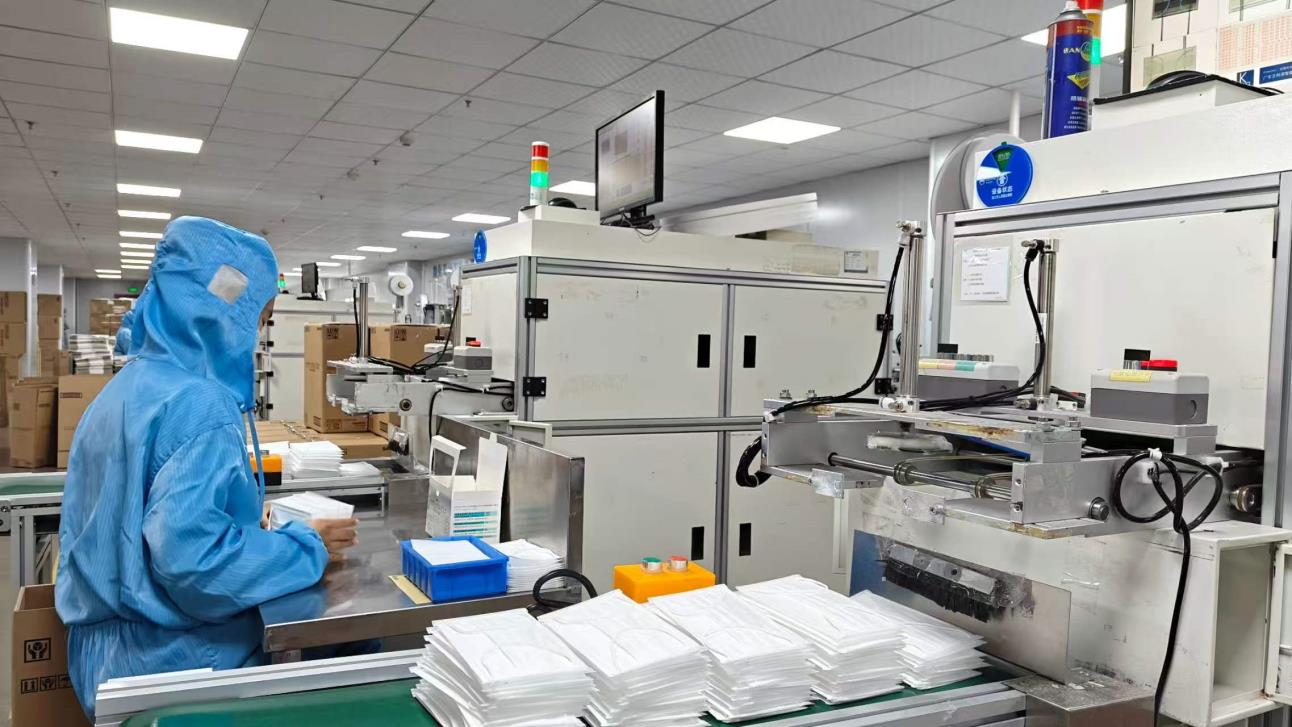
QC Inspection & Packaging
QC Inspection & Sterile Packaging
Flat Face Mask Machine
Automated Flat Face Mask Line
KN95 Face Mask Machine
High-Precision KN95 Mask Line
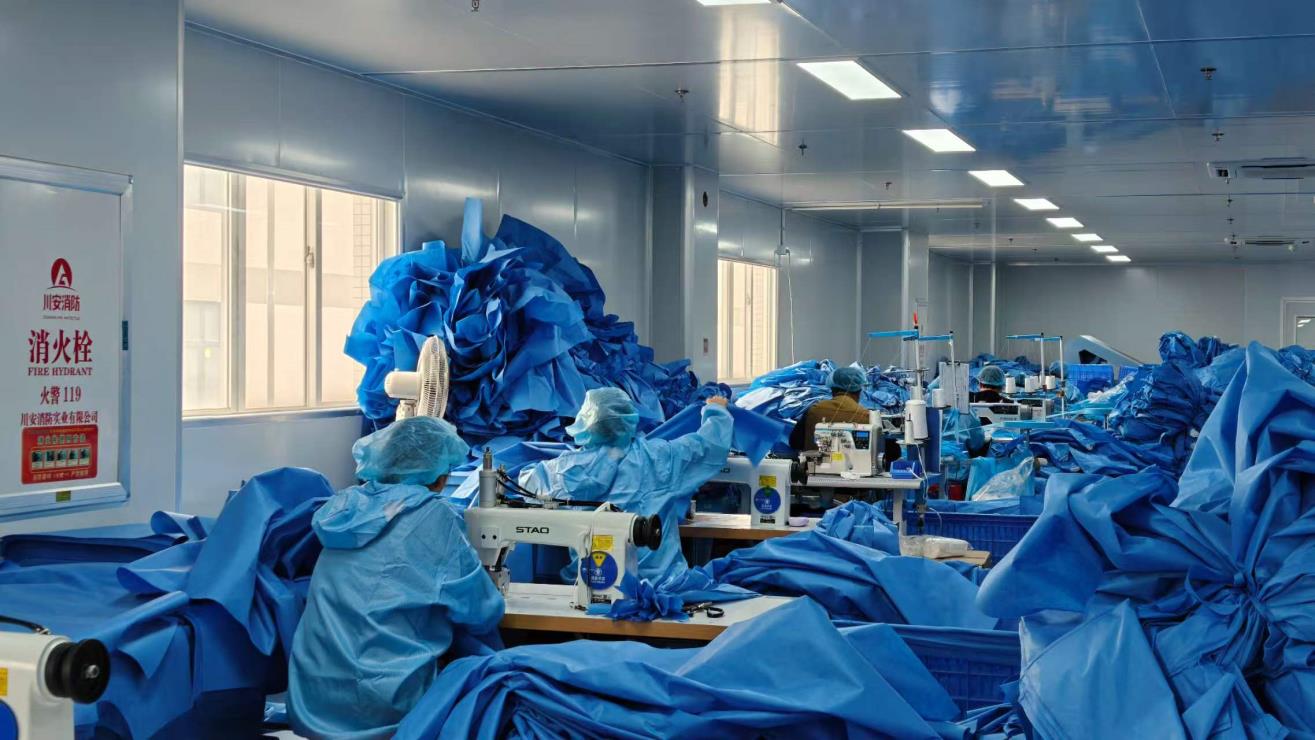
Sewing Machine
Reinforced Surgical Gown Assembly
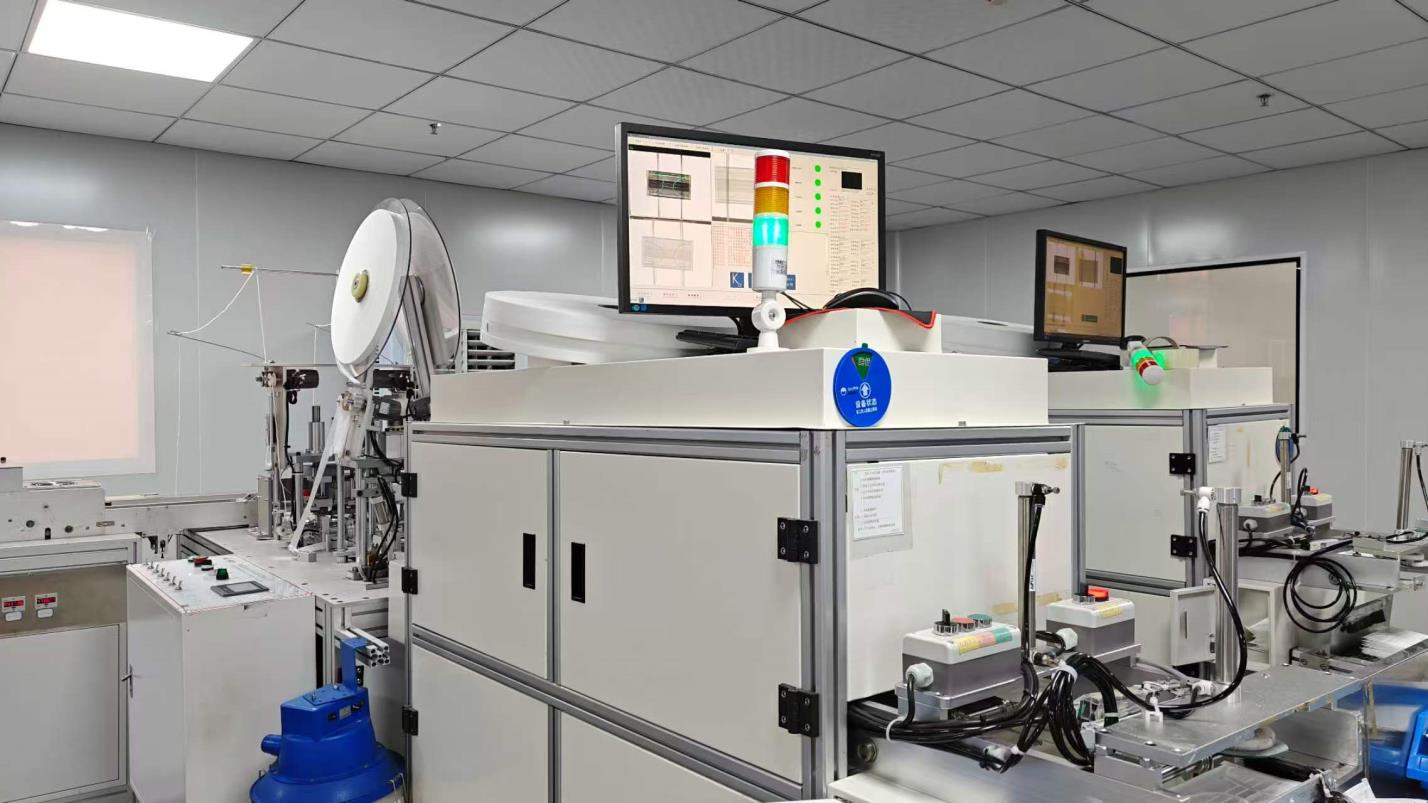
Auto Detecting
Optical Inspection Loops
QC Inspection
Physical Calibration Labs
Protective Mask Filter Tester
Filter Penetration Testing
Blood Penetration Tester
Synthetic Blood Penetration Testing
Synthetic Blood Penetrating Instrument
Gown Hydrophobic Barrier Tester
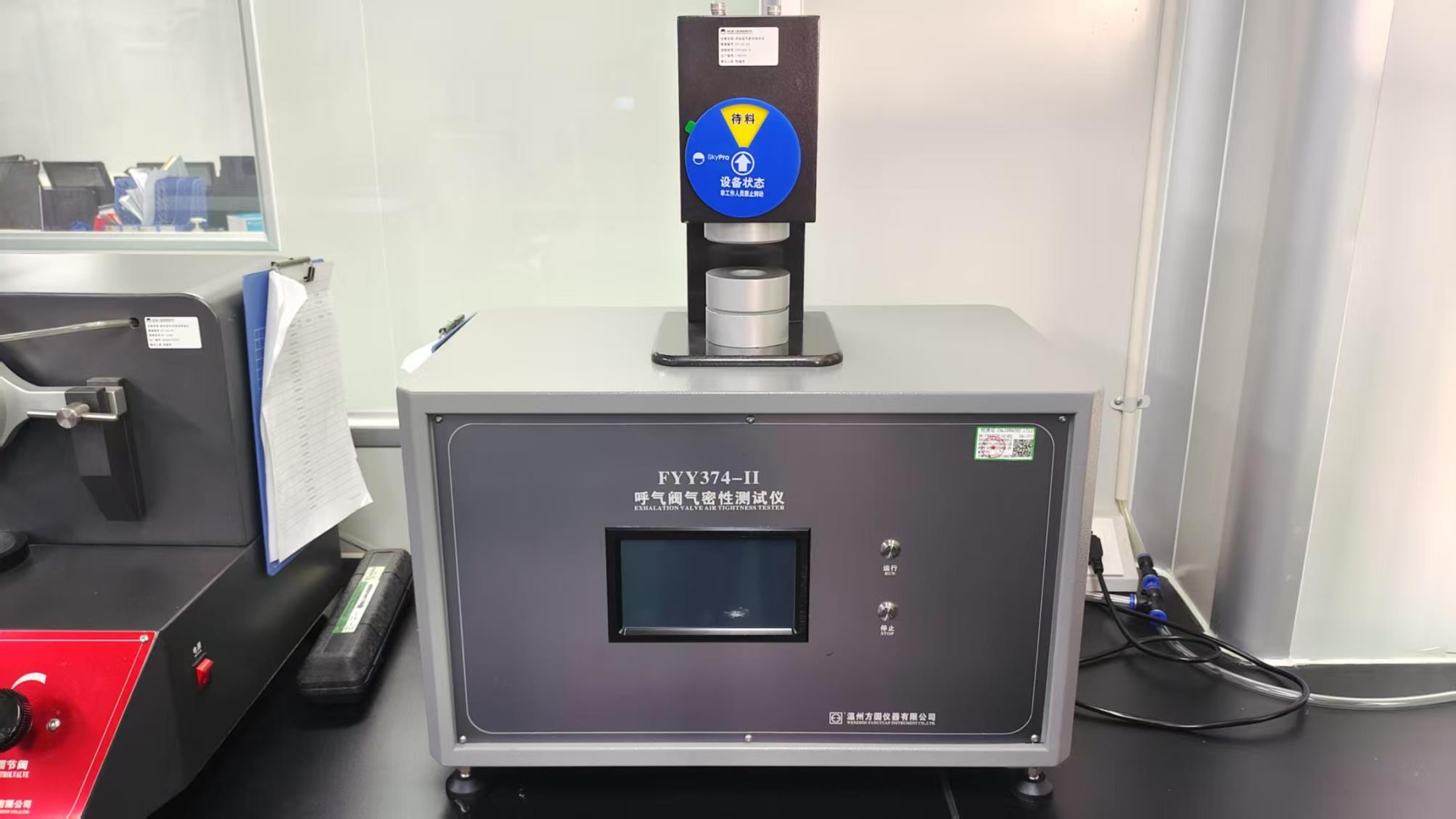
Exhalation Valve Air Tightness Tester
Valve Leakage & Sealed Flow Verification
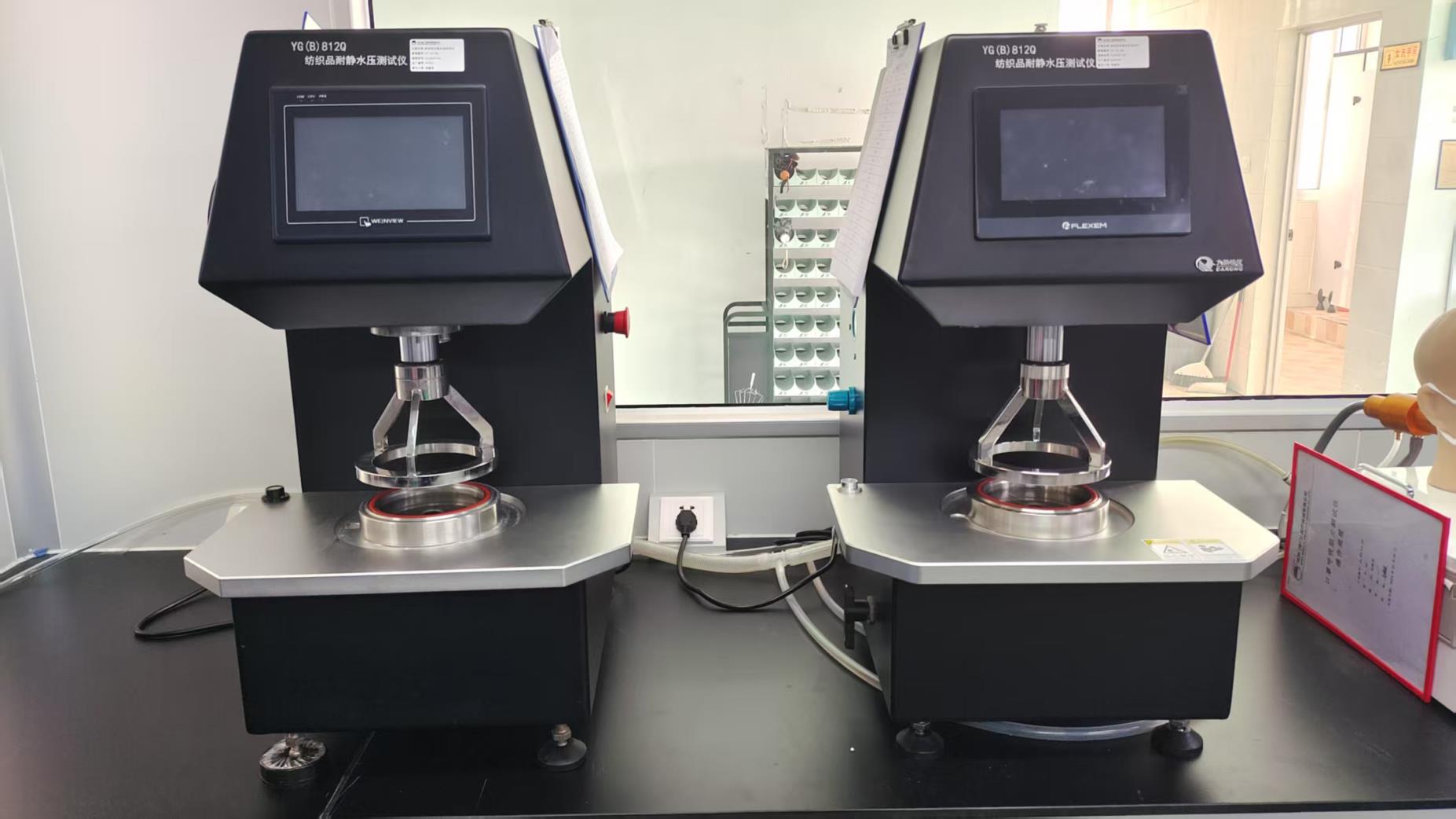
Textile Hydrostatic Pressure Tester
Hydrostatic Resistance Testing
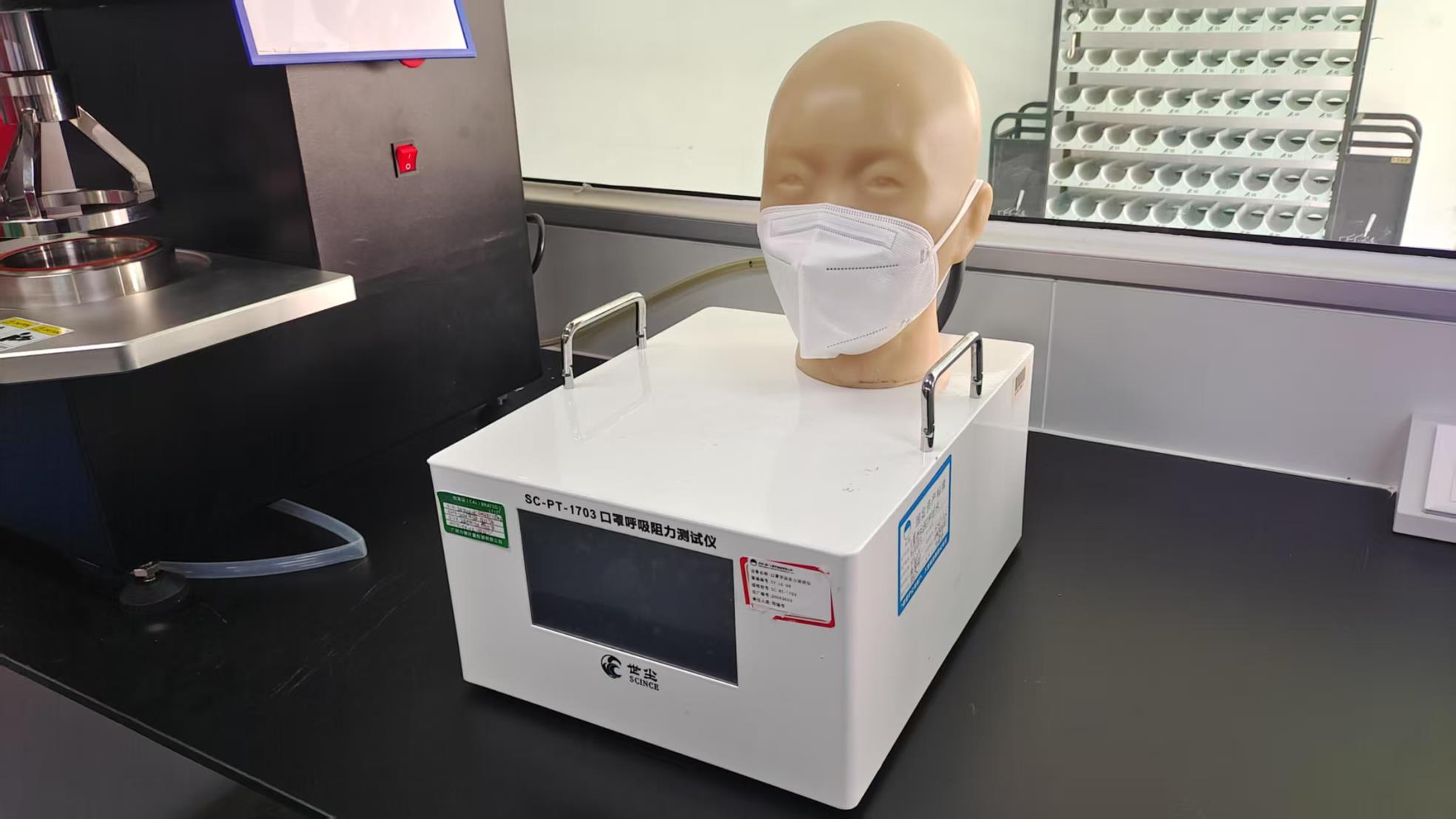
Face Mask Respiratory resistance tester
Differential Pressure Flow Profiler
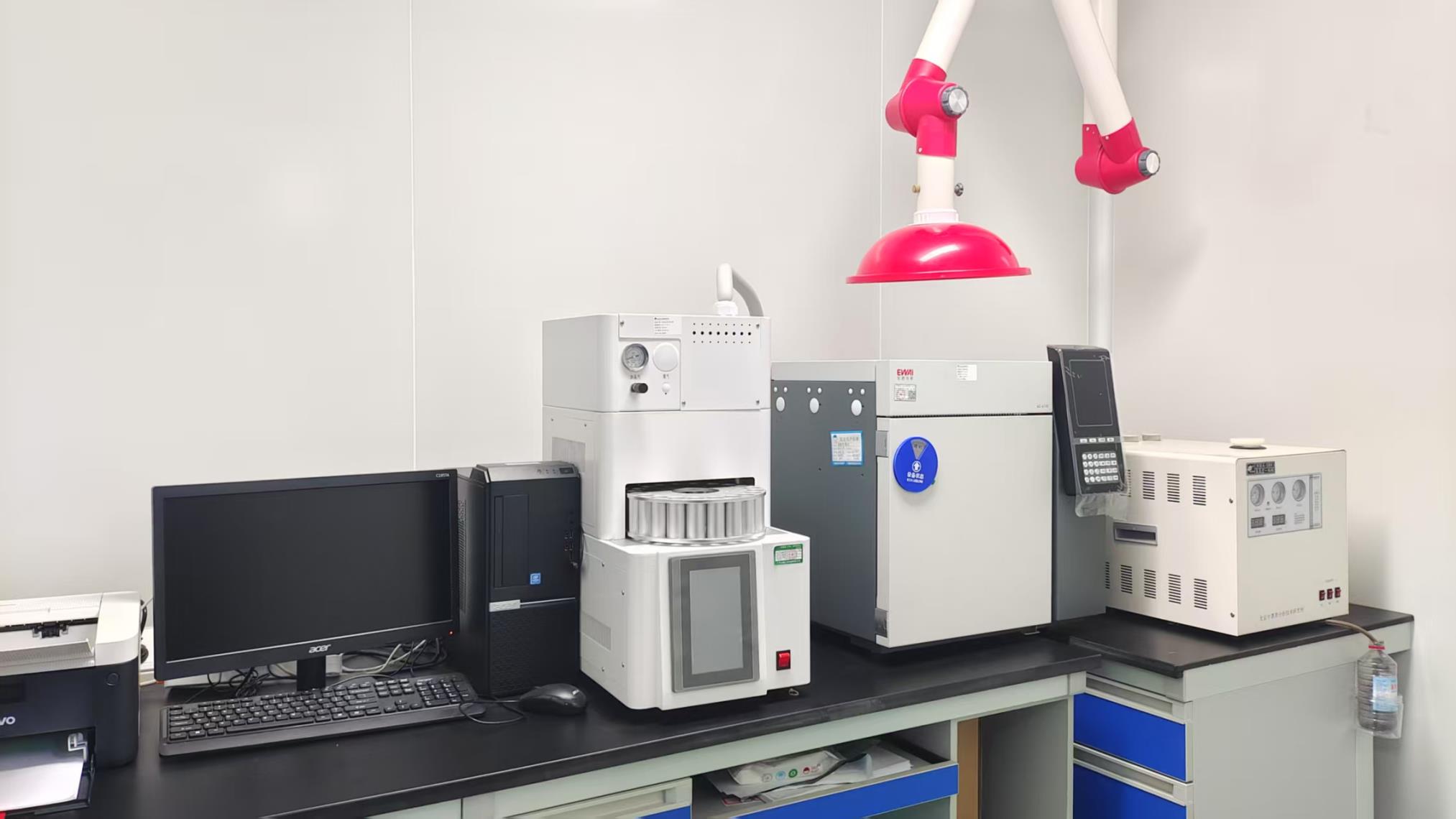
Gas Chromatograph
Gas Chromatography (EO Residual Testing)
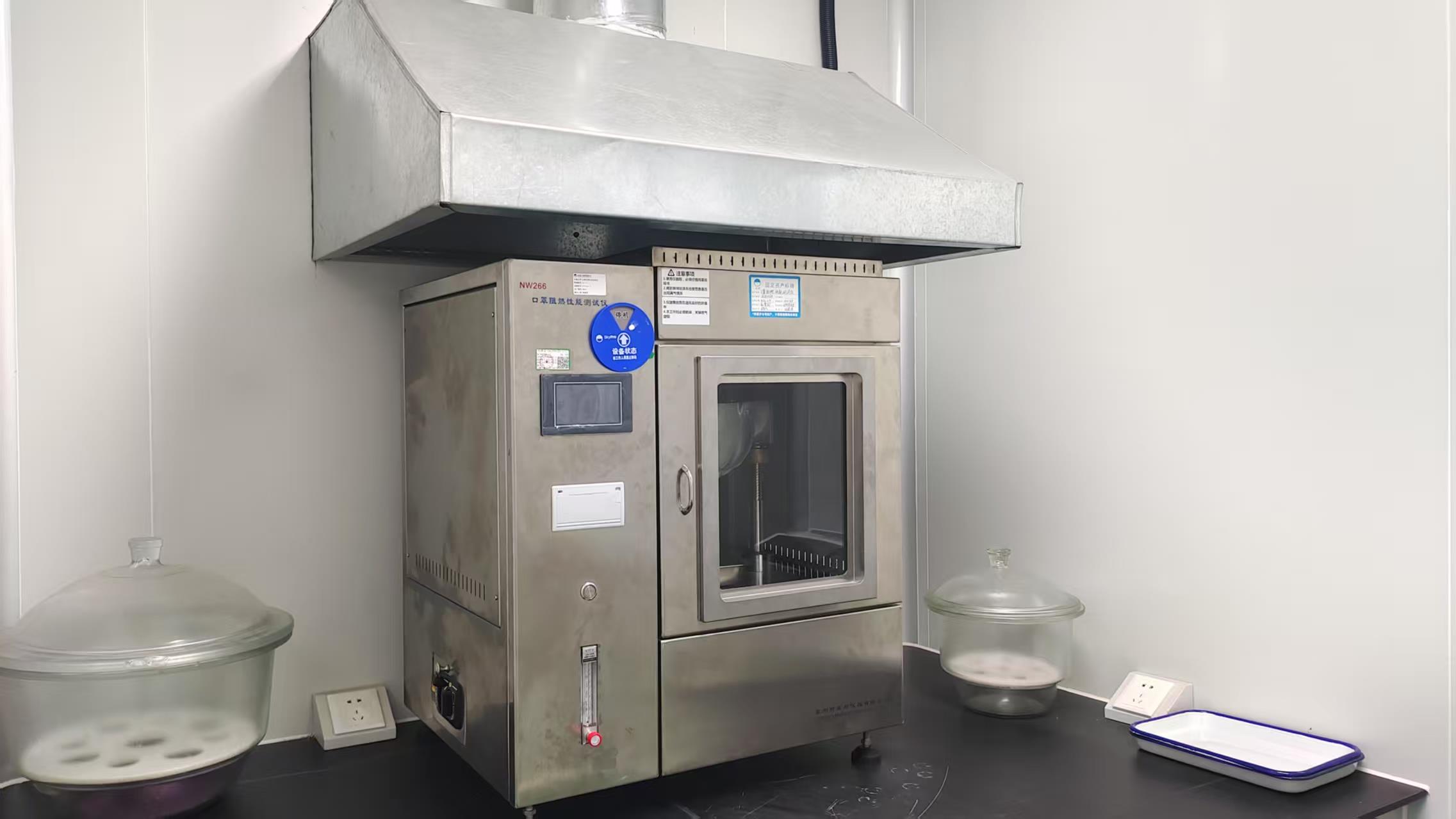
Flame Resistance Tester
Flame Propagation Analysis
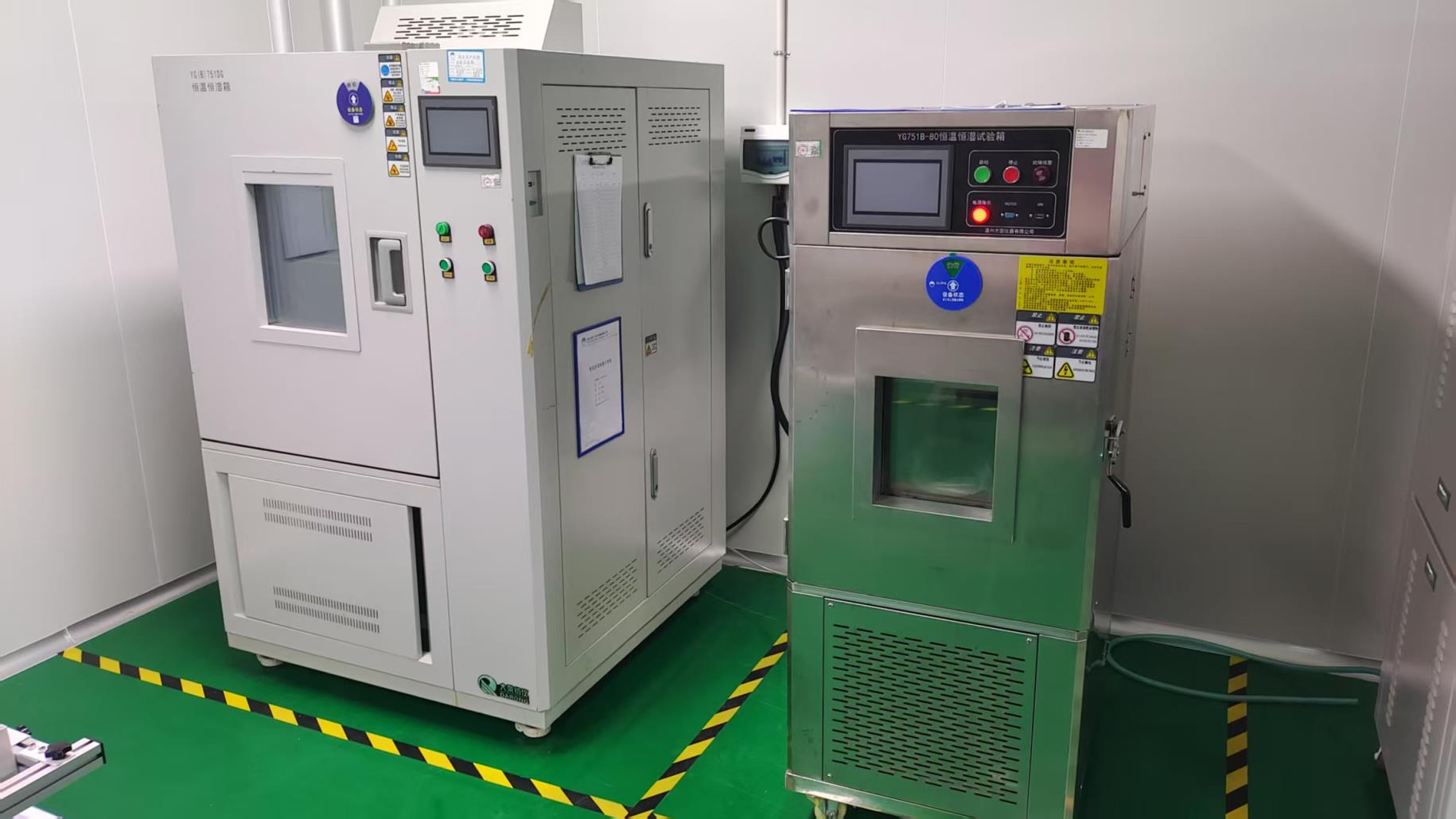
Constant Temp. & Humi. Tester
Environmental Aging Chamber
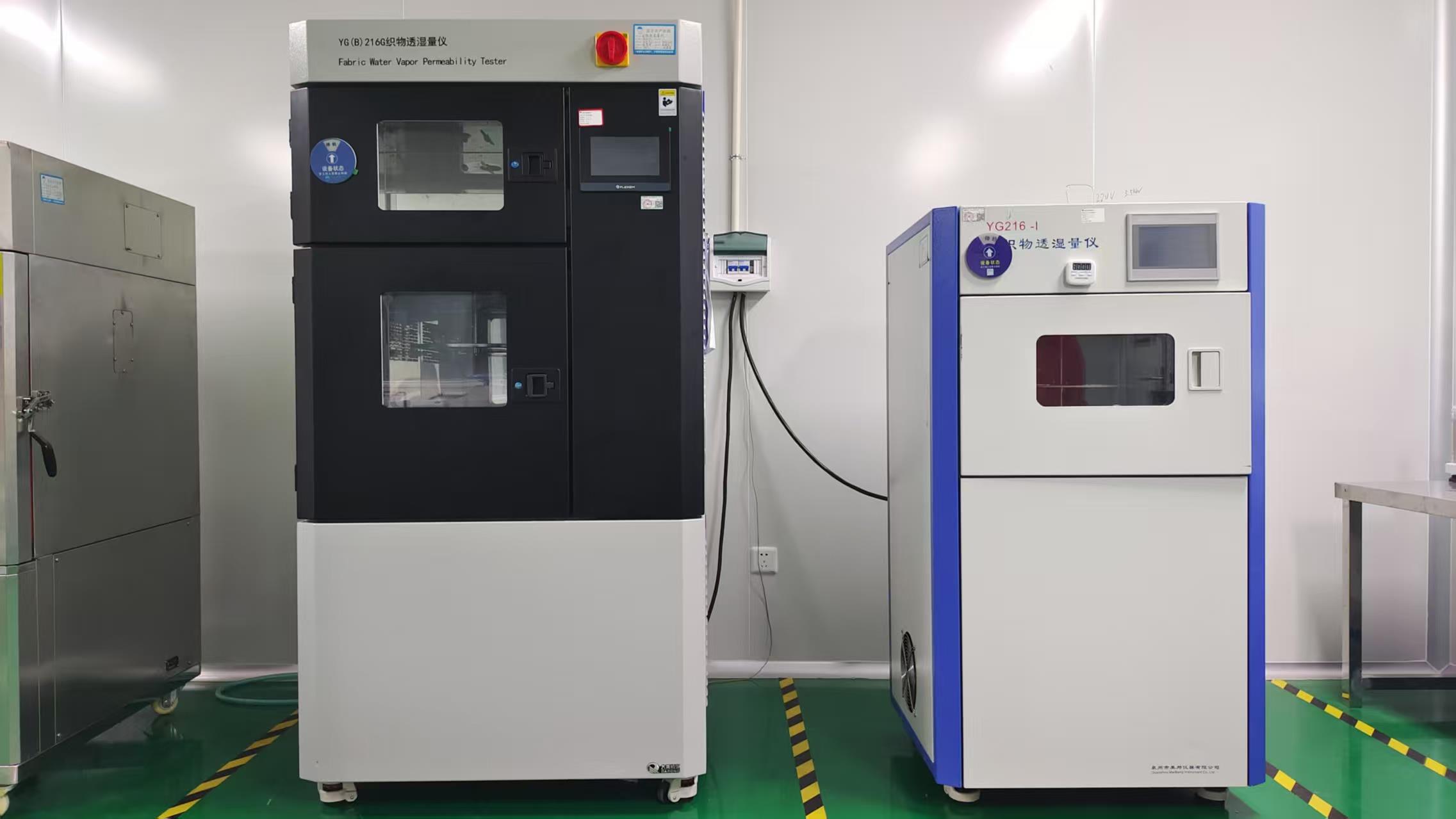
Fabric Water Vapor Permeability Tester
Material Breathability & Transmission Rate Analyzer

Localization & Global Regulatory Compliance Protocols

Deploying telehealth ecosystems globally requires adherence to local medical market guidelines. Devices manufactured in our facility undergo strict processes to ensure compliance with the following:

North America

Support for FDA 510(k) preparation, FCC Class B certification for RF transmissions, and adherence to HIPAA data confidentiality requirements.

European Union

Alignment with EU Medical Device Regulation (MDR 2017/745), CE marking processes, and compliance with GDPR data privacy controls.

Asia-Pacific

Registration support for NMPA (China), PMDA (Japan), and regional regulatory bodies, alongside multi-protocol localization.

Frequently Asked Questions: Remote Patient Monitoring Manufacturing

Explore clear, technical insights regarding our OEM/ODM design engineering, cleanroom capabilities, compliance certifications, and system integration options.
Q1: What certifications do your factories hold for medical device manufacturing?
Our facilities are fully certified under ISO 13485 (Medical Devices Quality Management Systems) and have passed comprehensive audits for CE markings. All operations in our 6,000 square meter Class 100,000 cleanroom adhere strictly to CGMP guidelines. Additionally, our testing labs utilize high-end testing instruments (Gas Chromatography, Synthetic Blood Penetration, Hydrostatic Pressure testers) to verify the compliance of our products.
Q2: Do you support custom firmware development and API/SDK integrations?
Yes. As a comprehensive OEM/ODM provider, we provide fully documented SDKs and APIs for our smart connected health bracelets and multi-parameter vital signs monitors. We offer protocol configuration support for custom server redirection, ensuring data is formatted natively for integration into EHR databases via HL7 and FHIR pipelines.
Q3: How do you guarantee biocompatibility for wearable devices and sensor enclosures?
We construct device casings and wearable bands using medical-grade silicones, polyurethanes, and thermoplastic elastomers that have passed ISO 10993 cytotoxicity, sensitization, and intracutaneous reactivity evaluations. This minimizes the risk of dermatological irritation during continuous monitoring programs.
Q4: What sterilization methodologies do you employ for hospital-grade equipment?
We utilize Ethylene Oxide (EO) sterilization chambers as well as Gamma Radiation processing for sterile barrier kits. Every sterilized production lot undergoes validation using gas chromatography to confirm residual EO levels are below FDA and European Harmonized limits before release.
Q5: How do you handle intellectual property (IP) and proprietary firmware protocols in OEM/ODM contracts?
We operate under strict bilateral Non-Disclosure Agreements (NDAs). All custom firmware builds, application layers, and industrial enclosure designs remain the exclusive intellectual property of the commissioning client. Our role is strictly execution, production, and regulatory support.
Q6: What is the typical lead time from prototyping to mass commercial production?
For ODM hardware projects, the standard design-to-production cycle ranges from 12 to 24 weeks. This includes the initial industrial design and plastic injection mold routing, followed by PCB layout layout loops, pre-compliance testing (IEC 60601-1-2 EMC), and pilot production.

Related Healthcare Products & Telemetry Systems

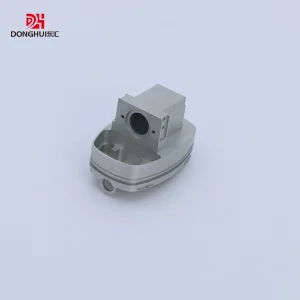
China OEM Customized CNC Machining Medical Parts

China OEM Non-Standard Customized CNC Machining Parts Durable Engineered Medical Machining Services for Superior Reliability

View Details
Advanced Smart Alarm Patient Monitoring System

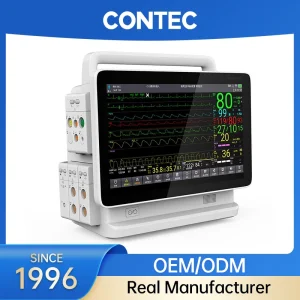
Advanced Smart Alarm Patient Monitoring System by Contec Ts13

View Details
Soymed Vital Signs Monitor Multi-Parameter System

Soymed Vital Signs Monitor Medical Hospital Patient Equipment Multi Parameter Monitor Central Monitoring System

View Details
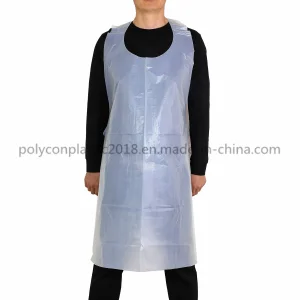
Waterproof Disposable Plastic Aprons

Disposable Plastic Aprons Waterproof for Adults

View Details
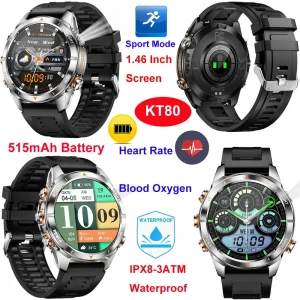
China IPX8 Bluetooth Smart Bracelet KT80

The latest China manufacture IPX8-3ATM waterproof promotion gift bluetooth smart bracelet with heart rate blood oxygen monitoring KT80

View Details
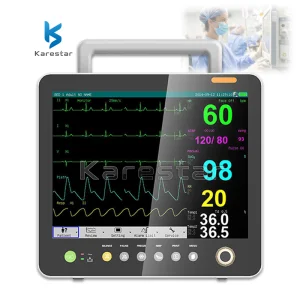
Medical Touch Screen Multiparameter Monitor

Medical 15'' Touch Screen Multiparameter Monitor for Human Voice Alarm Remote Patient Monitoring

View Details
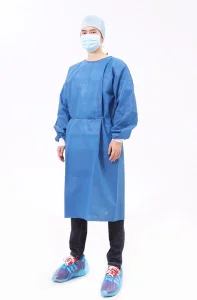
Nonwoven Disposable Medical Waterproof Surgical Gown

Nonwoven Disposable Doctor Medical Waterproof Reinforced Sterile Hospital Operation Surgery Clinics Pppe SMS Surgical Gown

View Details
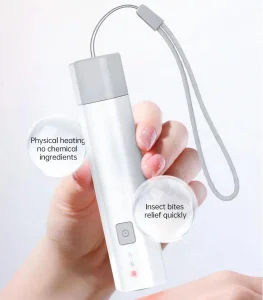
Insect Bite Relief Device

Advanced Insect Bite Relief Device Gentle Effective Care Sensitive Skin Children Outdoor Travel Clinical Medical Use

View Details