Alhilal Healthcare
Alhilal Healthcare
Alhilal Healthcare
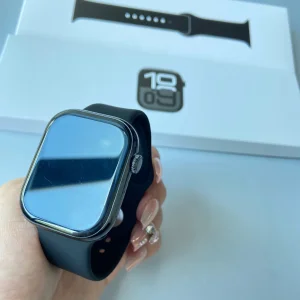
Engineered for high moisture resistance, extended battery cycle lifetimes, and autonomous diagnostic telemetry required by Kiribati’s clinical networks.
Kiribati’s unique geographic layout, consisting of 33 scattered islands and atolls spanning over 3.5 million square kilometers of ocean, presents an extraordinary challenge for conventional healthcare models. Tarawa, the main hub, houses the Central Hospital (Tungaru Central Hospital), but residents of outer islands—such as the Line Islands, Phoenix Islands, and distant parts of the Gilbert Group—often face weeks of delay in receiving basic physiological screenings.
The rise of Non-Communicable Diseases (NCDs), particularly type-II diabetes, chronic pulmonary conditions, and cardiac hypertension, has amplified the strain on these local dispensaries. By equipping clinical monitors and atoll workers with continuous bio-telemetry interfaces, health authorities can shift from a reactive crisis response to a proactive preventive model.
Our medical wearables are configured to buffer patient datasets locally on internal memory blocks, enabling full health reporting even during periods of satellite or cellular blackout. Once connection to the Kiribati national telecom grid (such as ATHKL) is restored, encrypted data packets upload automatically to centralized clinical dashboards.
Tropical salt-mist environments quickly degrade standard commercial hardware. Our enclosures utilize marine-grade PEEK polymers and SUS316L physical contacts to resist oxidation.
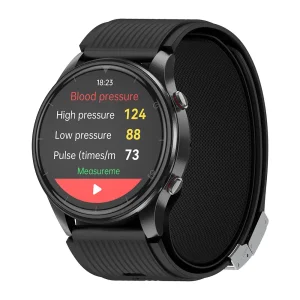
Optical PPG arrays combined with dynamic dry-electrode ECG plates provide critical cardiovascular profiles for patients experiencing hypertensive shifts on outer atolls.
Specialized firmware structures compress payloads into ultra-small JSON or byte-arrays, ideal for low-bandwidth satellite links operating across rural clinics.
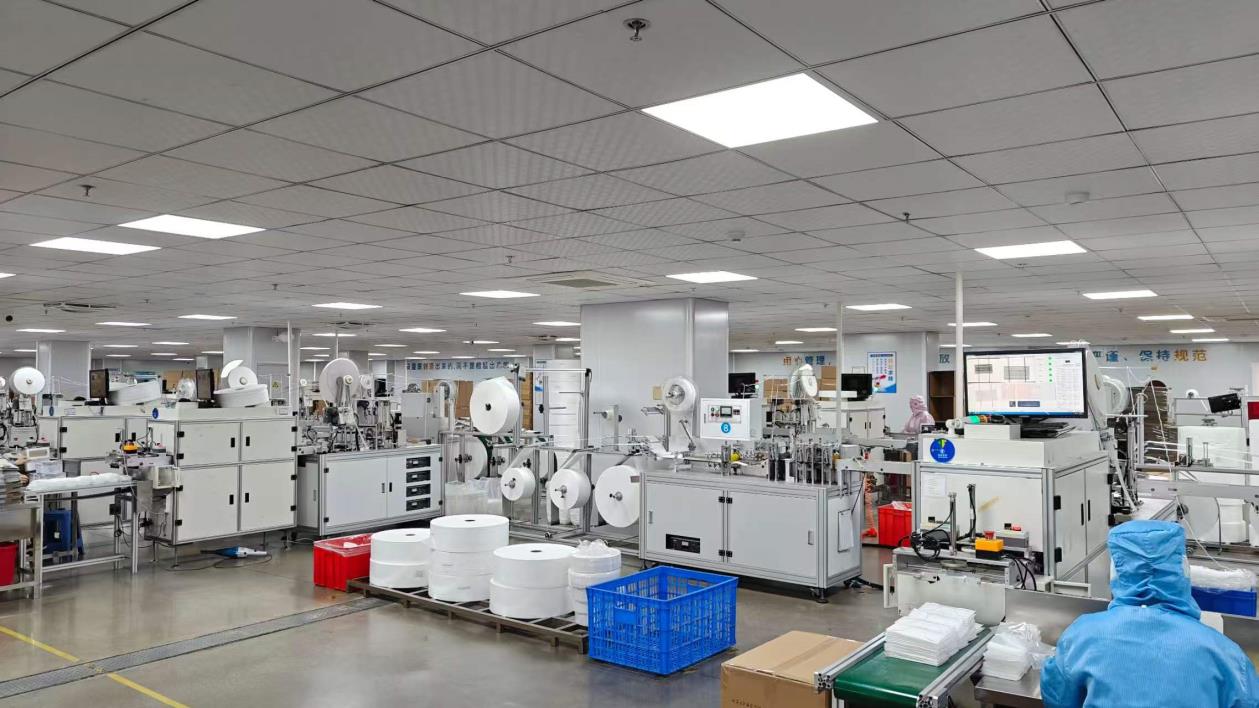
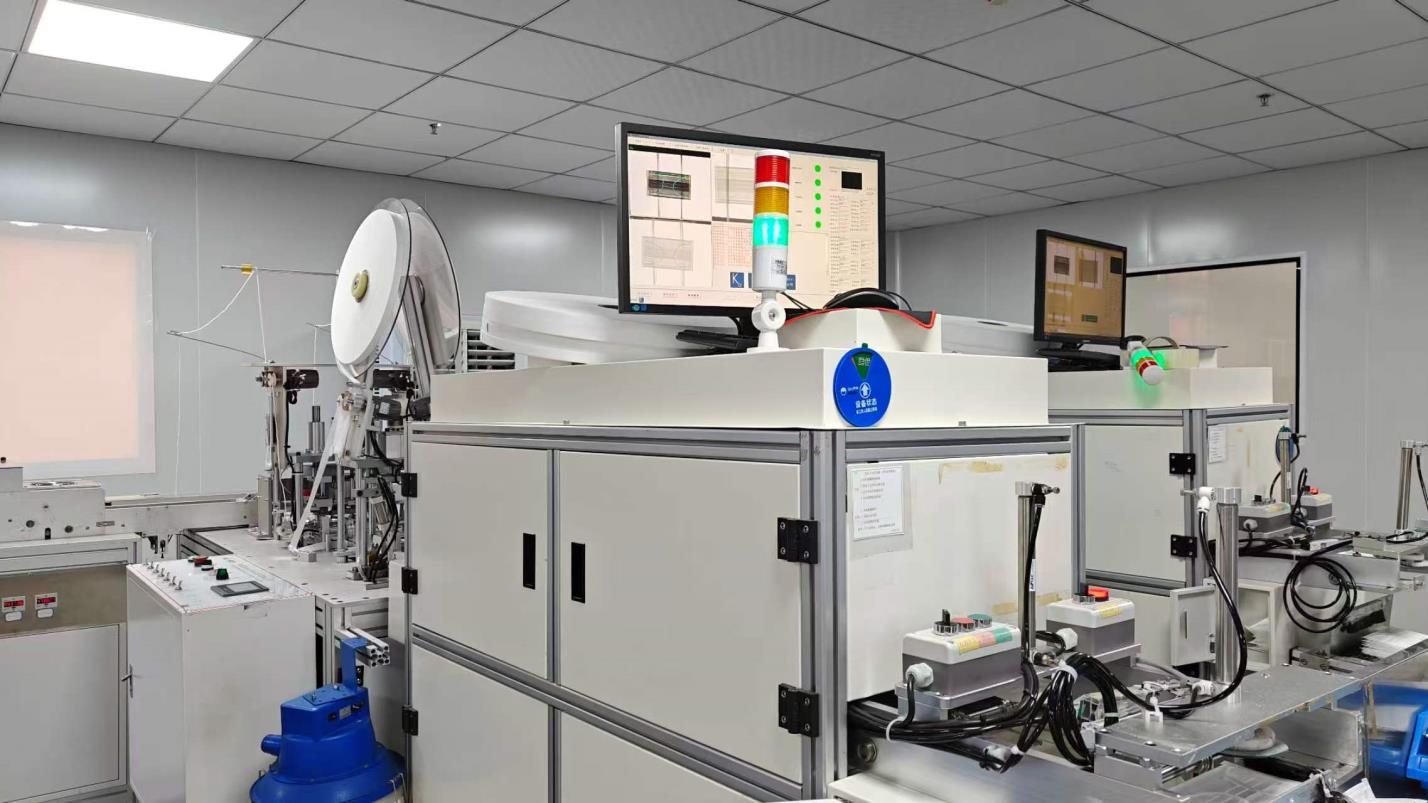
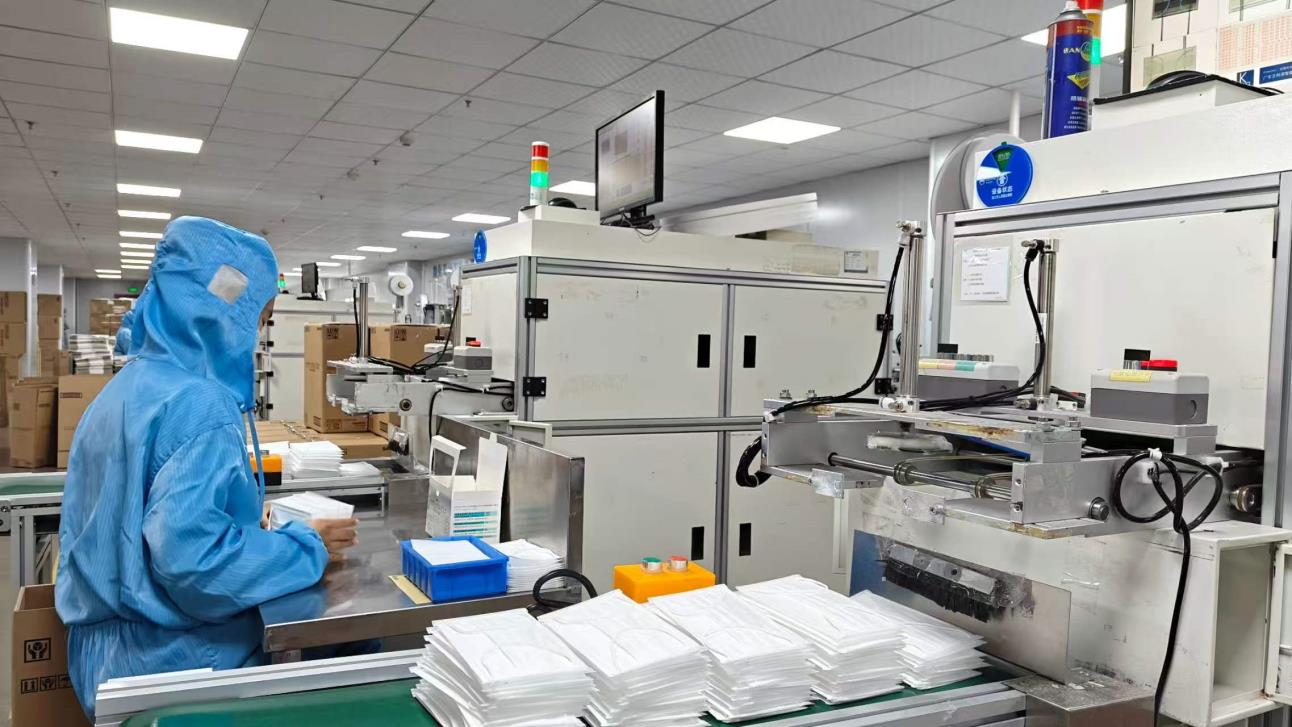
Combining 15 years of sterile medical-device fabrication experience with micro-electronic assembly lines to deliver uncompromised reliability.
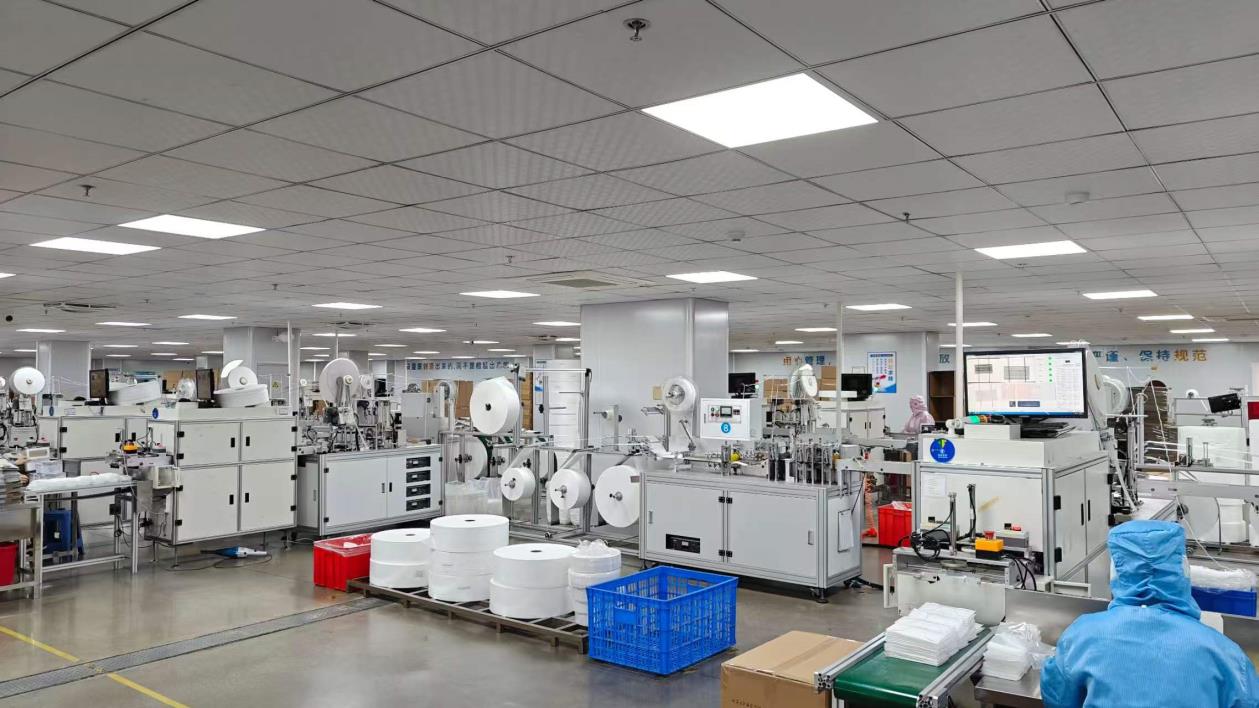
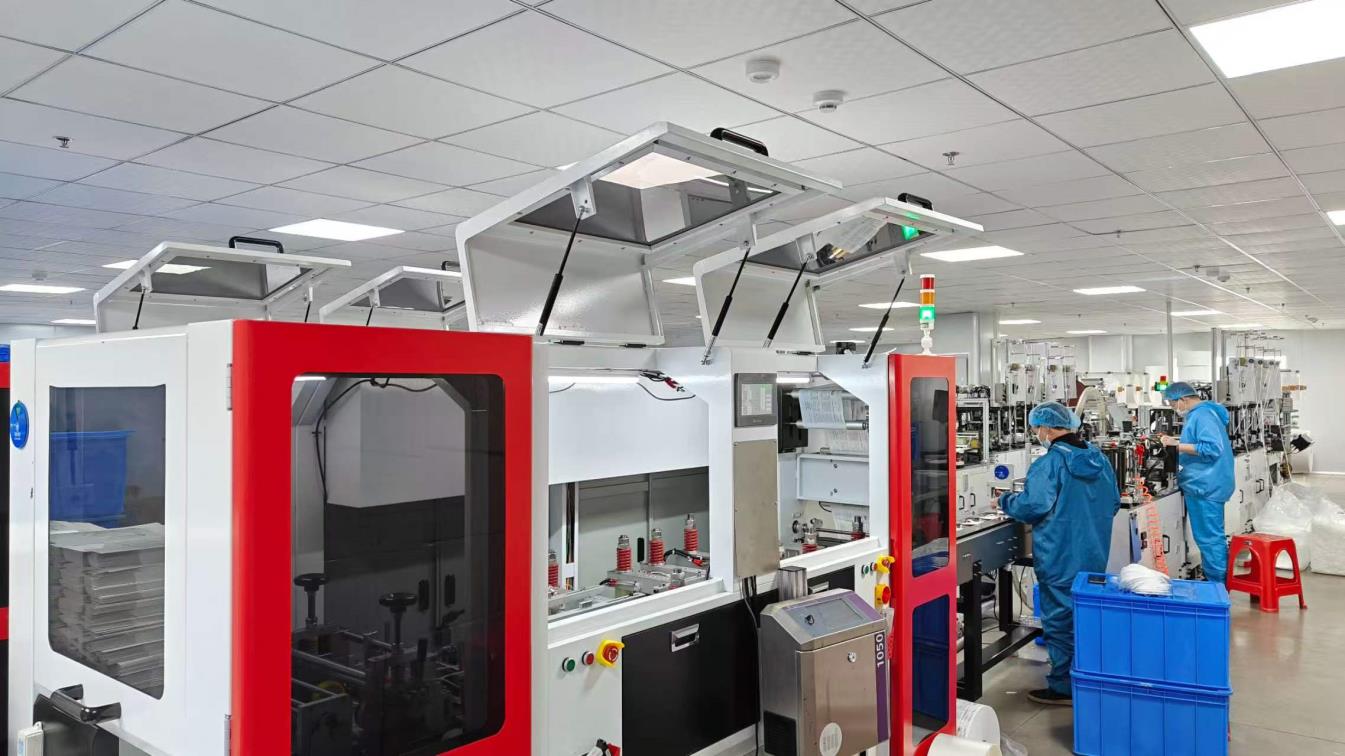
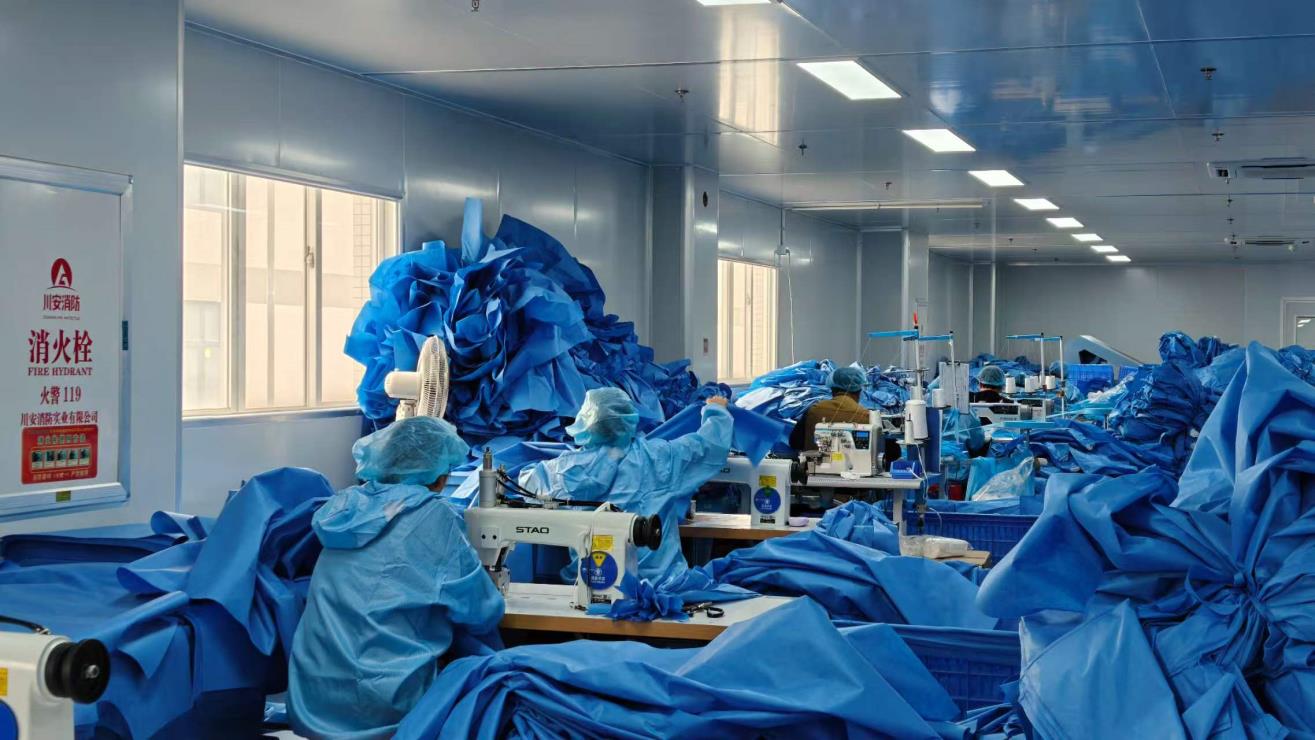
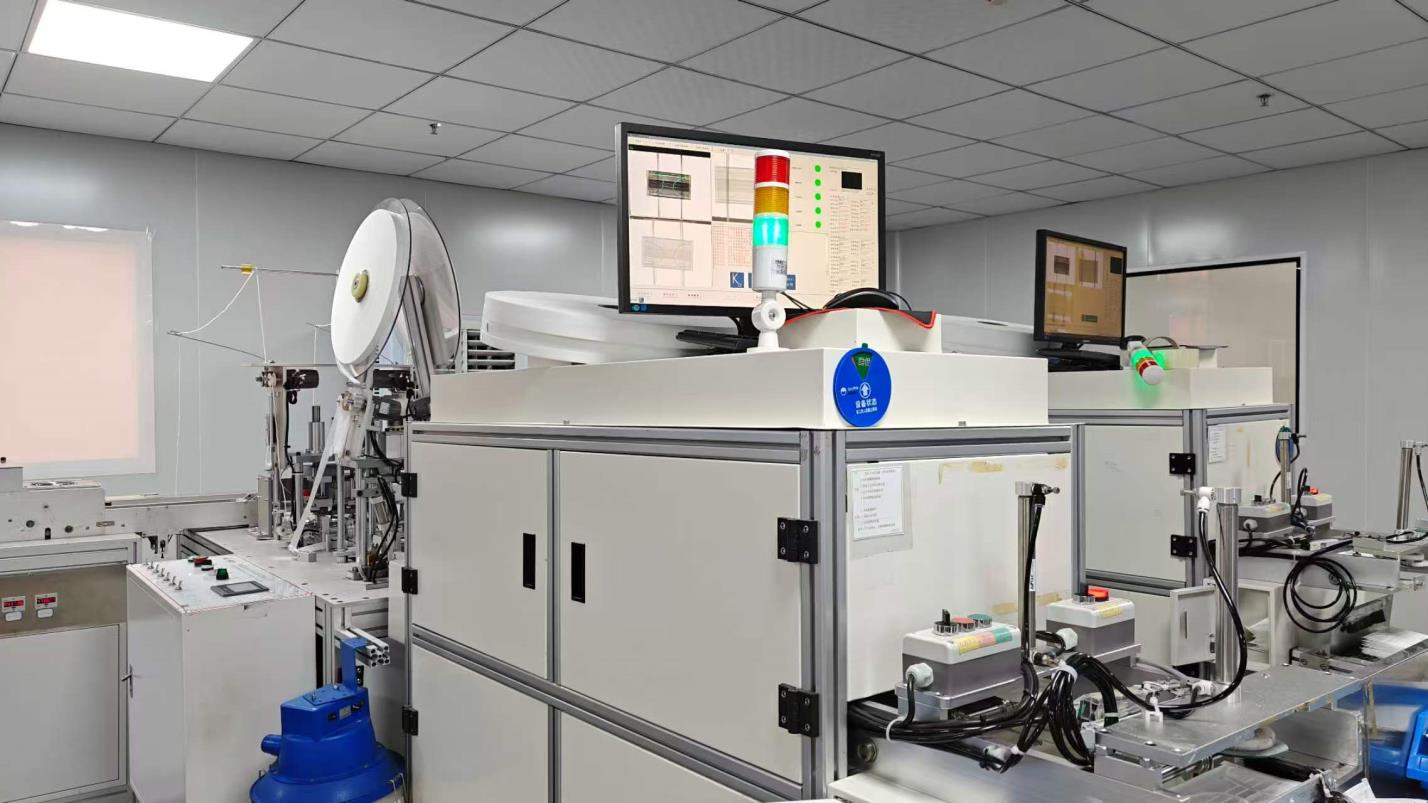
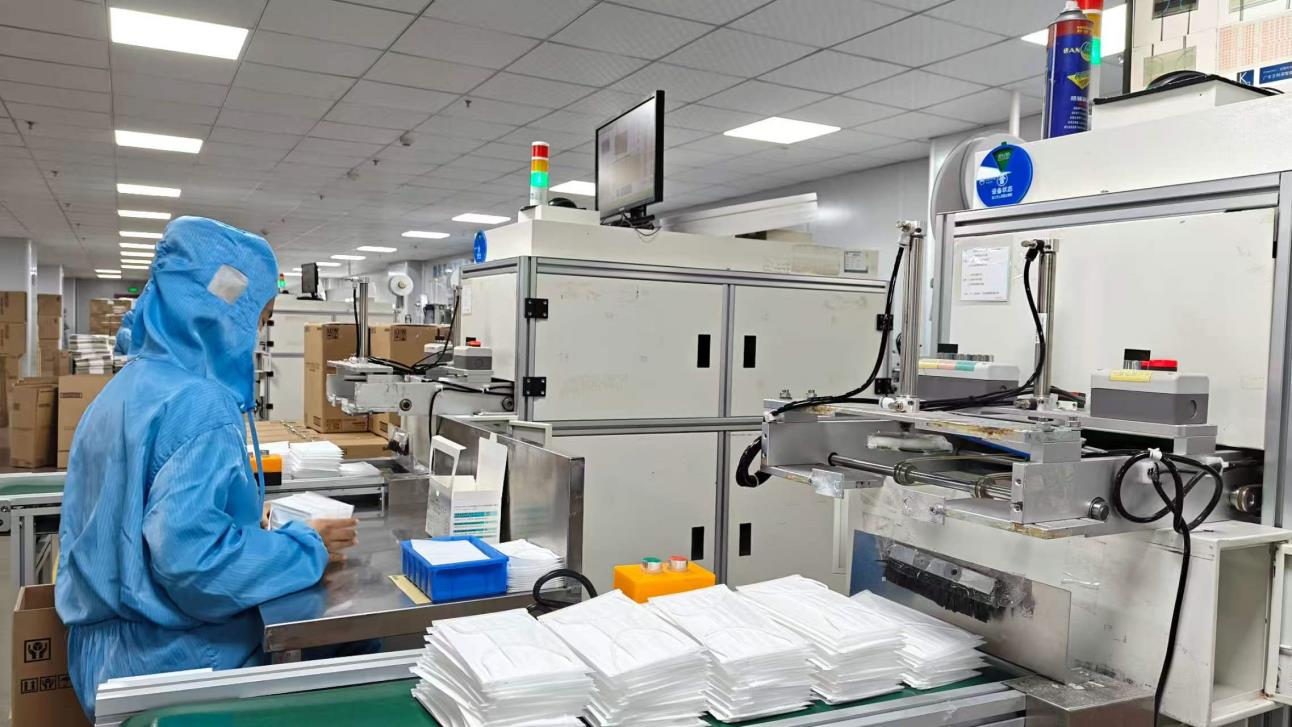
Our factory, established in 2009, has specialized in the field of personal medical equipment and protective systems for over 15 years. Today we have more than 500 employees. The company covers an area of more than 100,000 square meters and has a clean workshop of 6,000 square meters.
By translating this background in high-volume, sterile medical protective supply production—including non-woven medical face masks, surgical gowns, and specialized protective suits—into the digital medical segment, we assure that our wearable device bands, casings, and sensors are compiled under strict ISO 13485 and CE biological testing parameters.
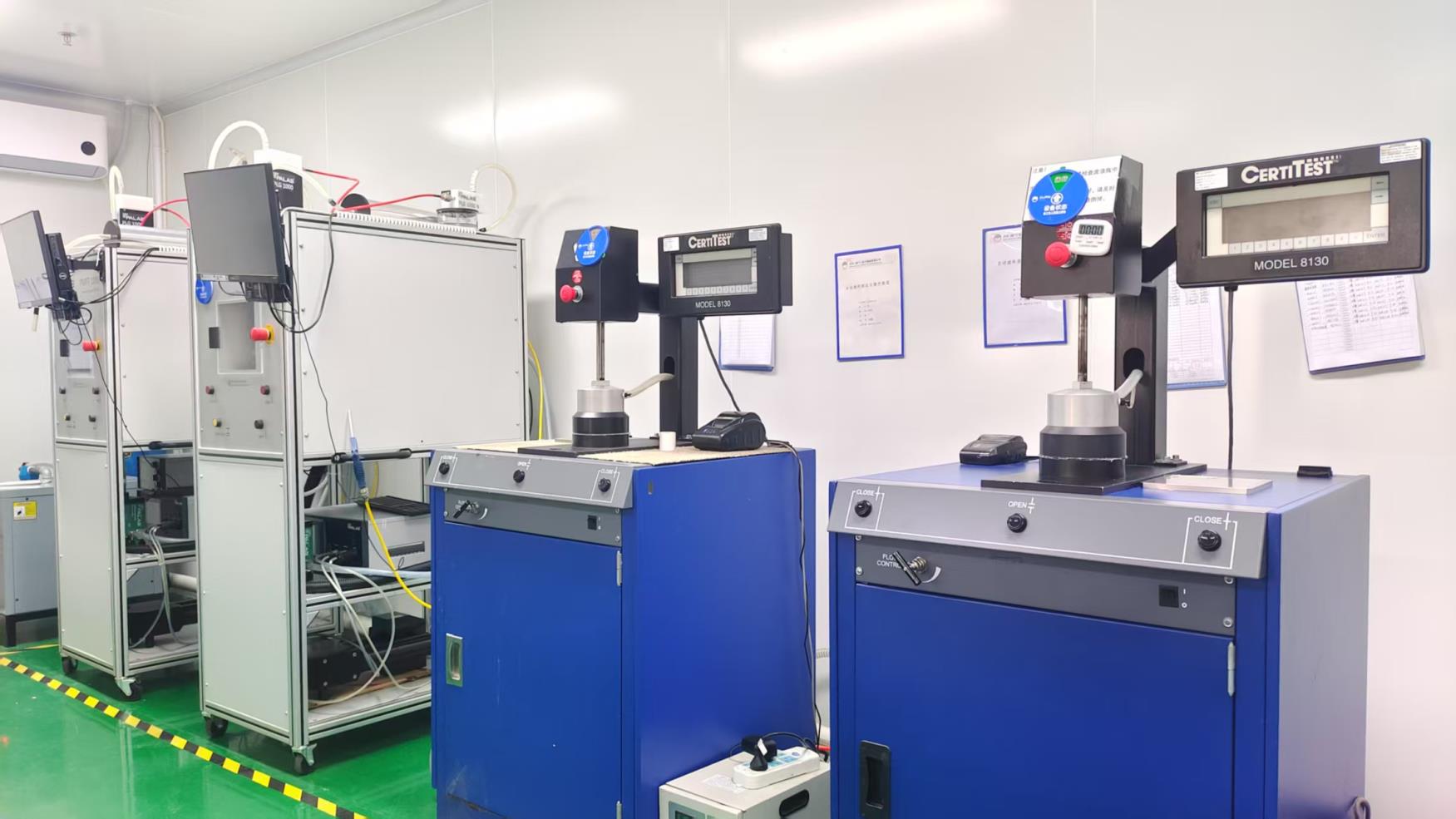
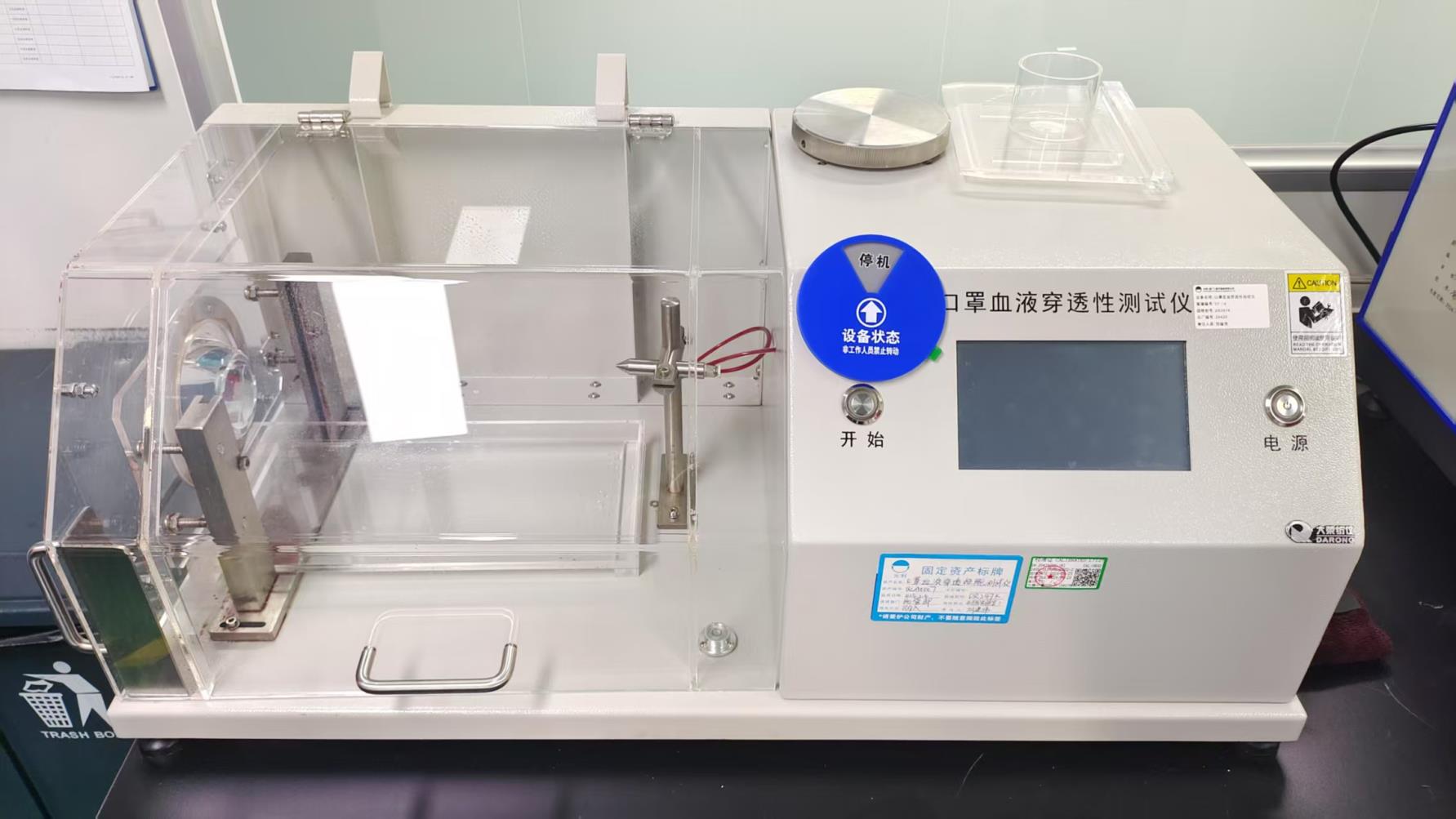
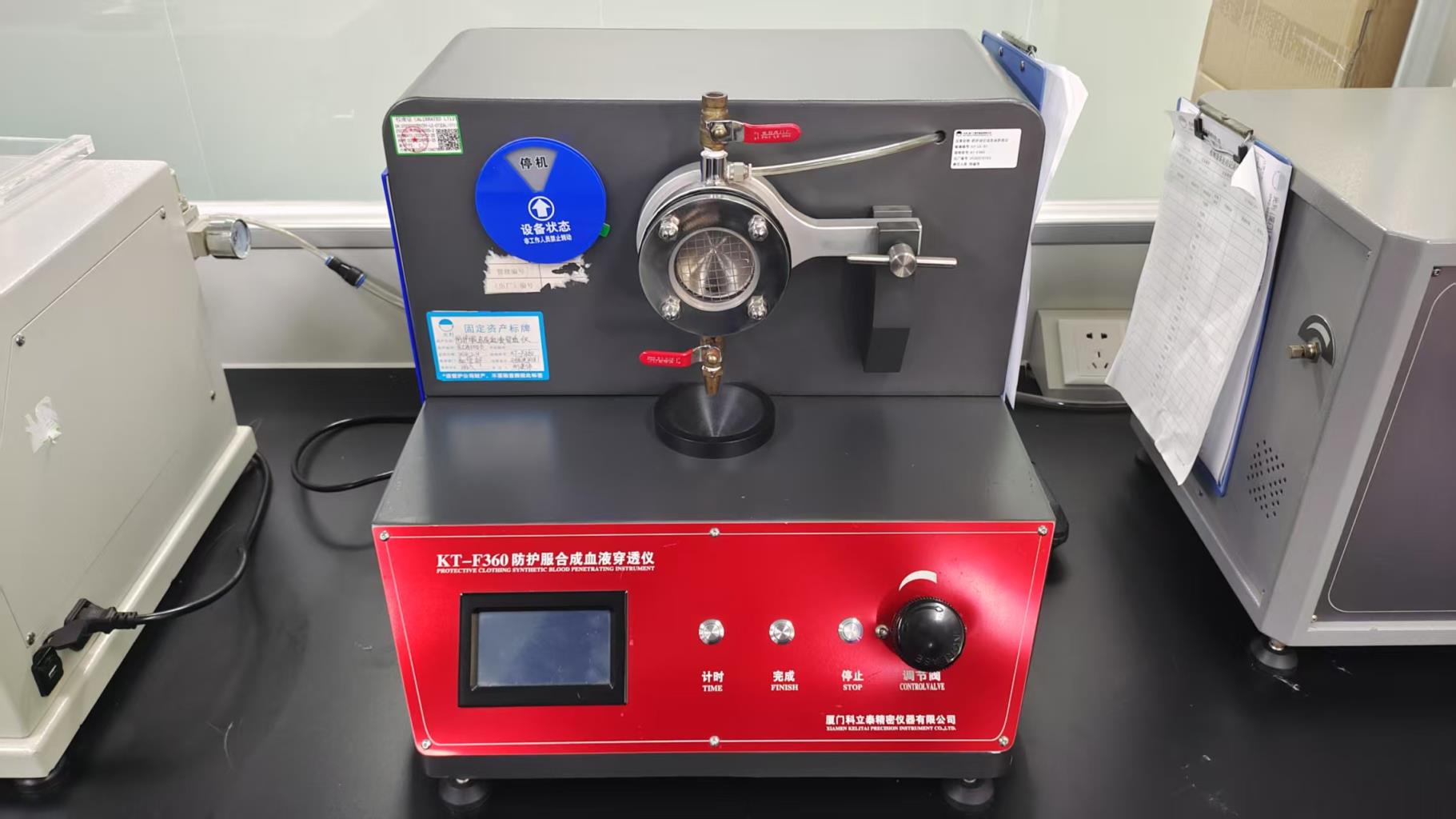
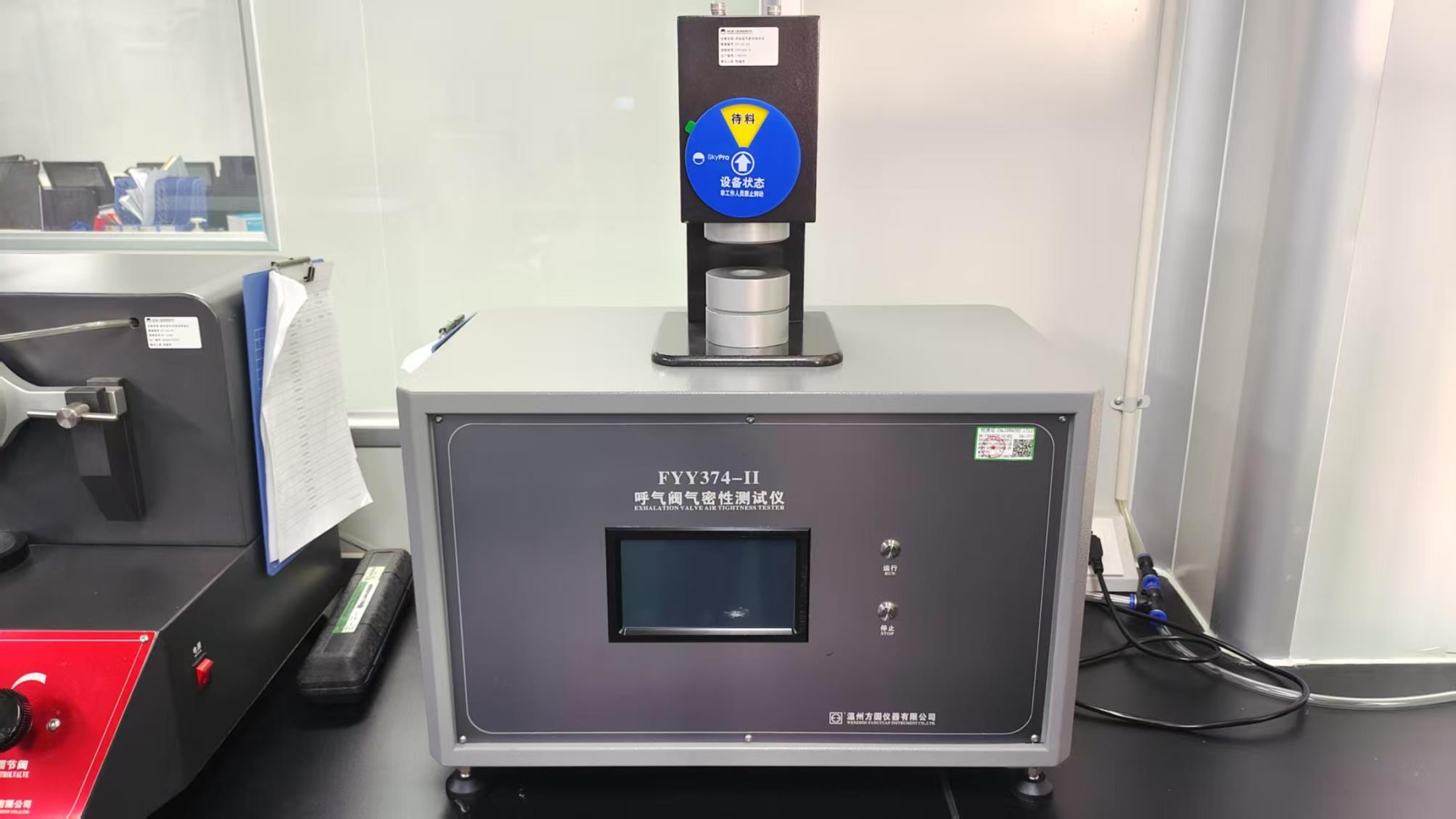
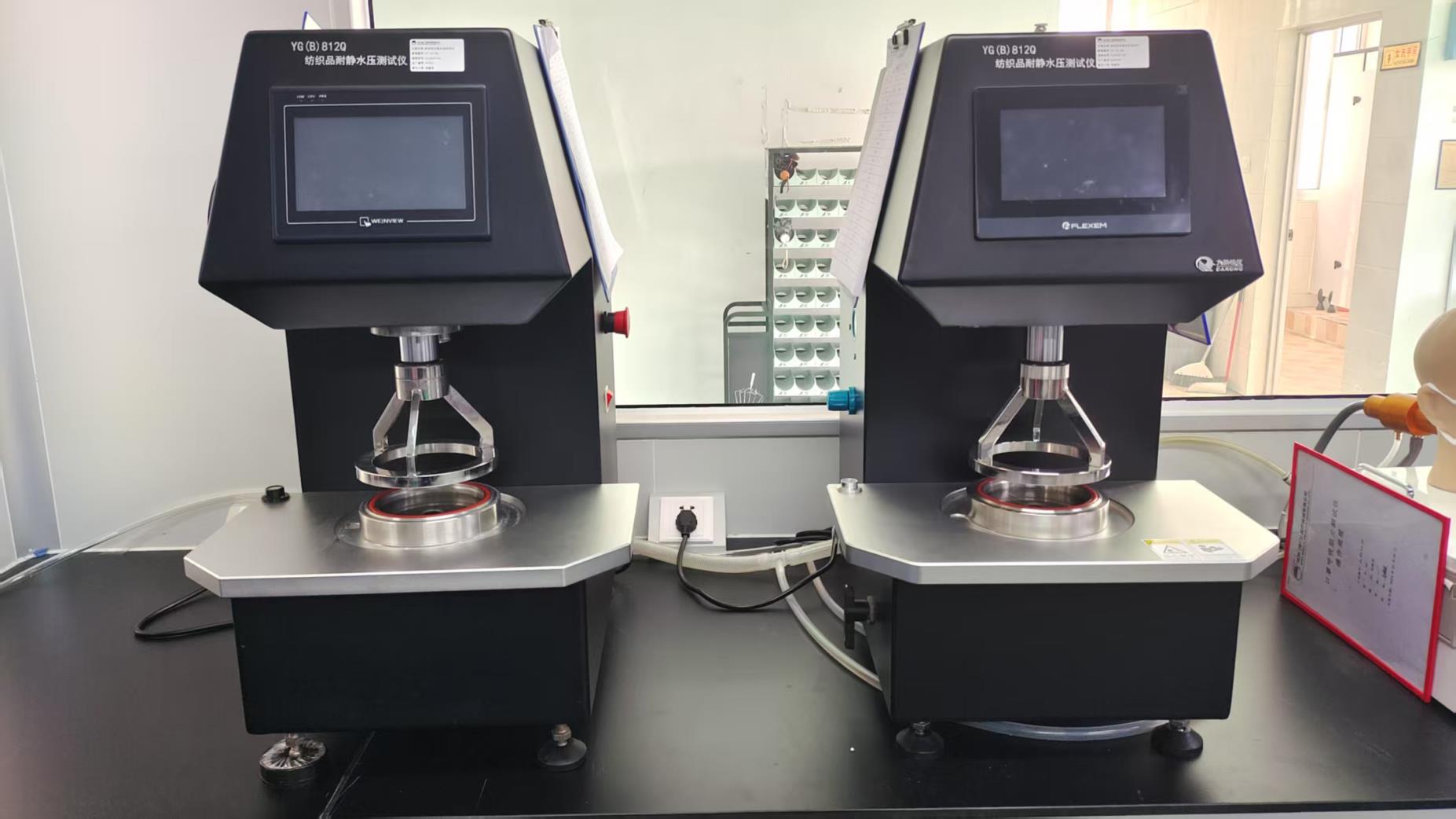
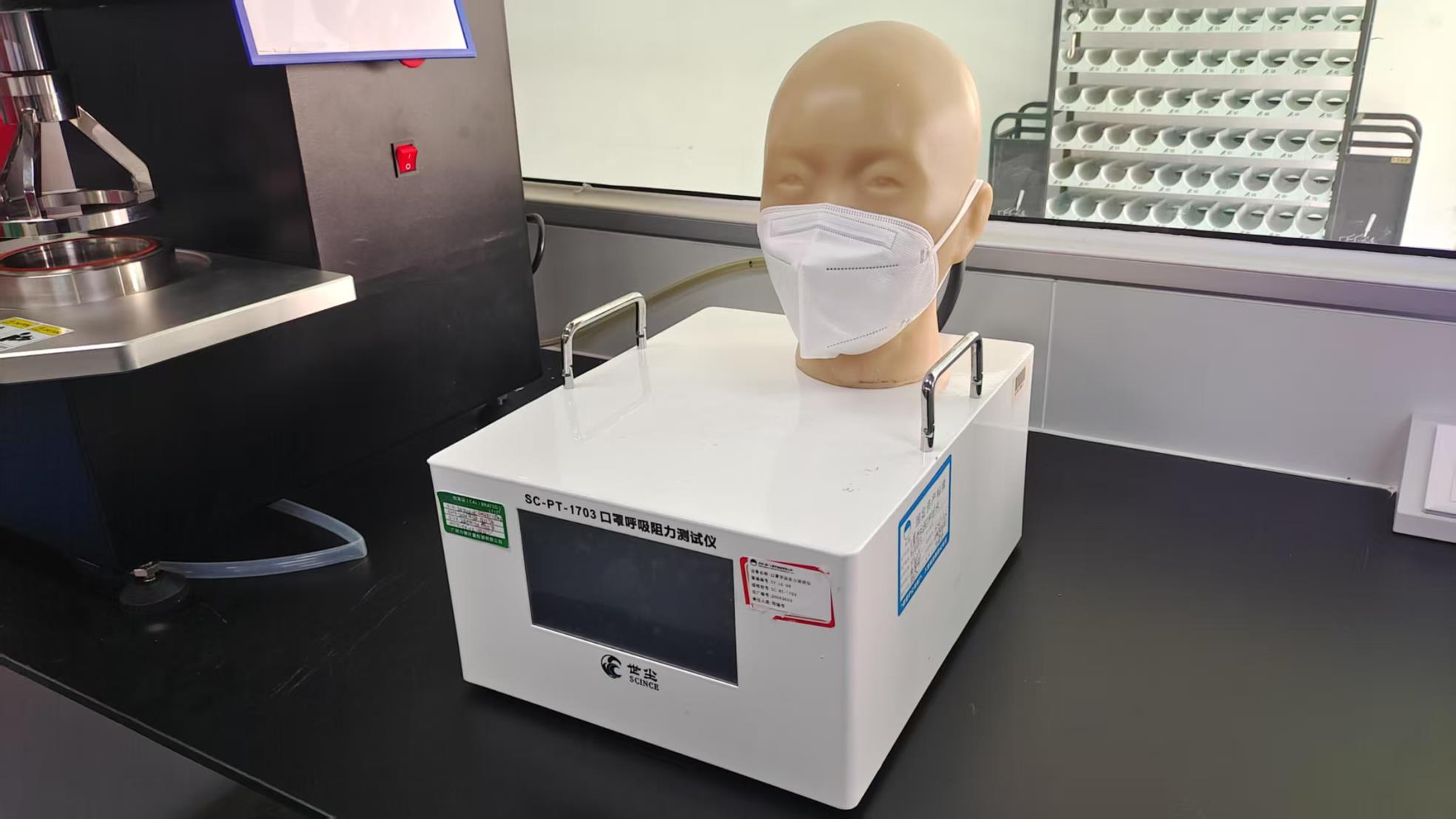
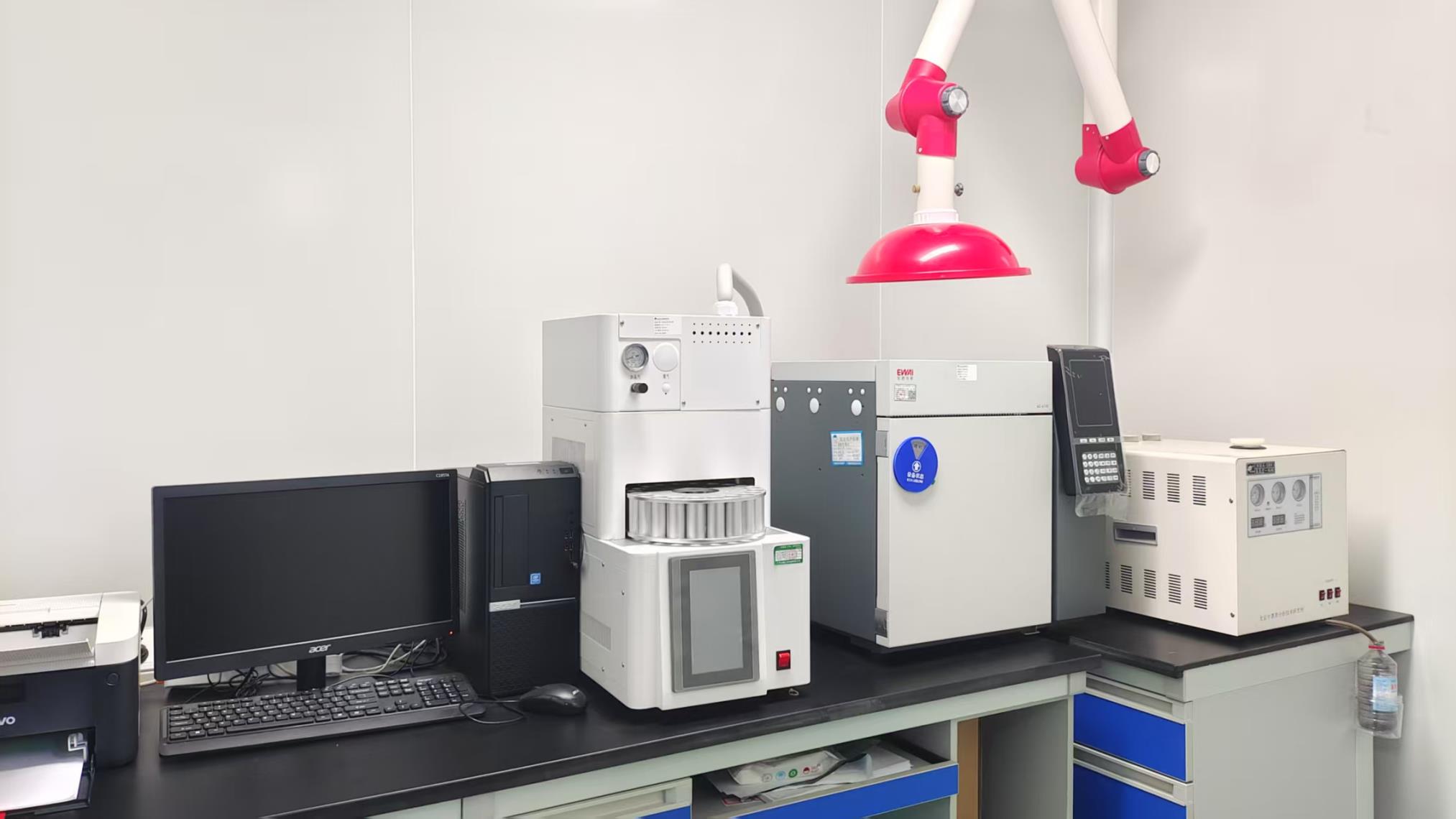
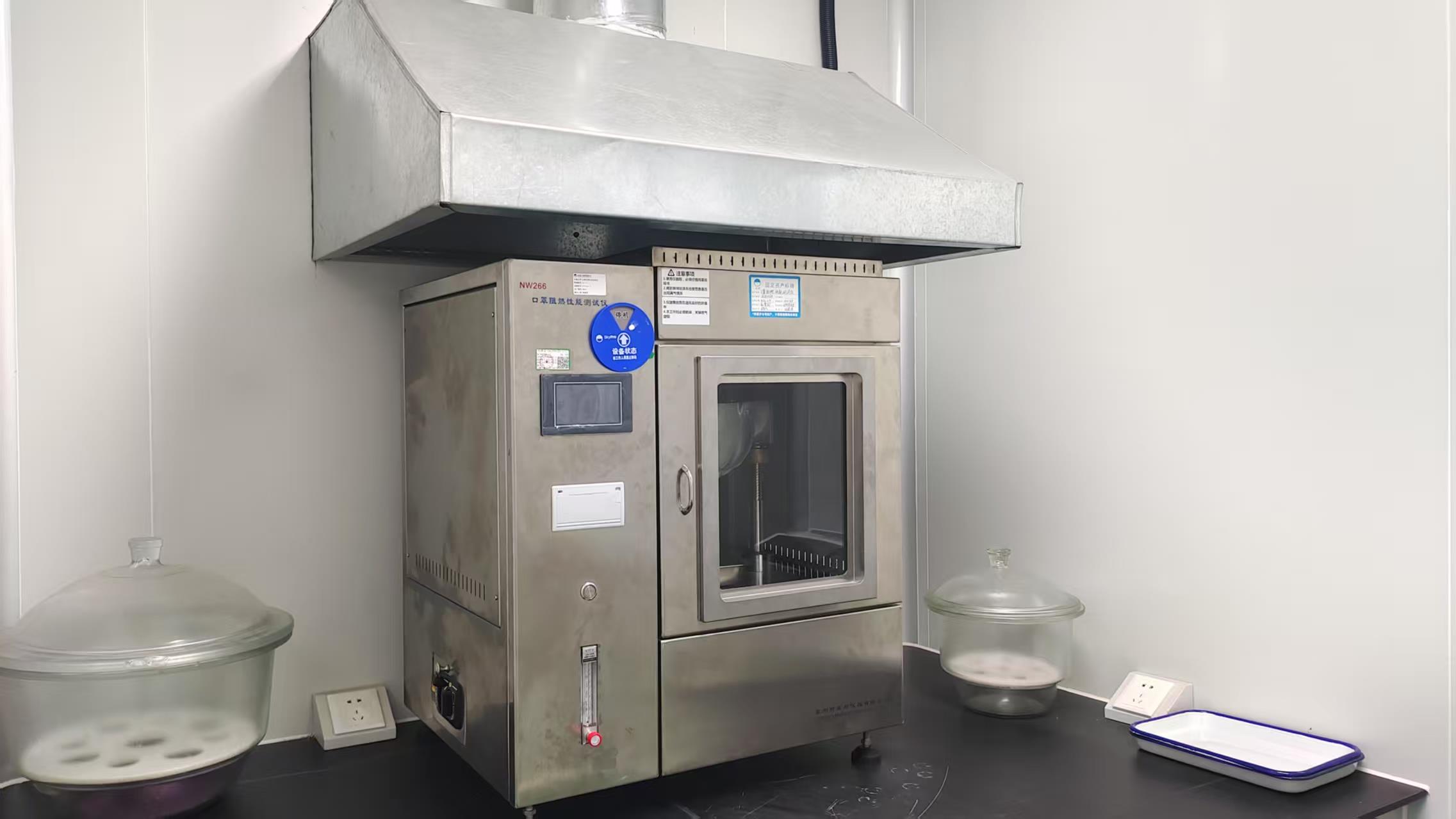
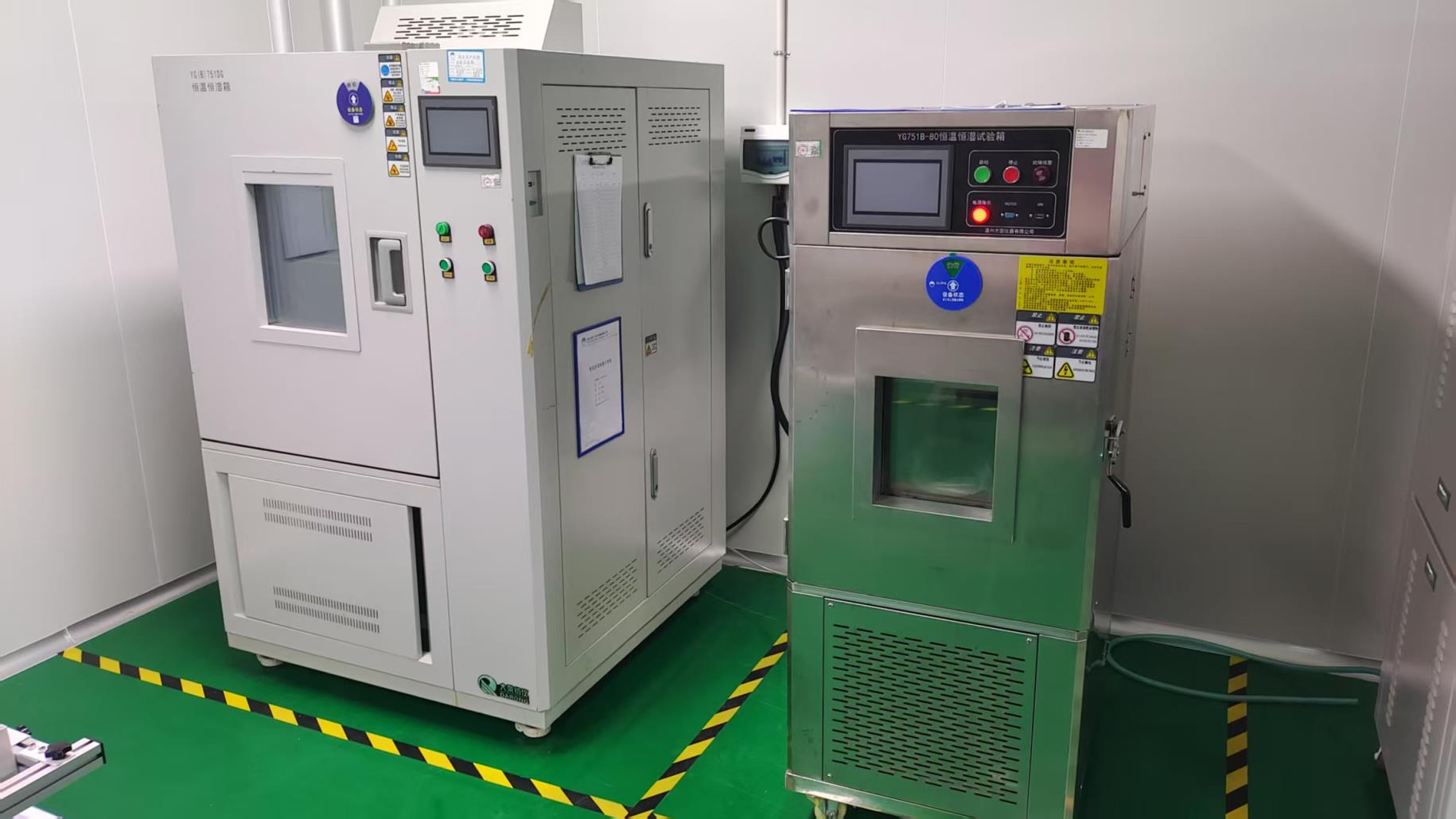
Our in-house laboratories feature advanced analytical devices such as Gas Chromatographs, Synthetic Blood Penetrating Instruments, and Hydrostatic Pressure Testers, guaranteeing that all plasticizers and silicones deployed in our watch straps are hyper-hypoallergenic and optimized for long-term clinical wear in warm Pacific climates.

A multi-tiered platform designed to integrate seamlessly into municipal databases and cloud telehealth systems.
All telemetry engines support raw output formatting compatible with global FHIR (Fast Healthcare Interoperability Resources) REST APIs for clinical database ingestion.
We provide full software development kits (SDKs) for iOS and Android, allowing Kiribati ministries to construct localized applications for healthcare providers.
Incorporating Bluetooth Low Energy (BLE 5.2) and dynamic processor sleep modes, reducing recharge frequency to keep devices active for extended field deployments.
Edge computing algorithms monitor pulse anomalies and blood oxygen drops locally, triggering haptic alerts for users before acute clinical episodes occur.
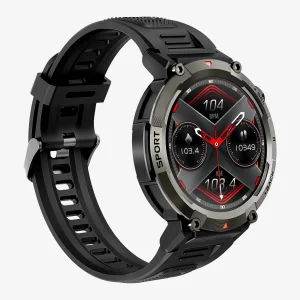
Select configurations optimized for eldercare, remote worker monitoring, and marine dispatch forces operating in South Pacific territories.
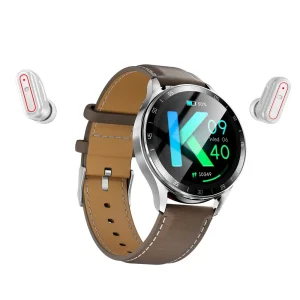
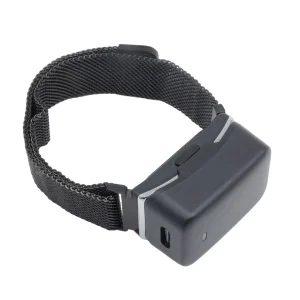
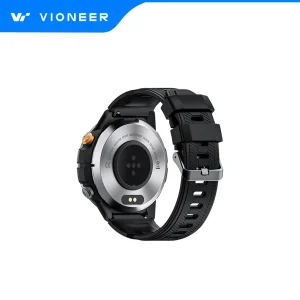
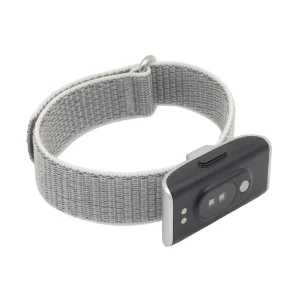
Deploying medical technologies inside the Gilbertese and Line Islands requires extensive planning around customs cleared lanes, radio frequency authorizations, and regional safety approvals. As a direct manufacturer, we assist institutional buyers with comprehensive documentation packages required by Kiribati border and communications authorities.
All remote tracking systems utilize non-hazardous, flight-certified rechargeable lithium-ion cells carrying full UN38.3 test protocols, guaranteeing hassle-free air freight logistics via regional carriers landing at Bonriki International Airport.
Additionally, we supply localized training material, simple visual booklets, and localized digital templates to ensure atoll clinic coordinators can rapidly onboard end-users without complex technical training sessions.
Direct answers concerning regional compatibility, OEM options, and trade policies for public health departments and distributors.