Alhilal Healthcare
Alhilal Healthcare
Alhilal Healthcare
Premium medical hardware, diagnostics, and sterile barrier solutions designed to operate seamlessly alongside advanced clean bench environments.
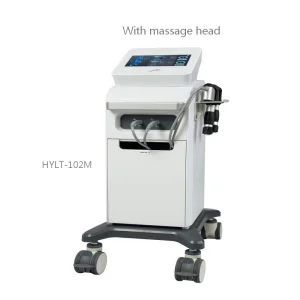
Radial Shock Wave Therapy Device Horse Arthritis Veterinary Shockwave Therapy Device
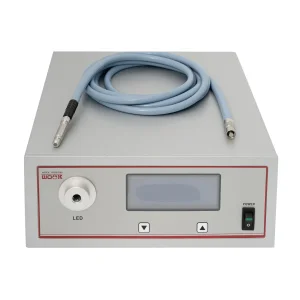
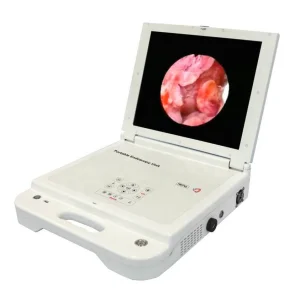
Woek Portable Medical Device Endoscope LED Cold Light Source for Endoscopy
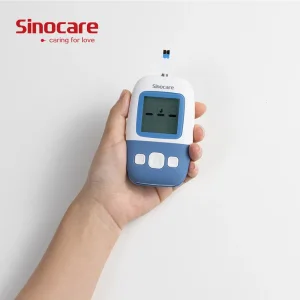
Sinocare Glucometros Diabeticos Glucometers Glucose Monitoring Device for Diabetics

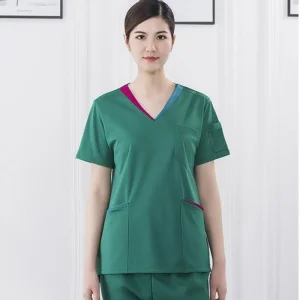
Women Uniform Doctor Medical Slim Fit Hospital Uniform Scrubs
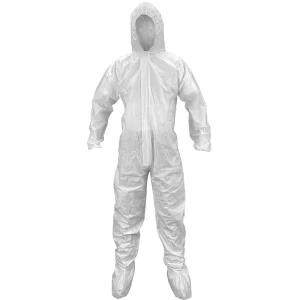
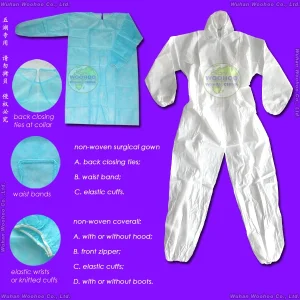
Isolation Hooded Boot SMS Microporous Manufacturing Handling Waterproof Disposable Coverall
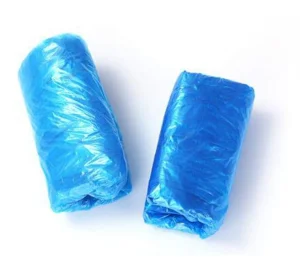
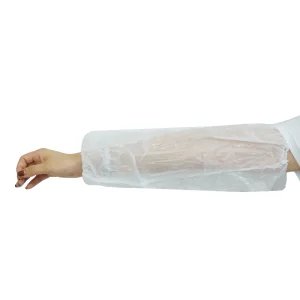
Wholesale Polyethylene LDPE HDPE PE CPE Plastic Arm Sleeve Cover Disposable Oversleeve
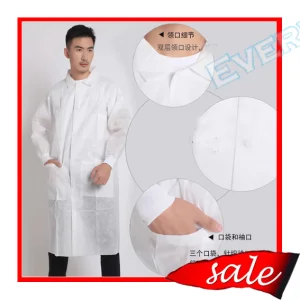
Laminar Flow Hoods (LFHs) represent the frontline of environmental containment systems. In modern biotechnology, clinical compound testing, and semiconductor fabrication, maintaining an atmosphere devoid of dust, microbes, and chemical vapors is paramount. The physics relies on a unidirectional distribution of airflow moving in parallel streams, minimizing air turbulence and preventing cross-contamination.
As premier exporters of cleanroom instrumentation, we build laminar flow benches that satisfy the rigorous ISO 14644-1 parameters. By deploying custom-designed HEPA and ULPA filtration arrays, our enclosures capture up to 99.999% of particulate matters down to 0.3 μm and 0.12 μm respectively. This creates an isolated clean workspace classified at ISO Class 5 or higher, ensuring the preservation of workpieces and scientific integrity.
Air enters from the rear wall, travels through the filtration matrix, and escapes horizontally toward the operator. Highly recommended for sterile pharmaceutical packaging where critical components sit upwind from potential contamination sources.
Air descends vertically from a top ceiling filter module onto the work surface, escaping through perforated access channels at the front. Ideal for handling heavy, complex lab machinery where cross-contamination downstream must be averted.
A comprehensive analysis of clean air technologies spanning cross-border scientific industries, critical manufacturing, and life science domains.
Preventing chemical and particulate contamination of biological matrices. Our hood systems offer precise temperature thermal regulation, clean environments, and noise isolation, guaranteeing delicate embryological and cellular integrity.
Adhering strictly to USP <797> and USP <800> directives. Non-hazardous sterile compounding demands high-efficiency particulate extraction, which is satisfied by our high-performance vertical flow workstations.
Nanometer-level silicon manufacturing and laser optics packaging run high contamination risks. The laminar hood systems provide Class 100/ISO Class 5 localized zones within broader, less-costly warehouse environments.
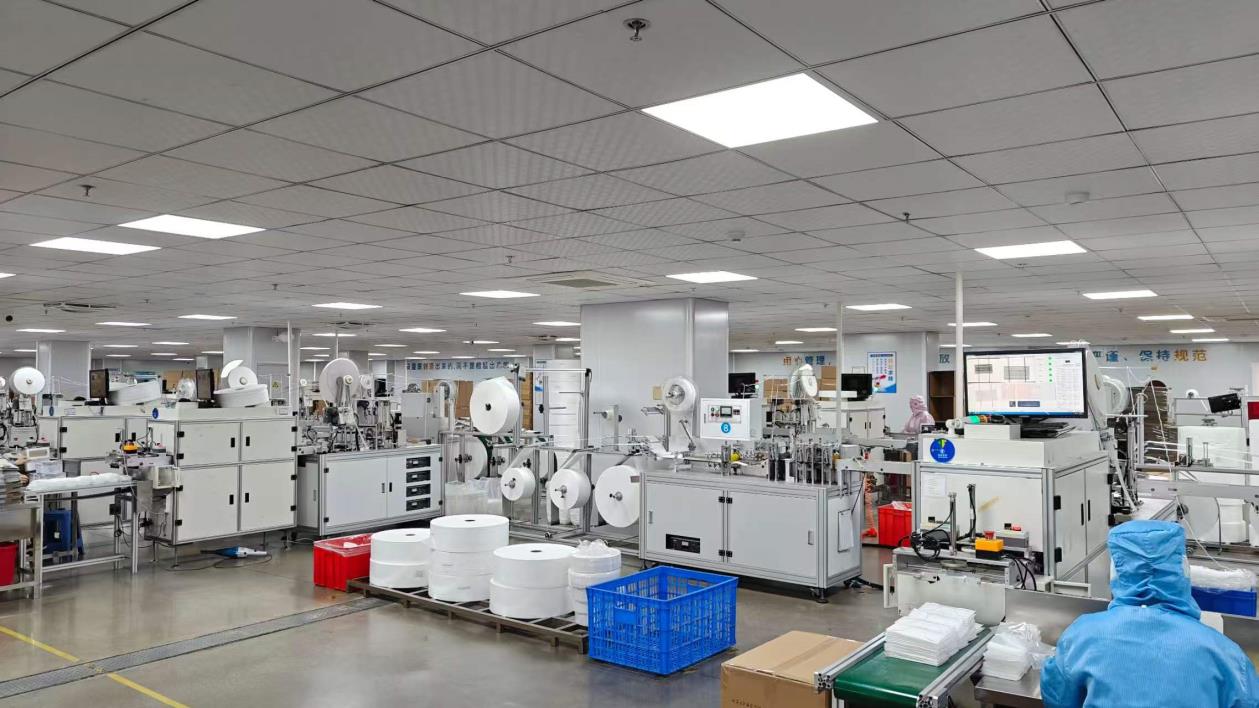
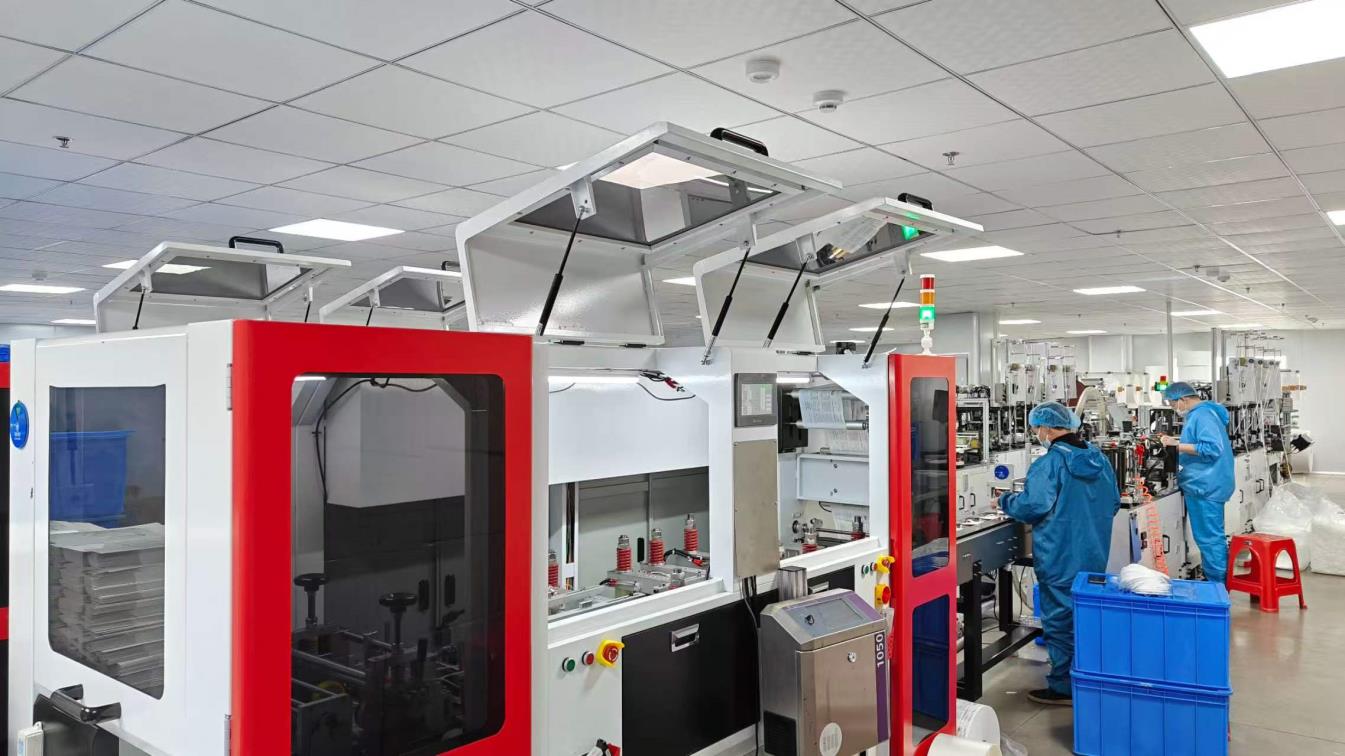
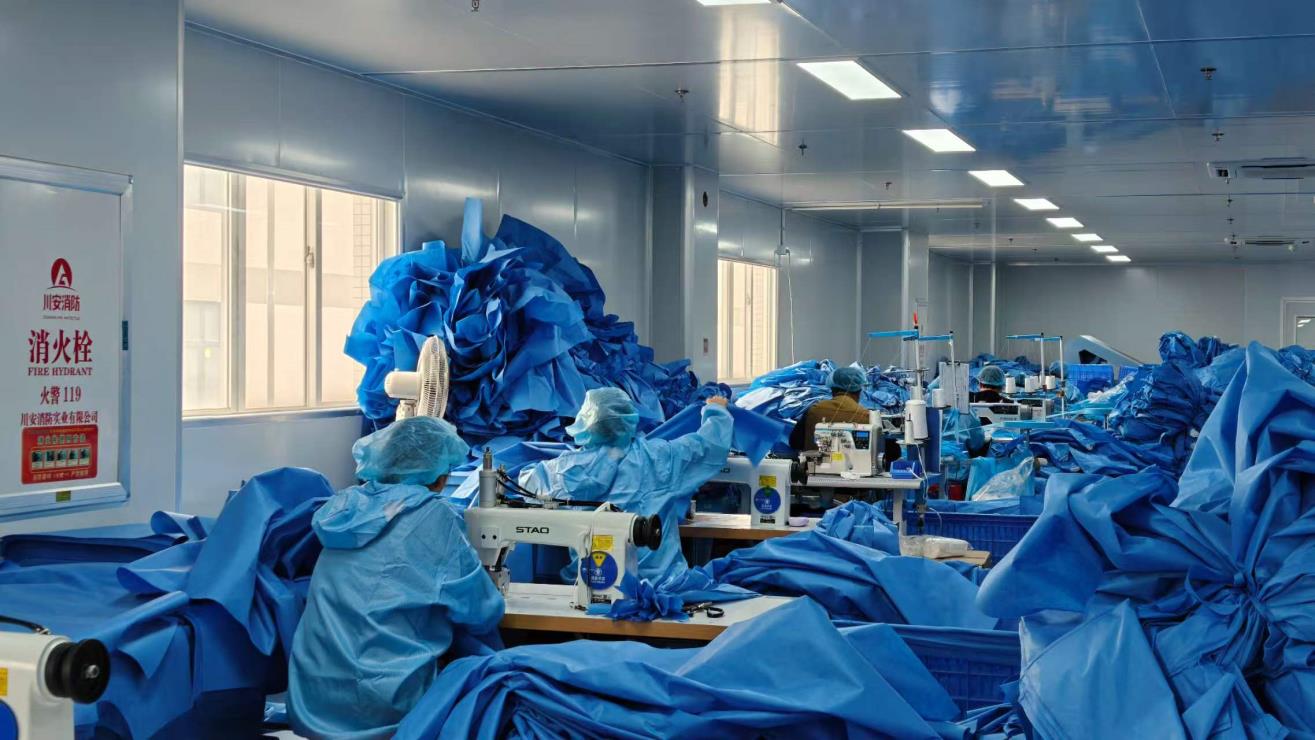
Our manufacturing and testing factory, established in 2009, has specialized in critical protective materials, cleanroom consumables, diagnostics, and sterile systems for over 15 years. Today, our multidisciplinary team of 500+ professionals works in an extensive manufacturing center covering more than 100,000 square meters, featuring a 6,000 square meter Class 10,000 / Class 100 sterile clean workshop.
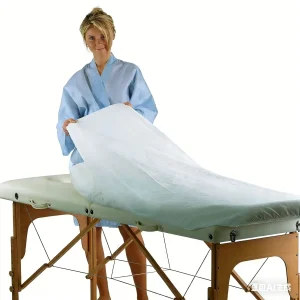
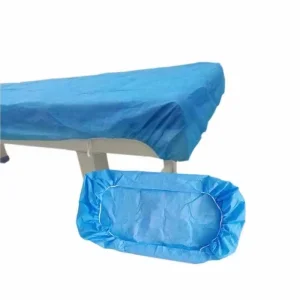
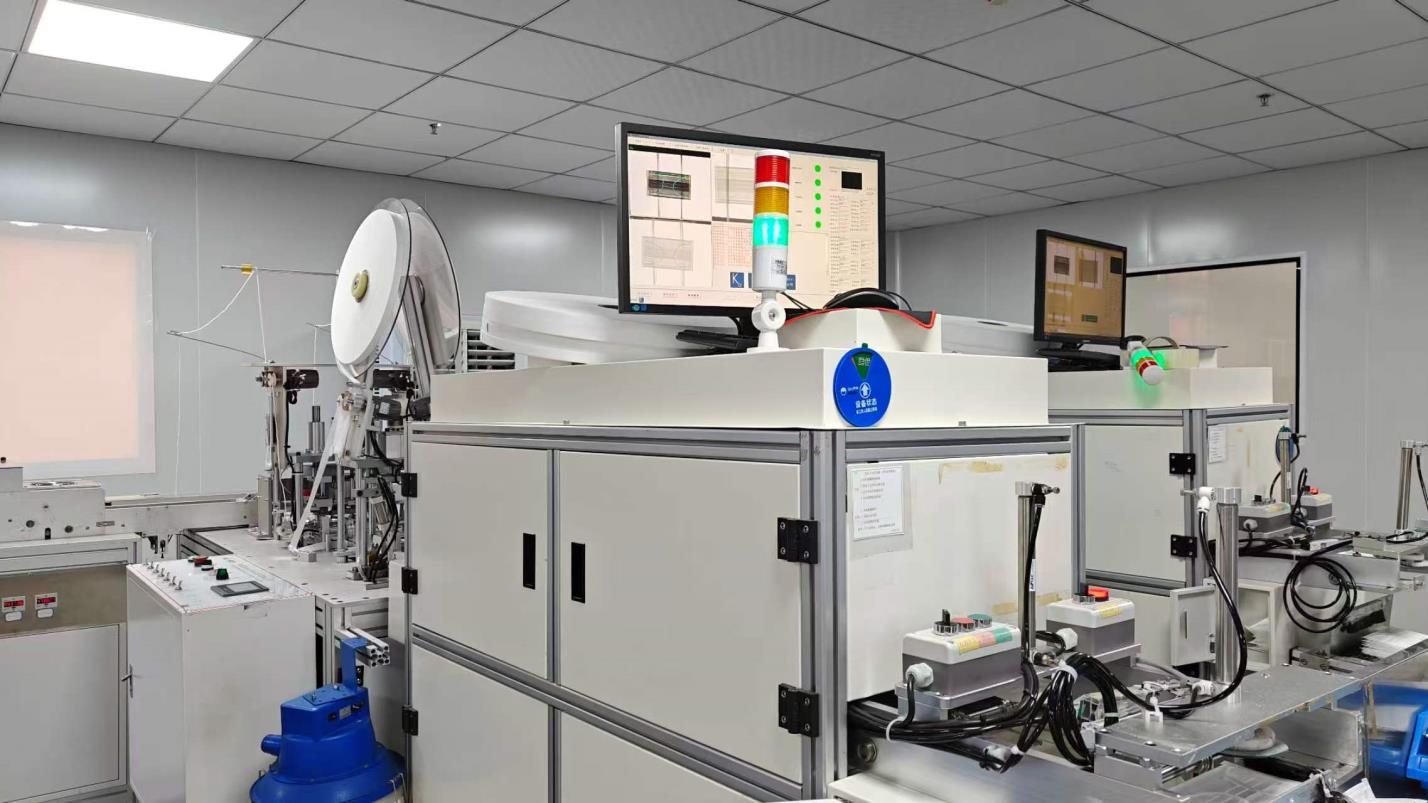
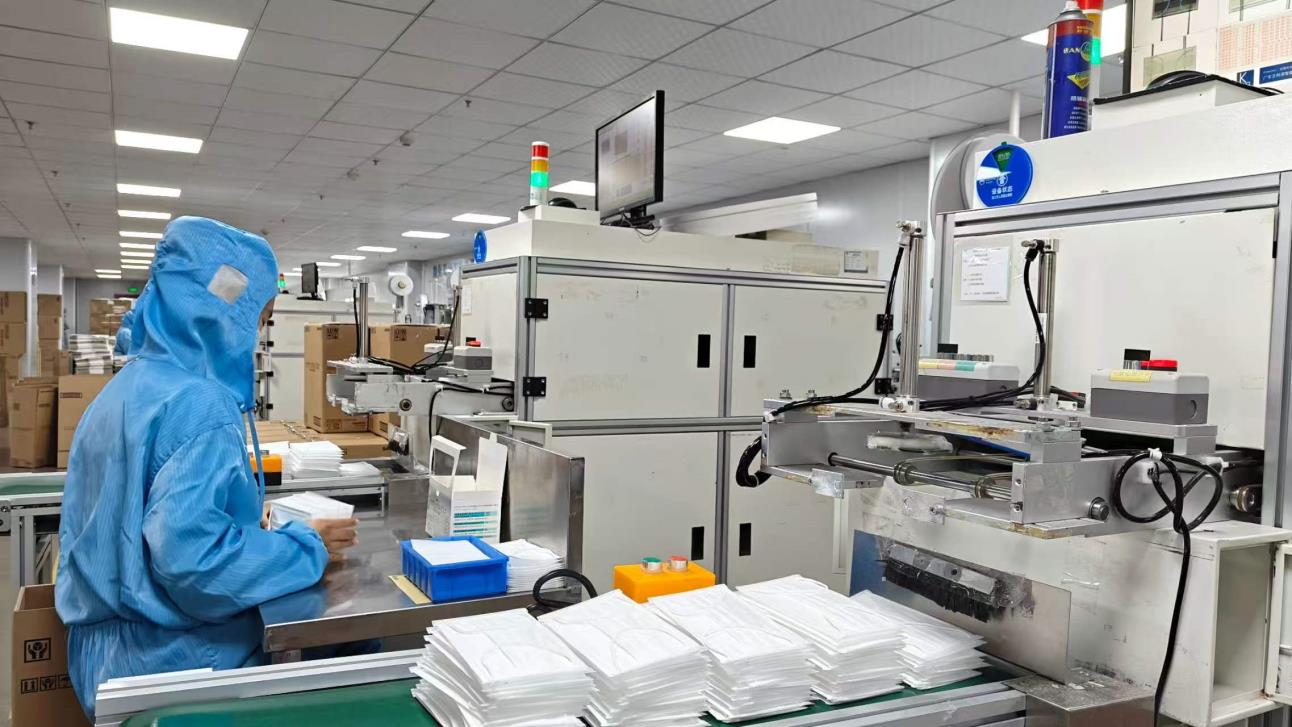
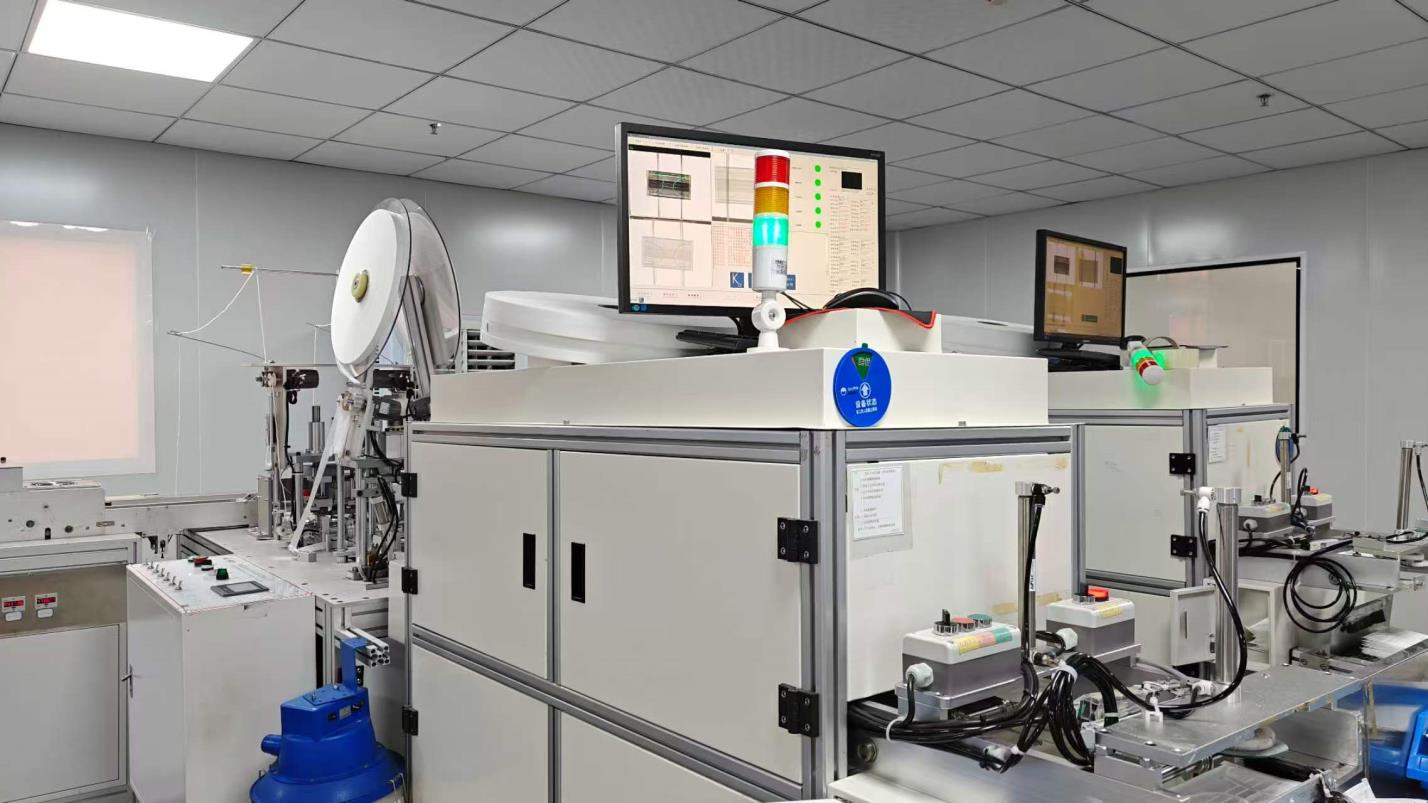
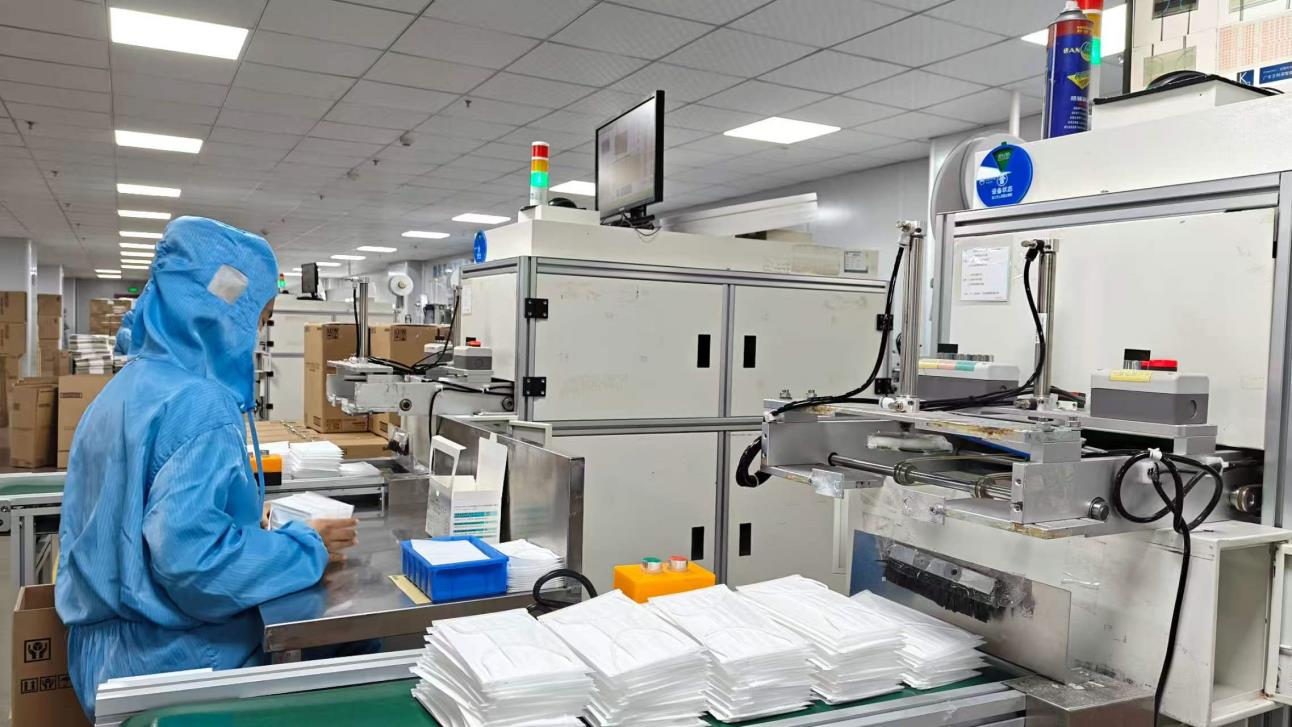
To assure global reliability, our facilities run under strict quality matrices, backed by detailed CE and ISO 13485 audits. Our operations span raw material preparation, automatic production, automated electronic testing, and final quality control packaging. We specialize in producing safety-critical products including non-woven medical face masks, disposable coveralls, surgical gowns, shoe/boot covers, bed sheets, lab coats, and custom containment hoods designed to optimize aseptic processes.
To achieve E-E-A-T standards, we verify our cleanroom solutions via state-of-the-art diagnostic apparatus. Below is a detailed record of our hardware infrastructure, automatic assembly lines, and inspection labs.
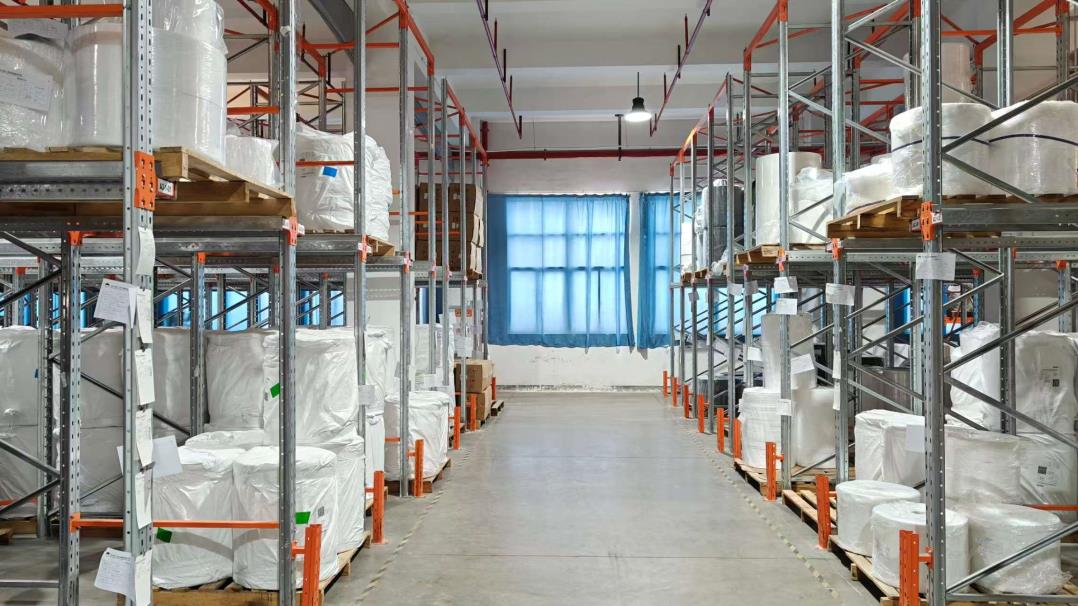
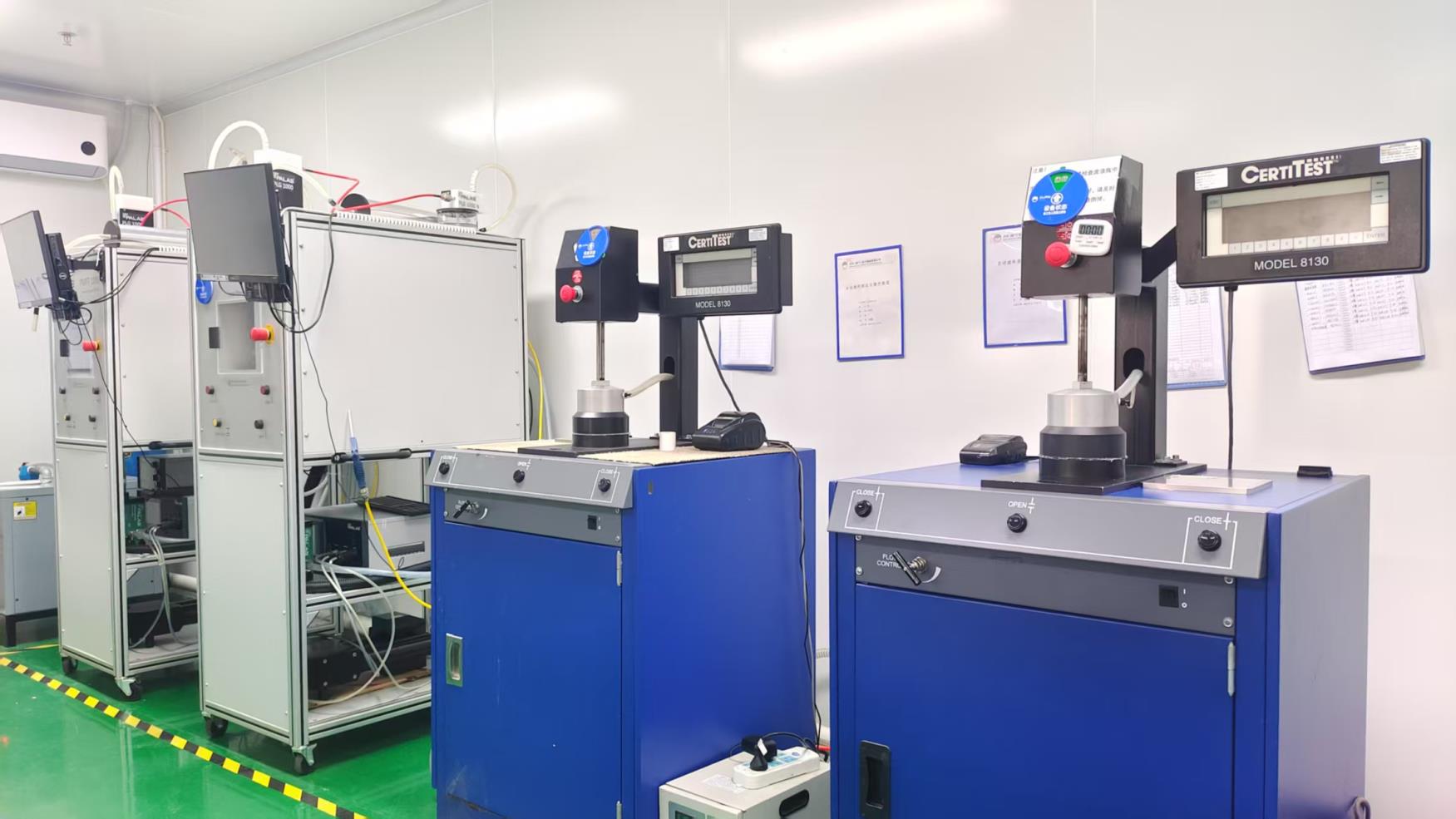
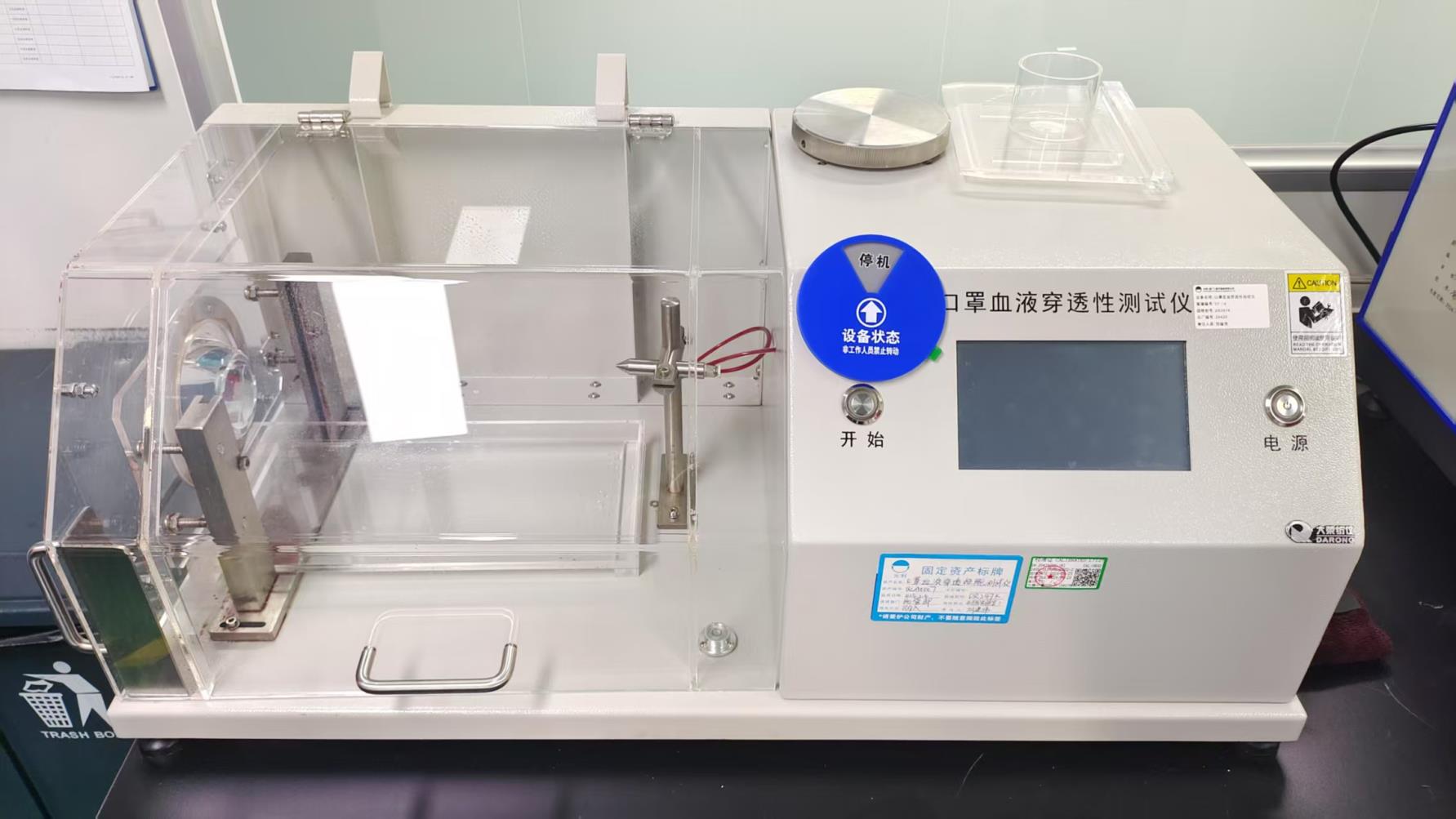
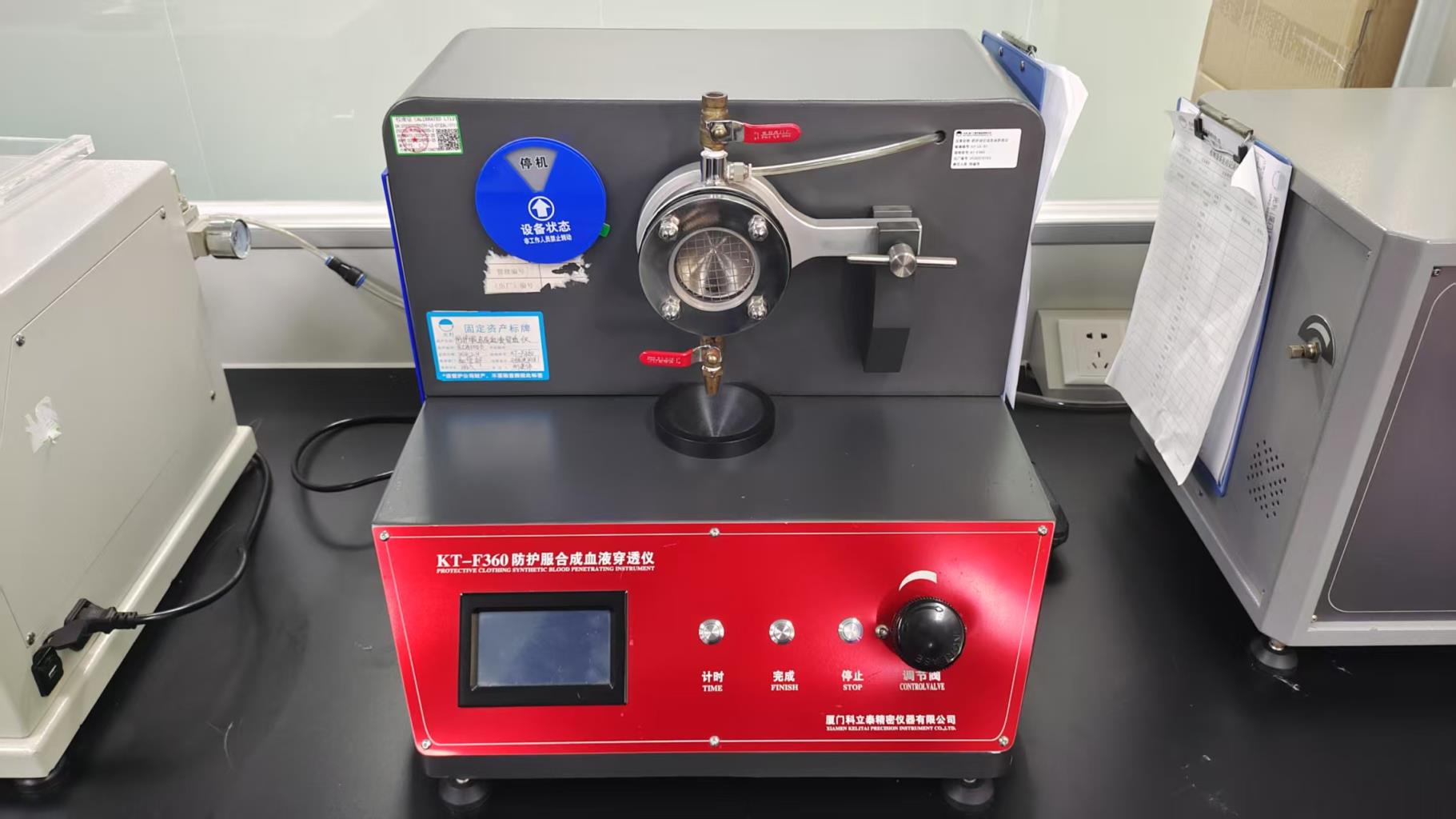
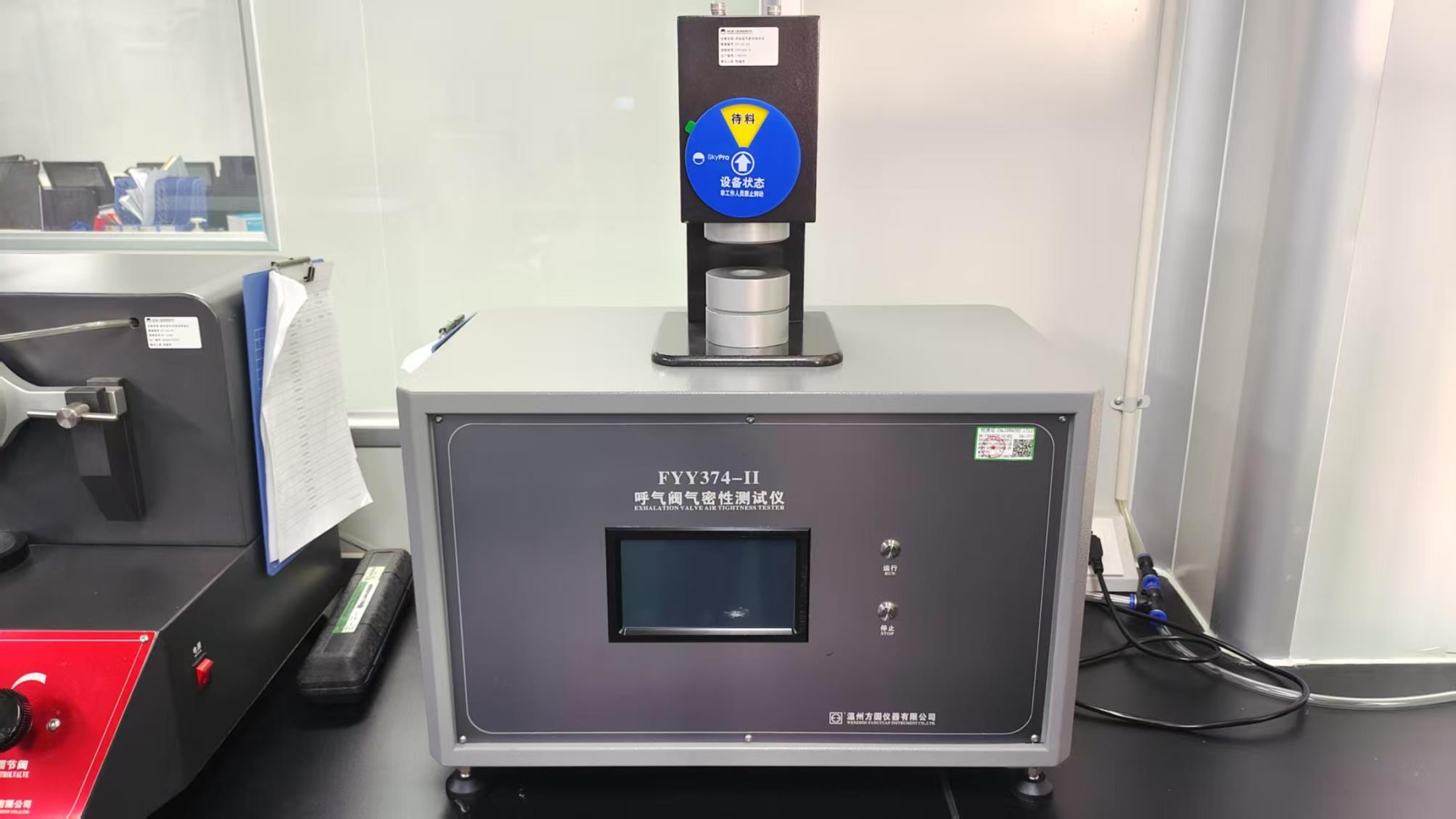
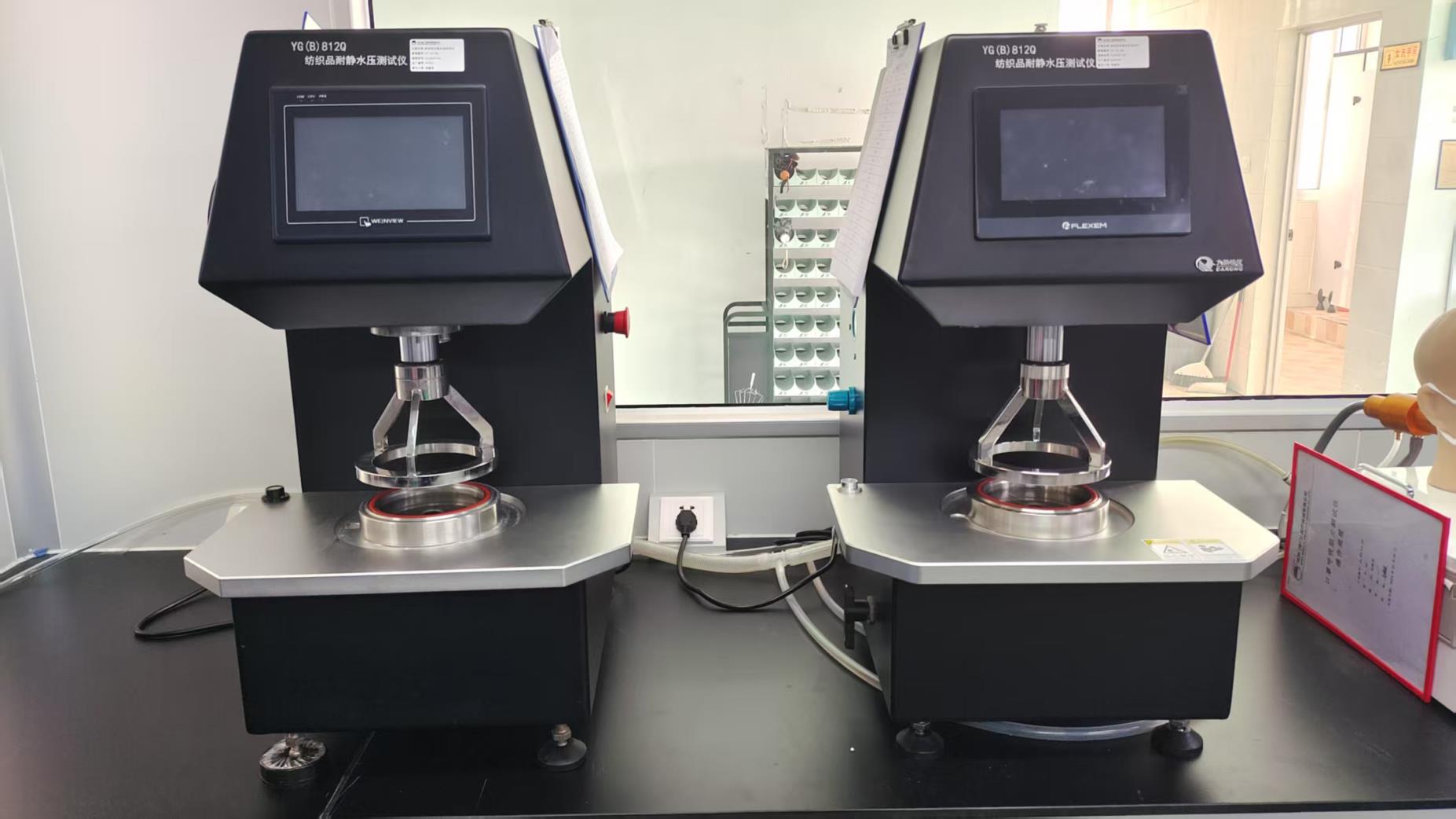
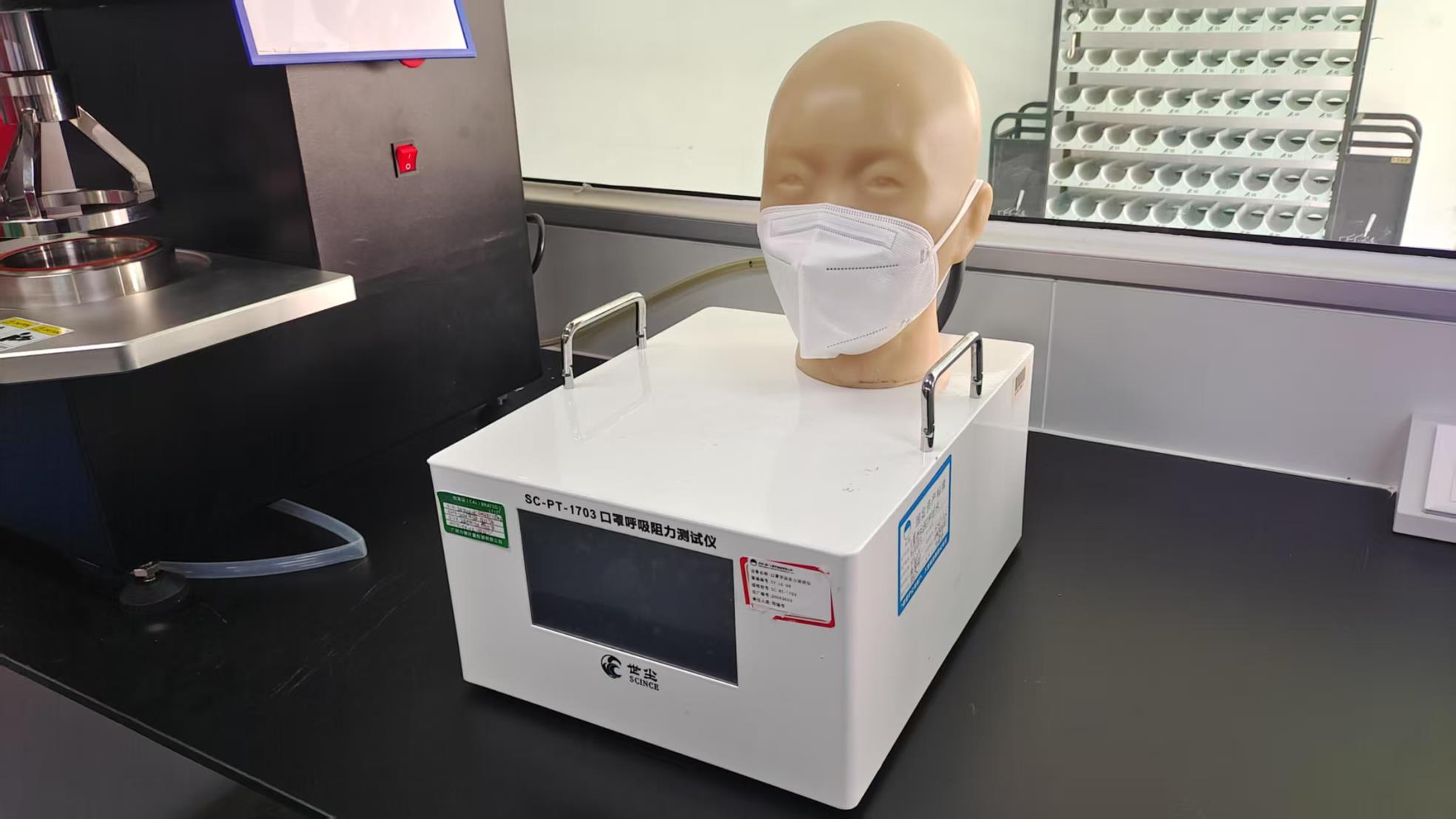
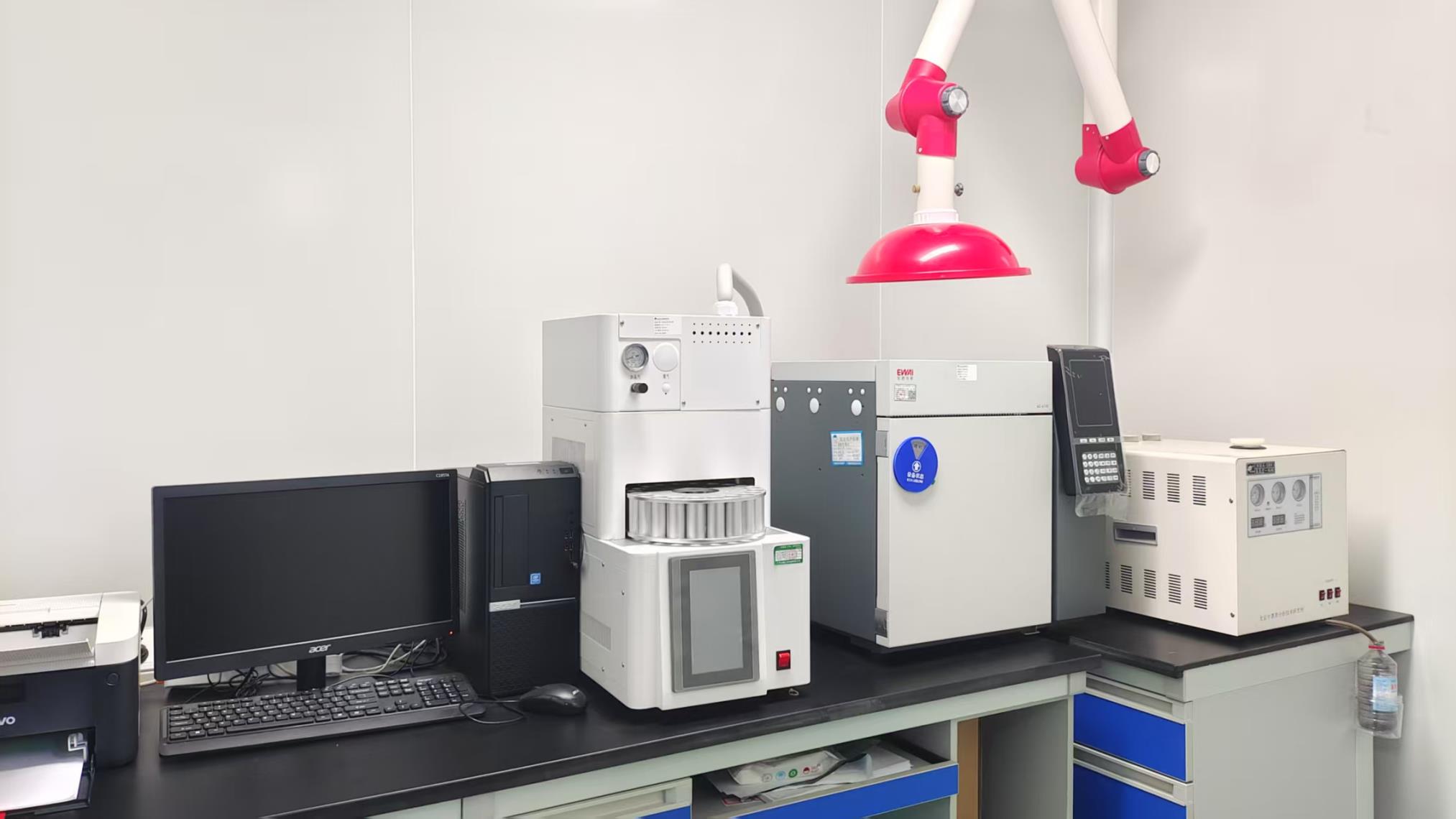
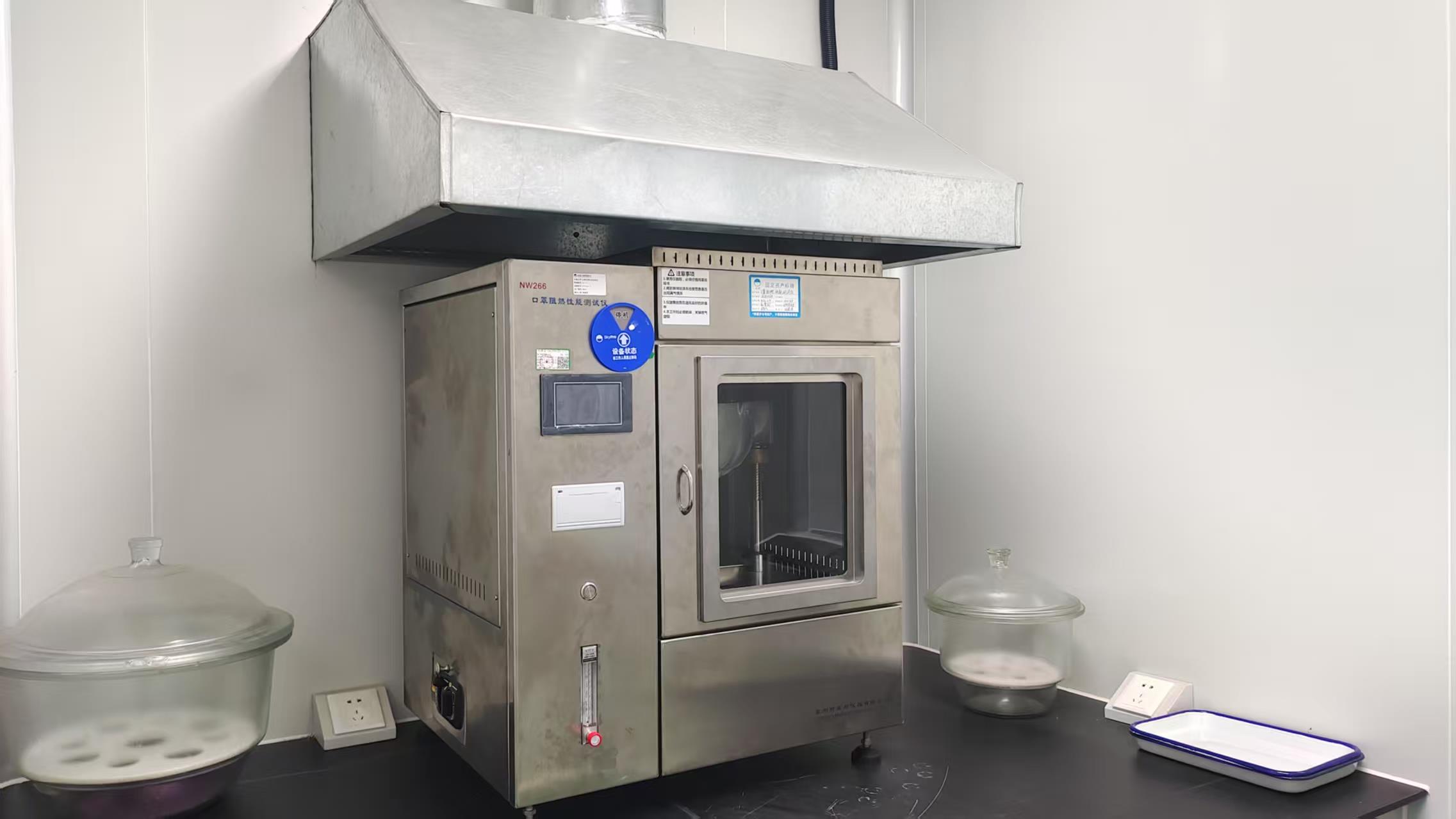
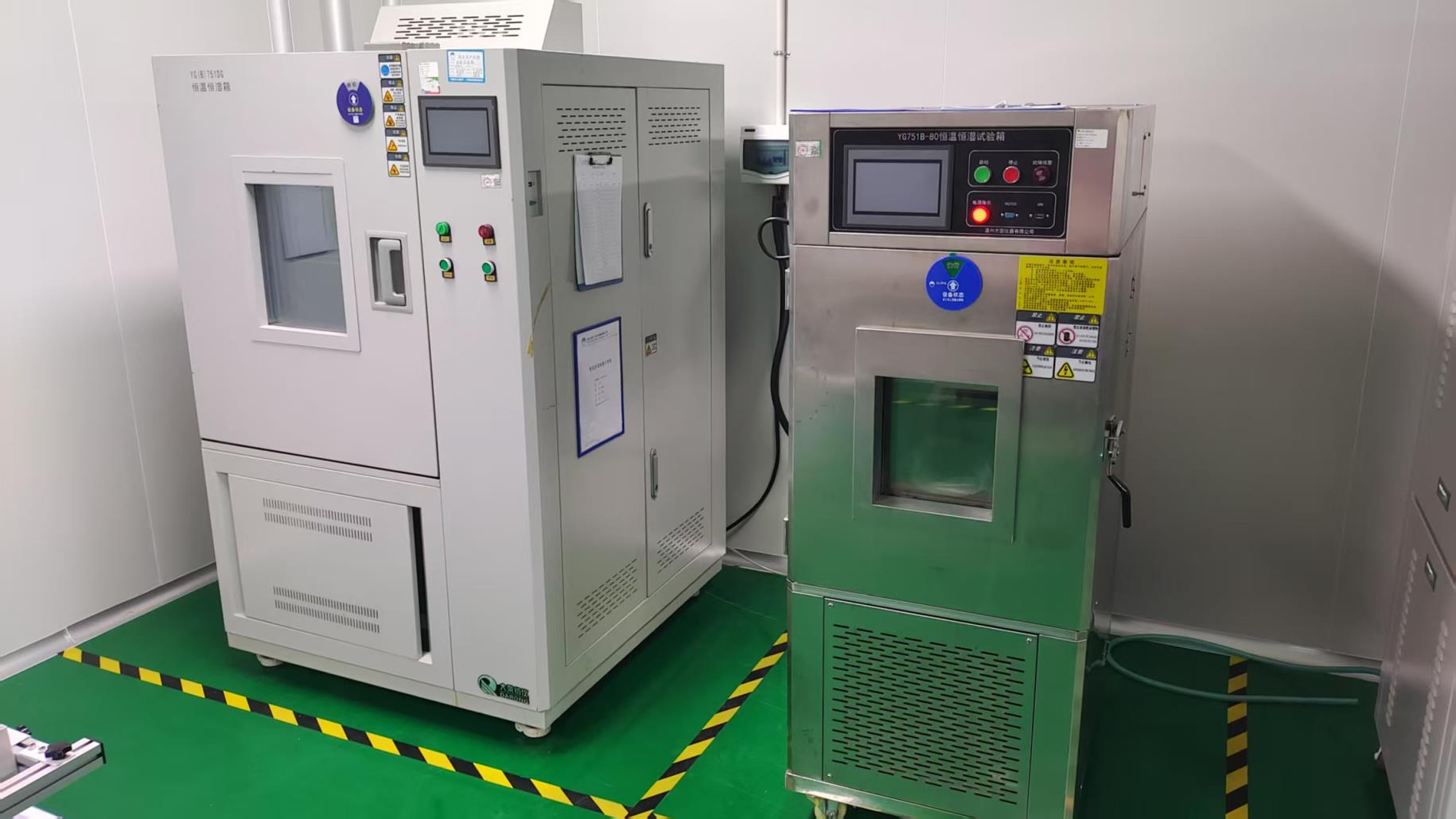
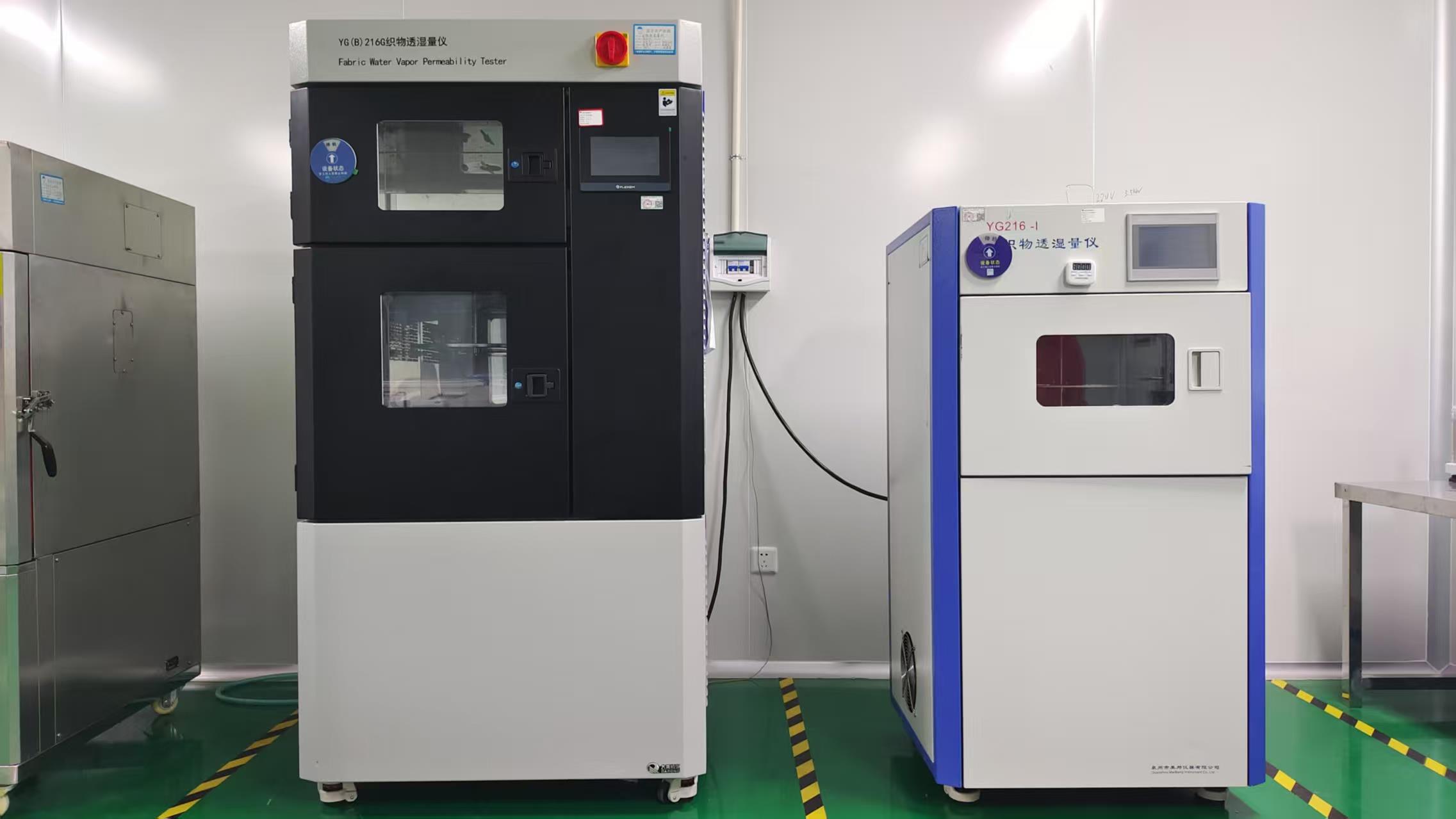
In cleanroom science, environmental compliance cannot be self-declared. It must be proven through strict validation. Our quality control platform is verified by a suite of physical testing mechanisms.
Using our *Synthetic Blood Penetration Instrument* and *Blood Penetration Tester*, we certify that porous cleanroom garments, barrier cuffs, and drapes prevent fluid strike-through even under elevated localized mechanical pressures.
By employing the *Textile Hydrostatic Pressure Tester* and *Respiratory Resistance Tester*, we balance filtration, barrier density, and air permeability. This guarantees that cleanroom operators remain protected while retaining standard respiratory comfort.
Our *Gas Chromatograph* screens polymers and textiles for volatile organic compound (VOC) outgassing. This stage prevents chemical outgassing inside clean hoods, safeguarding delicate silicon chips or embryonic tissues.
Before leaving the factory, each laminar flow hood undergoes extensive clean air validation including Aerosol Photometer Testing (leak verification), Anemometer Velocity Profiling, and Particle Count Scanning. These protocols meet EN 1822 and ISO 14644-1 parameters. Our ISO 13485 certification guarantees traceability and batch consistency for all critical barrier PPE, filtration screens, and support systems.
Exporting advanced scientific hardware requires deep knowledge of varying regional standards. We customize our export systems to meet local requirements:
Our laminar flow solutions conform to ANSI/ASHRAE 110 testing standards and are certified under UL 61010-1. All non-hazardous pharmaceutical workstations comply with USP Chapter <797> to meet FDA audit standards.
Our equipment meets CE directives and complies with EN 12469 for microbiological safety. HEPA filters are tested to EN 1822 standard, classifying them from H14 to U16 for filtration efficiency.
Our systems comply with JIS B9921 and global ISO requirements. We support local projects with tailored documentation including Installation Qualification (IQ), Operational Qualification (OQ), and Performance Qualification (PQ) protocols.
We work with trusted logistics partners to manage the complexities of international trade. From freight forwarding to customs clearances and localized electrical retrofitting (110V/60Hz vs 220V/50Hz), we ensure that your sterile benches arrive pre-calibrated and ready for installation.
The cleanroom industry is moving toward smart, energy-efficient operations. Our R&D department is designing the next generation of laminar flow hoods, focusing on three core goals:
Expert answers to common engineering, certification, and operational questions from our clients.
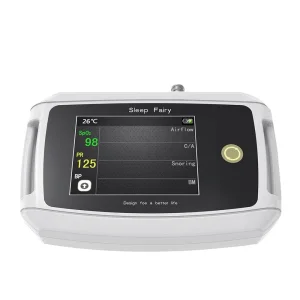
Explore our complete export catalog, featuring sterile barrier linens, custom diagnostic imaging systems, and patient monitoring setups.