Alhilal Healthcare
Alhilal Healthcare
Alhilal Healthcare
Explore our premier production catalog, spanning integrated laparoscopy towers, active urology plasma generators, and clinical protective wear designed for sterile operating theaters.
The global market for laparoscopic systems is undergoing a rapid evolution, shifting from traditional standard definition imaging towers to sophisticated 4K Ultra-HD, 3D, and fluorescence-guided robotic integration platforms. As healthcare clinics prioritize Minimally Invasive Surgery (MIS) to cut patient recovery intervals and minimize postoperative infection risks, laparoscopic devices have emerged as the foundational pillar of the modern surgical suite.
For international medical device brands, distributors, and group purchasing organizations (GPOs), navigating the logistics of sourcing equipment requires balancing advanced technological precision with rigorous fiscal responsibility. This dynamic is driving the global reliance on specialized OEM (Original Equipment Manufacturer) and ODM (Original Design Manufacturer) factories. These partnerships empower medical companies to customize camera control units (CCUs), light sources, and electrosurgical generators without bearing the prohibitive research costs of ground-up engineering.
Working directly with certified production hubs in Asia and Europe allows global partners to deploy equipment optimized for specific regional regulations (such as US FDA clearances, European CE marks, or China NMPA approvals). Sourcing from facilities that provide complete system integrations—ranging from HD rigid endoscopes and high-flow CO2 insufflators to sterile disposable consumables like surgical gowns, non-woven sleeve covers, and patient drapes—insulates supply chains from disruption.
Furthermore, standardizing the interface between the core electro-optical systems and their sterile barriers ensures optimal patient protection. A seamless combination of reliable optics and verified physical barrier solutions is key to achieving optimal outcomes in modern clinical operating rooms.
The technological trajectory of laparoscopic surgery is defined by imaging precision, algorithmic assistance, and robust material safety.
Transitioning from standard CMOS sensors to multi-chip 4K UHD systems integrated with Indocyanine Green (ICG) fluorescence imaging. This enables real-time perfusion assessment, precise anatomical visualization, and cleaner tumor margins during oncological interventions.
Embedding edge-AI processing inside camera control units (CCUs) to automate anatomical landmark detection, track instrument positioning, and issue automatic warnings when entering critical zones near vascular structures.
Developing specialized, single-use camera sleeves and reinforced drapes alongside the electro-optical hardware to protect high-value equipment and prevent cross-contamination in high-turnover outpatient settings.
In addition to imaging advancements, the industry is witnessing a structural shift toward Single-Port Laparoscopy (SPL) and micro-laparoscopic tools (2mm to 3mm diameters). These modifications reduce incision sizes, minimize patient discomfort, and lower the risk of incisional hernias. To support these miniaturized systems, OEM factories are modifying mechanical architectures, integrating rod lens arrays with fiber-optic configurations that maintain illumination intensity despite reduced footprints.
Bridging sophisticated physical sterile barrier systems with medical assembly lines.
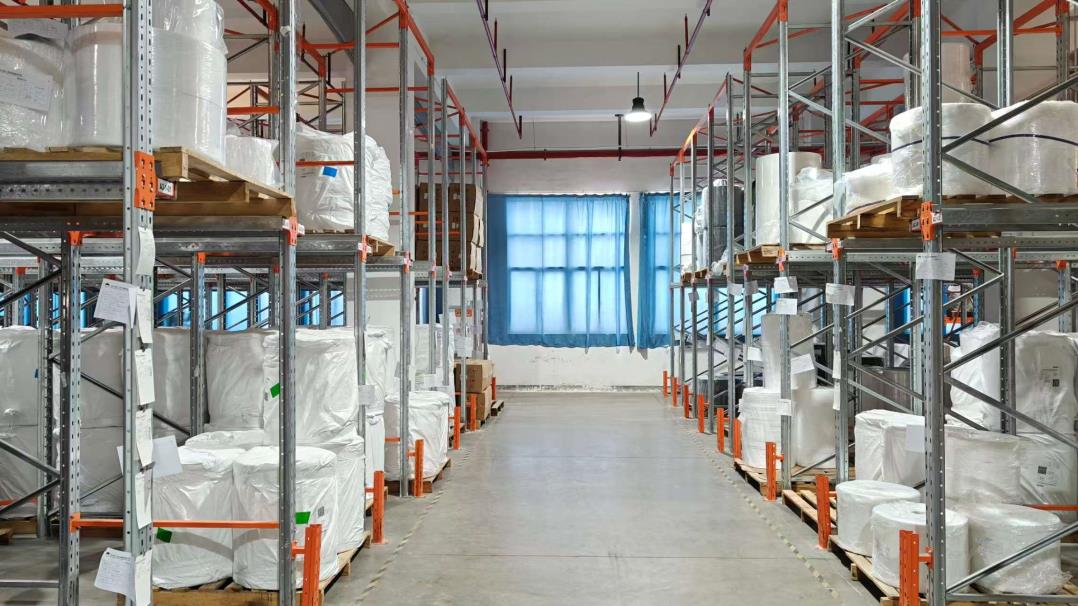
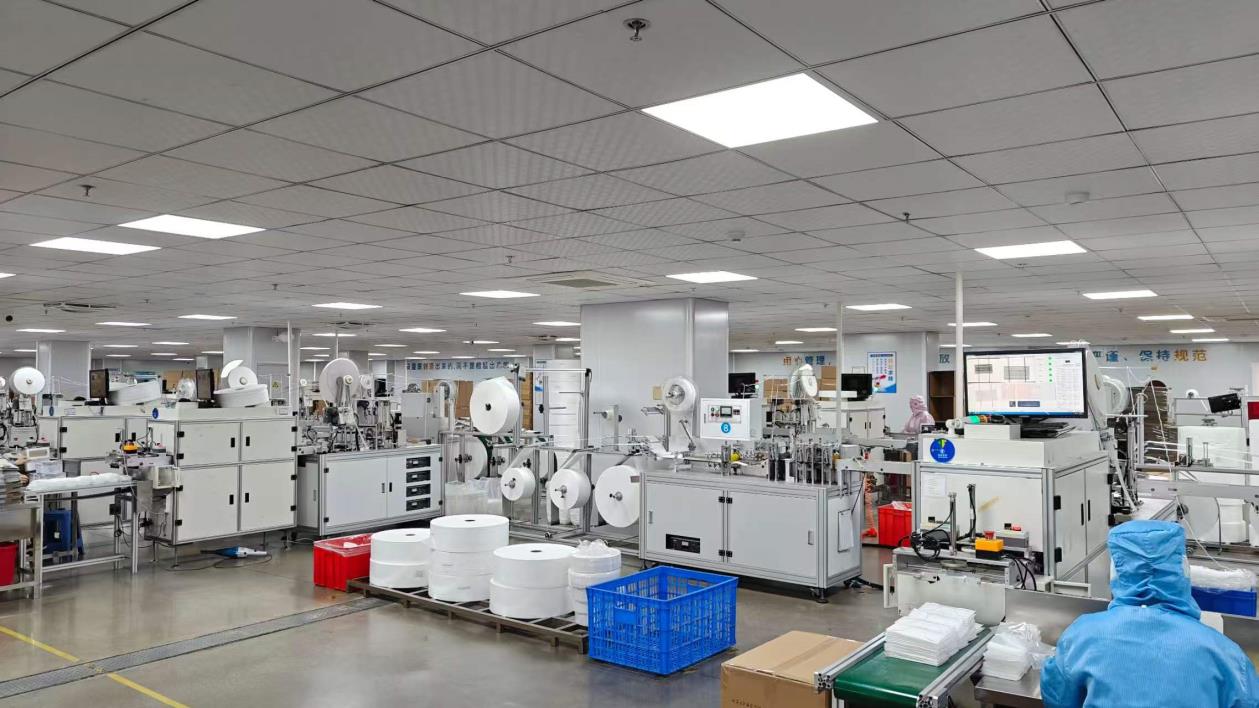
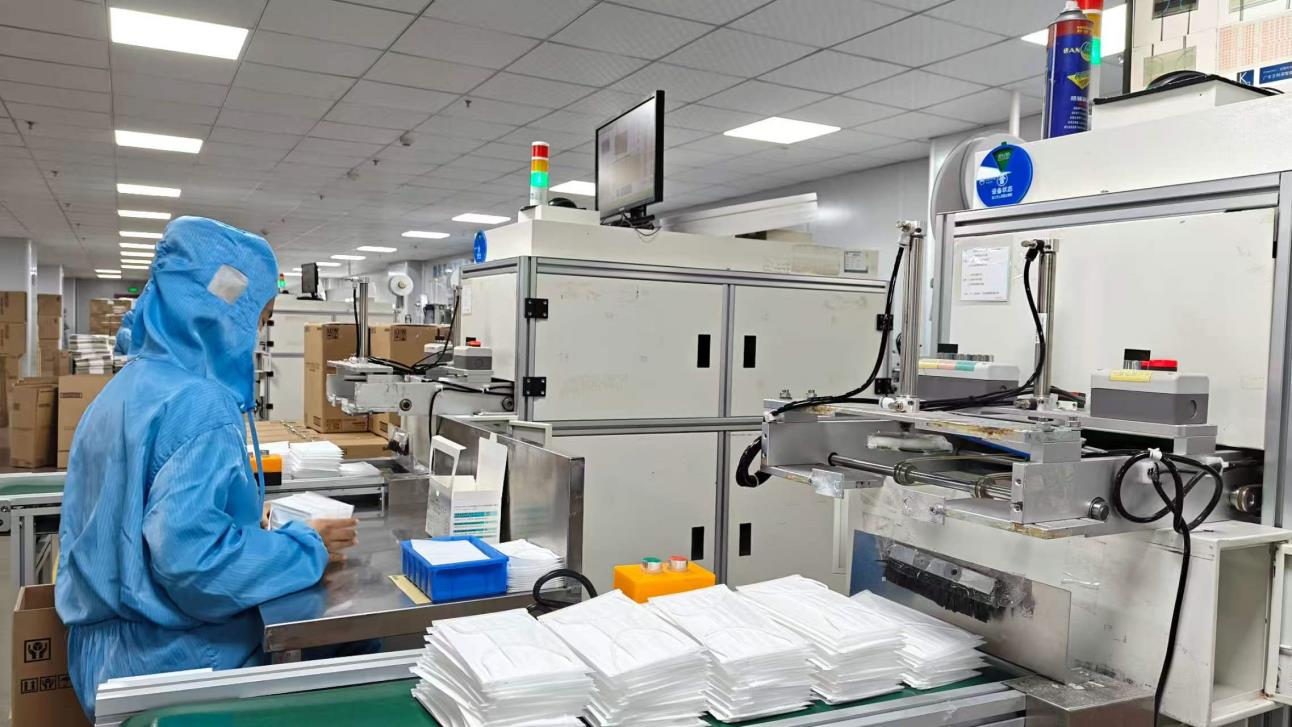
Our industrial production capabilities are anchored by our established factory founded in 2009, specializing in medical-grade personal protective equipment and sterile barrier systems for over 15 years. This foundational expertise ensures that every component surrounding your laparoscopic tower meets strict clinical safety profiles.
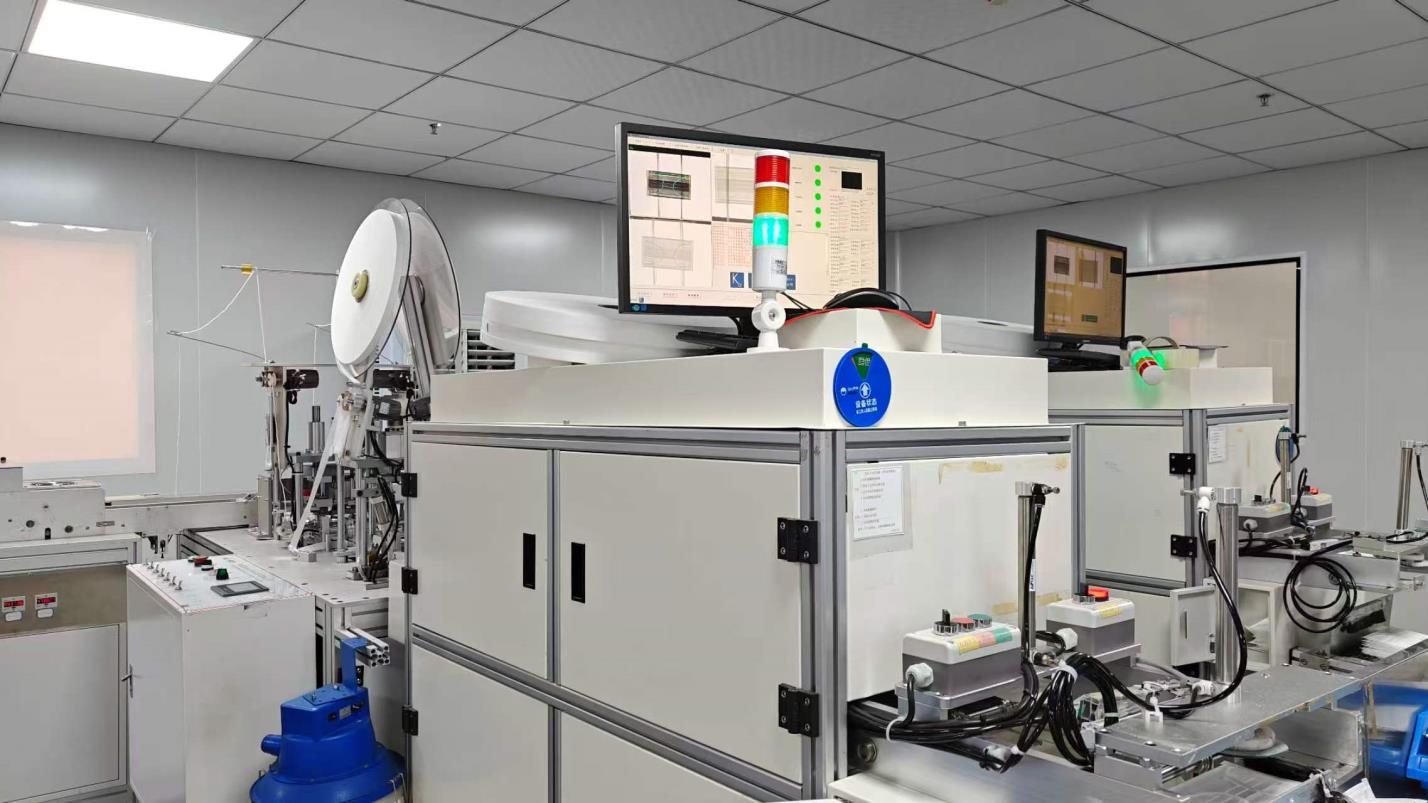
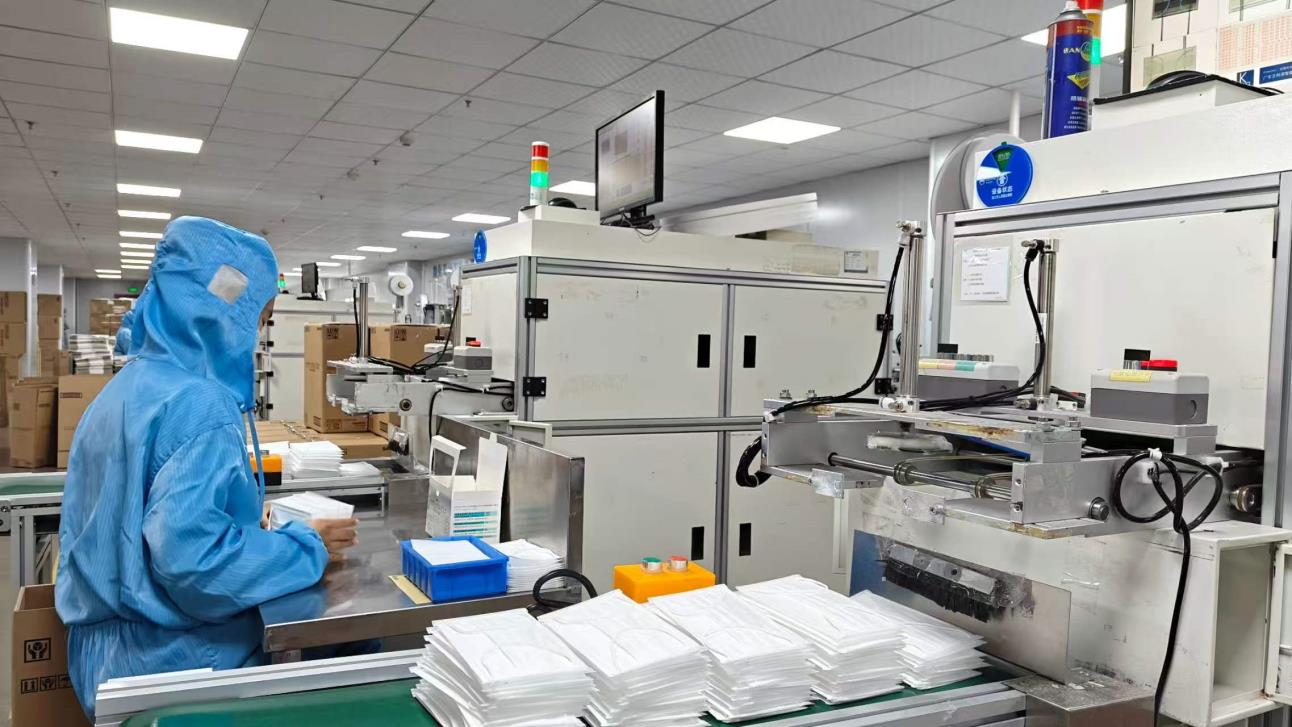
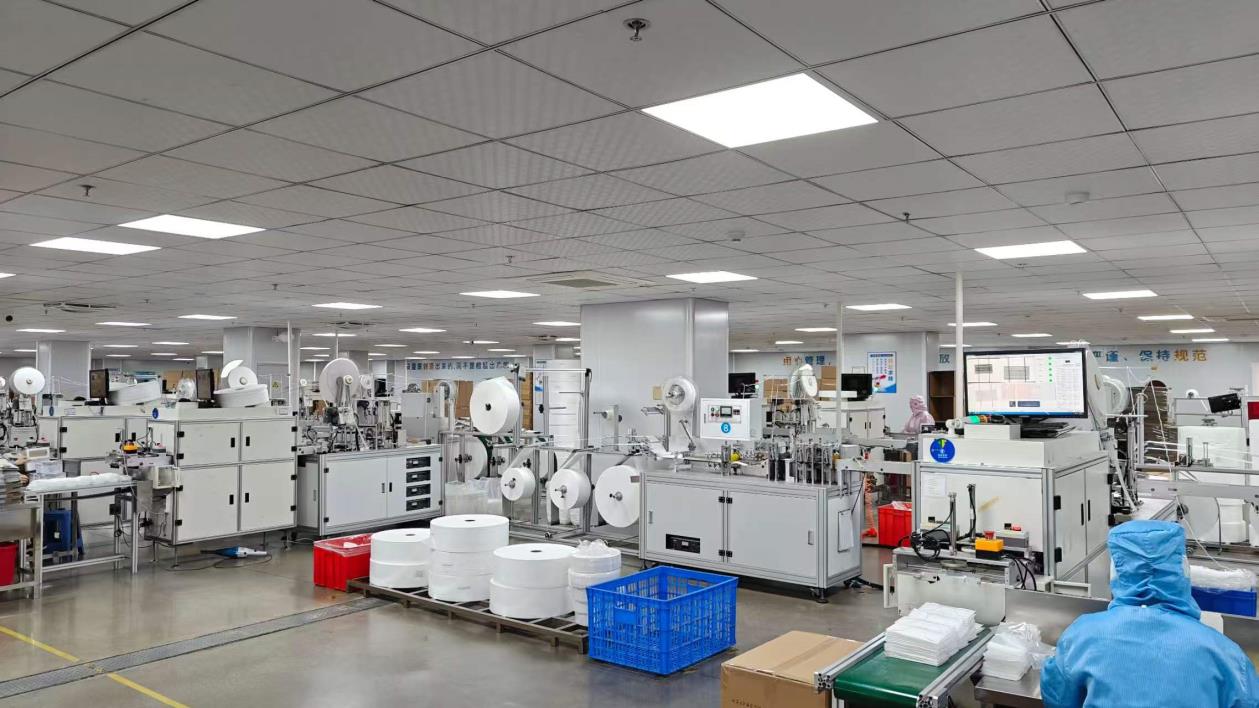
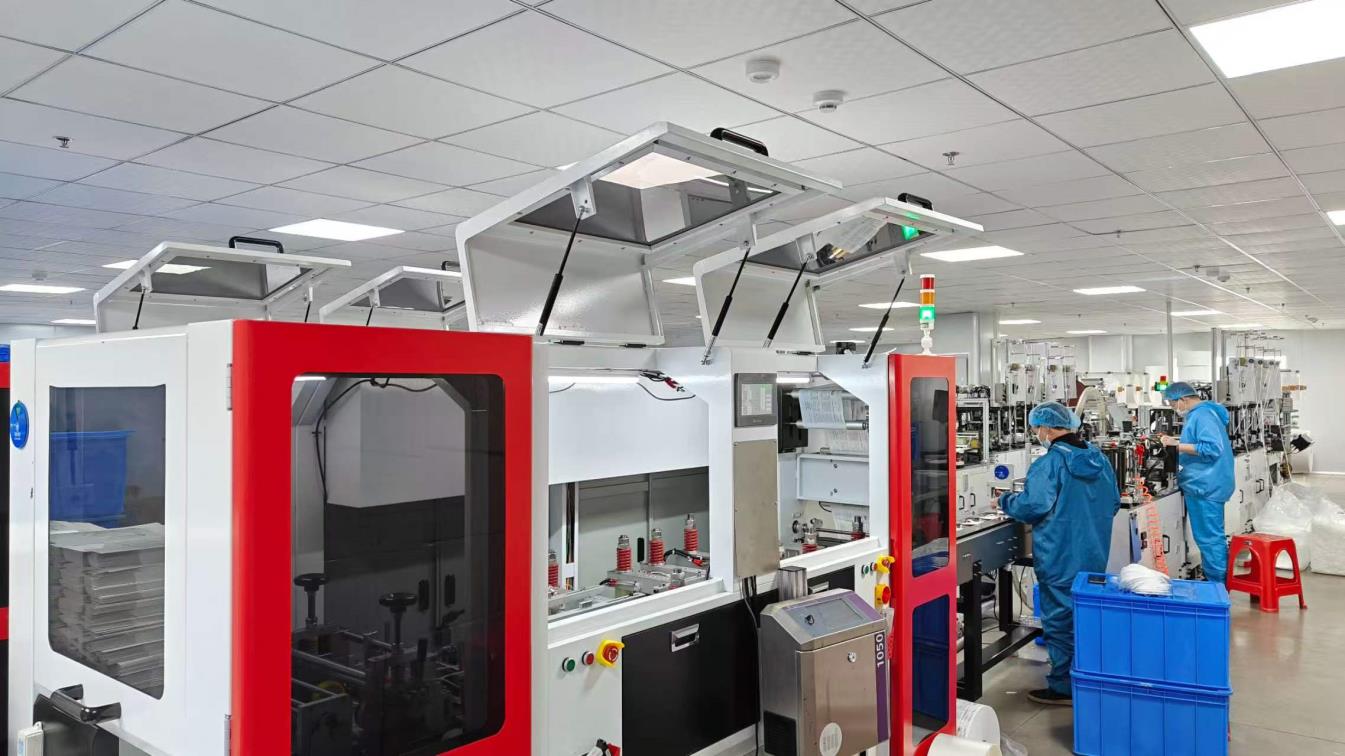
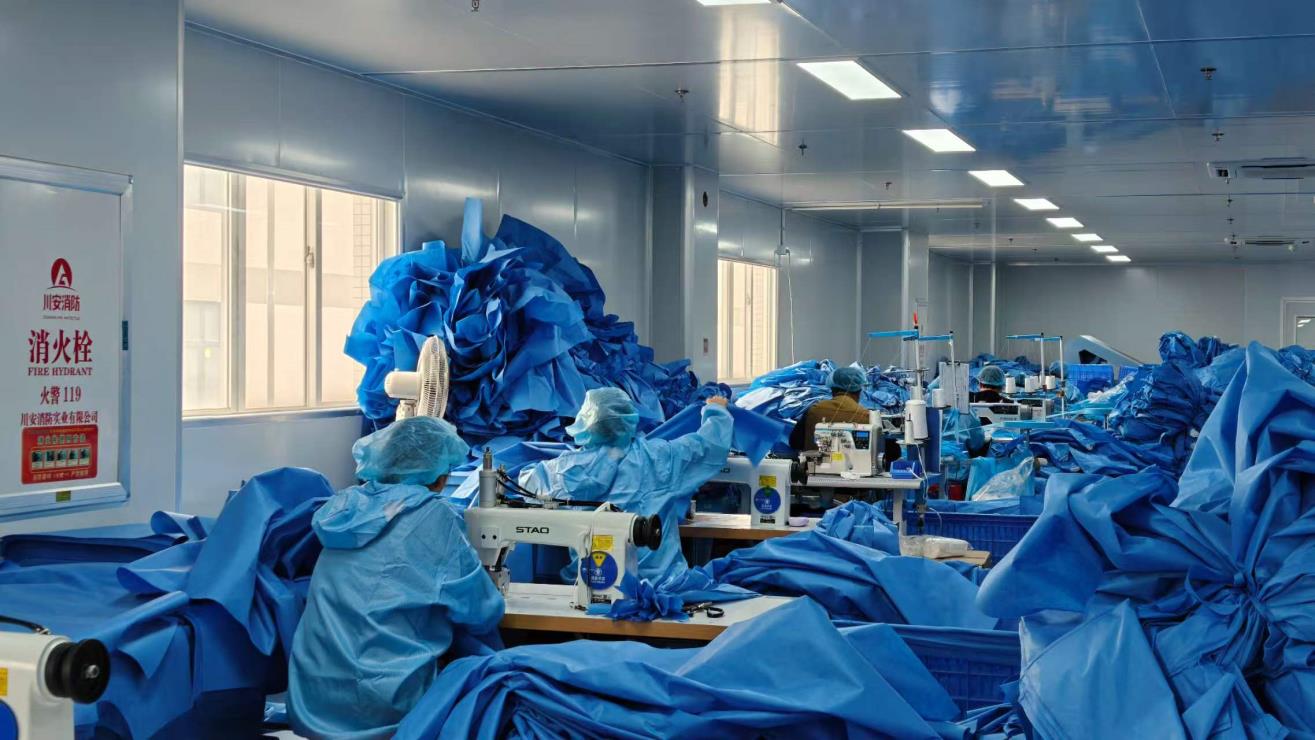
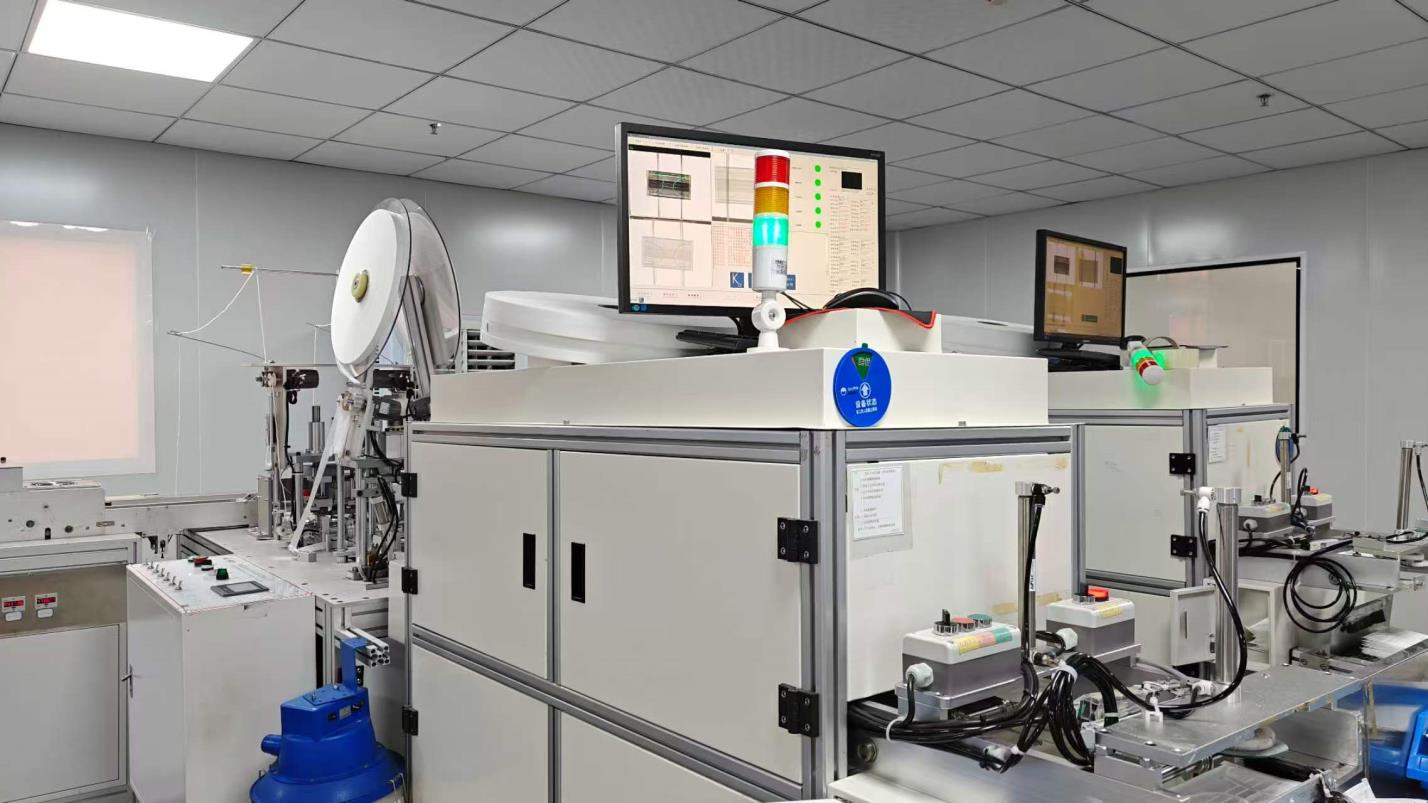
Today, our facility supports a workforce of over 500 skilled professionals. Spanning an operational area of more than 100,000 square meters, our facilities feature a state-of-the-art 6,000 square meter clean workshop. In this controlled environment, we manufacture high-precision medical-grade protective barriers, drape kits, and sterile accessories that isolate optical gear from contaminants.
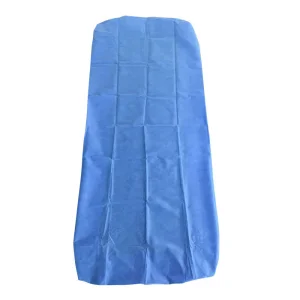
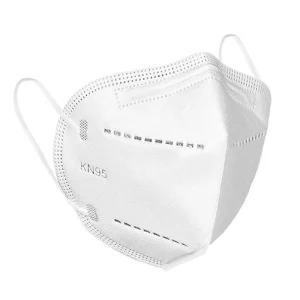
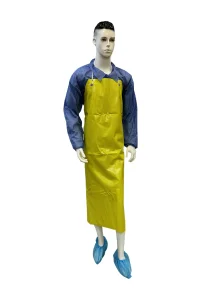
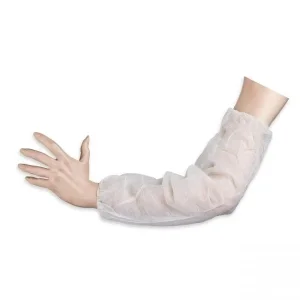
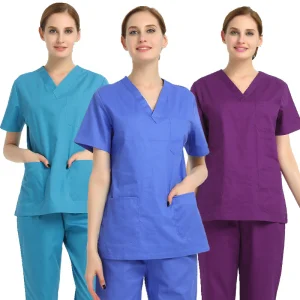
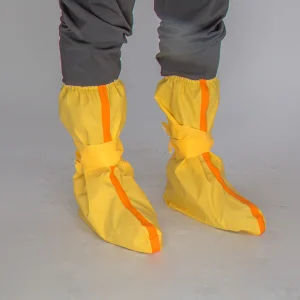
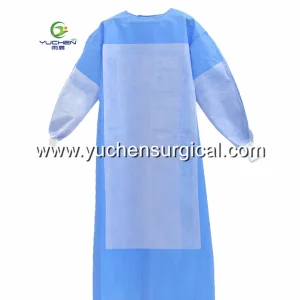
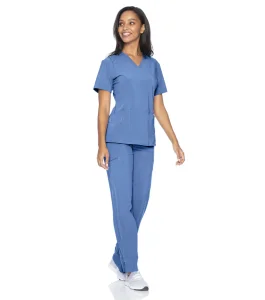
We supply a diverse range of medical protection items, including non-woven medical face masks, disposable coveralls, surgical gowns, disposable shoe covers, medical boot covers, disposable bed sheets, caps, lab coats, isolation gowns, scrub suits, aprons, and sleeve covers. To guarantee reliable performance for global hospitals and clinics, our processes are certified under ISO 13485 and CE standards.
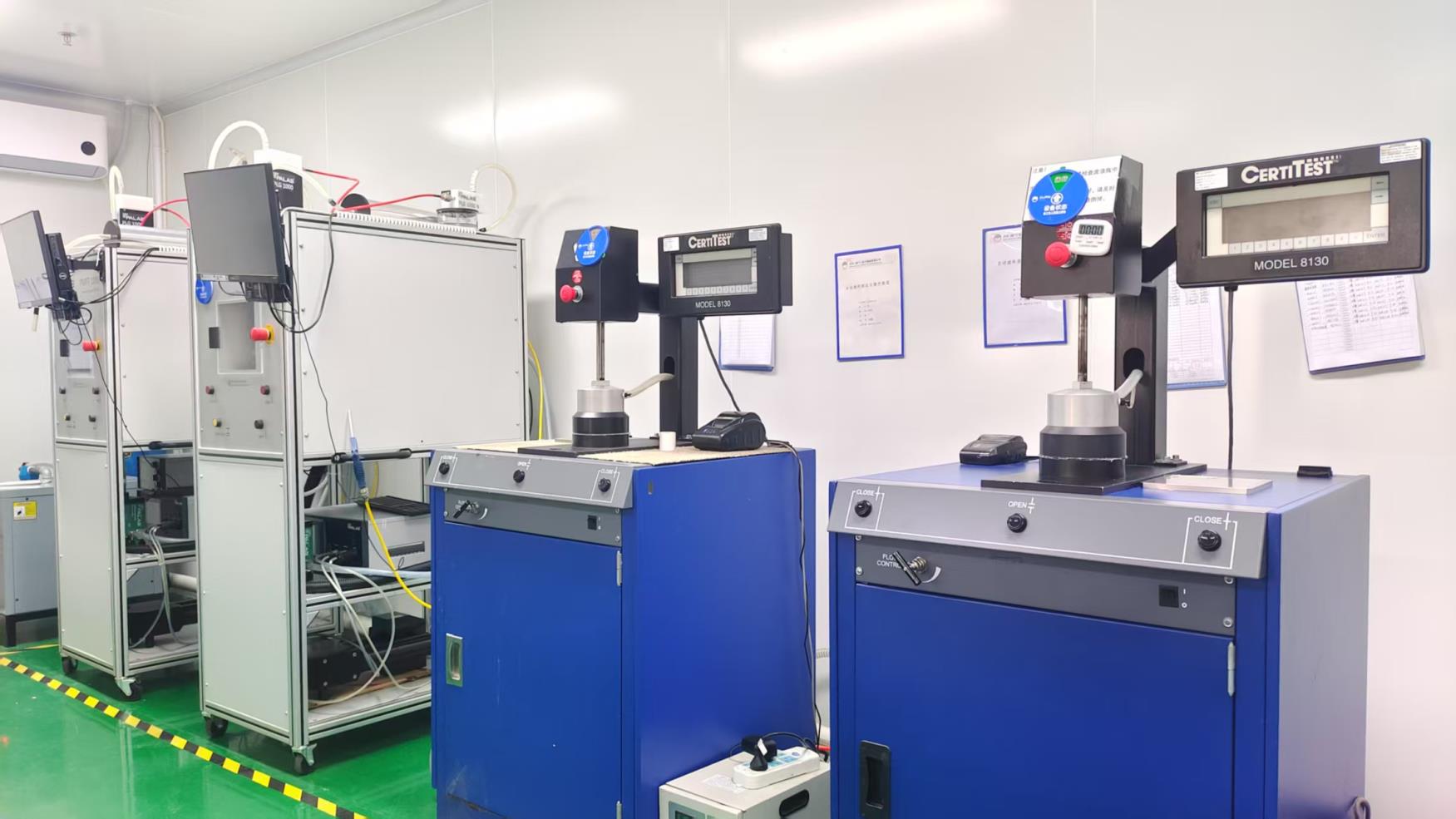
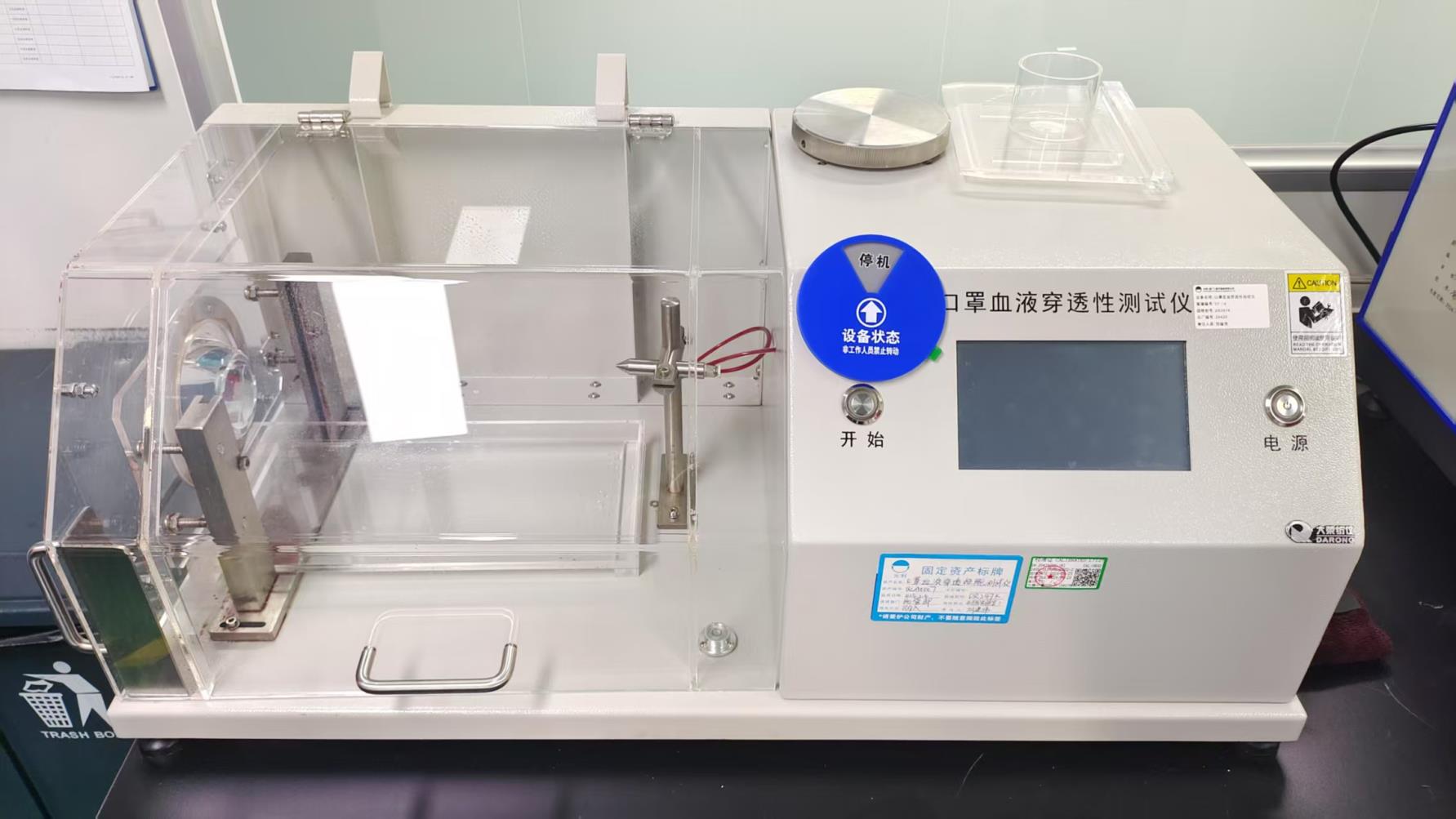
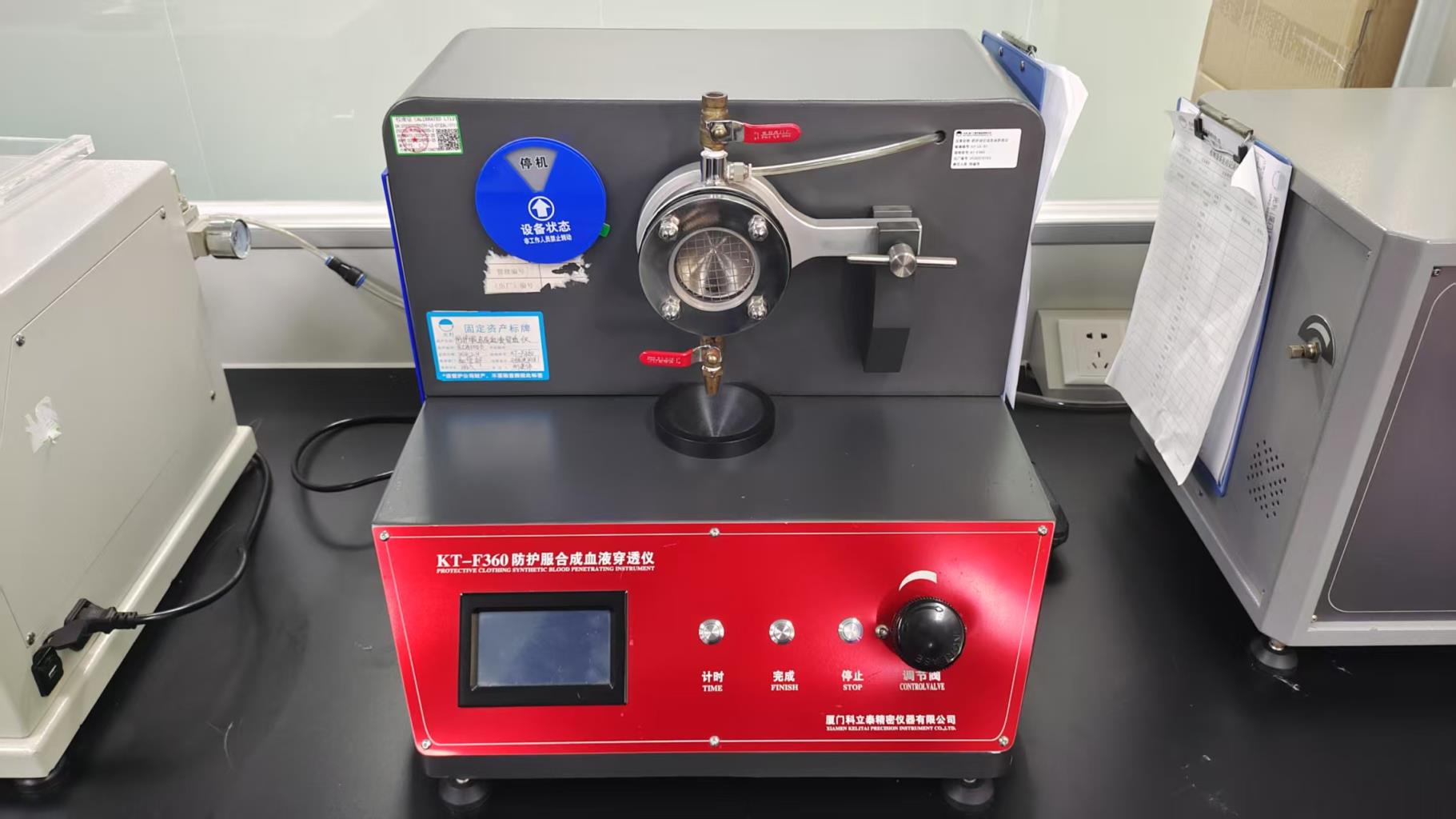
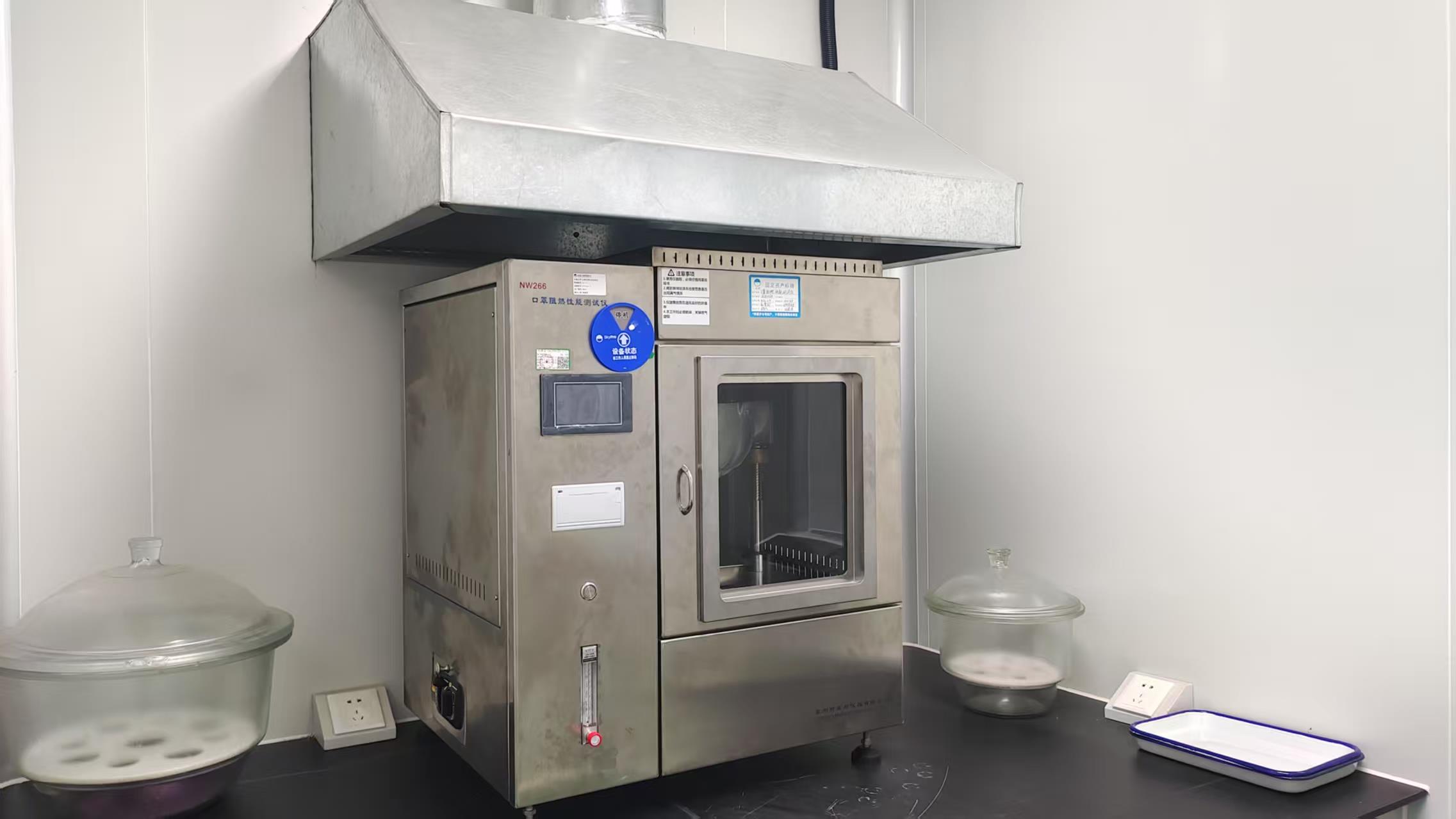
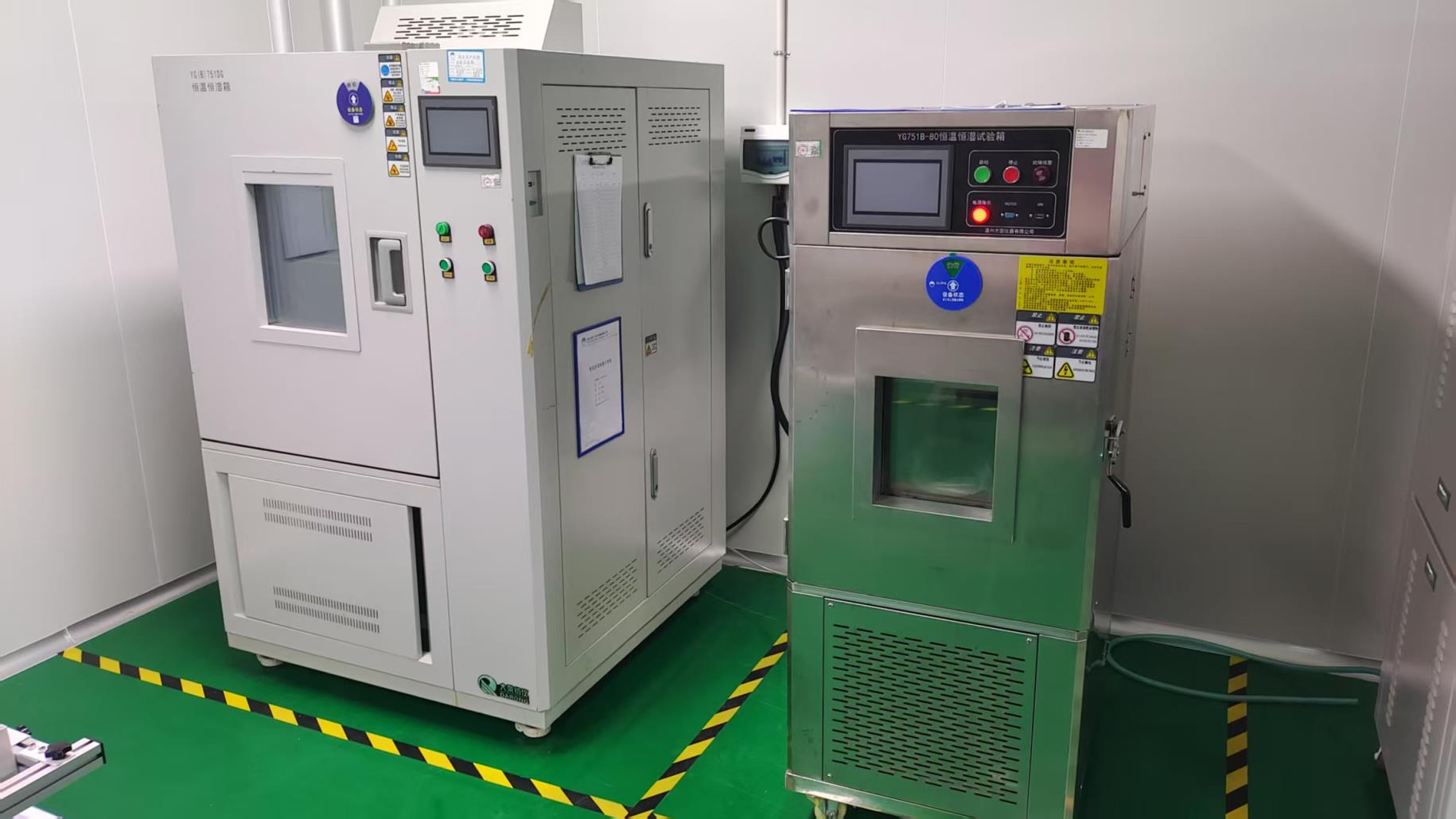
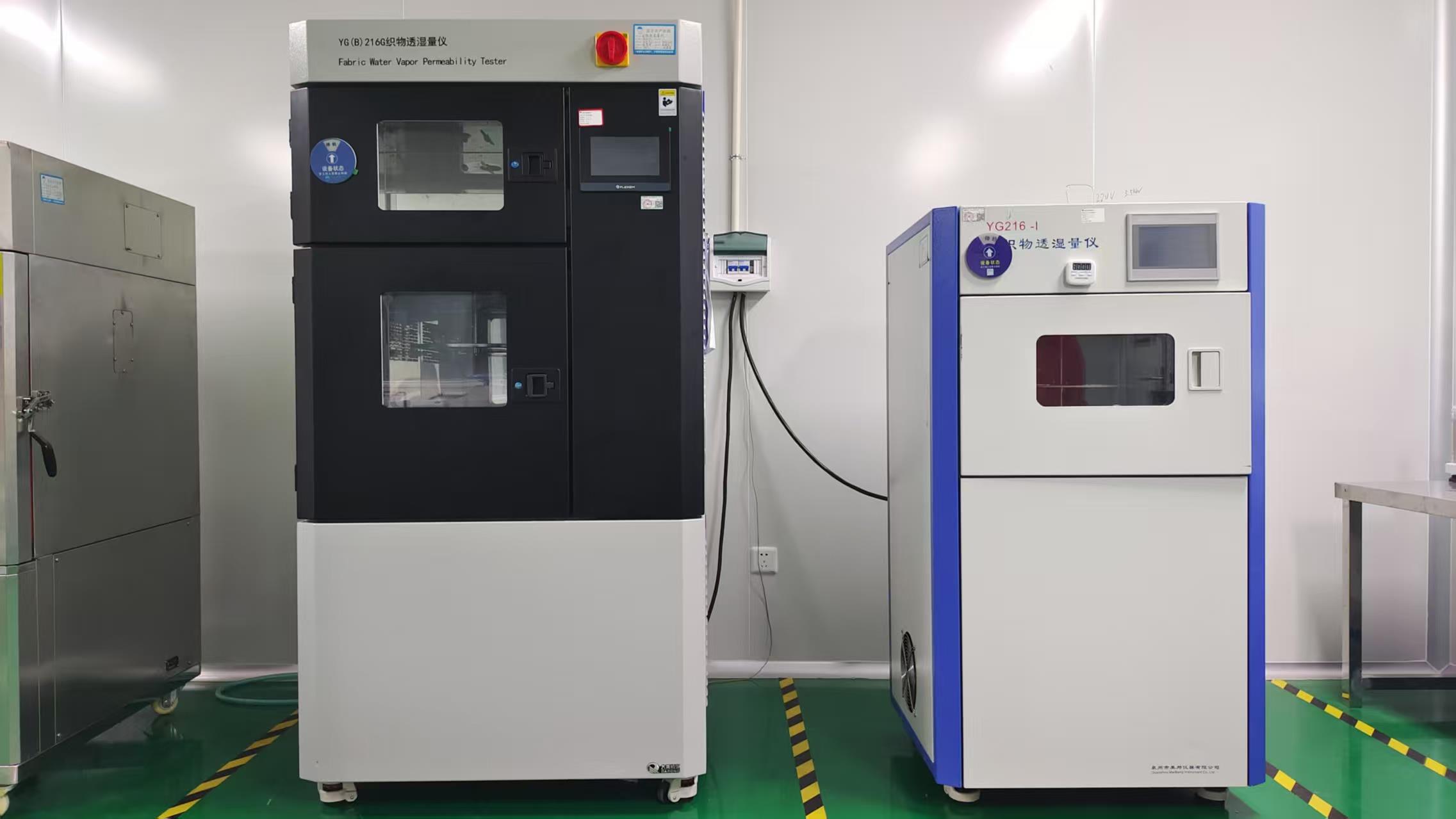
Every phase of our production—from raw materials to advanced optical and barrier testing—is monitored to guarantee compliance with global medical directives.
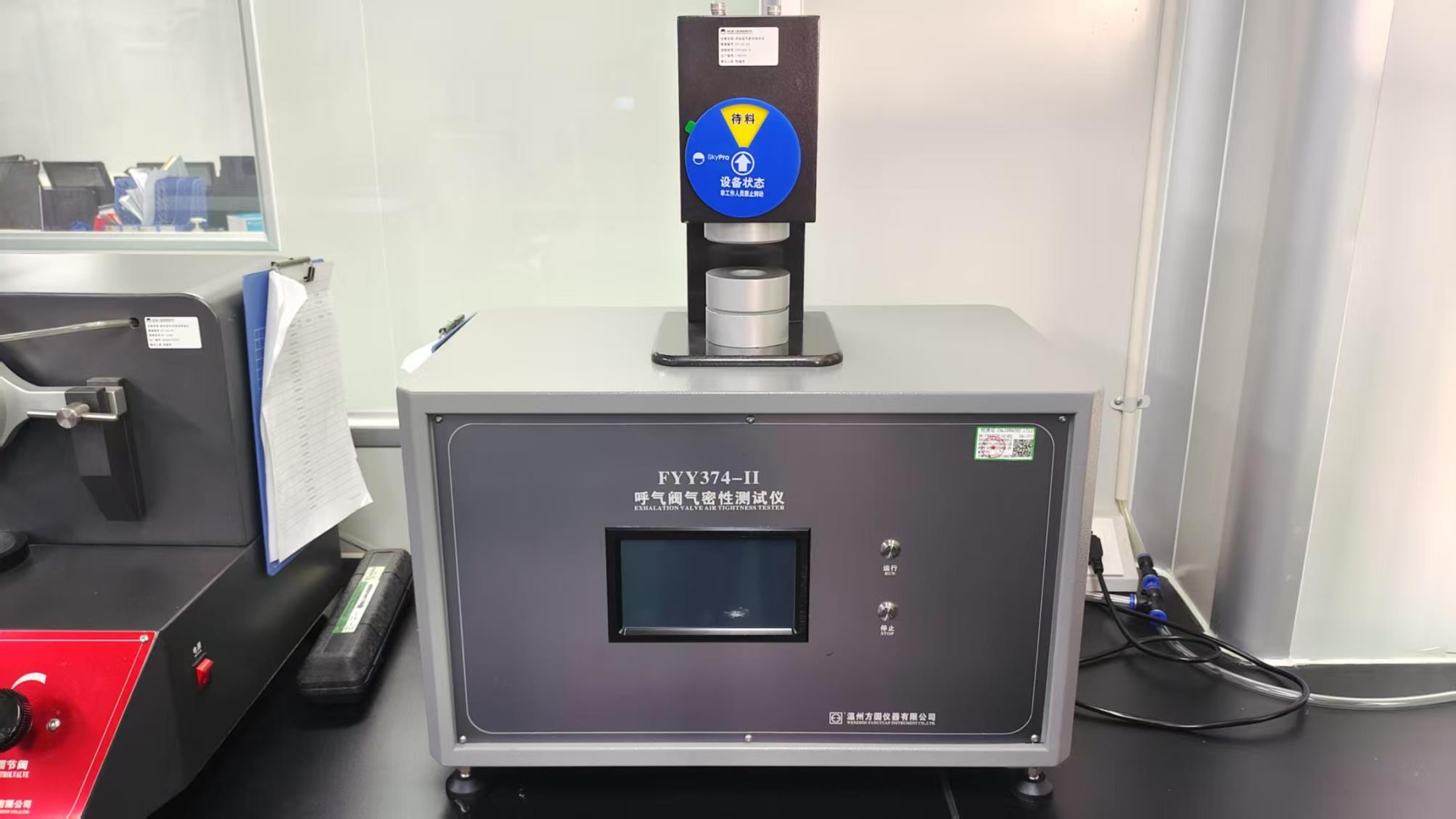
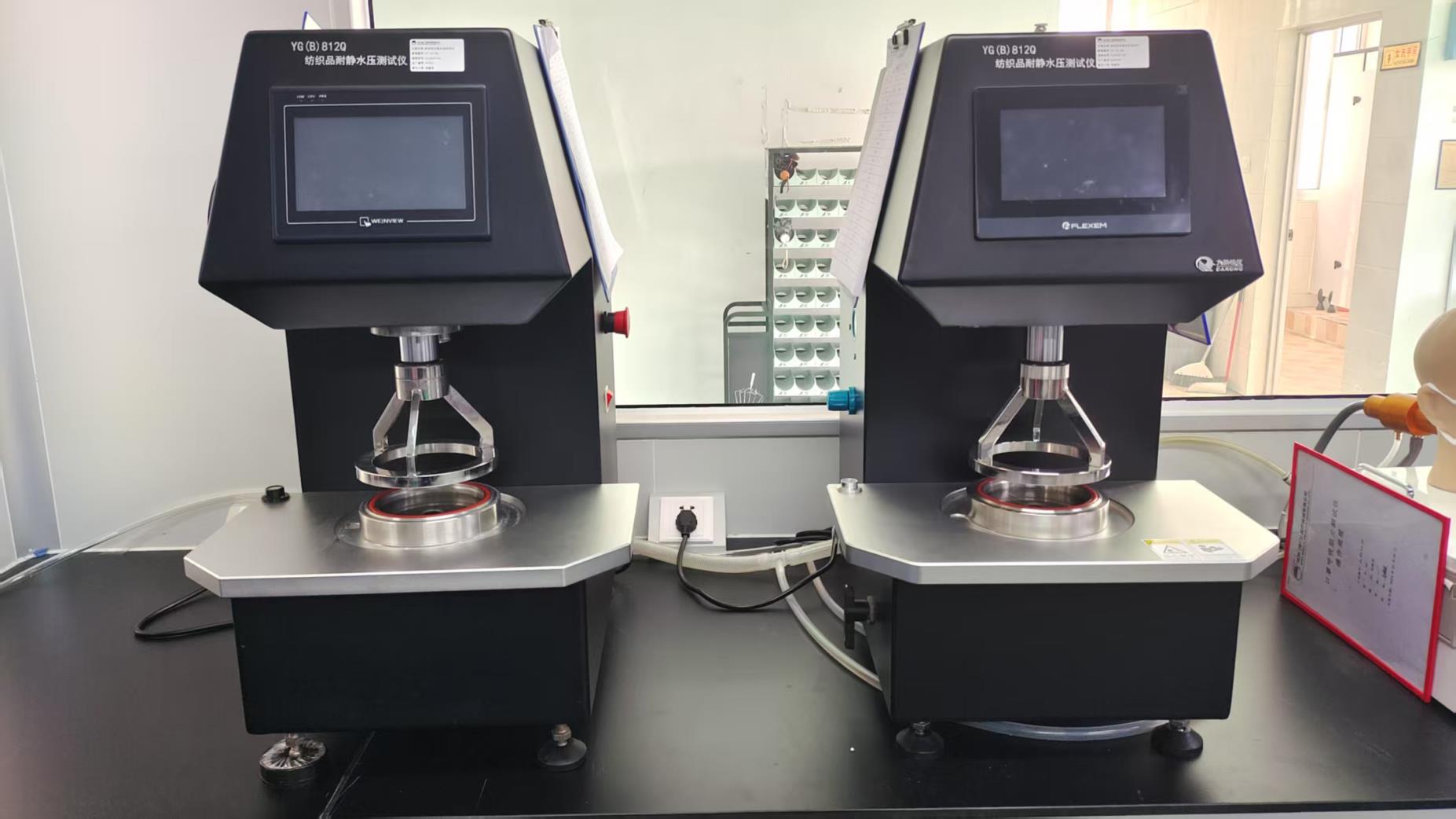
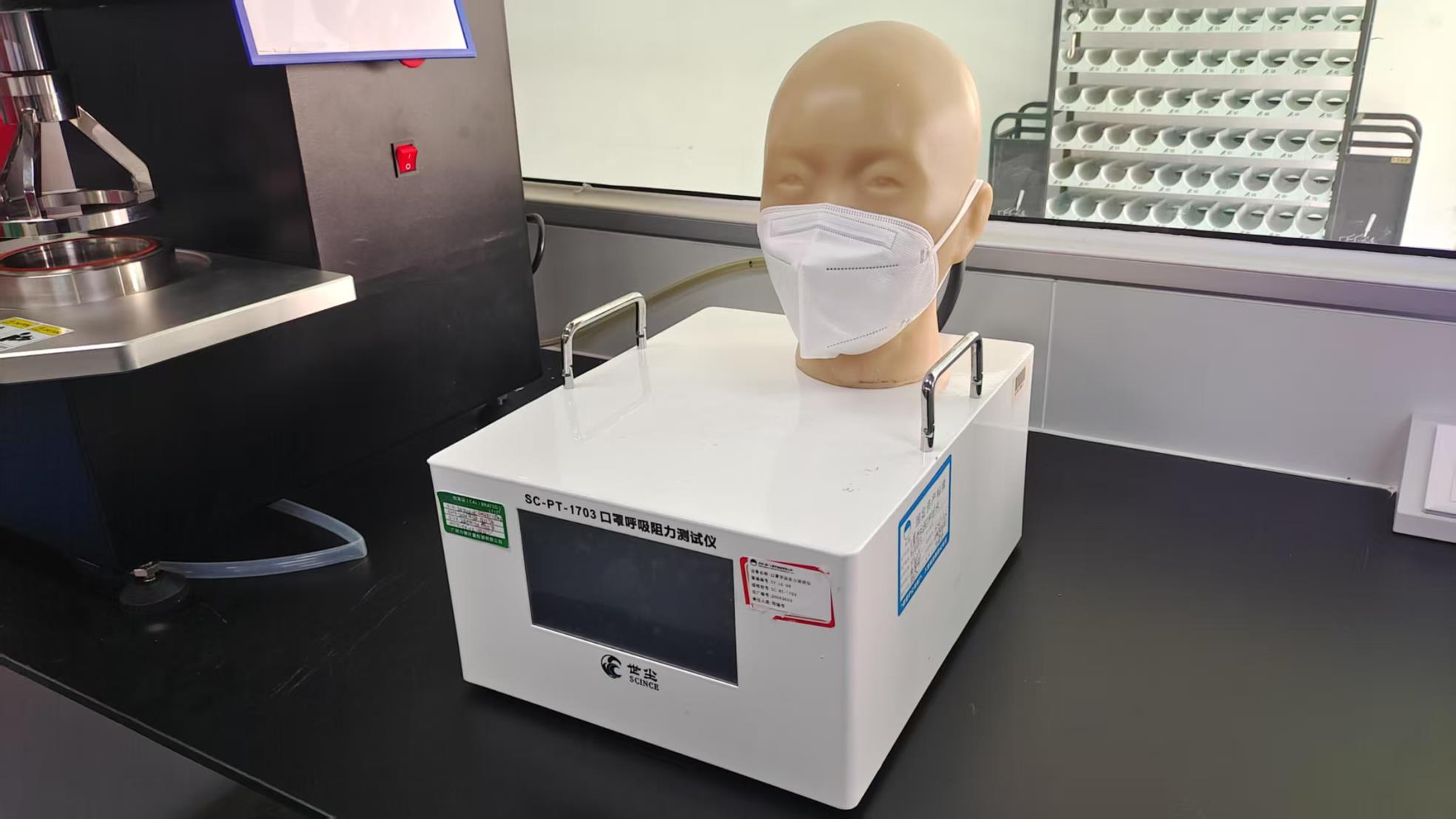
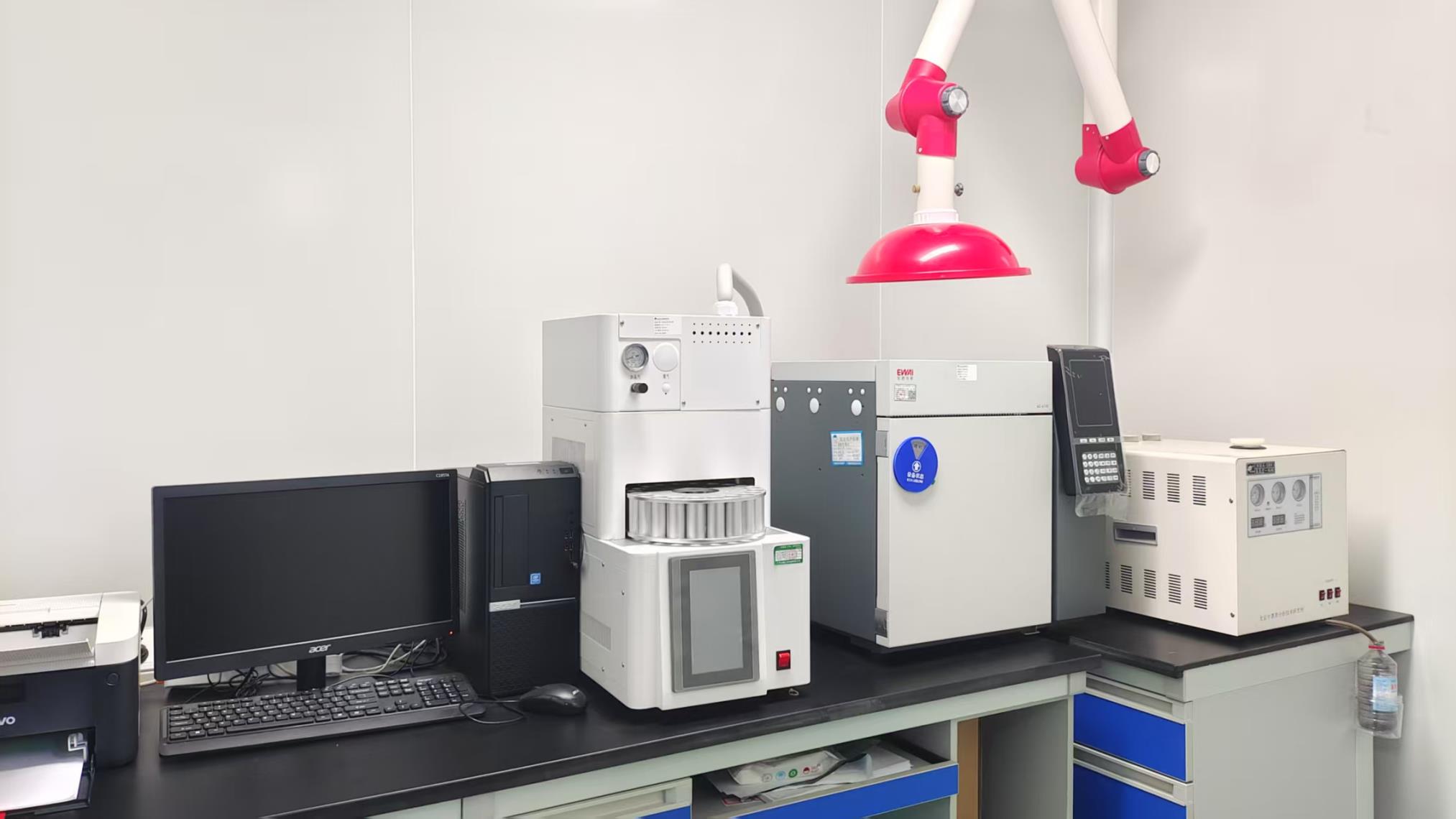
Different international markets face unique challenges and standards when upgrading their minimally invasive operating rooms. Recognizing these variations is crucial for purchasing departments and hospital administrators.
Highly structured clinical systems prioritize advanced electro-surgical systems and integration with hospital-wide PACS/EMR systems. Compliance with strict FDA guidelines and validation of disposable sterile barriers are primary priorities.
Stricter certification requirements under the EU Medical Device Regulation (MDR) emphasize long-term device safety profiles. Procurement teams look for ISO 13485 audited manufacturers that provide comprehensive documentation and traceability.
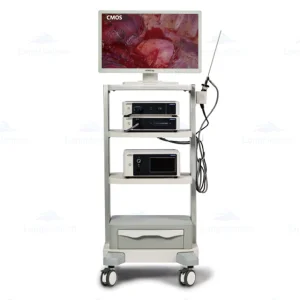
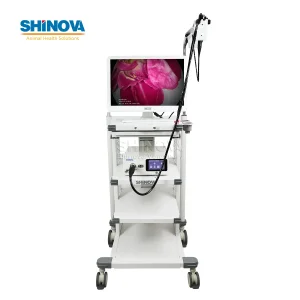
Rapid infrastructure growth drives demand for cost-effective laparoscopy towers that integrate HD camera modules, light sources, and carbon dioxide insufflators into single, space-saving mobile carts.
In municipal surgical wards, a primary challenge during lap surgeries is keeping the camera lens clean. As surgical smoke rises from electrosurgical dissection or dissection tools, it can settle on the distal lens, requiring the surgeon to remove the scope mid-procedure to clean it. Implementing dynamic smoke evacuation systems alongside sterile, anti-fog camera drapes helps maintain visibility and reduces operational downtime.
We provide full-service OEM and ODM product design for medical brands seeking integrated surgical portfolios. From the initial optical configuration and internal software adjustments to the delivery of private-label sterile packs, we provide a unified manufacturing path.
Rather than managing multiple vendors for surgical equipment and protective gear, partners can streamline their supply chain by sourcing both from our integrated production lines. Our facility delivers turnkey packages that include:
Fine-tuning lens configurations, light transmission efficiency, and camera sensor calibration.
Modifying user interfaces, localizing control menus, and adjusting color reproduction curves.
Manufacturing matching patient drapes, gowns, and camera drapes in our ISO class 8 cleanrooms.
Technical and regulatory insights for hospital procurement managers and medical device OEMs.
OEM/ODM partnerships allow medical brands to leverage established, certified production facilities, significantly reducing development timelines and capital expenditures. Distributors can customize camera control units, endoscopes, and custom software menus while utilizing our ISO 13485-certified assembly lines to ensure compliance with global regulatory frameworks.
Operating from our 6,000 square meter cleanroom workshop, we manufacture a comprehensive suite of single-use sterile drapes, camera covers, and protective gear. These products prevent cross-contamination between the non-sterile camera head/cable and the sterile operating field. Each batch undergoes bioburden testing, and residual sterilant levels are analyzed via gas chromatography to guarantee patient safety.
A 1CMOS camera utilizes a single image sensor with a Bayer filter array to reconstruct color, which is suitable for standard examinations. A 3CCD or 3CMOS design utilizes a prism to split incoming light into dedicated red, green, and blue wavelengths, channeling them onto three independent sensors. This configuration results in superior color fidelity, reduced image noise, and sharper spatial resolution, which is essential for identifying fine vascular paths.
ISO 13485 defines the quality management systems (QMS) specifically required for medical device manufacturing. It enforces strict standards for risk assessment, design control, cleanroom environmental monitoring, material traceability, and sterilization validation, ensuring that every manufactured device remains safe and reliable throughout its lifecycle.
In our quality control laboratory, we utilize specialized hydrostatic pressure and synthetic blood penetration testers. These devices apply continuous hydraulic pressure to non-woven materials, verifying that the fabric blockades pathogens and fluids under the pressures encountered during dynamic laparoscopic irrigation procedures.
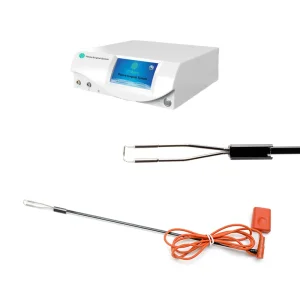
Yes, our OEM towers are designed with open, modular architectures. The video control units and insufflator components can connect with industry-standard energy platforms, including urology plasma generators and high-frequency electrosurgical units, via standard video outputs and serial communication ports.
Raw materials undergo testing for tensile strength, fluid repellency, linting propensity, and bioburden. Fabric water vapor permeability and flame resistance are also evaluated to ensure that drapes and gowns are both protective and comfortable for surgical teams during long procedures.
Ethylene oxide is highly effective at sterilizing heat-sensitive medical devices, but residues can be toxic if they exceed strict thresholds. We utilize high-precision gas chromatography to verify that EO residues on our sterilized drapes, gowns, and camera covers are well below regulatory limits before packaging and shipping.
Explore our full line of clinical supplies, from high-definition video camera systems to diagnostic units, patient monitors, and sterile consumables.