Alhilal Healthcare
Alhilal Healthcare
Alhilal Healthcare
Direct factory-sourced physiological monitoring arrays, endoscope visualization systems, and specialized personal protective equipment engineered to international safety standards.
In modern healthcare procurement, the integration of advanced capital equipment like patient monitoring systems with reliable personal protective equipment (PPE) and clinical consumables has emerged as a cornerstone of risk management and operational efficiency. Hospital networks and international exporters no longer treat hardware and disposables as separate categories. Instead, they seek holistic partnerships where clinical hardware is supported by compatible, sterile environments.
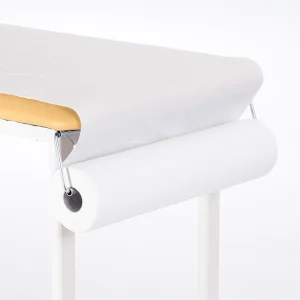
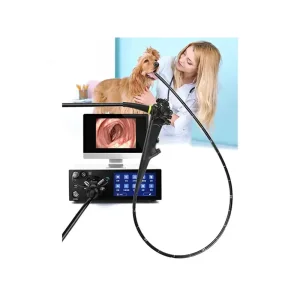
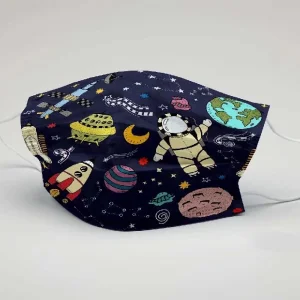
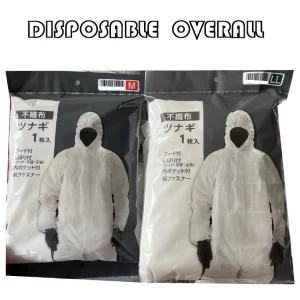
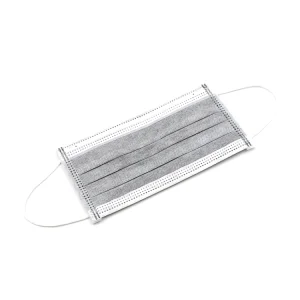
As a premier manufacturing force established in 2009, our operations bridge this gap. Providing state-of-the-art diagnostic visualization tools—ranging from gastrointestinal endoscopes to portable telemetry units—we concurrently produce the essential protective barriers that safeguard clinical personnel and patients alike. By consolidating procurement across high-precision diagnostic monitors and high-volume sterile disposables (such as nonwoven surgical bed sheets, isolation gowns, and certified face masks), global healthcare distributors can significantly optimize logistics, ensure strict sterility standards, and achieve unparalleled economies of scale.
The patient monitoring landscape is undergoing a paradigm shift driven by digital transformations and the rise of remote care delivery. Traditional systems, once confined to bedside units in high-acuity environments, have expanded into decentralized, interconnected ecosystems. Modern clinical environments require continuous patient tracking across all care stages, utilizing various technological configurations:
On-device machine learning algorithms that process ECG signals, photoplethysmography (PPG), and respiratory metrics in real time. These edge systems can filter out artifact noise, reduce alarm fatigue for ward staff, and detect critical cardiac anomalies such as atrial fibrillation hours before physical symptoms manifest.
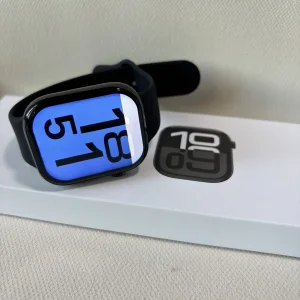
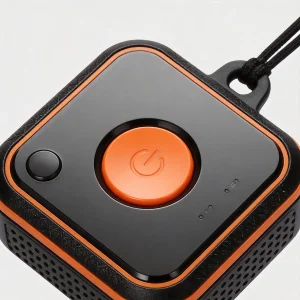
Integration of wireless communication interfaces (Wi-Fi, Bluetooth 5.0, NB-IoT) directly into monitoring hardware, including wearable smart devices like the S10 Sleep Oxygen Monitor. This facilitates seamless remote patient monitoring (RPM) and allows continuous clinical-grade data logging from the patient's home.
Moving away from isolated silos. Contemporary systems employ standardized communication frameworks, such as HL7 and FHIR, allowing vital statistics to flow automatically into Electronic Health Record (EHR) platforms, enabling synchronized observation during complex procedures.
B2B medical equipment buyers, government health ministries, and commercial distributors face intense pressure. The sourcing process for clinical devices and protective garments demands rigorous attention to regulatory compliance, reliable supply chains, and superior total cost of ownership (TCO). Critical factors in the procurement lifecycle include:
Many suppliers act merely as trading entities, introducing supply chain vulnerability. Partnering directly with a physical manufacturer that integrates vertical production (from raw material meltblown fabric processing to final automated assembly and packaging check) guarantees consistent production volumes, reliable delivery lead times, and stable product quality.
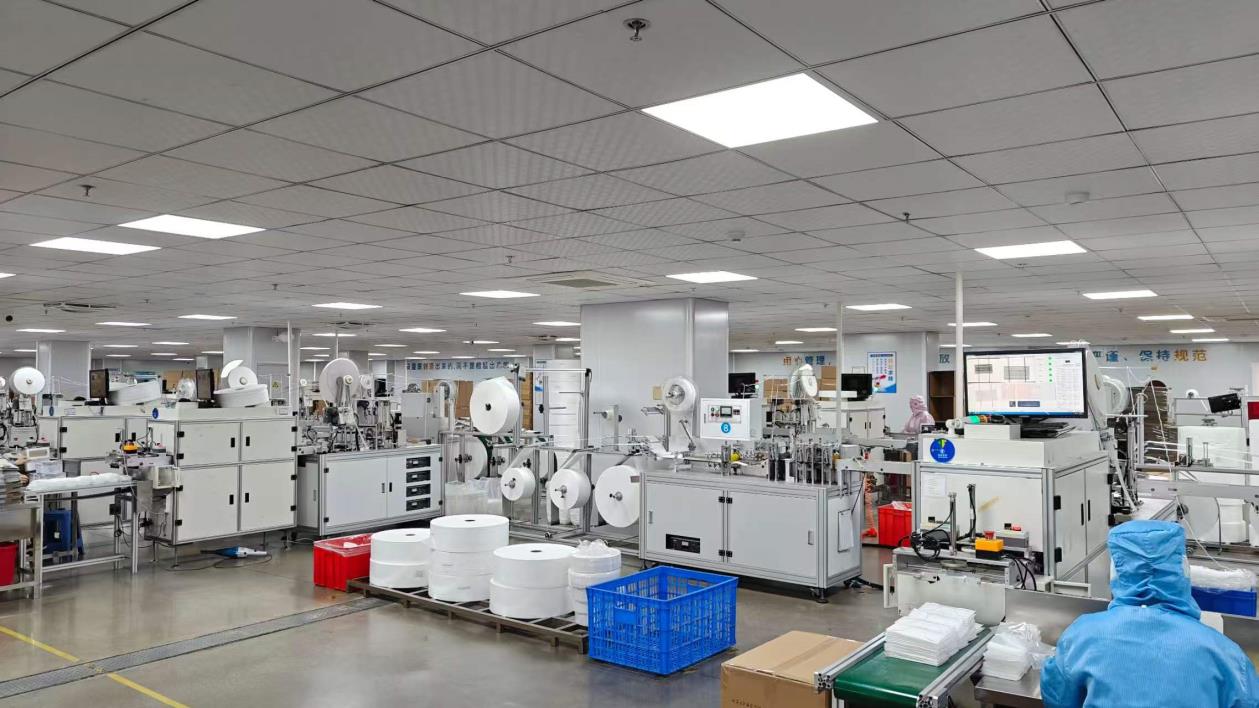
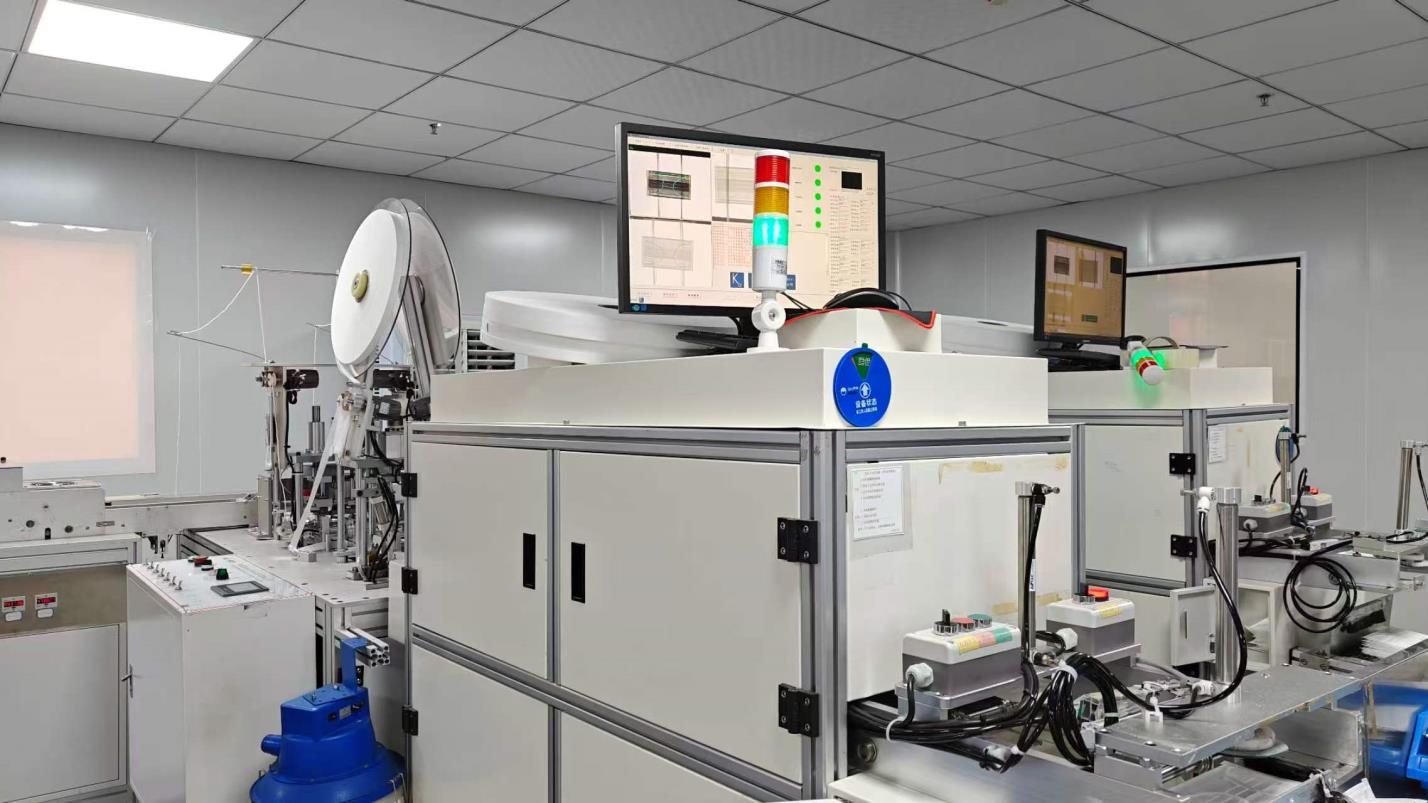
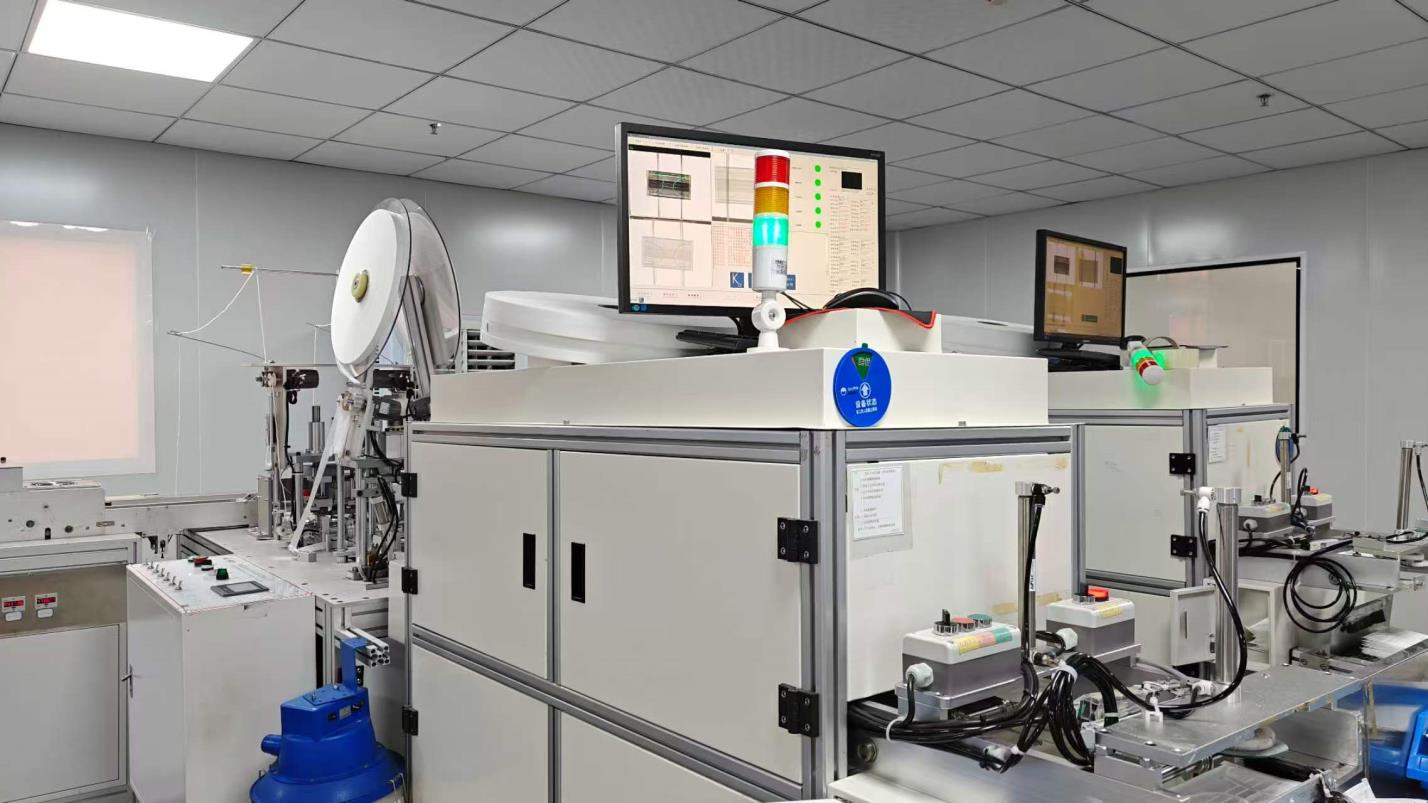
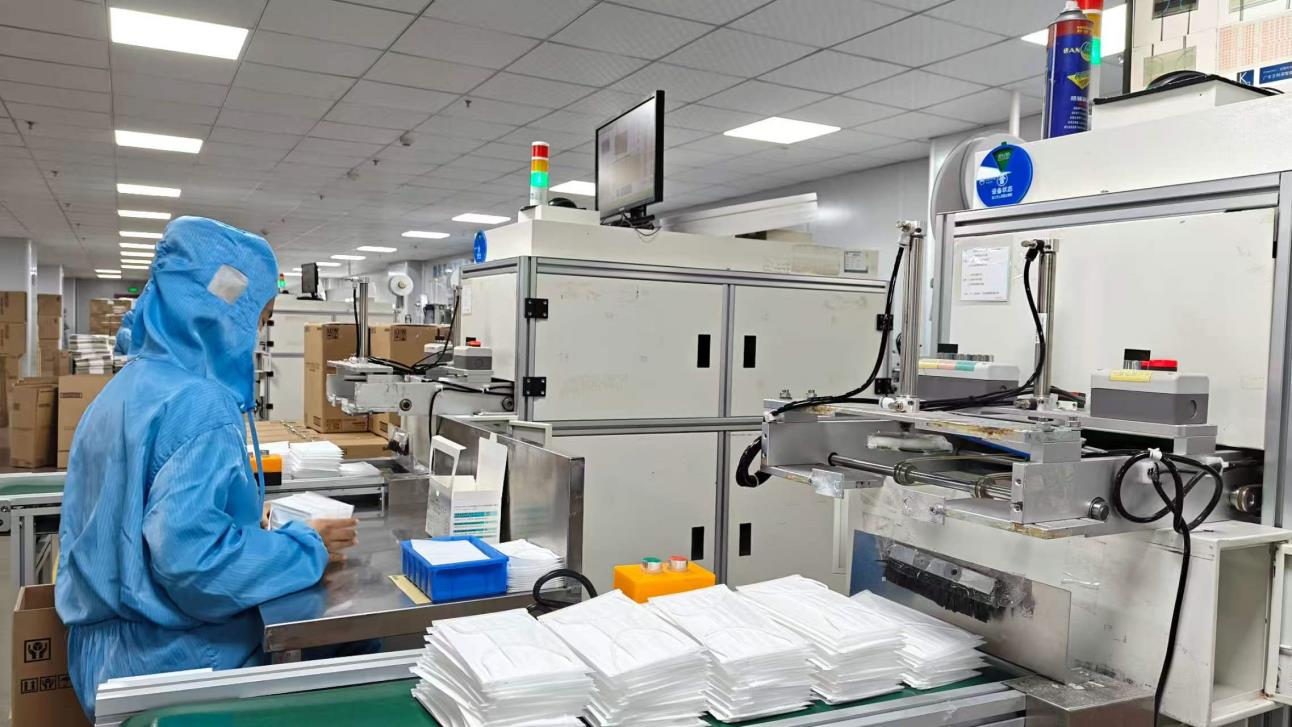
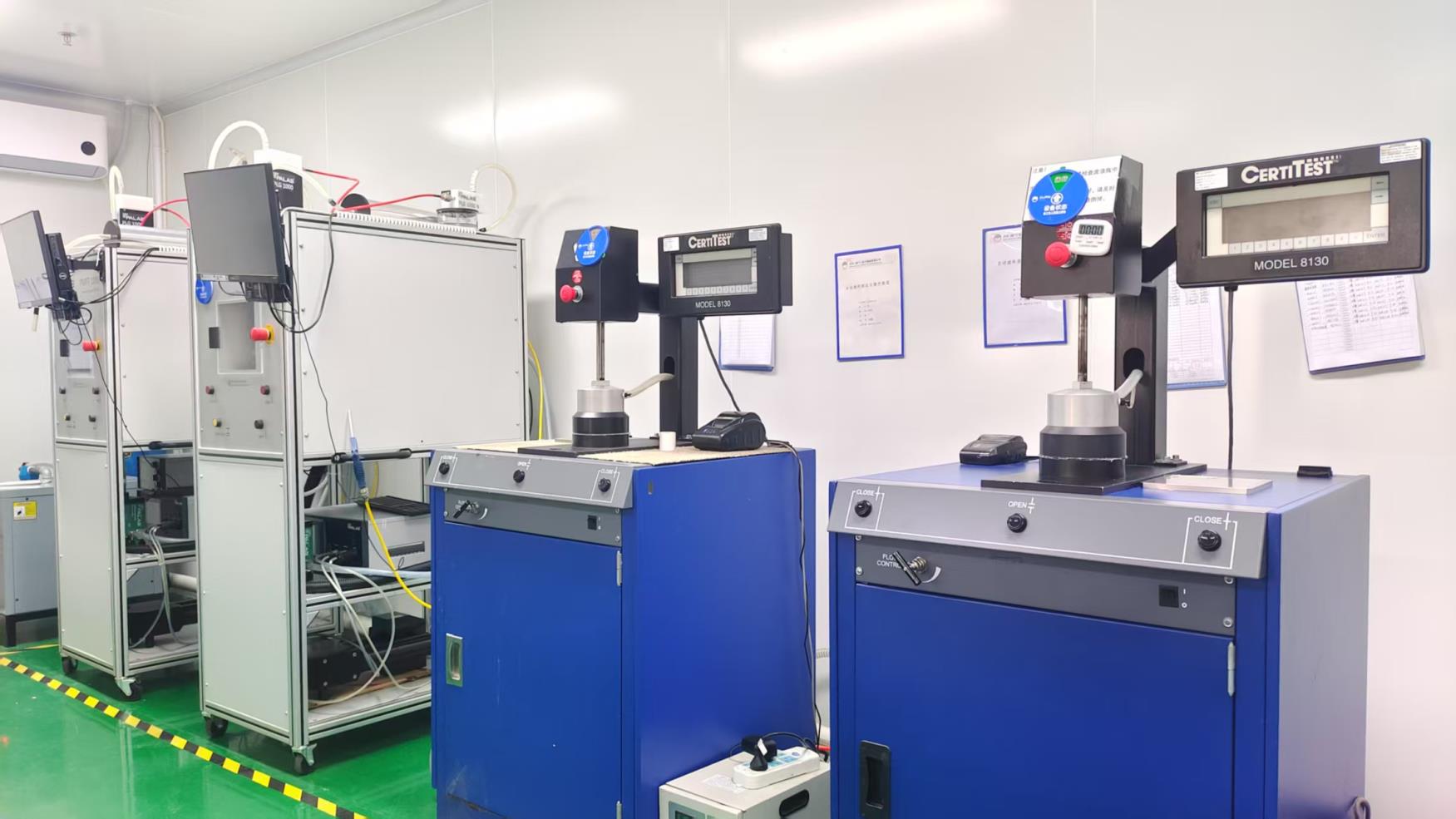
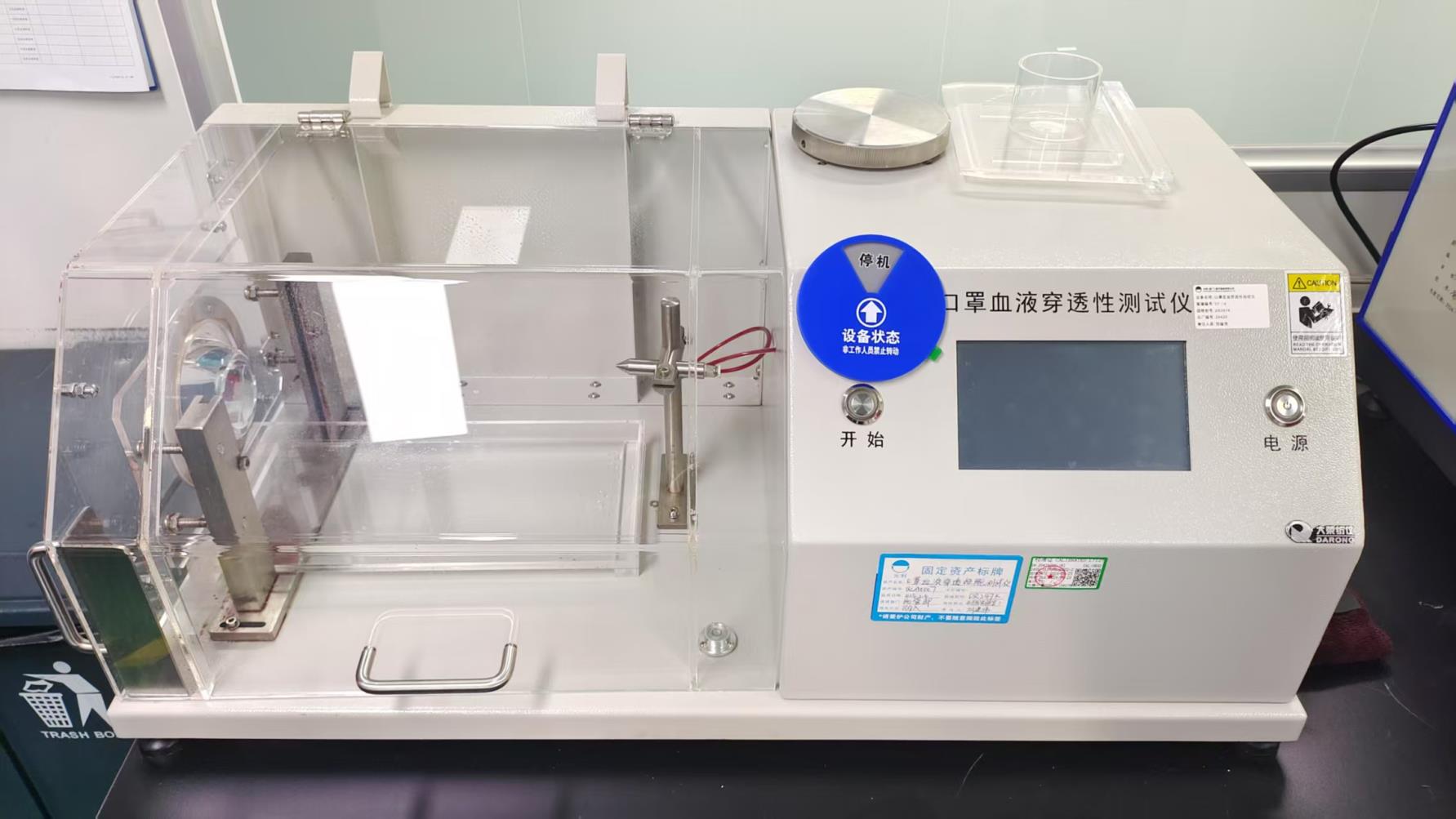
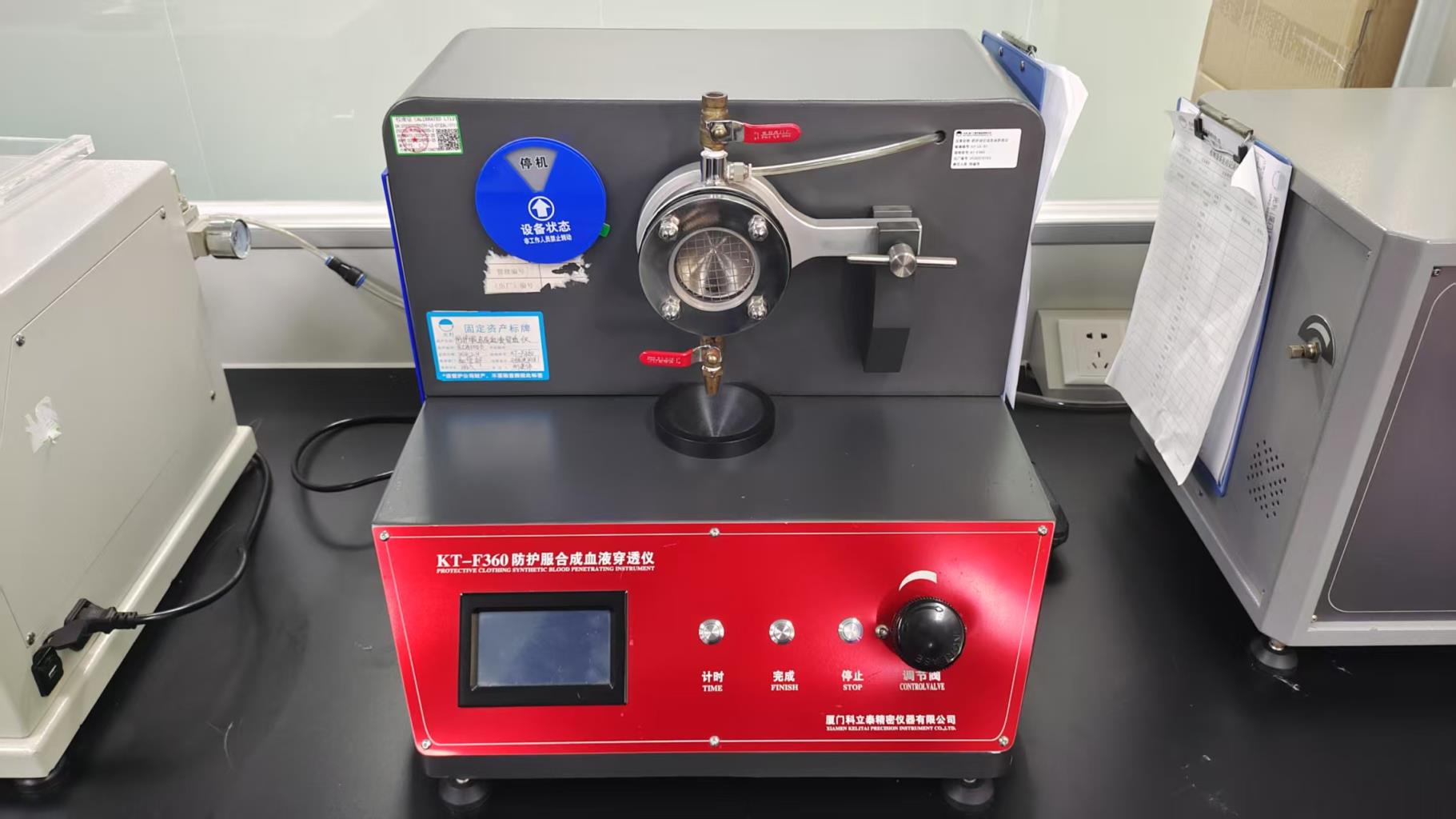
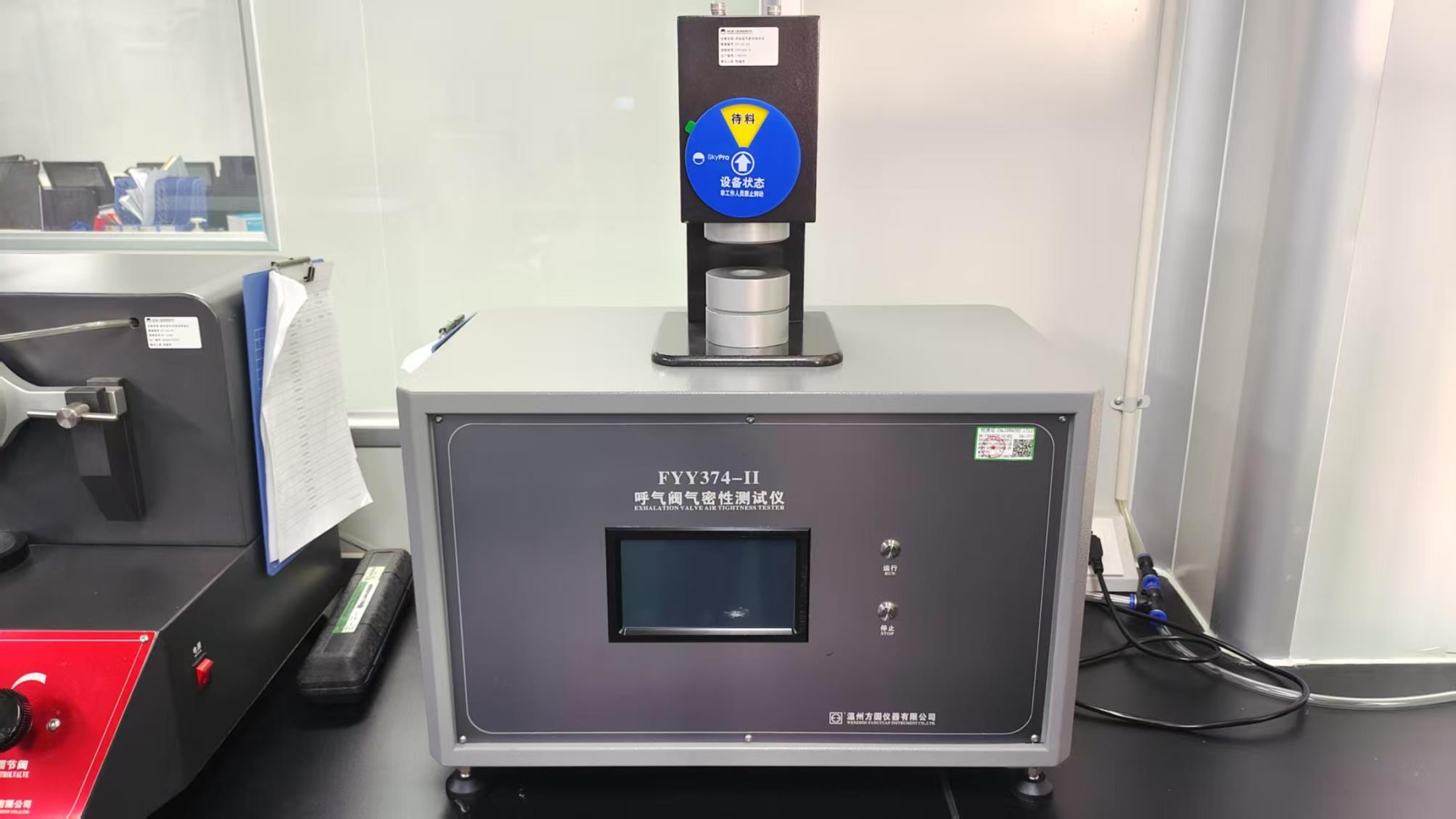
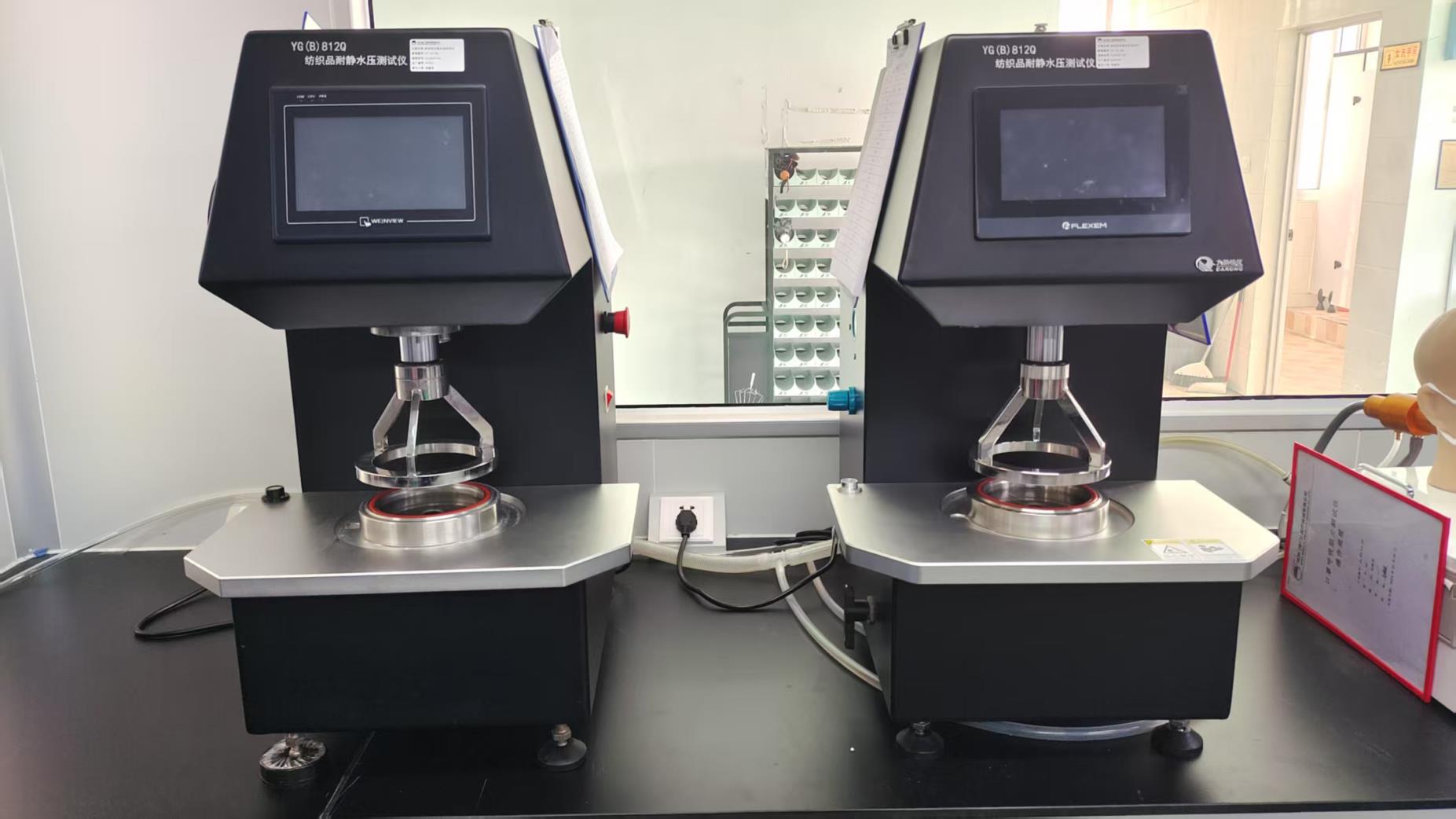
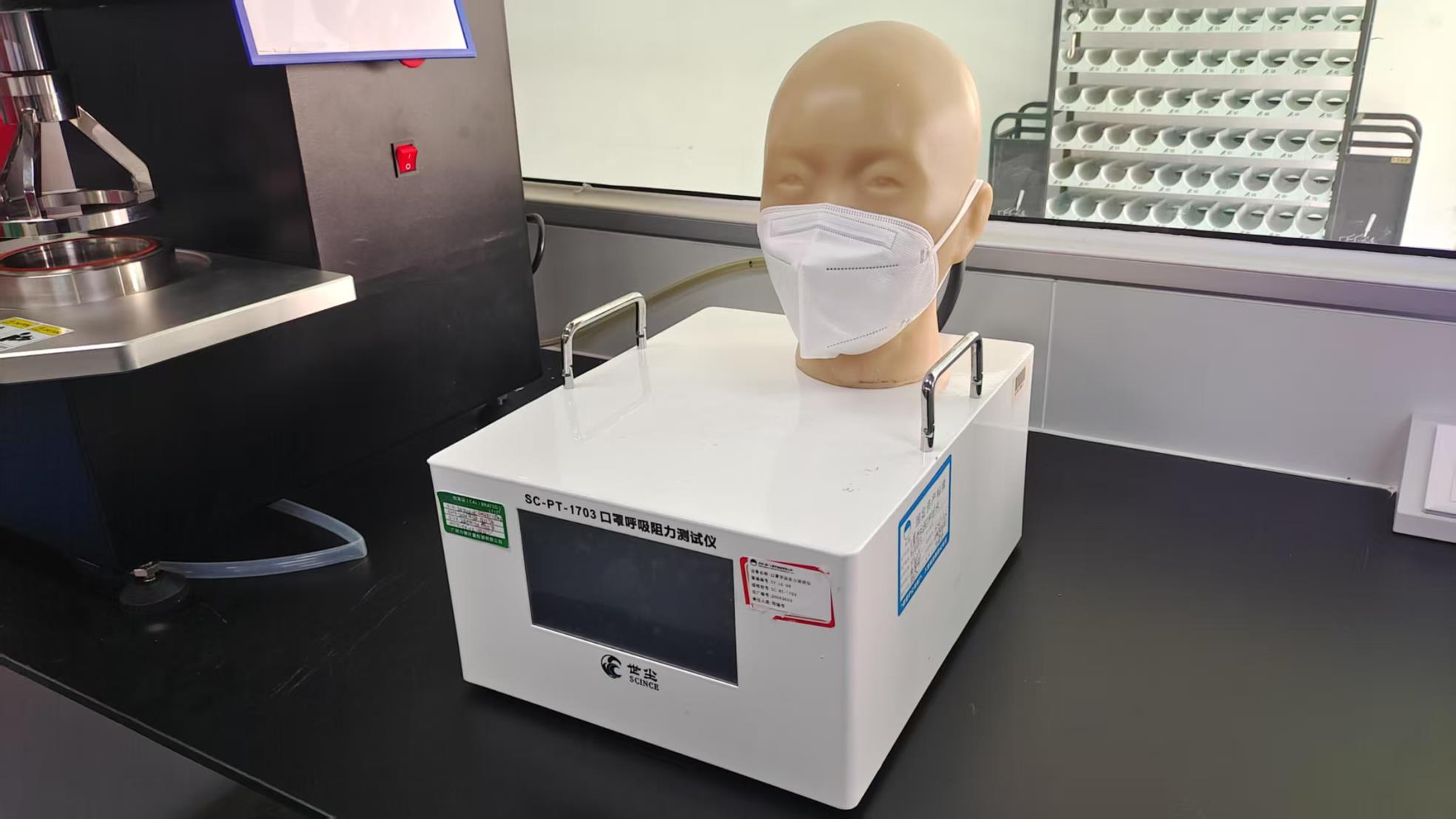
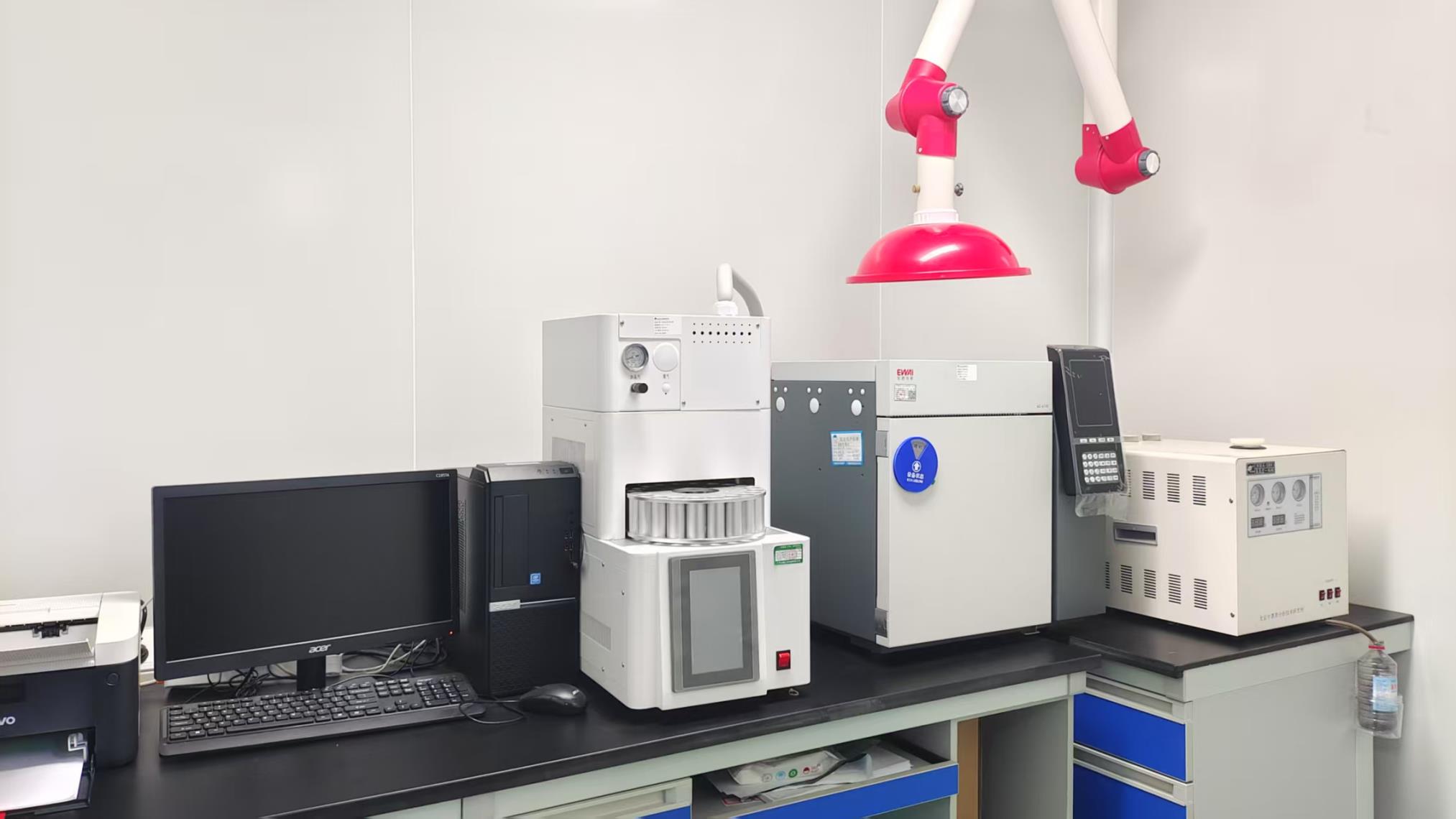
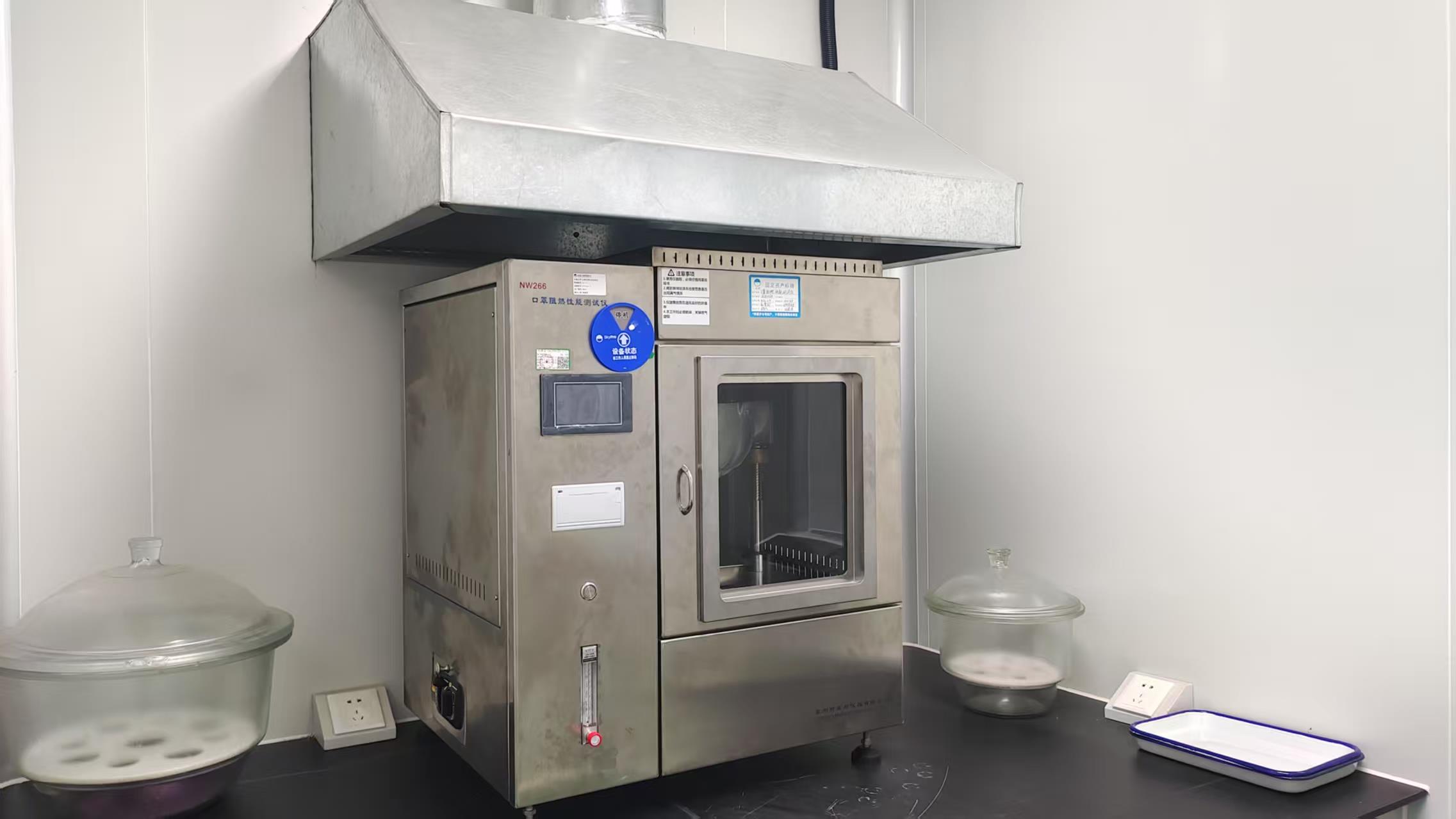
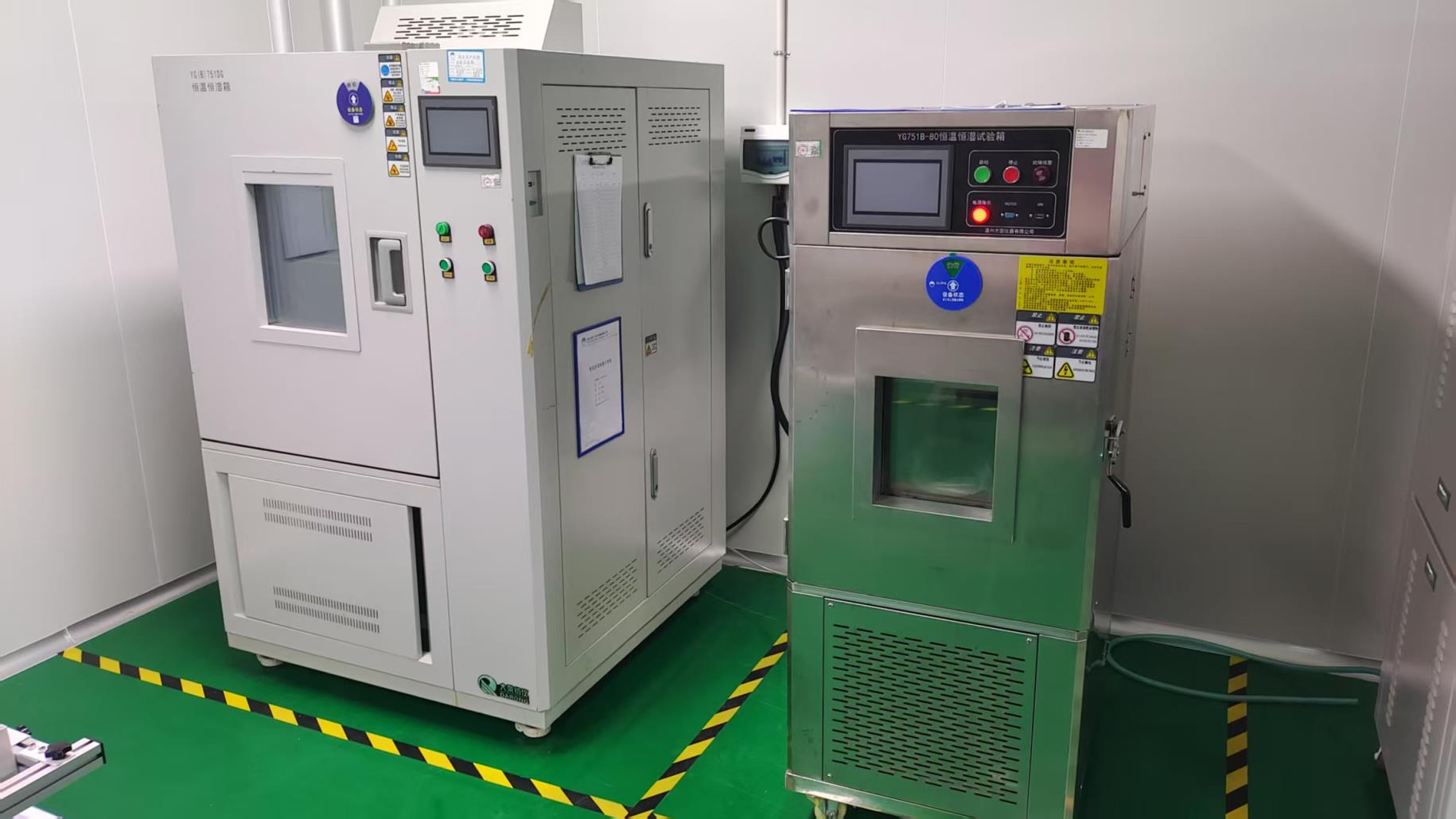
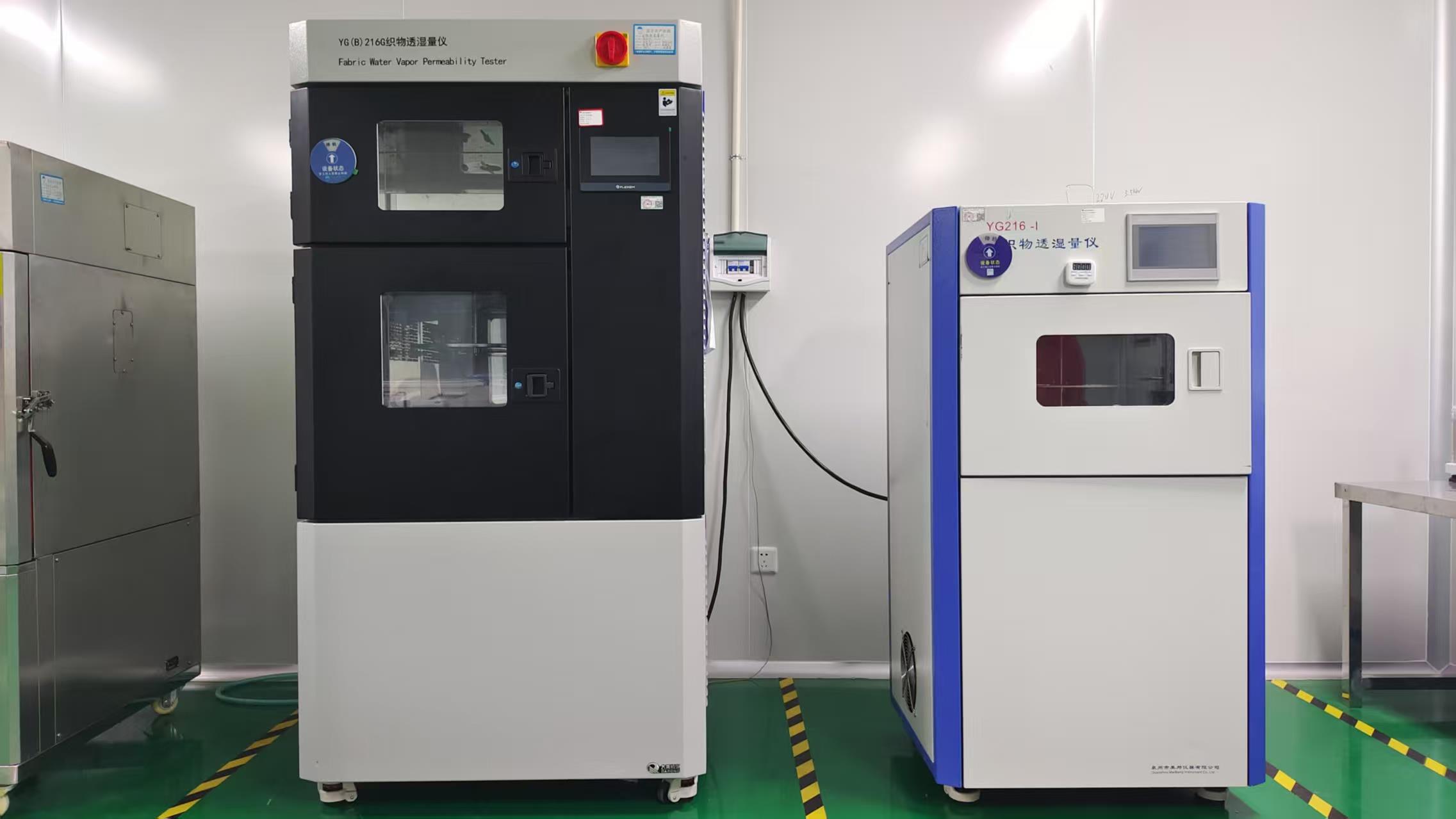
Our commitment to manufacturing excellence is supported by state-of-the-art laboratory testing apparatus and automated production facilities. Below is an overview of our operational setup, demonstrating how raw materials are transformed, tested, and packaged within highly controlled cleanroom environments.

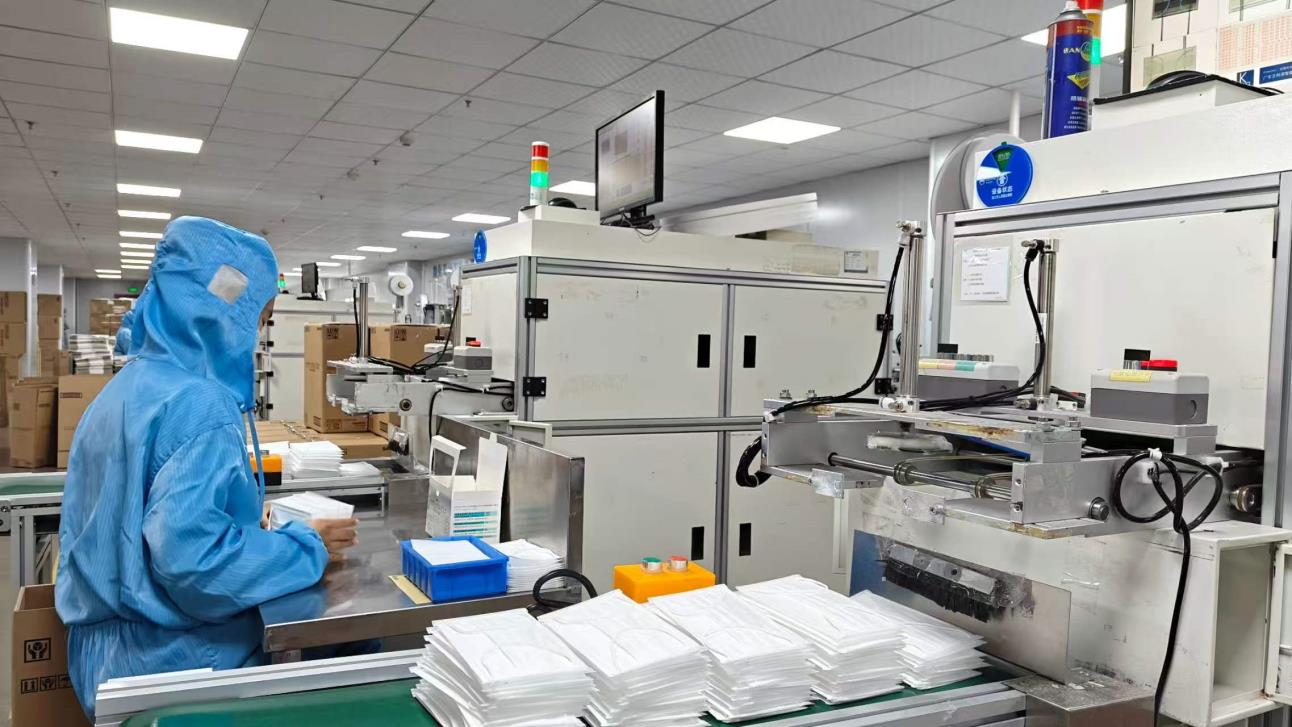
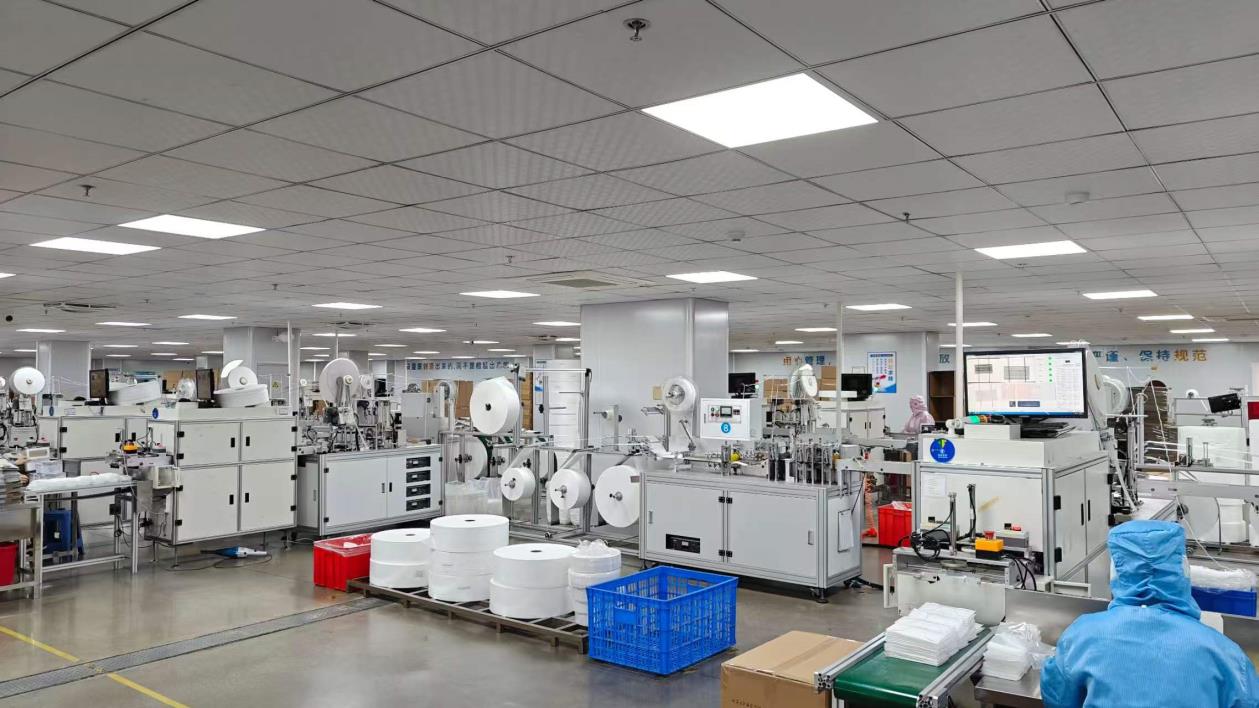
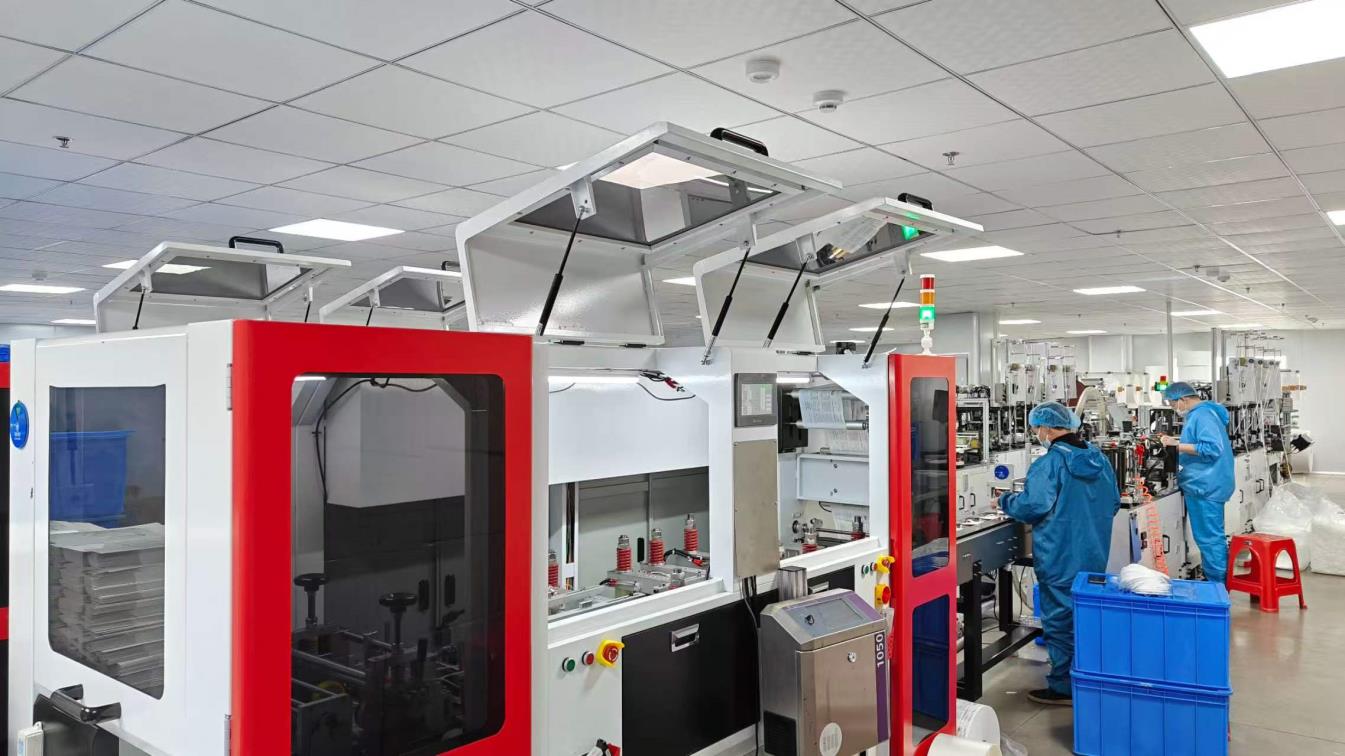
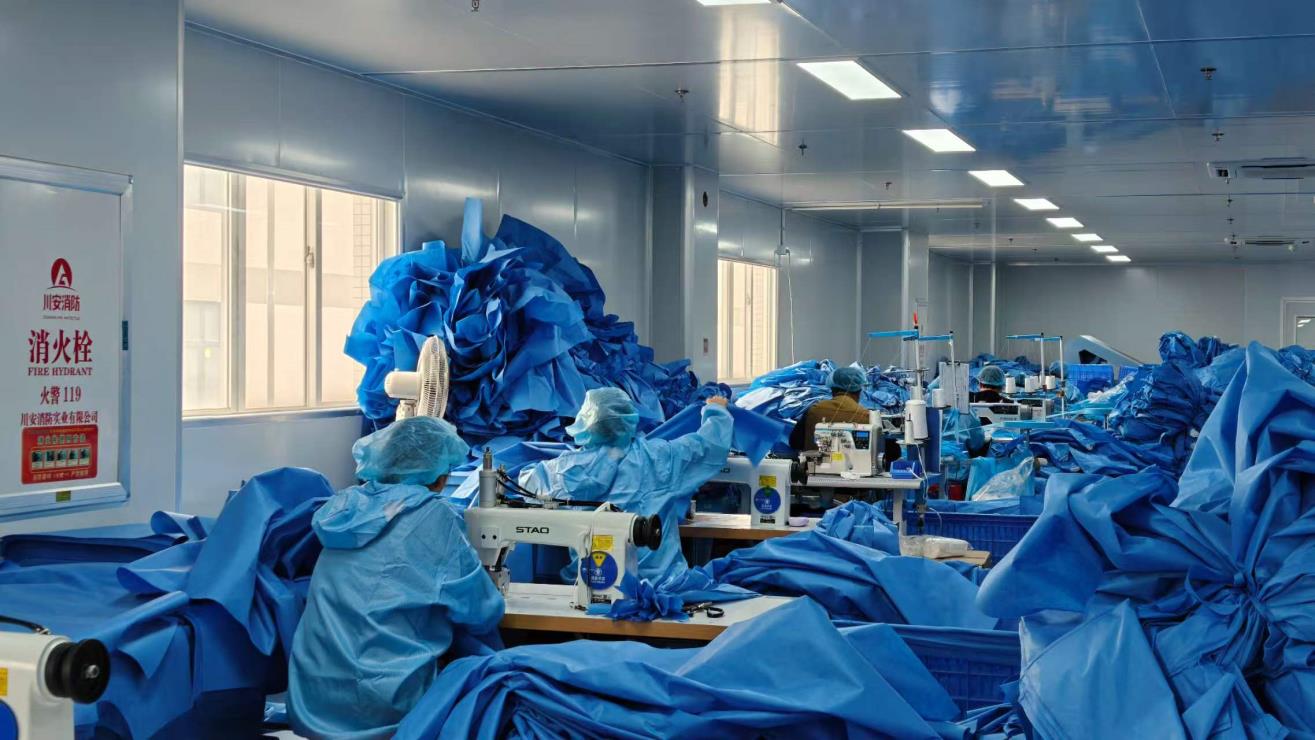
The convergence of physical sensors, electromagnetic field localization, and high-definition optical processing defines our technical roadmap. We are actively expanding the clinical utility of diagnostic devices to support highly specialized procedures:
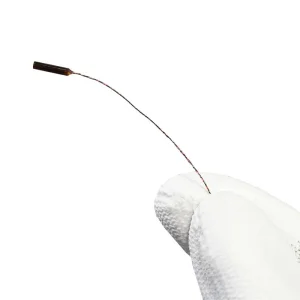
Our research into electromagnetic tracking tracking systems, such as the Endoscope Field Generator (FG) Device, enables real-time instrument navigation inside the patient's body. By establishing highly stable electromagnetic tracking fields, clinicians can track catheter and endoscope positions with sub-millimeter precision, reducing the need for continuous fluoroscopic radiation exposure.
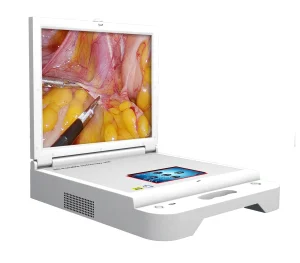
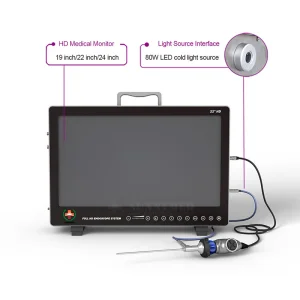
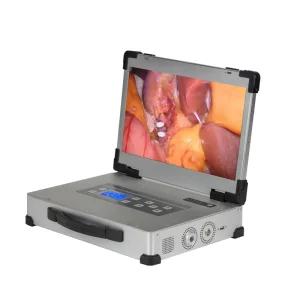
Developing ultra-compact, high-luminance light engines integrated directly into handheld camera assemblies. The new series of Portable Endoscopy Cameras with LCD Monitors allows ENT and outpatient clinics to conduct endoscopic checks dynamically, bypassing bulky console towers without compromising diagnostic imaging clarity.
Direct explanations from our engineering and regulatory affairs department to address common B2B procurement queries.
Our production cleanroom spans over 6,000 square meters, fully certified to ISO Class 8 cleanroom requirements. We implement automatic optical inspection (AOI) to continuously detect defects in raw nonwoven material density. Every batch of surgical apparel and protective face coverings is validated via hydrostatic pressure testers and blood penetration testers prior to packaging, ensuring absolute consistency with CE and ISO 13485 standards.
The Endoscope Field Generator utilizes high-frequency, low-energy electromagnetic emitters that create a defined 3D coordinate space around the patient. Integrated tracking software registers the localized sensors on surgical tools within this zone, matching instrument coordinates with pre-operative CT or MRI scans at refresh rates exceeding 50Hz, avoiding spatial latency during micro-invasive surgeries.
The S10 Smart Wearable leverages reflective PPG (photoplethysmography) multispectral sensors, emitting dual-wavelength light into the subdermal tissue layer. Advanced motion-compensation algorithms filter out movement noise, enabling accurate heart rate, SpO2, and sleep cycle tracking. Data can sync directly via Bluetooth to patient management dashboards, bridging hospital care and remote patient monitoring.
Backed by our 15 years of manufacturing heritage, we provide comprehensive OEM/ODM customization services. For diagnostic systems, we adjust firmware structures, local language user interfaces, and custom monitor mounting setups. For nonwoven disposables, we adapt fabric weights, barrier dimensions, custom packaging designs, and sterilization indicators to match targeted regional medical regulations.
Browse our supplementary range of premium diagnostic instruments, real-time location trackers, and vital surgical accessories.