Alhilal Healthcare
Alhilal Healthcare
Alhilal Healthcare
Direct access to our engineered clinical products, integrating state-of-the-art diagnostic visualization with strict infection-control barriers.

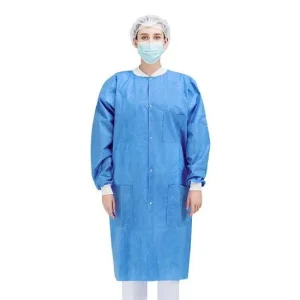


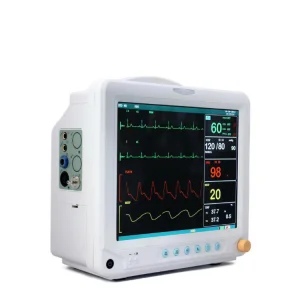
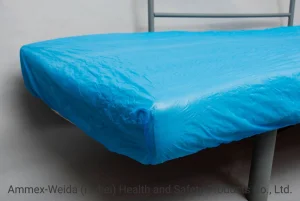
Founded in 2009, our manufacturing facility has developed into a dominant force in the global supply of medical devices, custom high-precision diagnostic structures, and sterile personal protective equipment (PPE). Spanning an expansive production footprint, we combine computerized automation with stringent quality methodologies to serve tier-1 healthcare distributors and hospitals globally.
Our industrial ecosystem is engineered to support the zero-defect demands of clinical medicine. From raw polymer extrusion to high-precision 5-axis CNC titanium milling, every stage is audited.
An analytical overview of the current procurement mechanics, structural technologies, material science, and global compliance regulations defining modern gastroenterology.
The procurement of gastrointestinal (GI) endoscopy systems has shifted from mere hardware acquisition to long-term total cost of ownership (TCO) evaluation. Modern hospital groups, specialized ambulatory surgical centers (ASCs), and medical device distributors face complex challenges. They require flexible, customized solutions that balance imaging capabilities with mechanical durability and systemic sterile control.
Worldwide, procurement departments are responding to three core pressures: increasing patient volumes requiring fast diagnostic turnover, strict infection prevention mandates to mitigate cross-contamination, and pricing constraints in public health sectors. By choosing a unified custom OEM/ODM manufacturer, global buyers can secure proprietary optoelectronic setups and complex mechanical components (e.g., 5-axis CNC machined trauma components, custom insertion tubes) while integrating necessary sterile protective consumables. This integrated approach ensures procurement compliance, simplifies supply-chain management, and reduces administrative overhead.
Supply-chain reliability is paramount. Forward-thinking buyers are prioritizing manufacturers who possess in-house cleanroom assembly capabilities (Class 100,000/ISO 8) and comprehensive performance diagnostic equipment. This minimizes the risk of component failures, batch variations, and regulatory delays during importation.
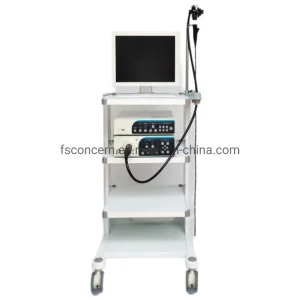
GI endoscopy procedures represent the frontline defense against colorectal cancers, esophageal strictures, and upper tract pathologies. Integrating macro-level clinical systems requires a holistic engineering mindset. An endoscopy suite is not simply a camera; it is a synergistic workspace that demands synchronized hardware, processing software, mechanical fixtures, and strict microbiological isolation barriers.
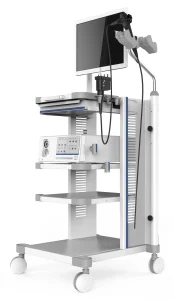
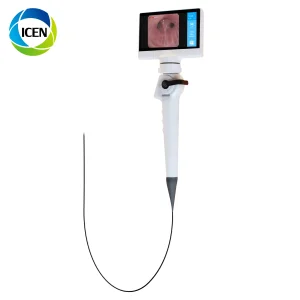
Our industrial engineering team bridges the gap between raw hardware construction and operational clinical workflows. By leveraging advanced optoelectronic architectures, we deliver high-definition gastrointestinal endoscopy systems configured with custom video colonoscopes. These systems feature customized sensor resolutions, optimized optical lighting arrays, and ergonomic control heads. To support the mechanical fixtures of these devices, we deploy precision CNC-machined structural parts, ensuring smooth steering, durable locking mechanisms, and robust performance over thousands of reprocessing cycles.
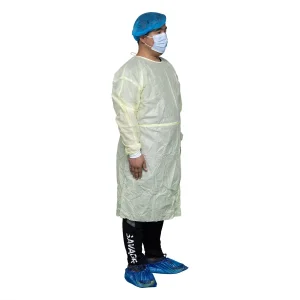
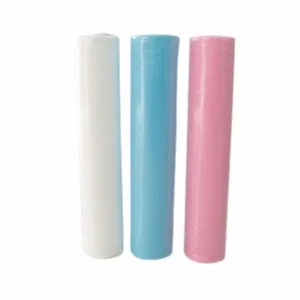
Furthermore, clinical success relies heavily on the environment surrounding the patient. The risk of healthcare-acquired infections (HAIs) requires clinical environments to pair physical endoscopes with high-quality sterile barriers. Our production portfolio addresses this by coupling core imaging systems with customized disposable non-woven surgical gowns, shoe covers, surgical face masks, and medical-grade fluid-resistant CPE bedcovers. This multi-layered product integration offers healthcare providers a single source for both diagnostic instruments and sterile barrier systems, improving the safety of patient pathways.
Achieving clear endoscopic imaging relies on balancing optoelectronics with micro-mechanical systems. The technical roadmap for our custom OEM endoscopy solutions centers on three pillars: advanced CMOS imaging integration, micro-machining of structural components, and advanced quality testing.
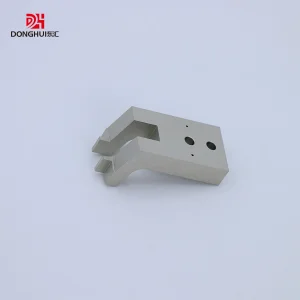
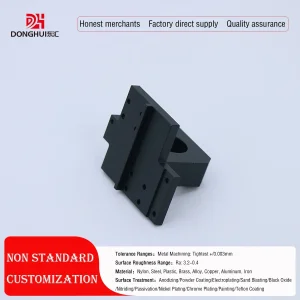
First, optoelectronic systems must deliver clear visual feedback to clinicians. Our HD endoscopy camera platforms process raw sensor signals to enhance mucosal patterns, vascular structures, and tissue margins. This optoelectronic precision is supported by micro-components produced via state-of-the-art CNC machining. Utilizing 5-axis CNC machining, we manufacture micro-gears, camera housings, articulating joints, and biopsy channel inlets out of medical-grade titanium and stainless steel. These components are designed to withstand structural stress while maintaining the flexibility required for navigating patient anatomy.
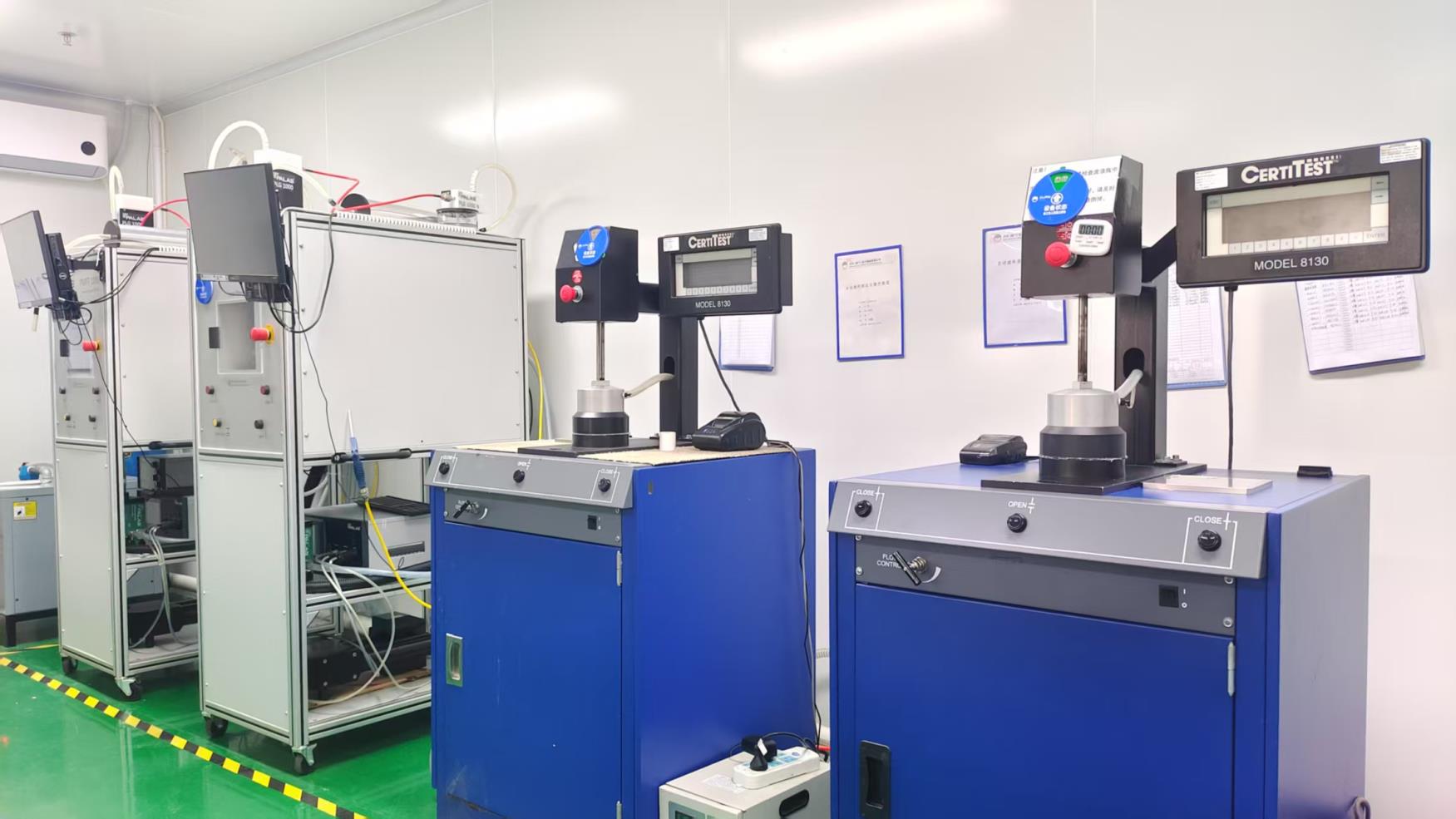
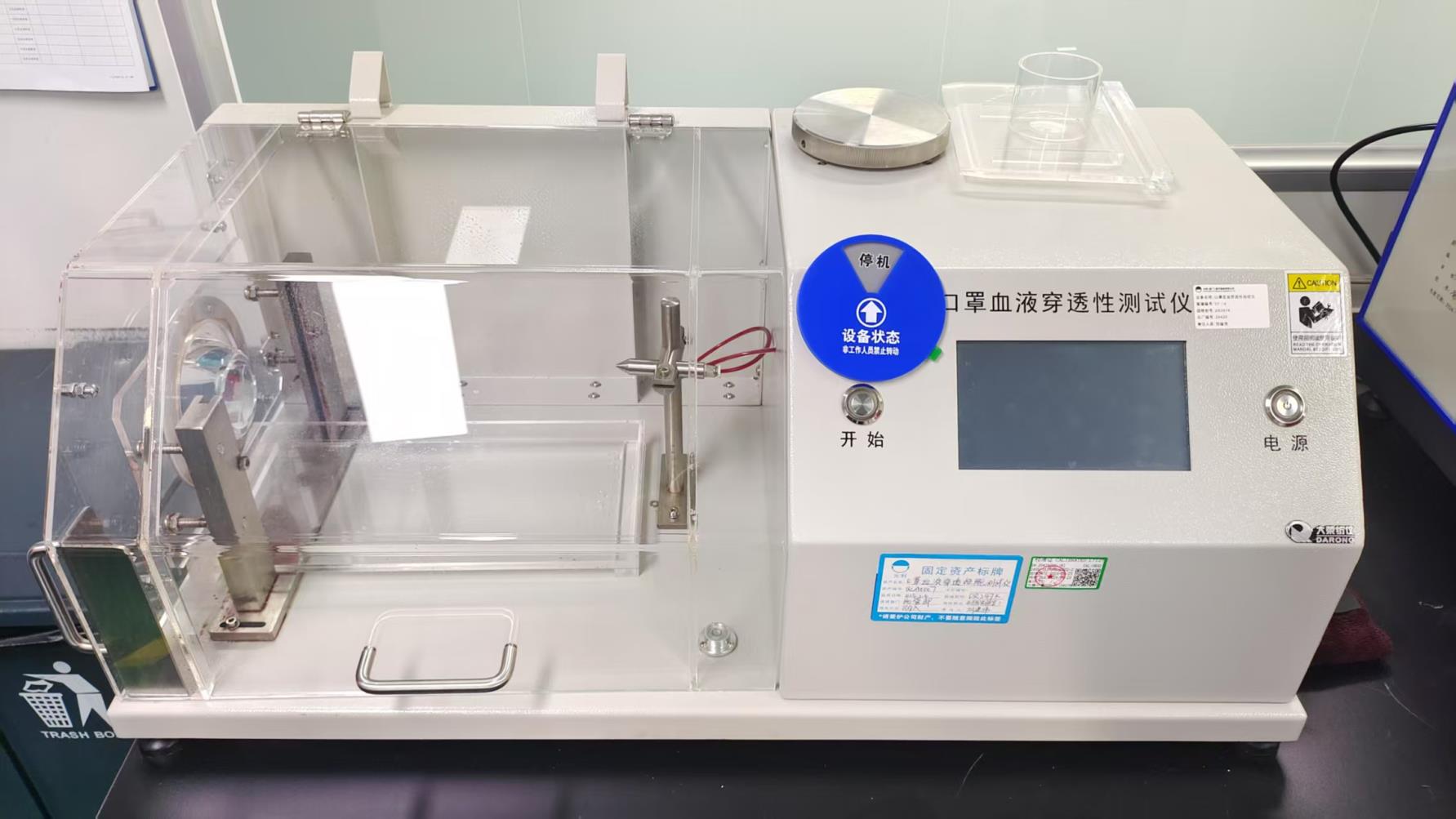
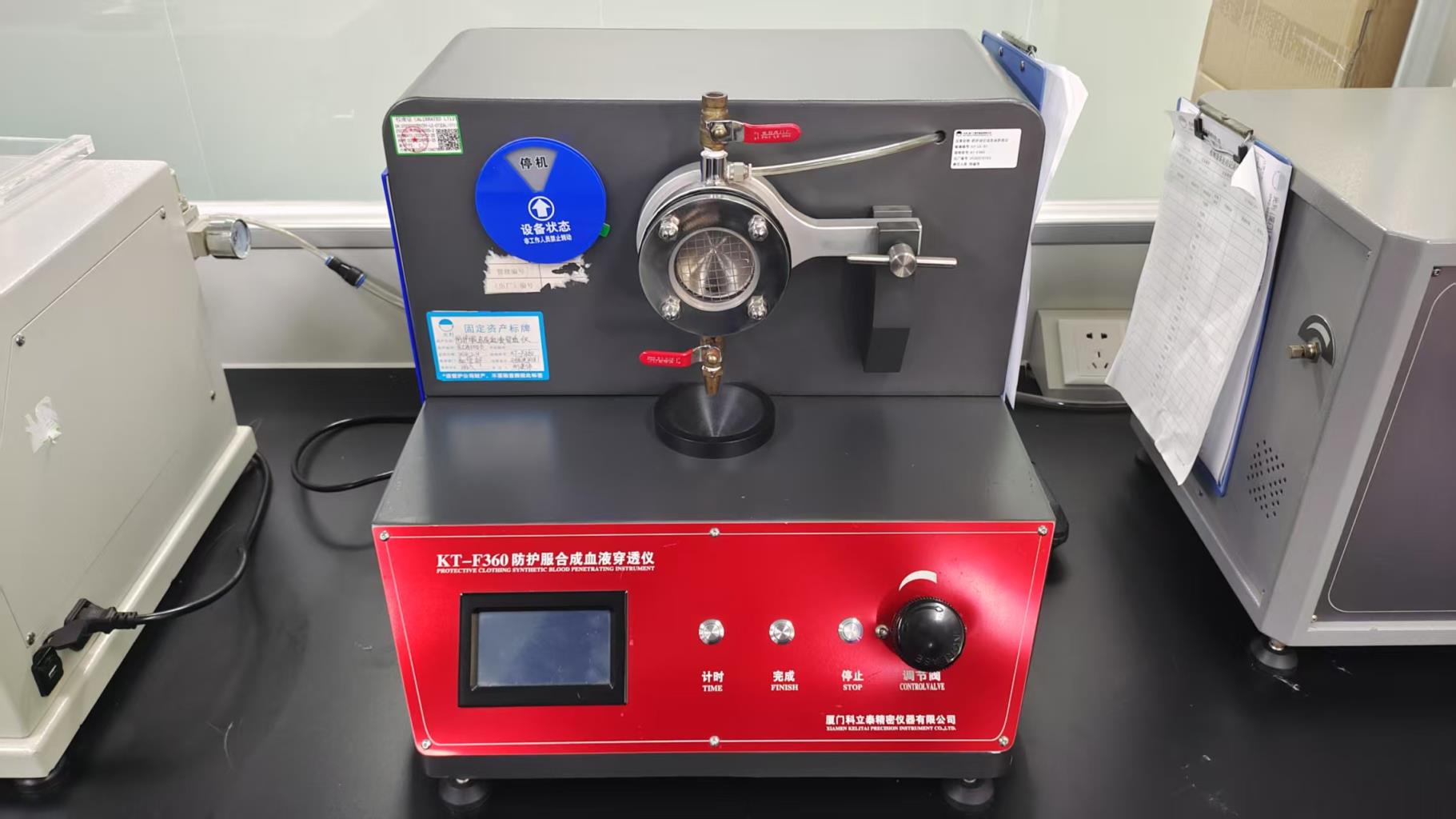
Second, the materials used in both reusable systems and sterile accessories undergo rigorous testing. For example, disposable medical protection components must pass hydrostatic pressure, synthetic blood penetration, and flame resistance testing. This ensures that the clinicians performing endoscopy procedures are protected against bodily fluid splashes and high-energy optical emissions from modern laser-assisted diagnostic tools.
Explore our vertically integrated manufacturing facility. From raw material inspection to automated production and chemical analytics, we maintain total control over quality.
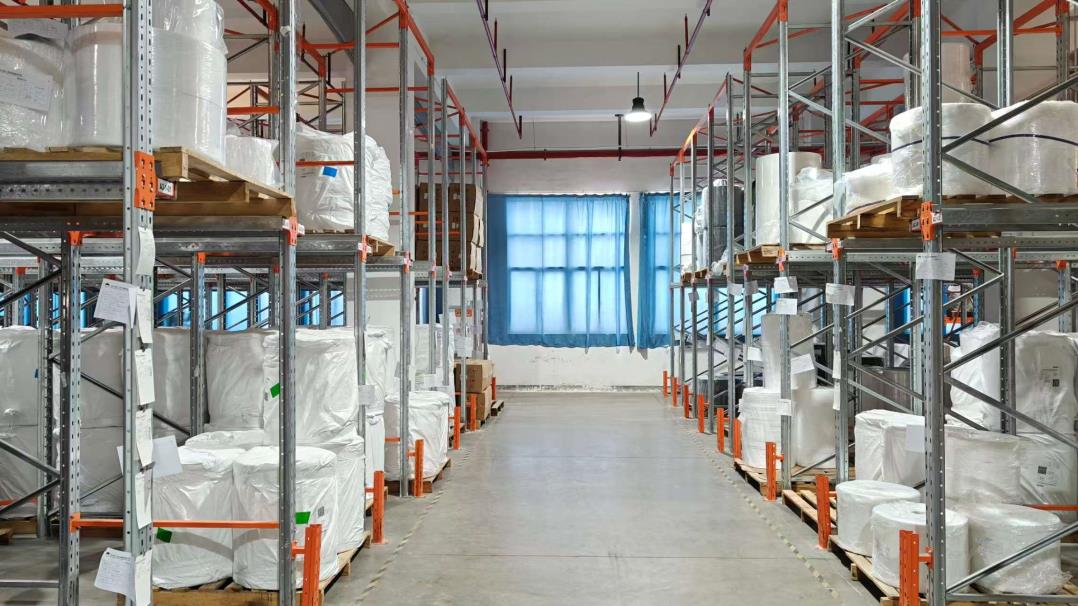
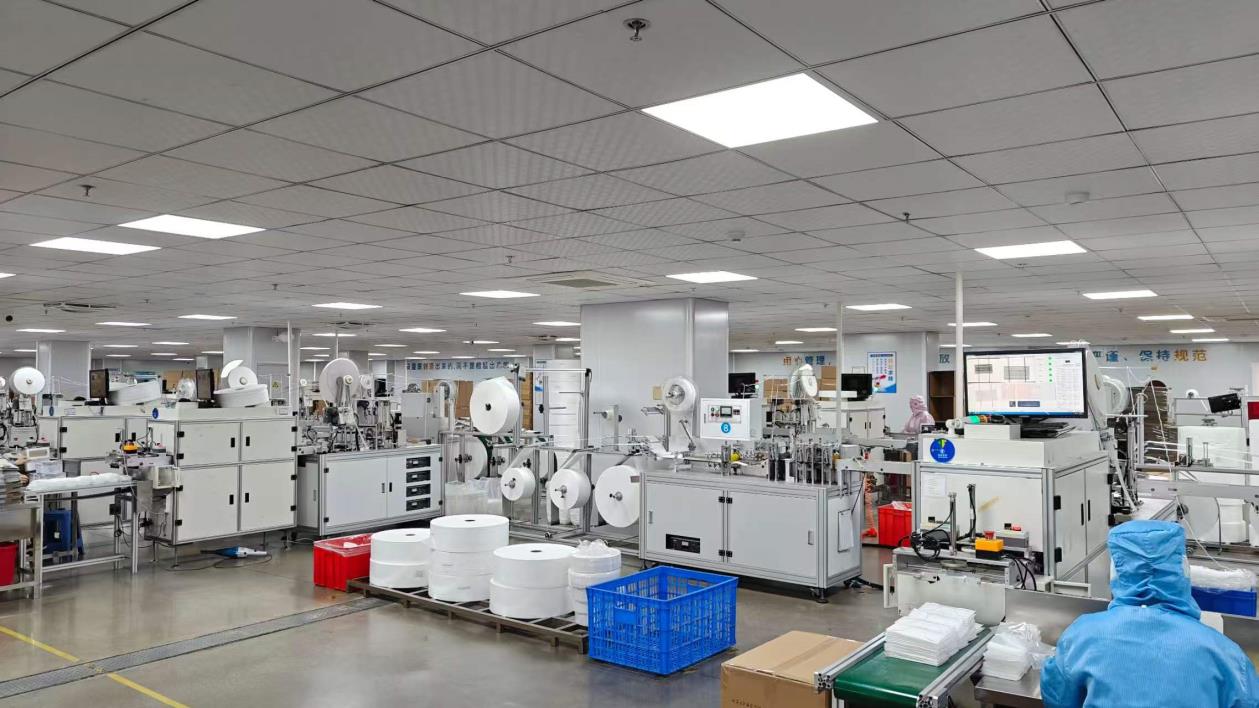
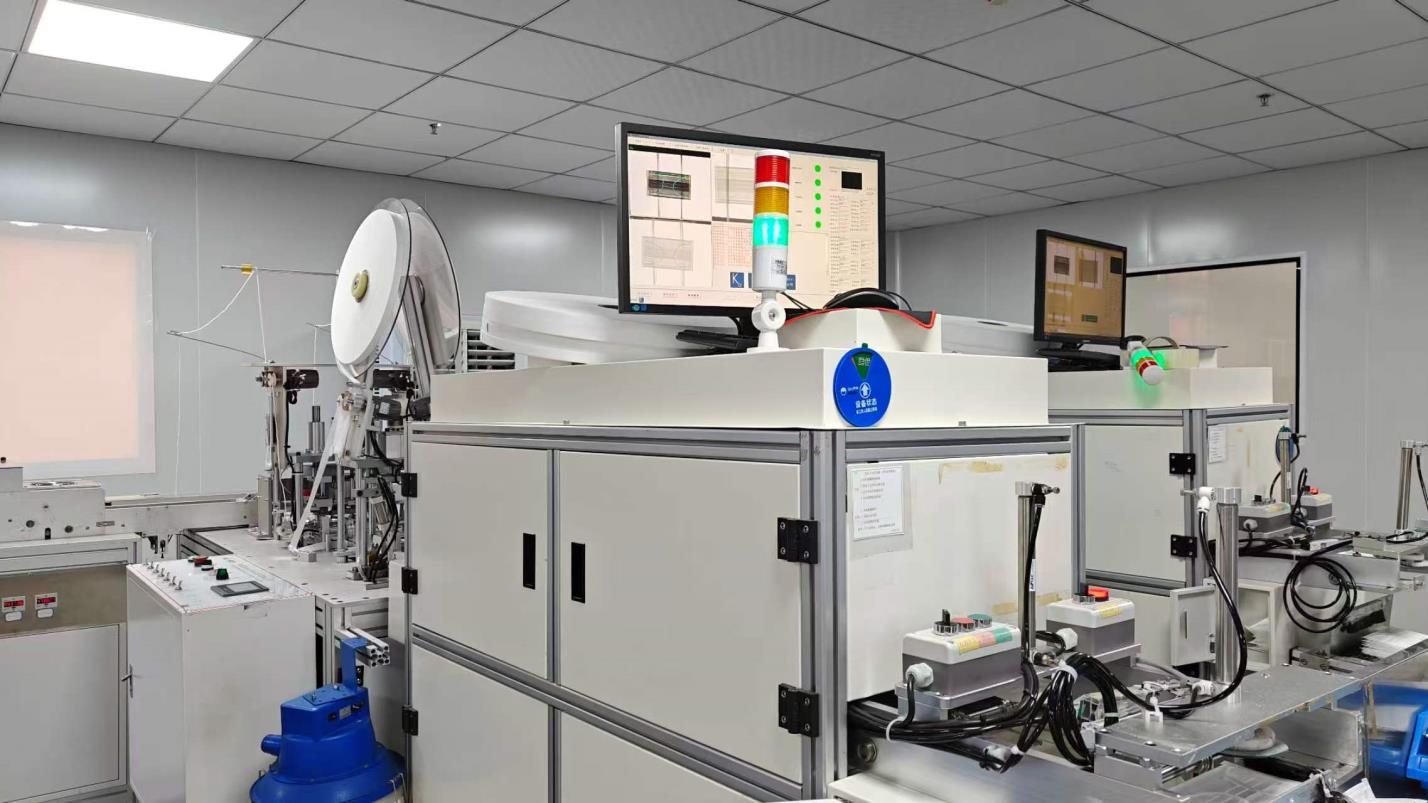
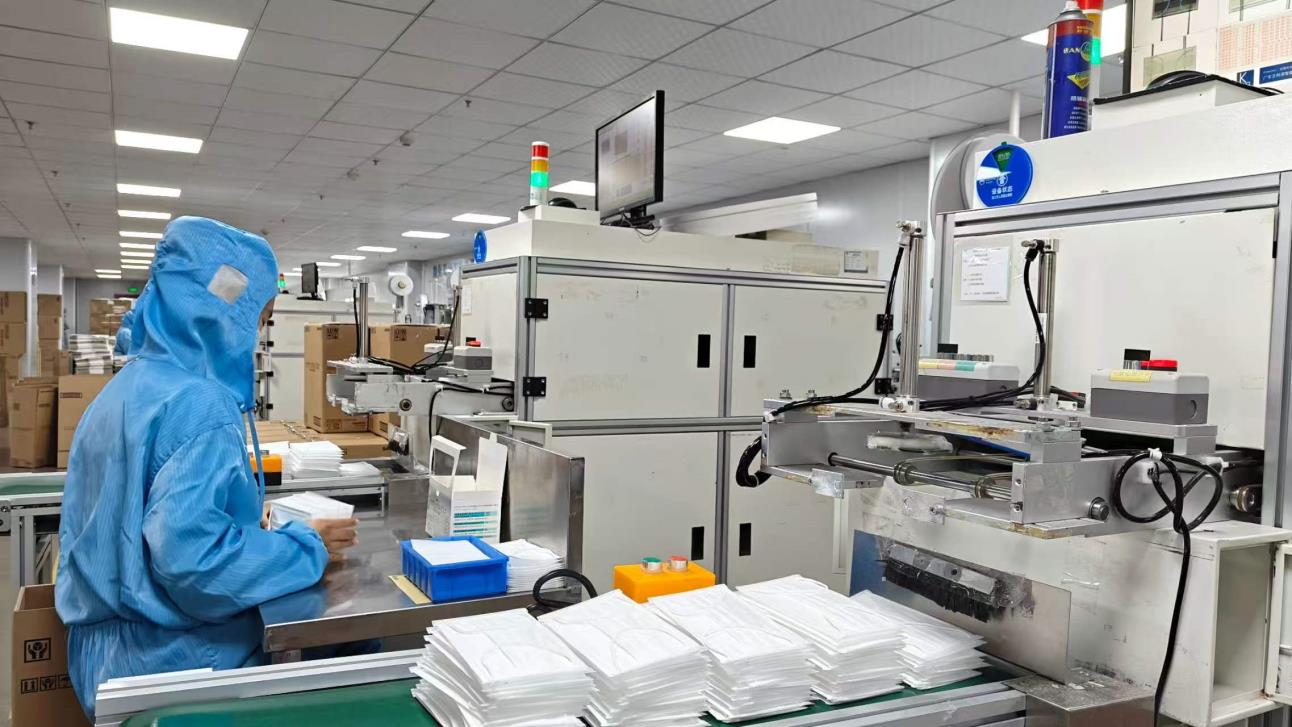
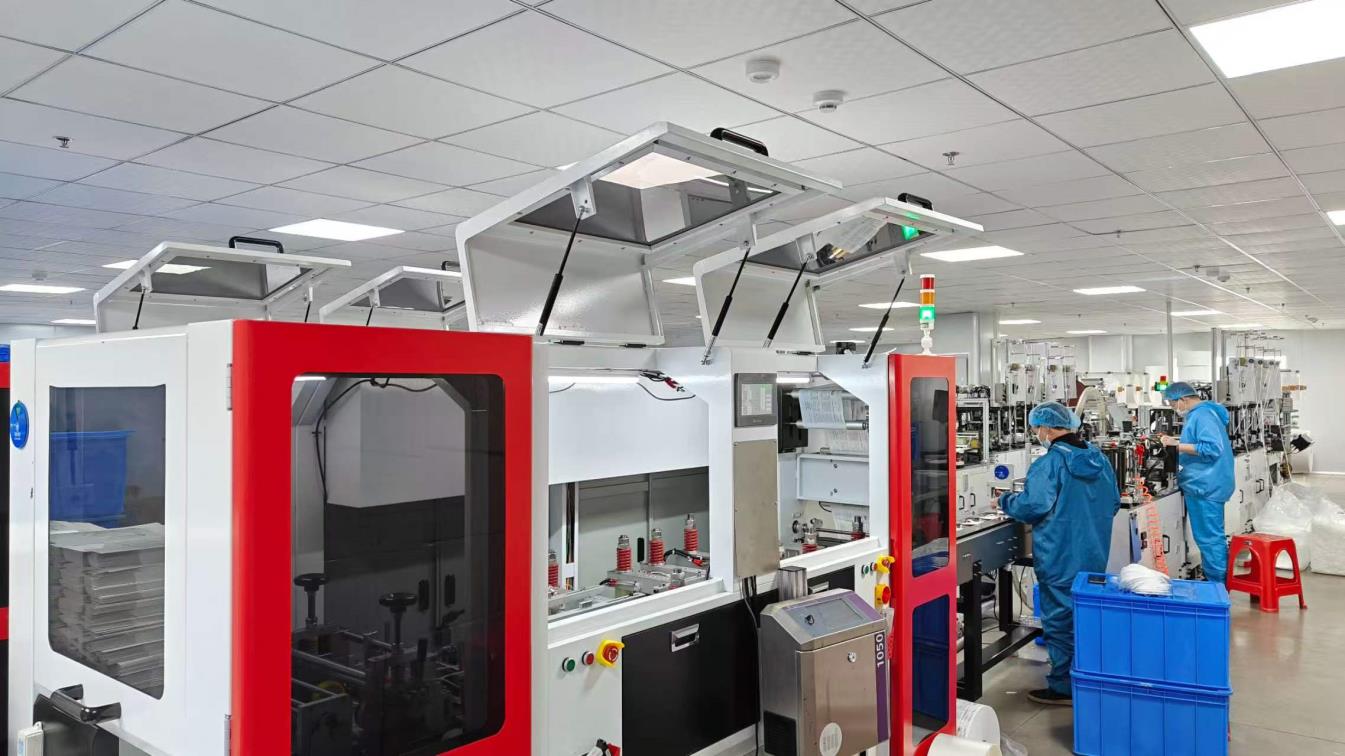
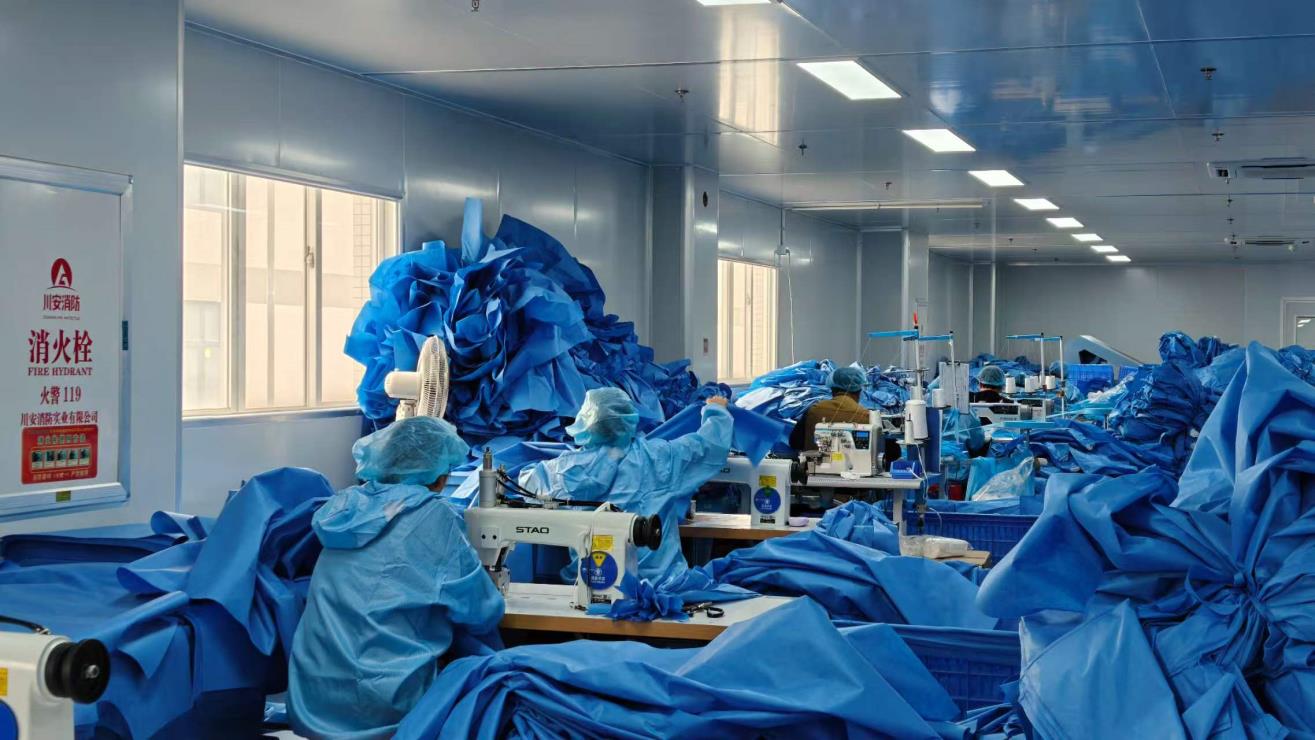
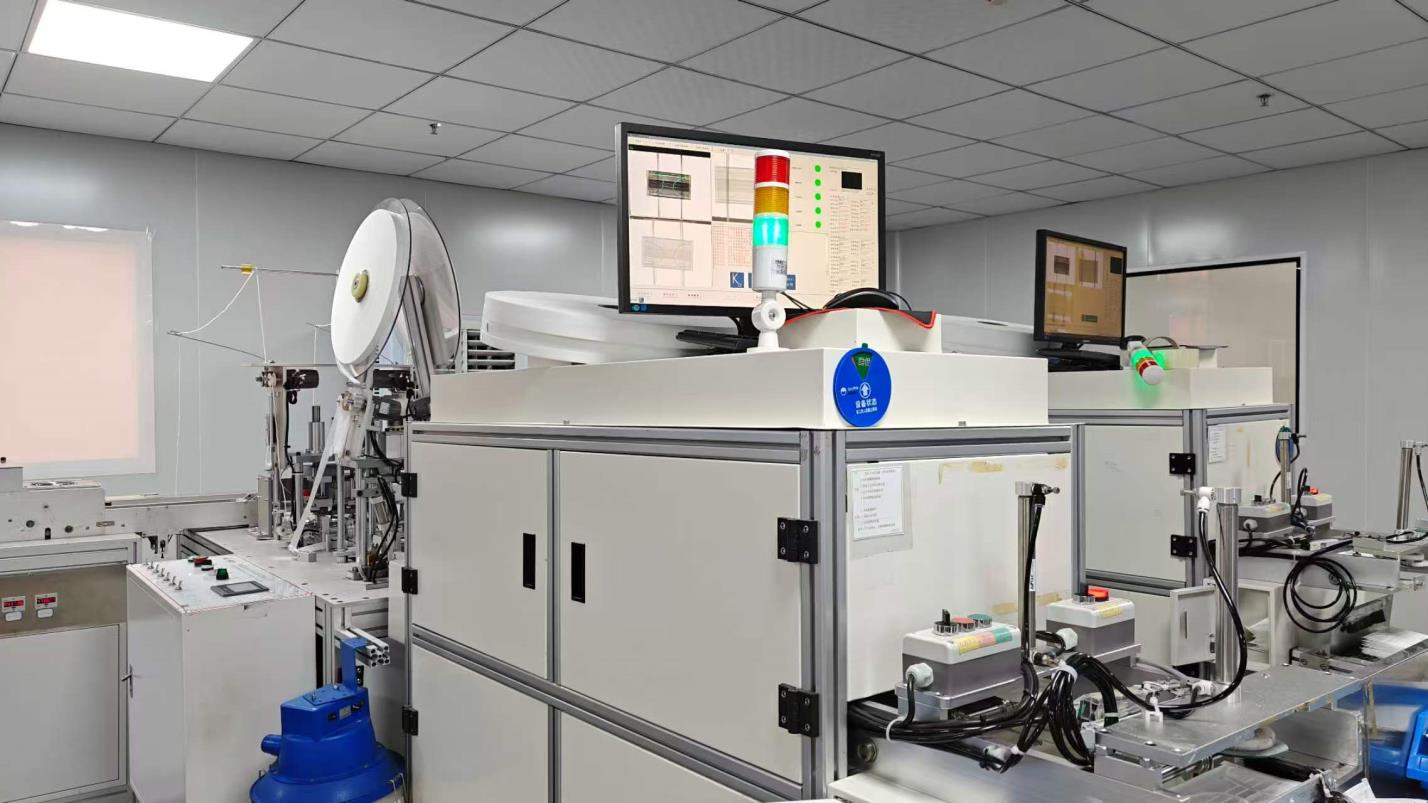
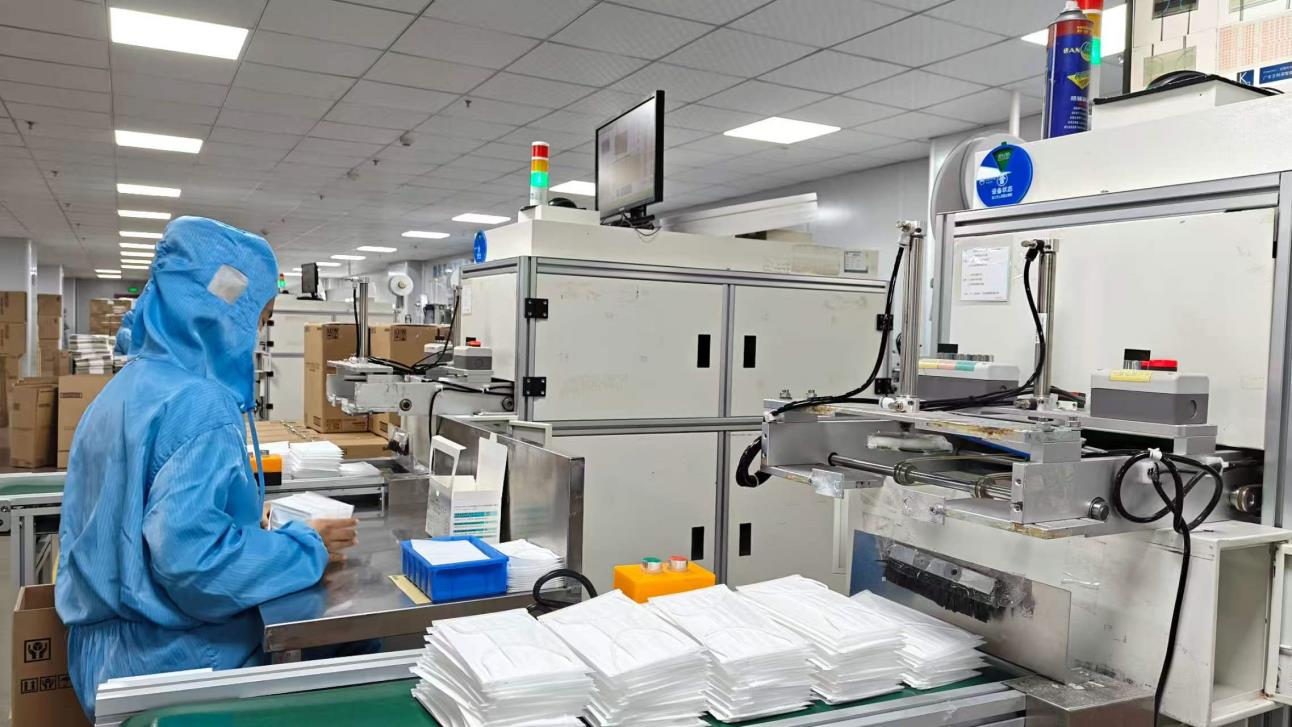
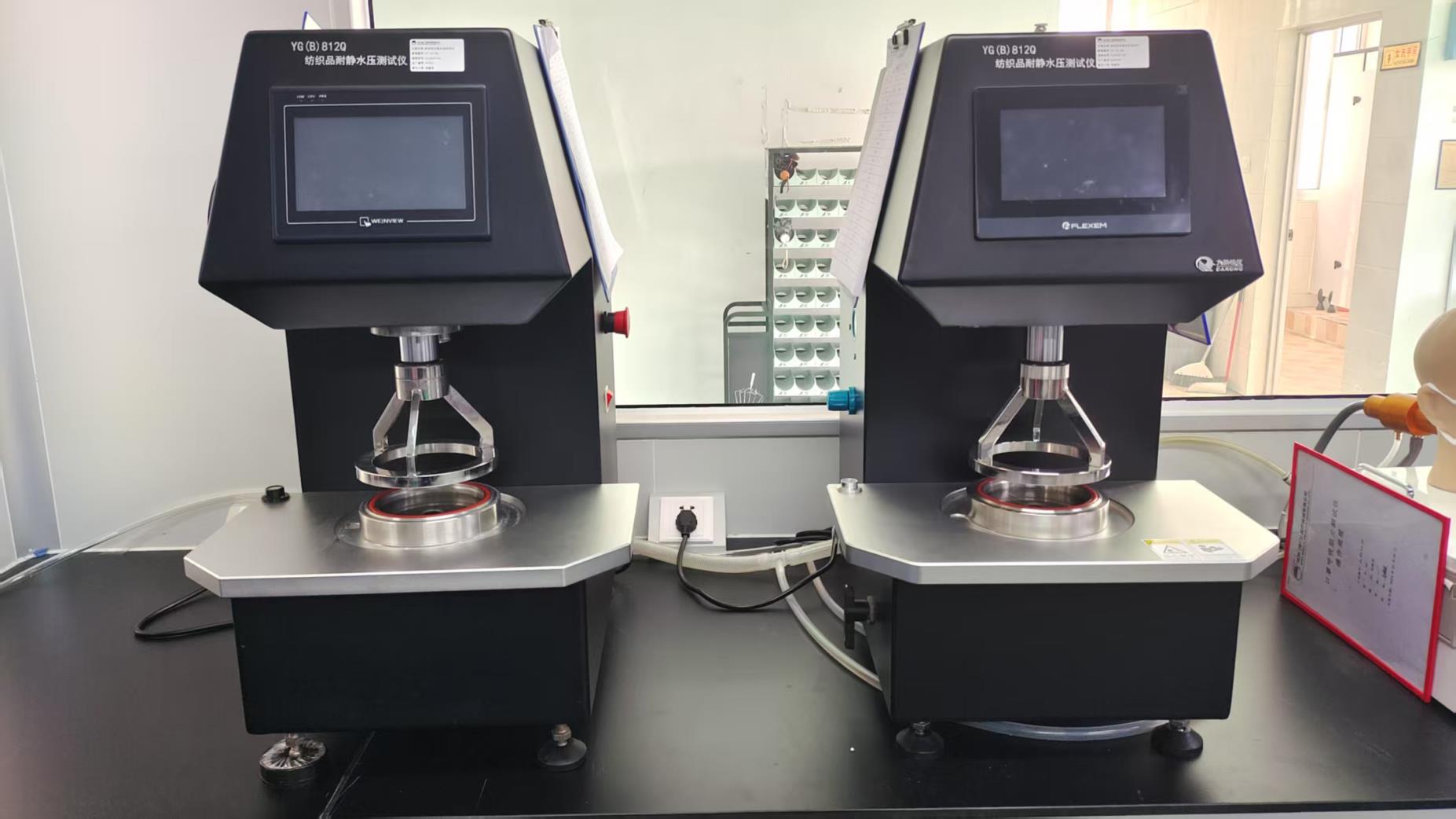
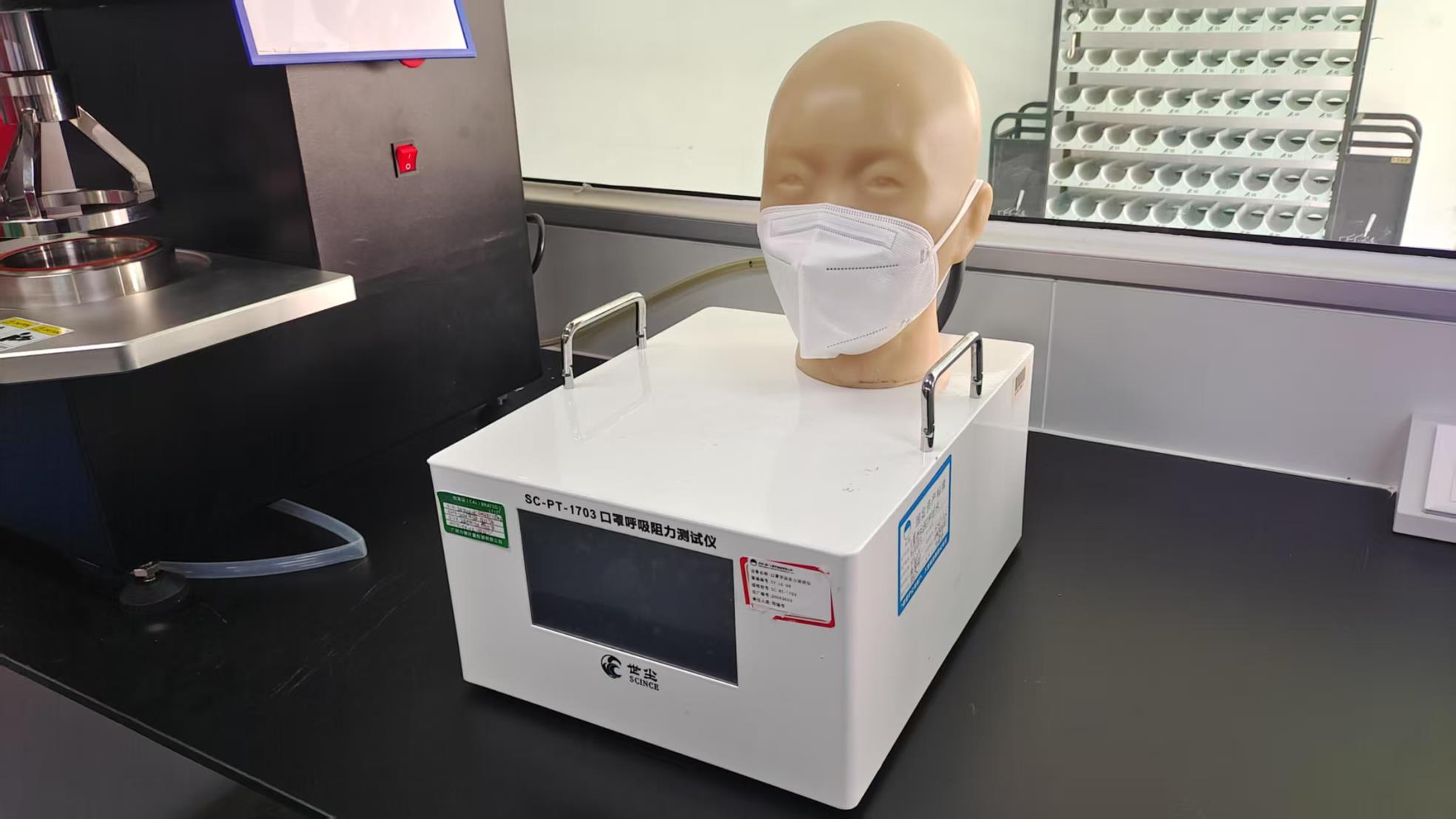
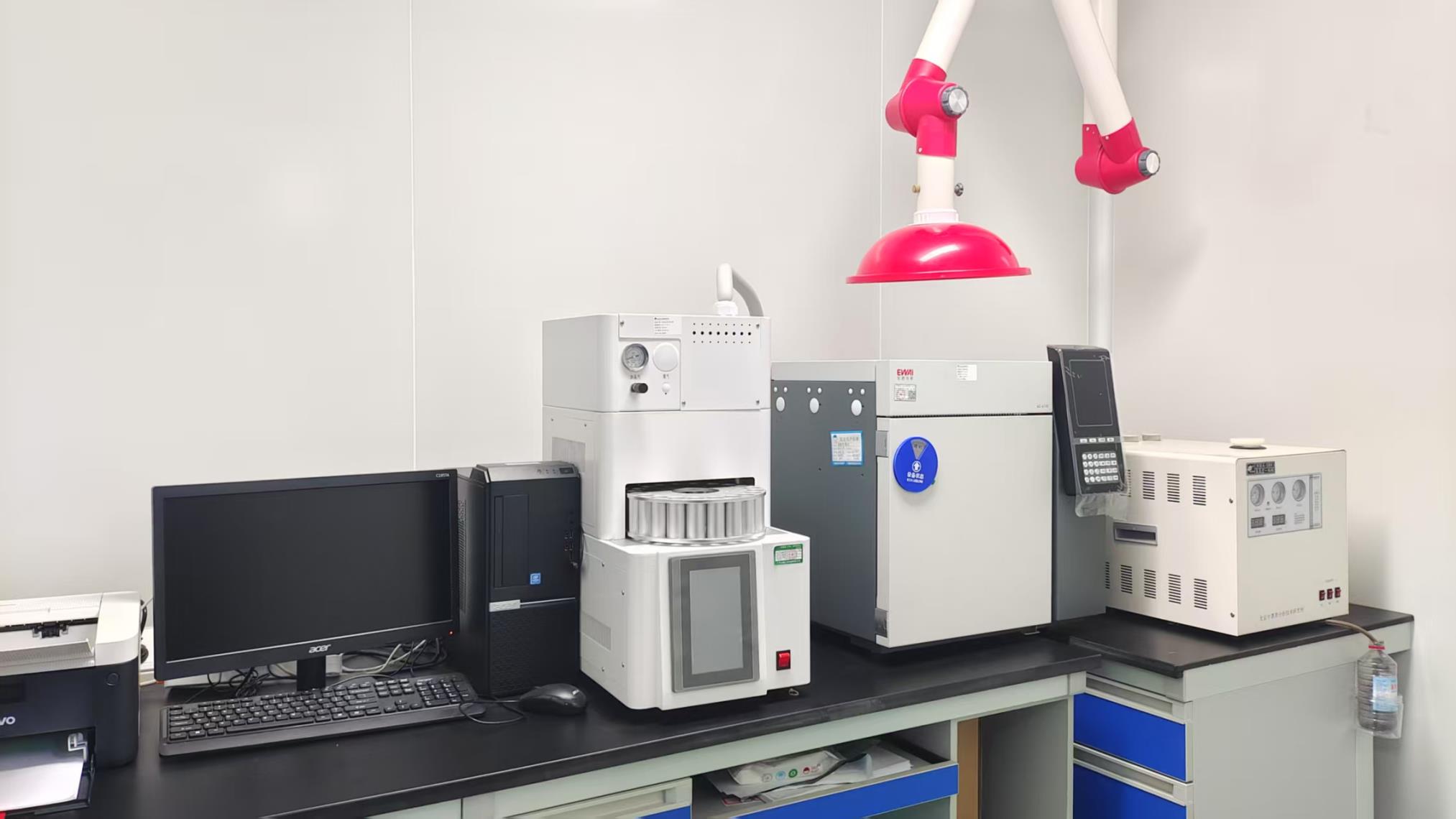
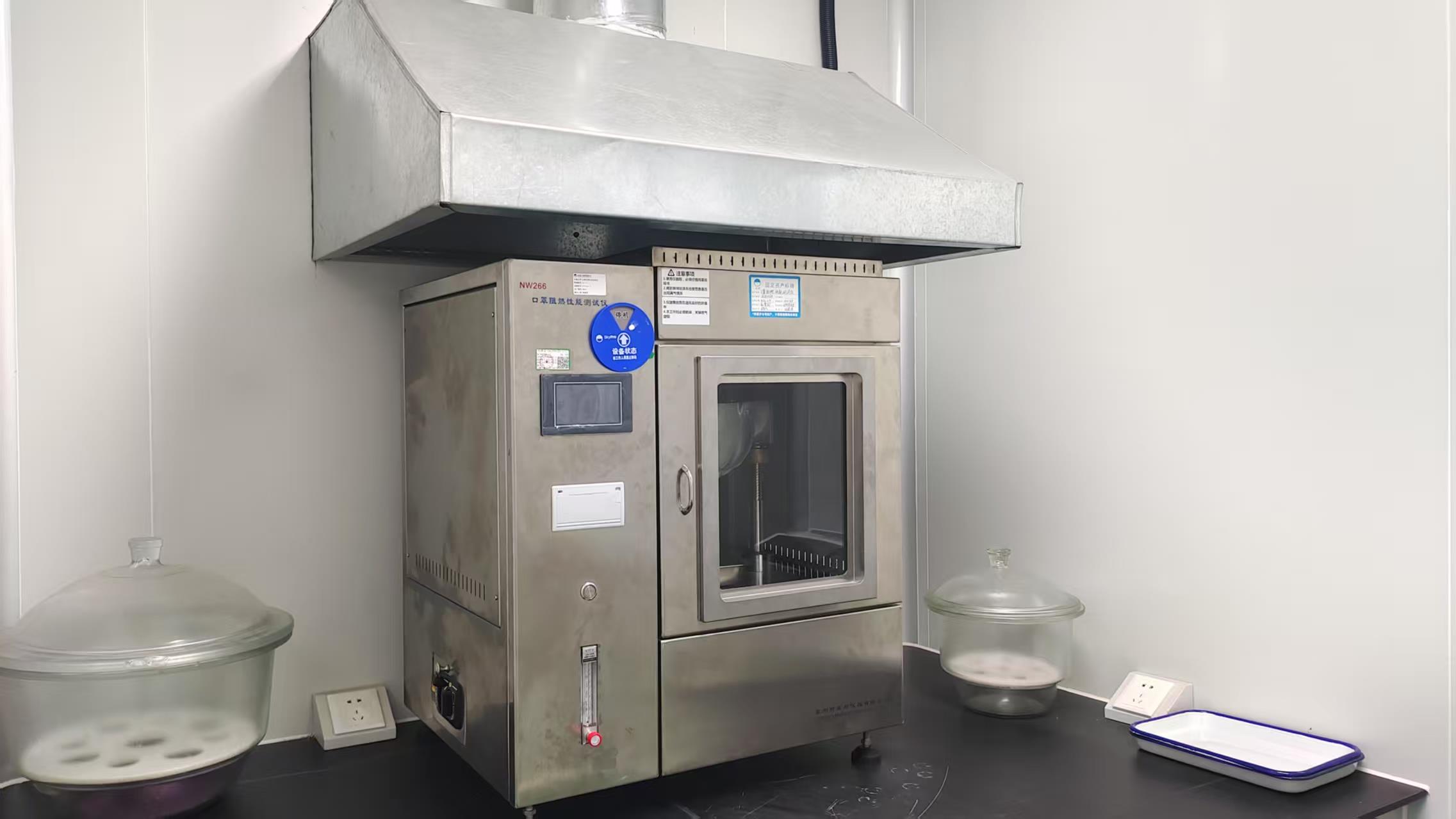
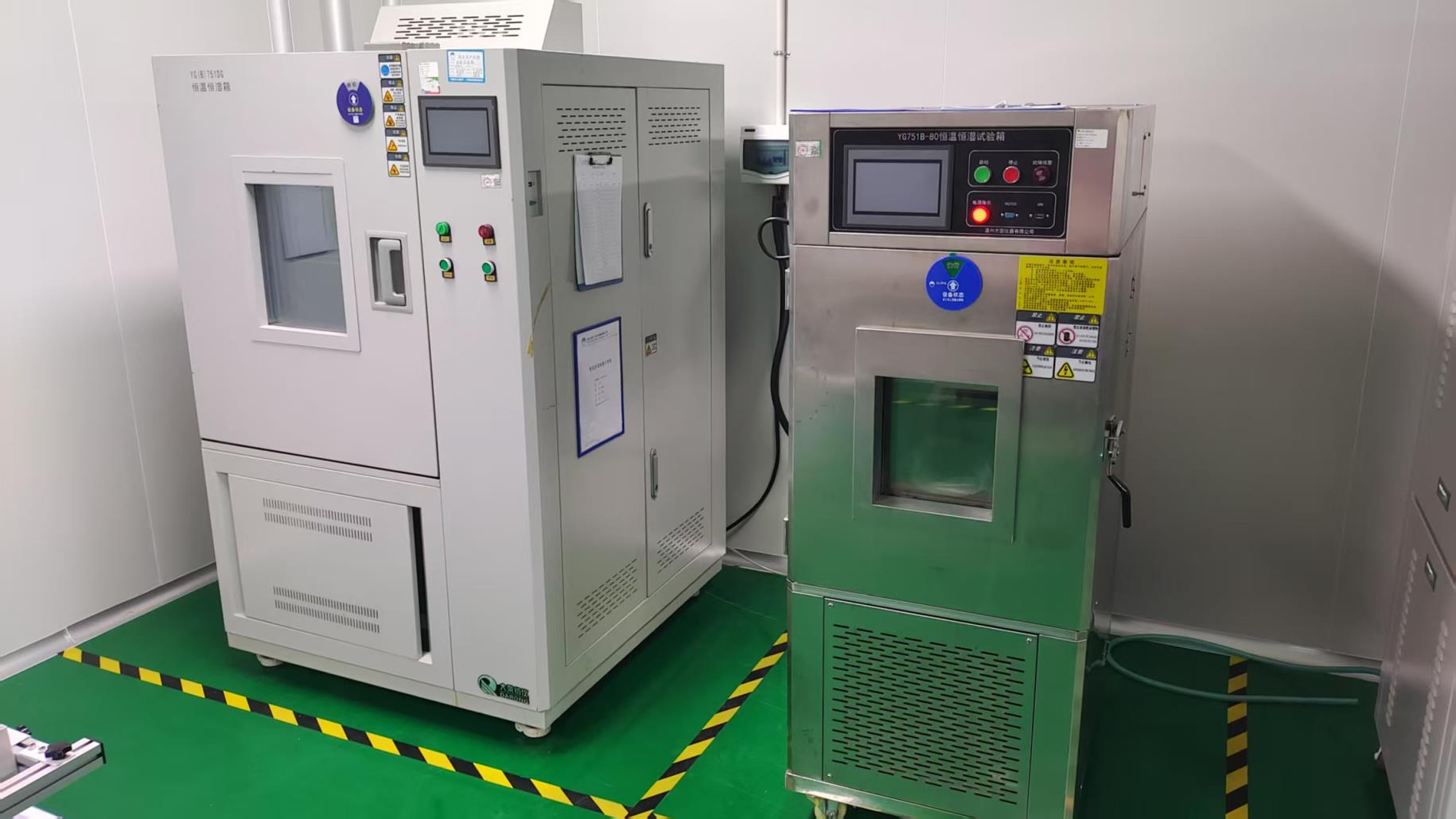
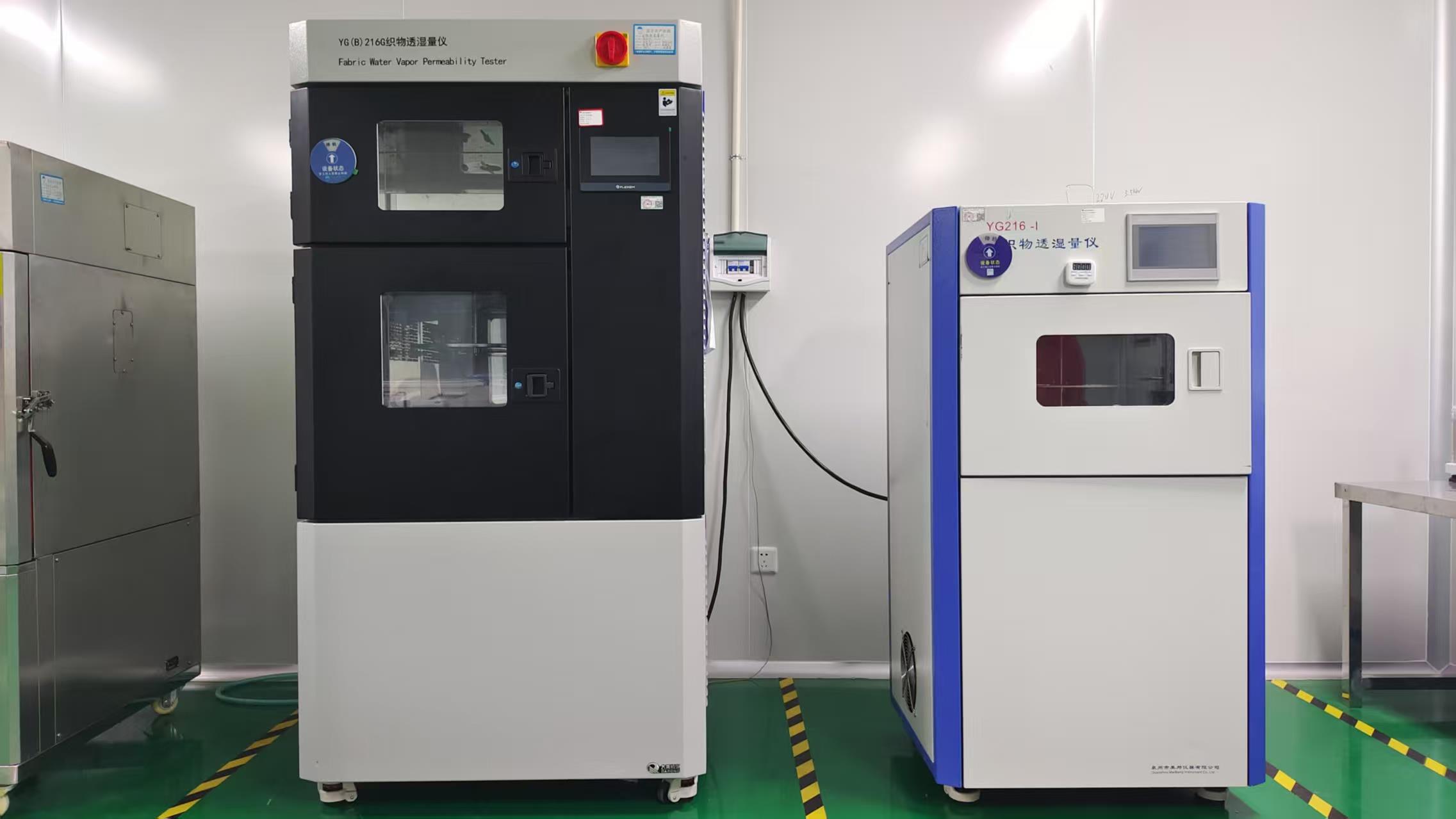
The global distribution of GI endoscopy platforms is shaped by intense competition, regional healthcare regulatory policies, and the evolving needs of healthcare providers. In highly regulated markets like North America and the European Union, clinics are increasingly outsourcing custom component manufacturing and sterile protection production to ISO 13485 audited specialists to maintain operational cost control.
As a specialized OEM and ODM manufacturer, our company is positioned to address these market needs. By operating a 100,000 square meter facility with a 6,000 square meter Class 100,000 clean workshop, we provide the scale required for high-volume manufacturing. This footprint enables us to supply high-precision CNC mechanical components for orthopedic or endoscopic instrumentation alongside sterile diagnostic consumables. By managing production from raw materials to final packaging under one roof, we help clients stabilize their supply chain and mitigate the risks of global logistics disruptions.
In the medical device industry, compliance is a core requirement rather than an option. Our quality assurance systems verify every phase of production. We test raw materials, monitor cleanroom air quality, and perform gas chromatography to measure ethylene oxide (EO) sterilization residues.
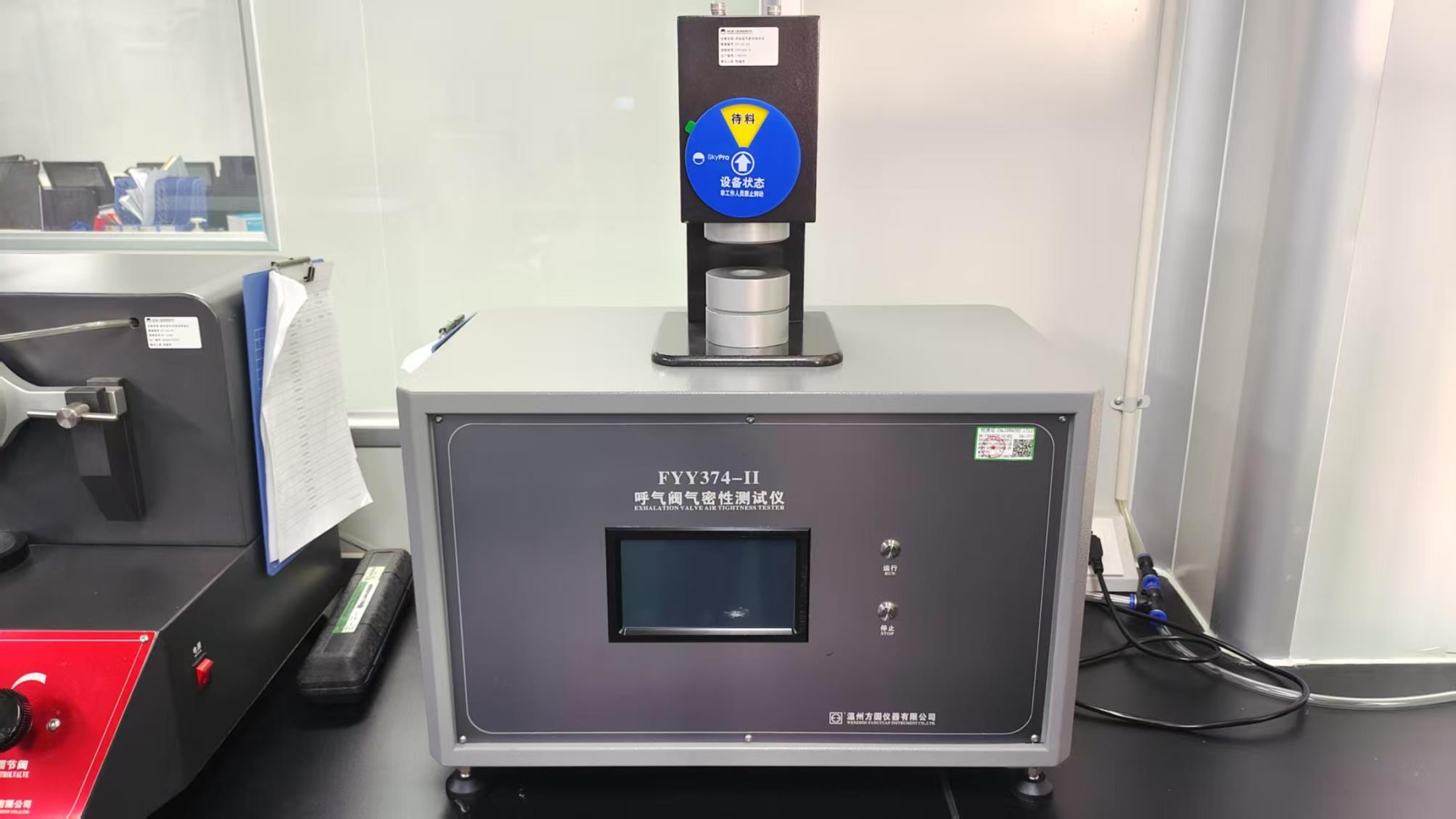
Our facility operates under an ISO 13485 certified quality management system. For sterile barriers and clinical wear, we conduct physical property testing (e.g., hydrostatic pressure, synthetic blood penetration, and filtration efficiency) using specialized laboratory equipment. In parallel, our CNC metalworking processes for orthopedics and endoscopy modules undergo dimensional verification using advanced optical scanners and Coordinate Measuring Machines (CMM). These measures provide the documentation and compliance records needed to support regulatory filings in international markets.
Our laboratory uses Gas Chromatographs to analyze chemical residue limits and Specialized Tensile Testers to measure seam strength. This systematic validation is crucial for helping OEM partners secure regulatory clearance and maintain consistent product quality.
The next phase of innovation in gastrointestinal diagnostics centers on the integration of artificial intelligence (AI) and the expansion of single-use components. AI-guided mucosal mapping demands imaging sensors that provide higher resolution and broader spectral ranges. Our engineering roadmap includes the development of multi-spectral LED light sources and CMOS camera integration, designed to provide the clear images needed by automated diagnostic algorithms.
Concurrently, the industry is balancing the durability of reusable systems with the hygiene advantages of single-use devices. Our engineering team is focused on developing hybrid endoscopy designs that combine high-precision, reusable core mechanics—machined on our 5-axis CNC lines—with cost-effective, disposable sheath components. This hybrid approach helps clinical centers reduce reprocessing times, lower cross-contamination risks, and optimize their total operational costs.
Comprehensive answers regarding our custom OEM gastrointestinal endoscope manufacturing, lead times, materials, and certification pathways.
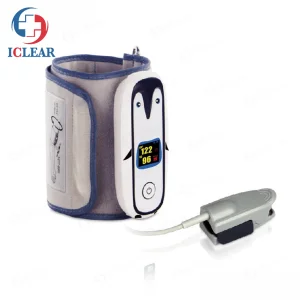
High-performance imaging consoles, specialized endoscope cameras, precision orthopedic implants, and complementary sterile barrier gear.