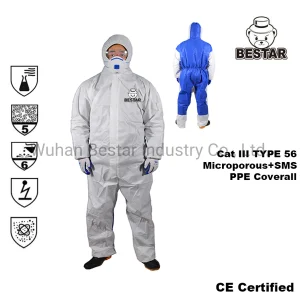
Alhilal Healthcare
Alhilal Healthcare
Alhilal Healthcare
High-quality medical accessories, personal protective equipment, and diagnostic tools engineered for global healthcare environments.
Medical waste management has shifted from a operational routine to a vital aspect of international public health compliance and biosafety. Correct handling of clinical waste is key to preventing cross-contamination, hospital-acquired infections (HAIs), and chemical hazards. In this context, medical waste bags are critical barriers safeguarding patients, sanitization workers, and the environment.
Selecting a qualified manufacturing partner in China involves assessing more than simple pricing. Leading suppliers provide high-impact puncture resistance, compliance with international biological hazard safety regulations (such as OSHA guidelines, WHO specifications, and UN standards), and reliable material stability during autoclave sterilization.
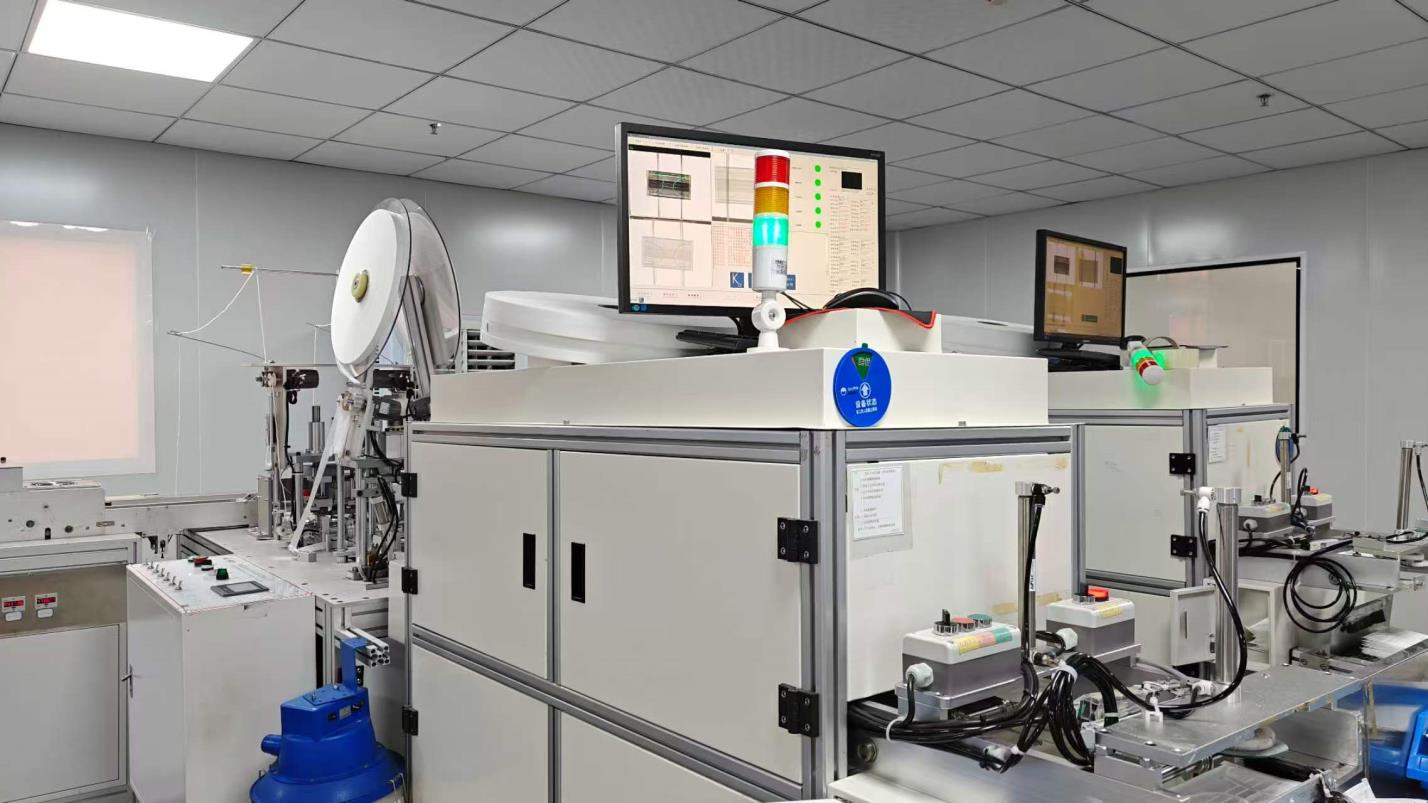
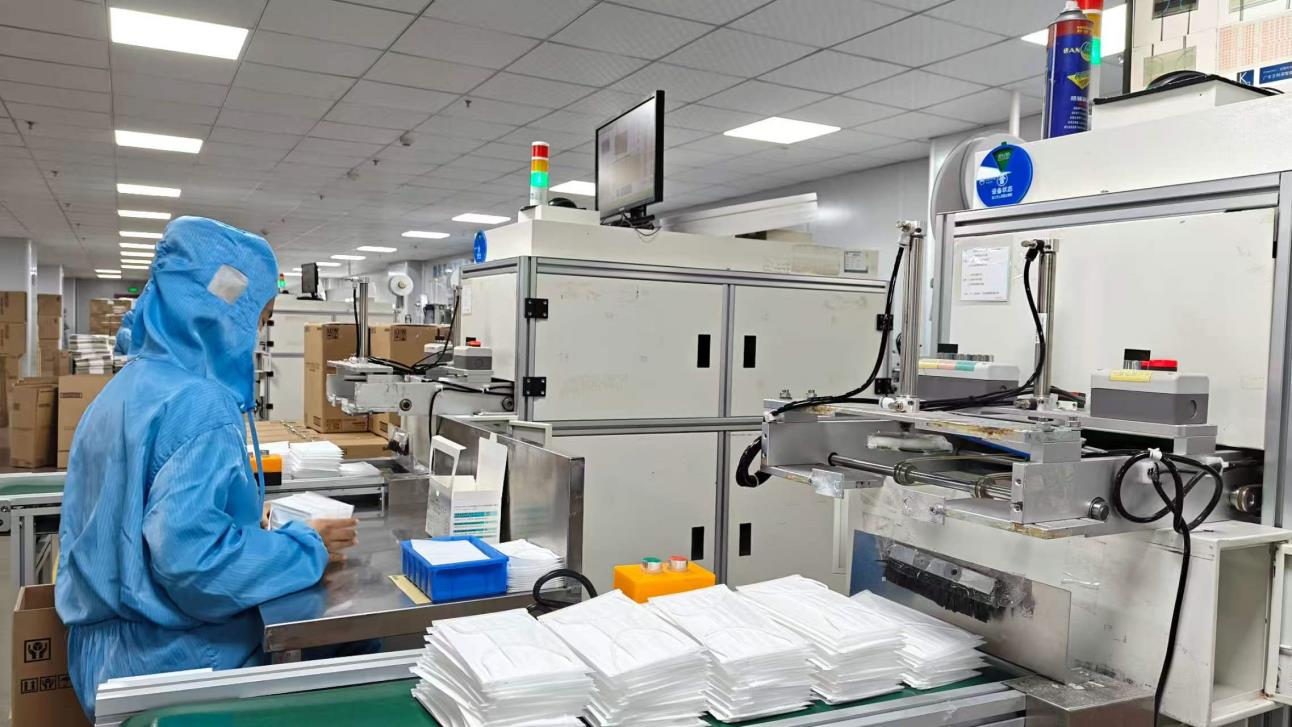
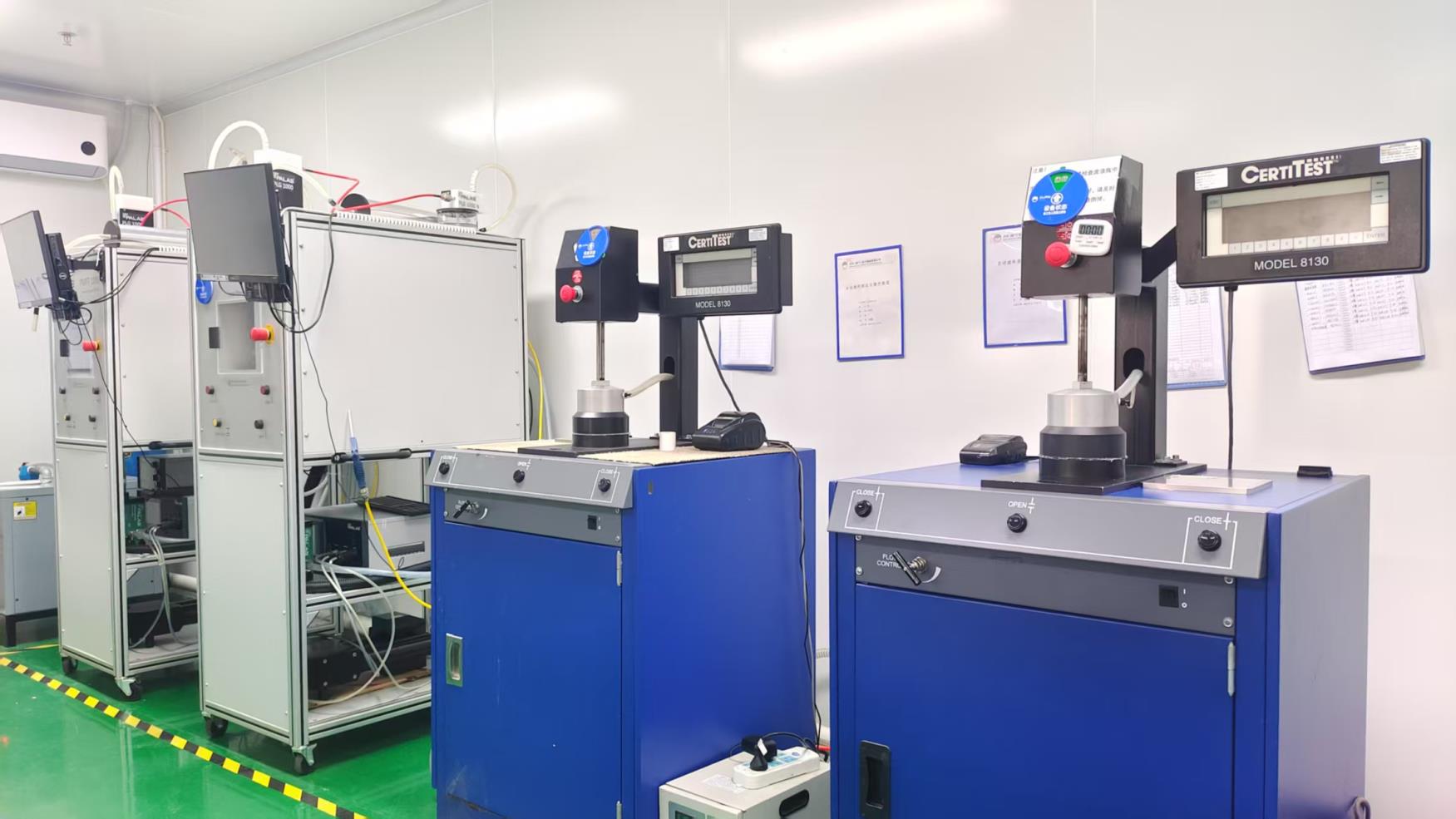
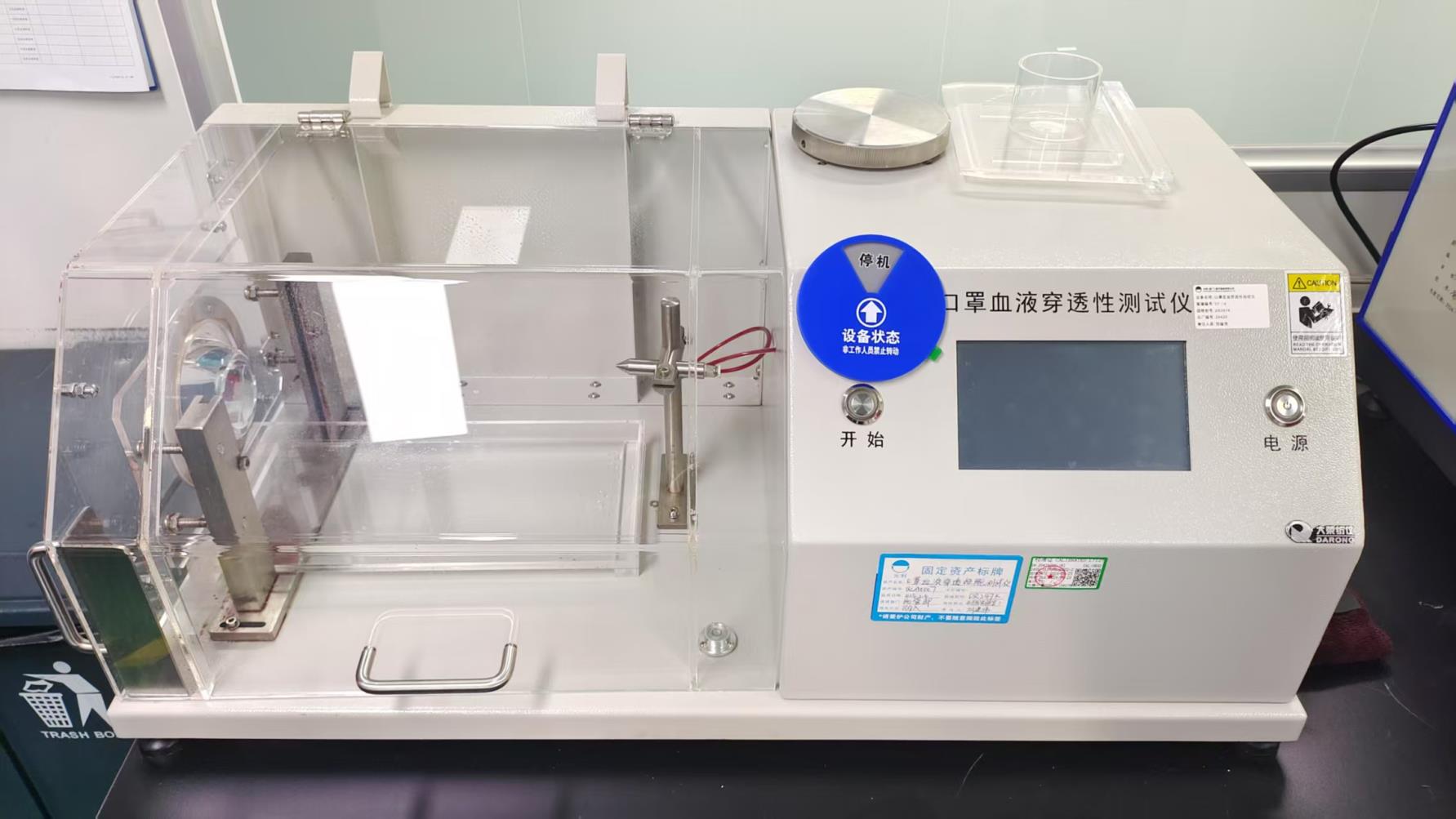
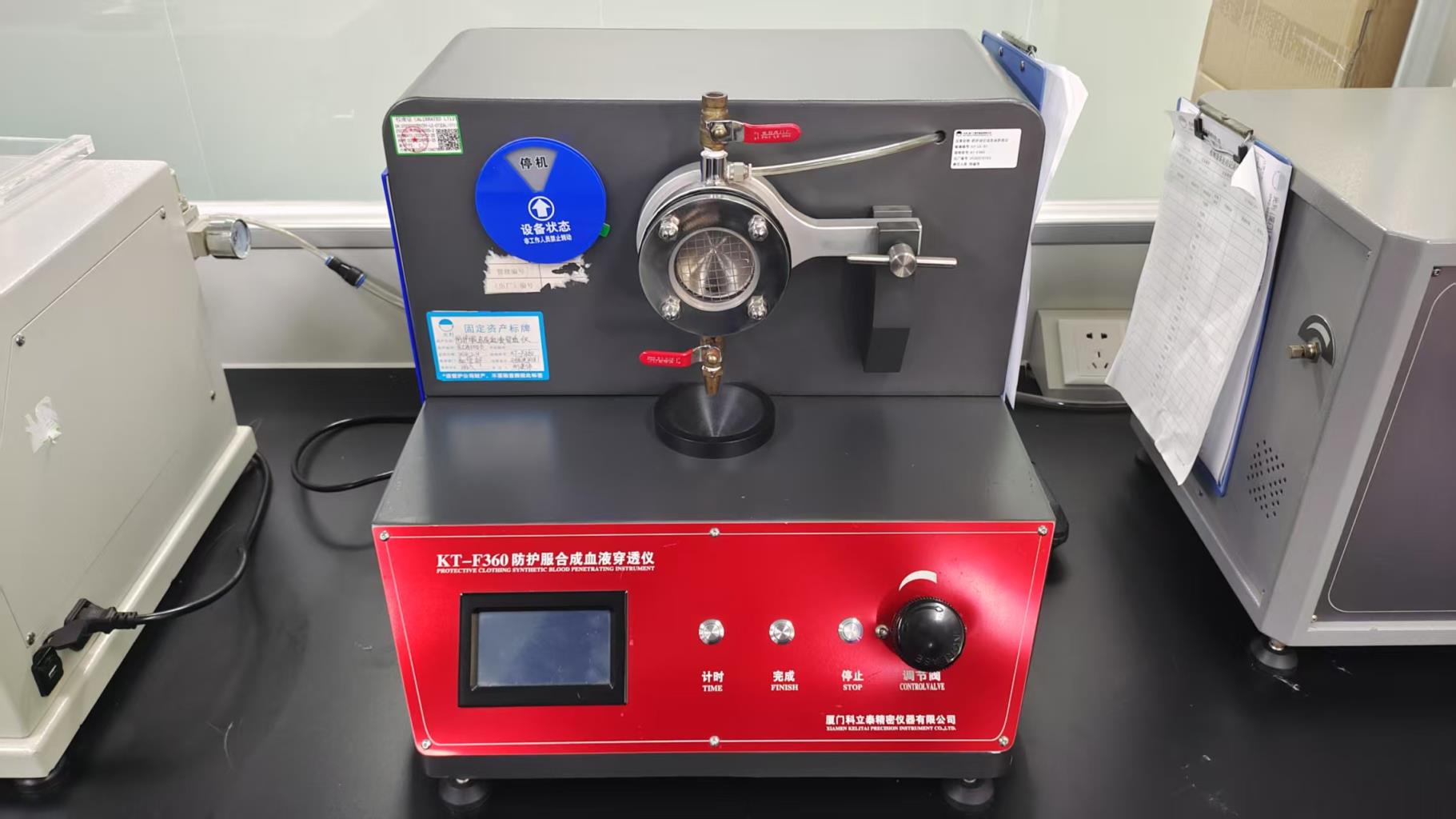
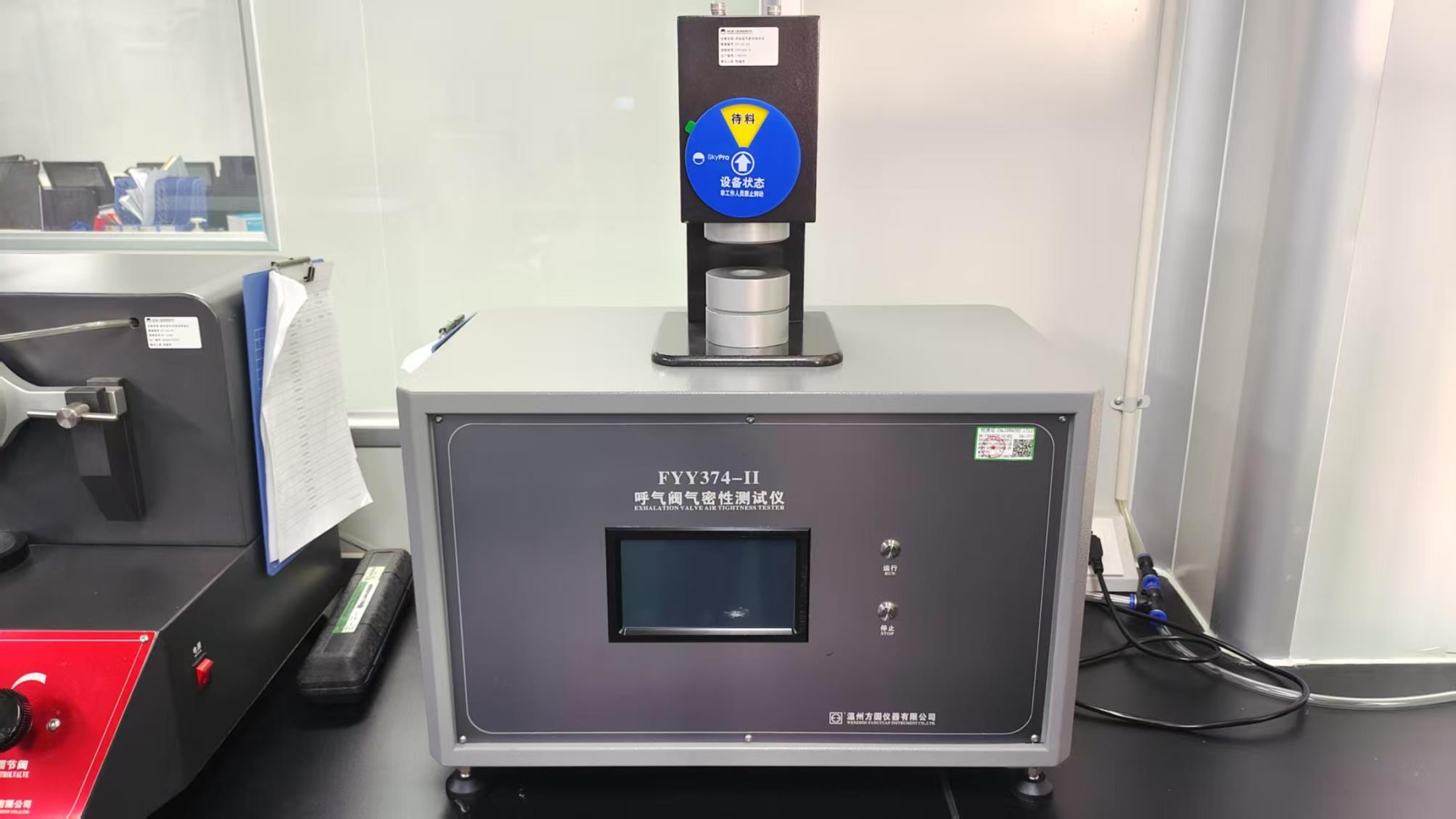
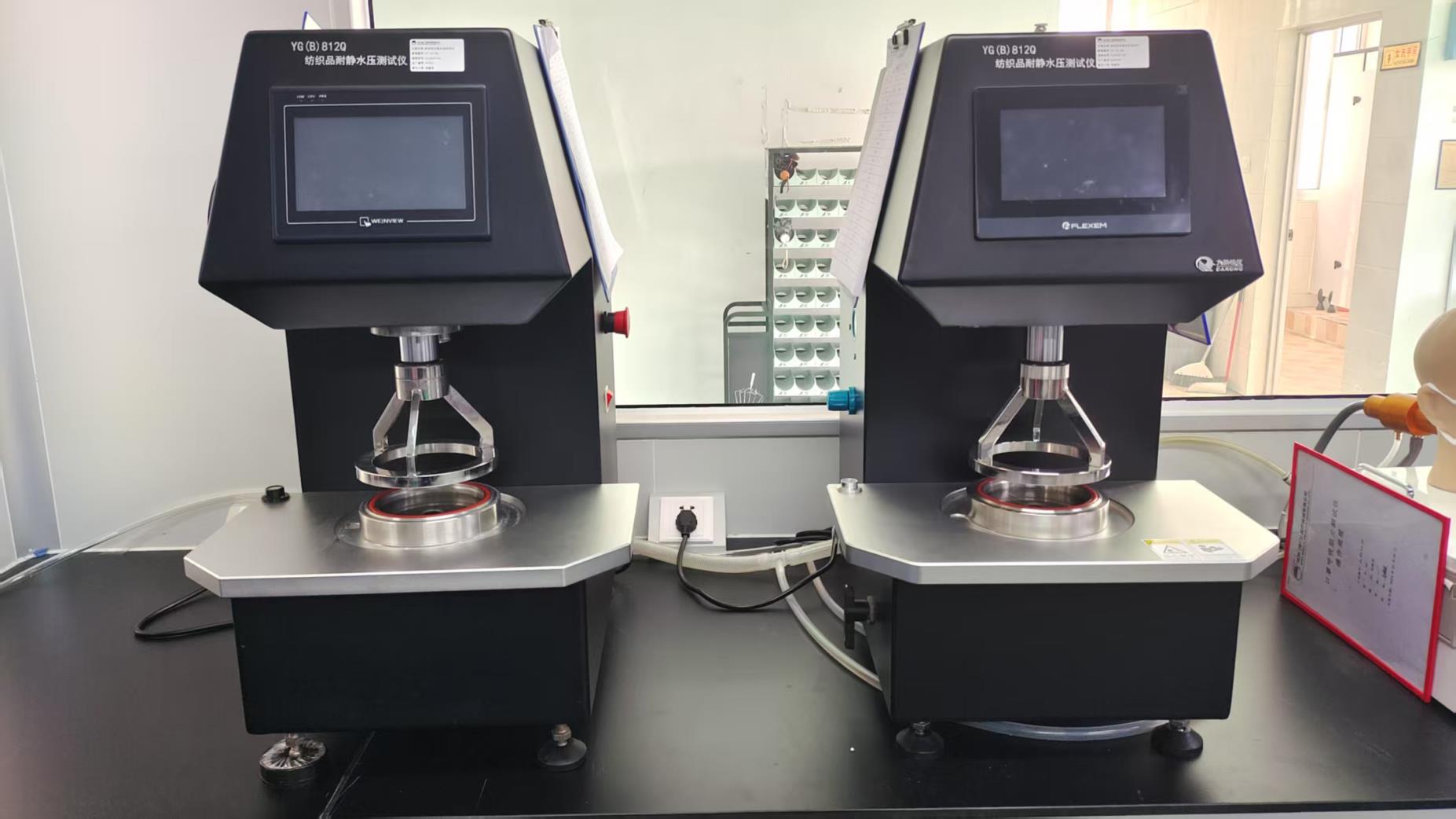
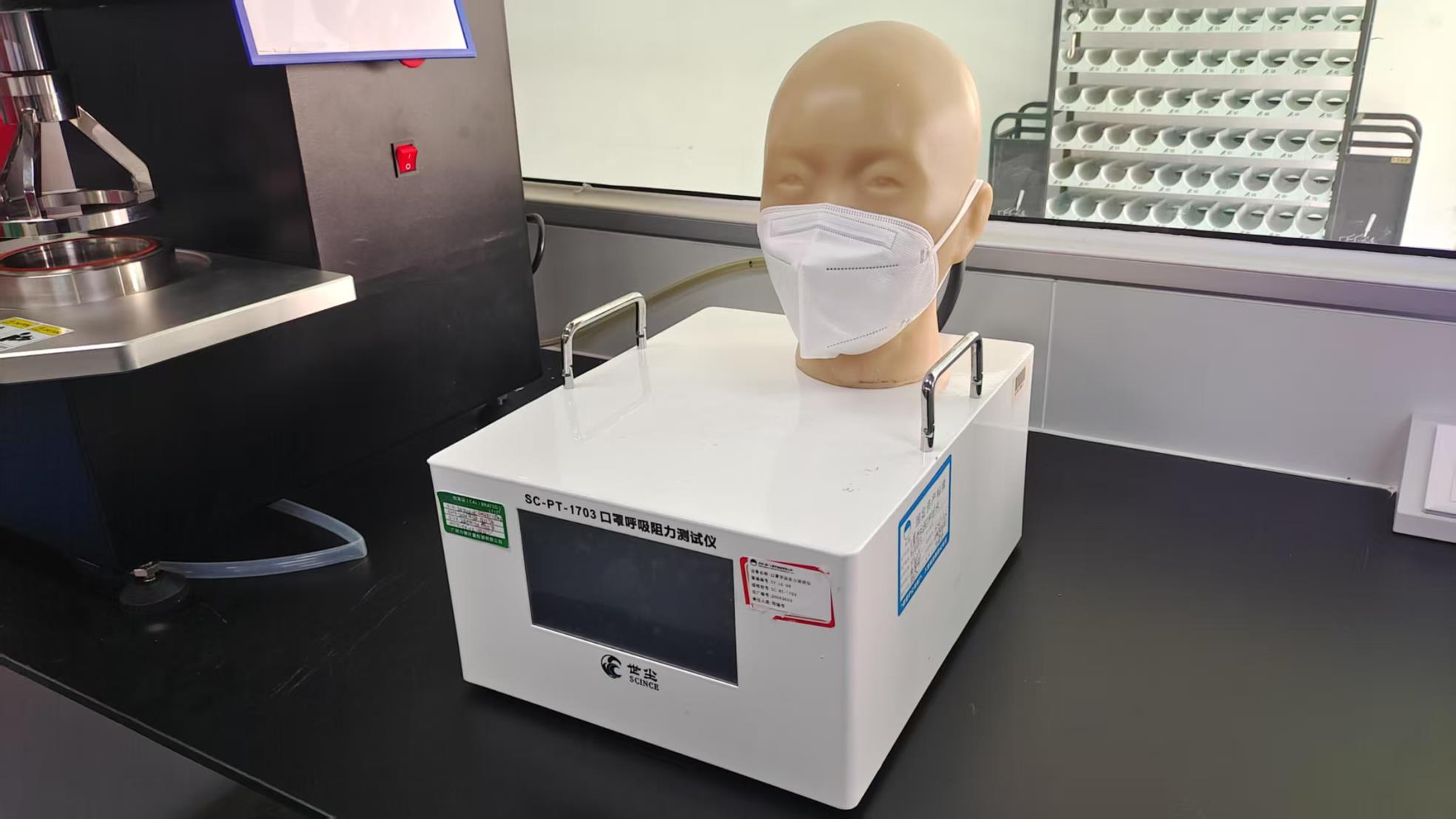
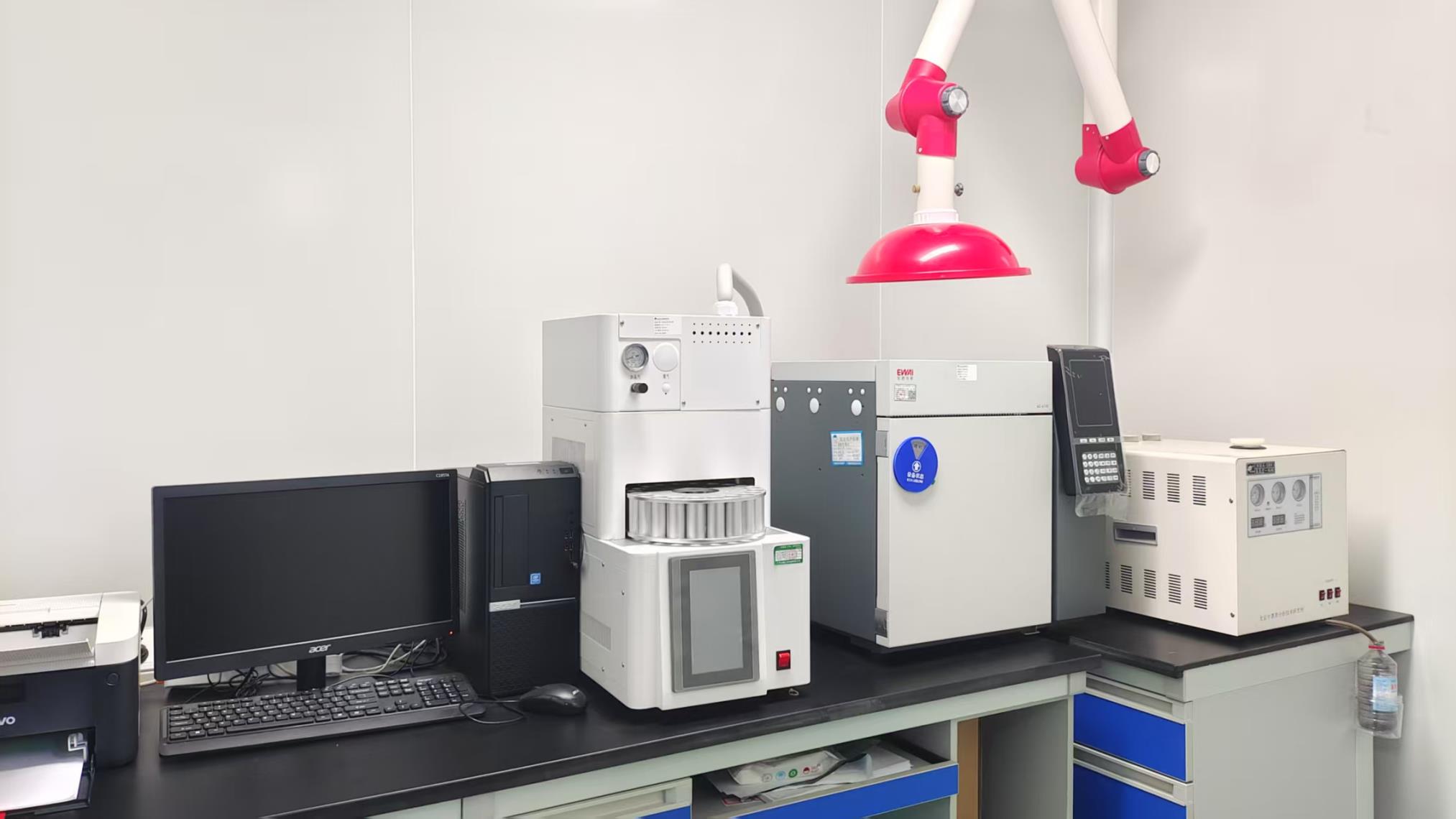
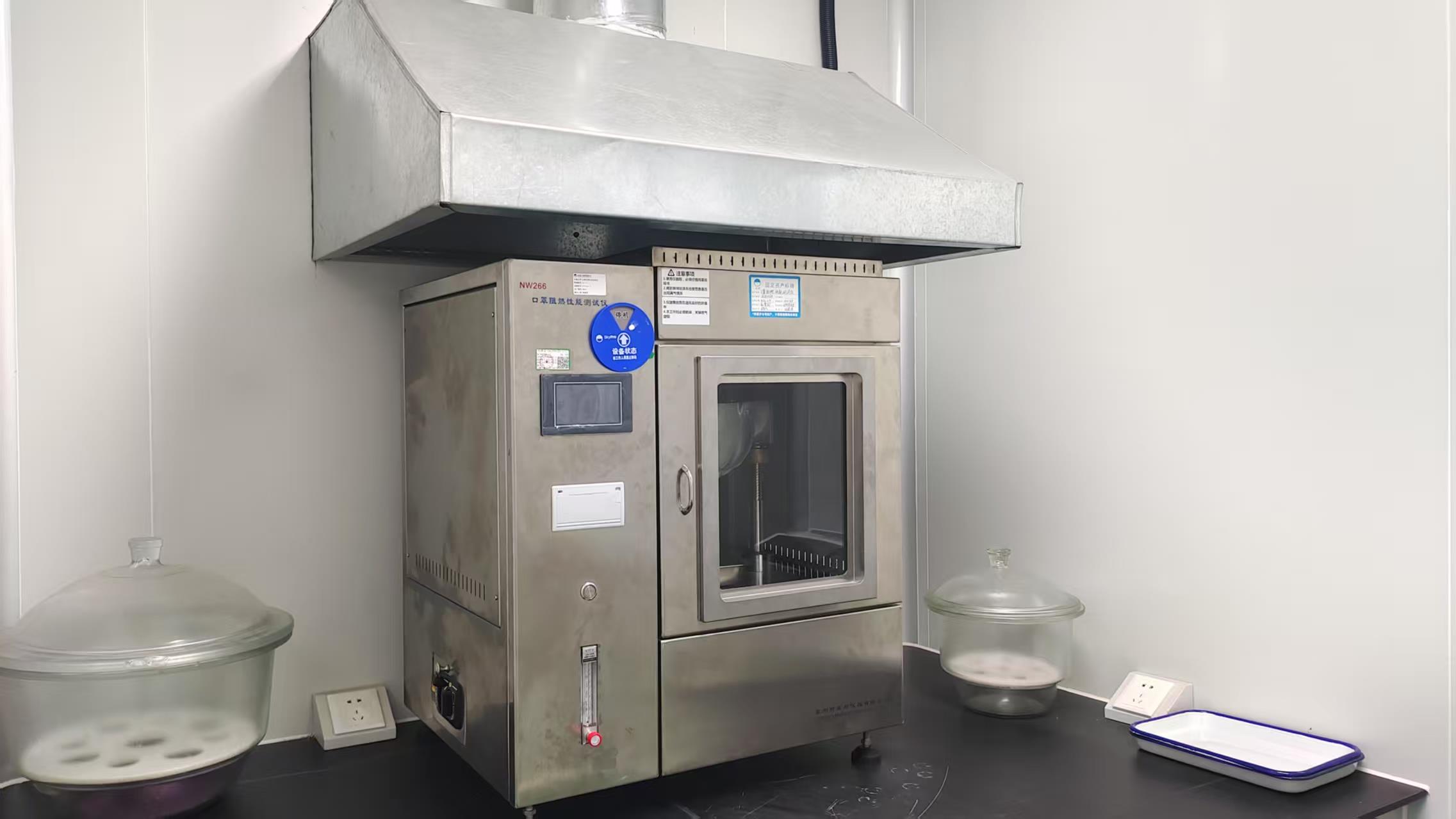
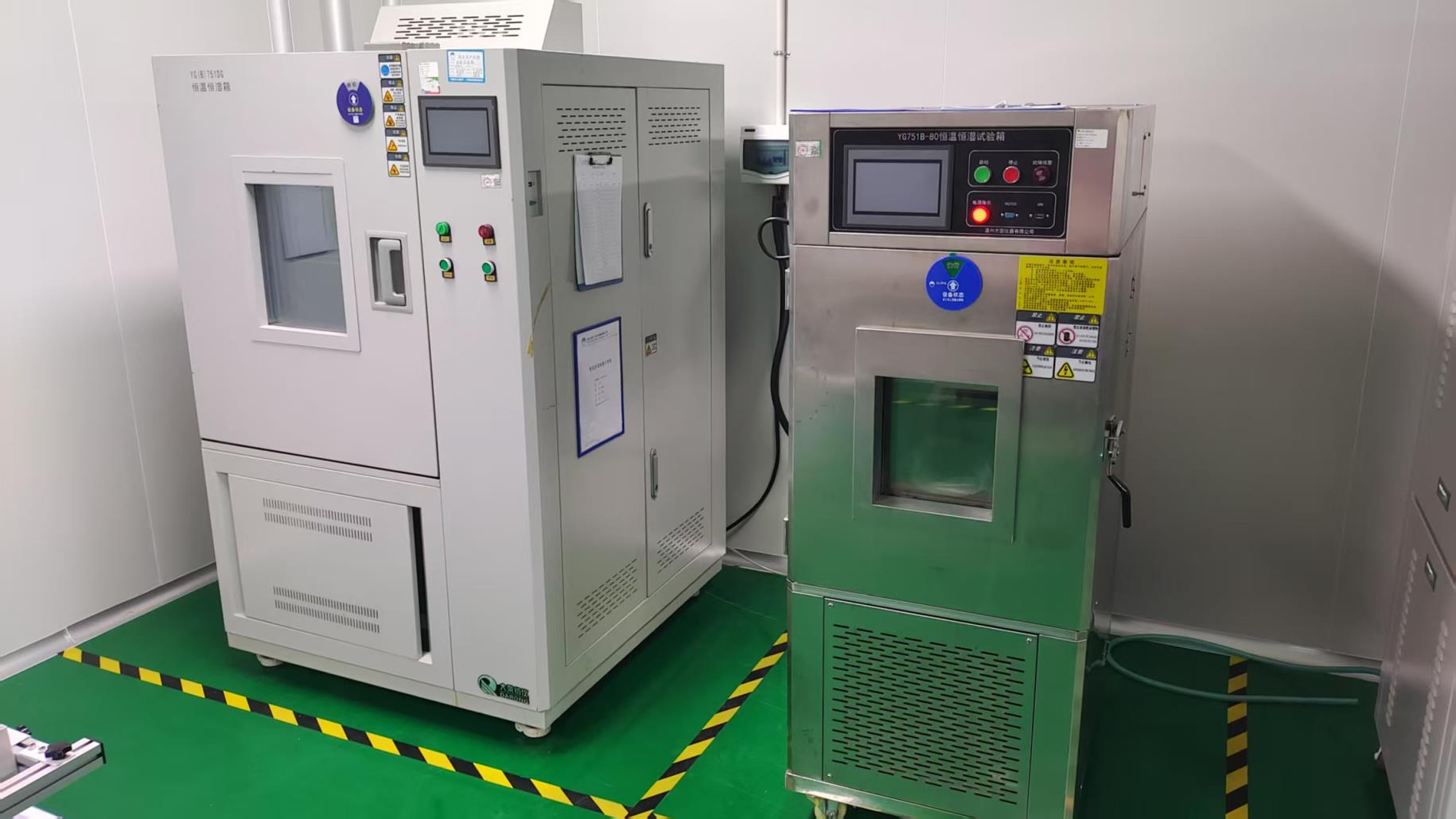
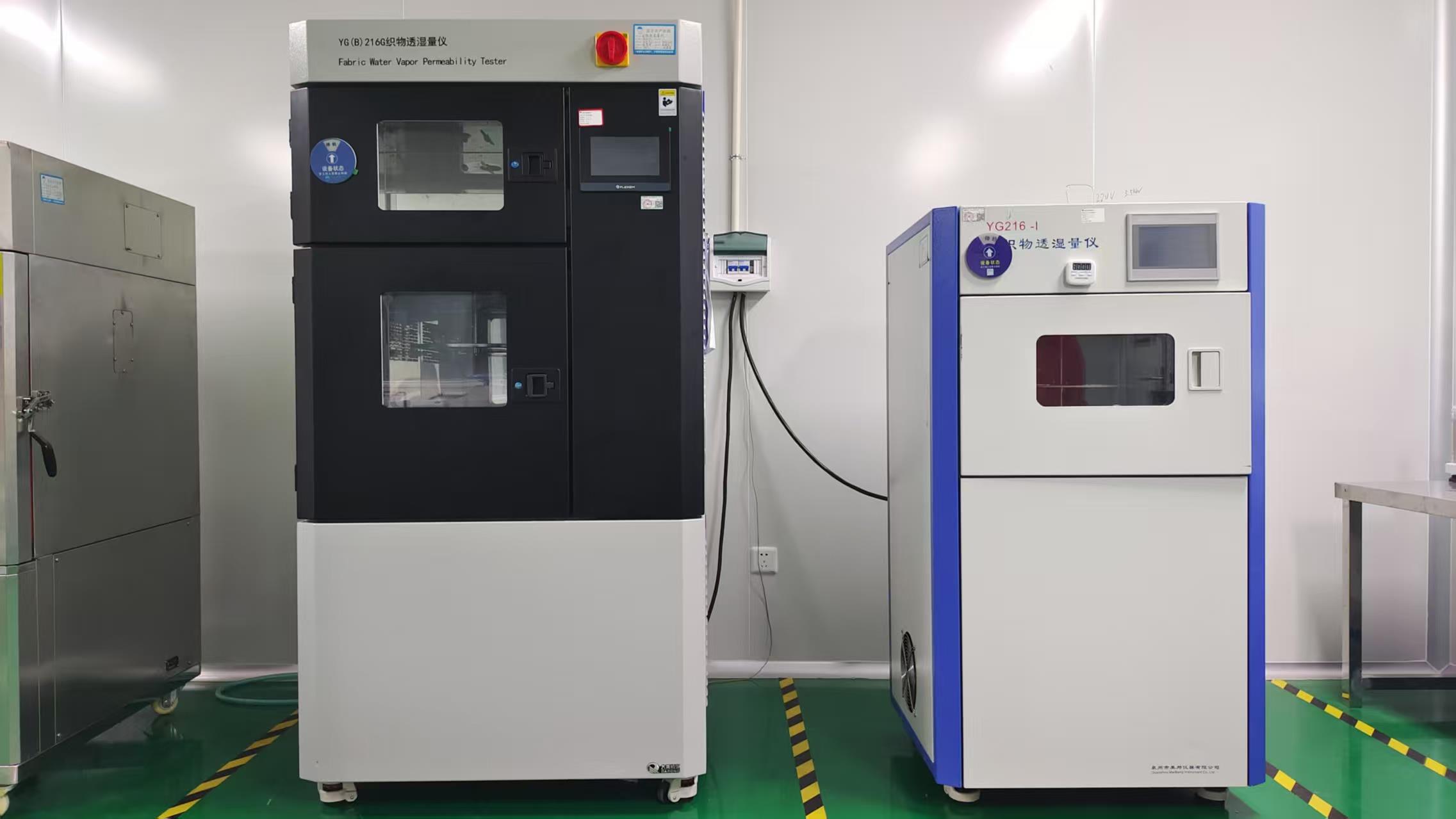
Established in 2009, our facility features modern manufacturing machinery and rigorous quality control instruments, ensuring high quality in personal protective equipment and custom medical packaging solutions.
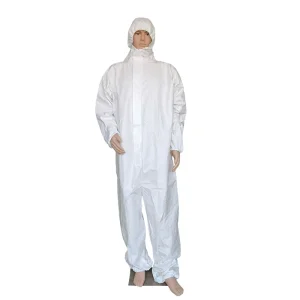
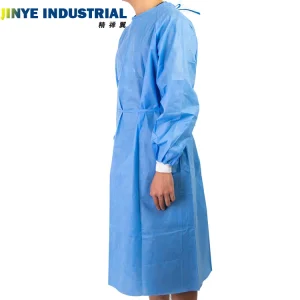
Our company has successfully completed rigorous factory audits for ISO 13485 and CE certifications. Our comprehensive production lineup covers medical-grade face masks, coveralls, isolation gowns, protective boots, bed sheets, and PE packaging accessories, providing stable quality for critical containment applications.
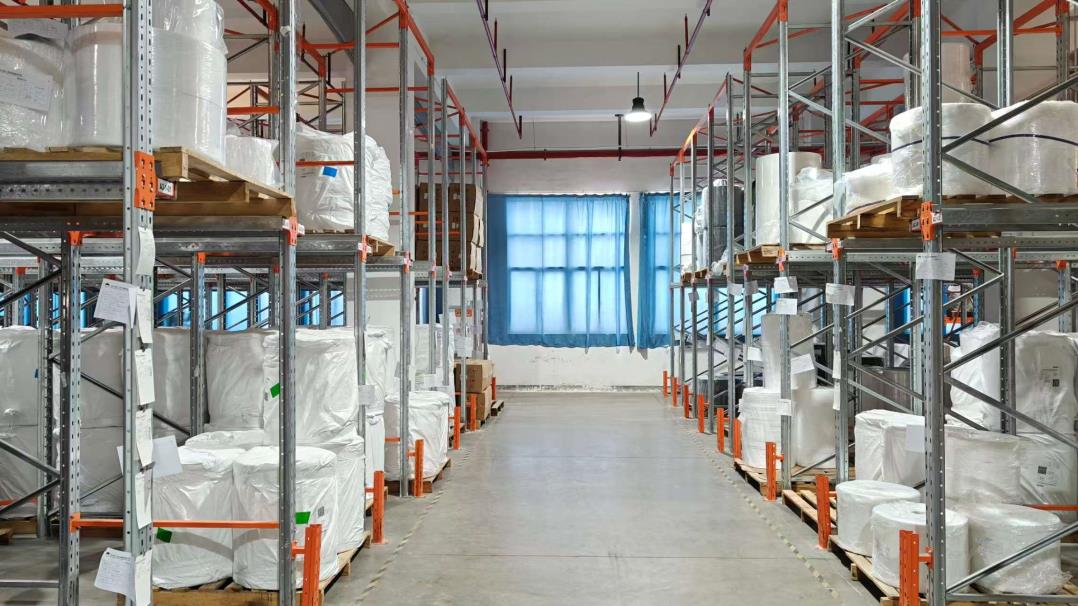
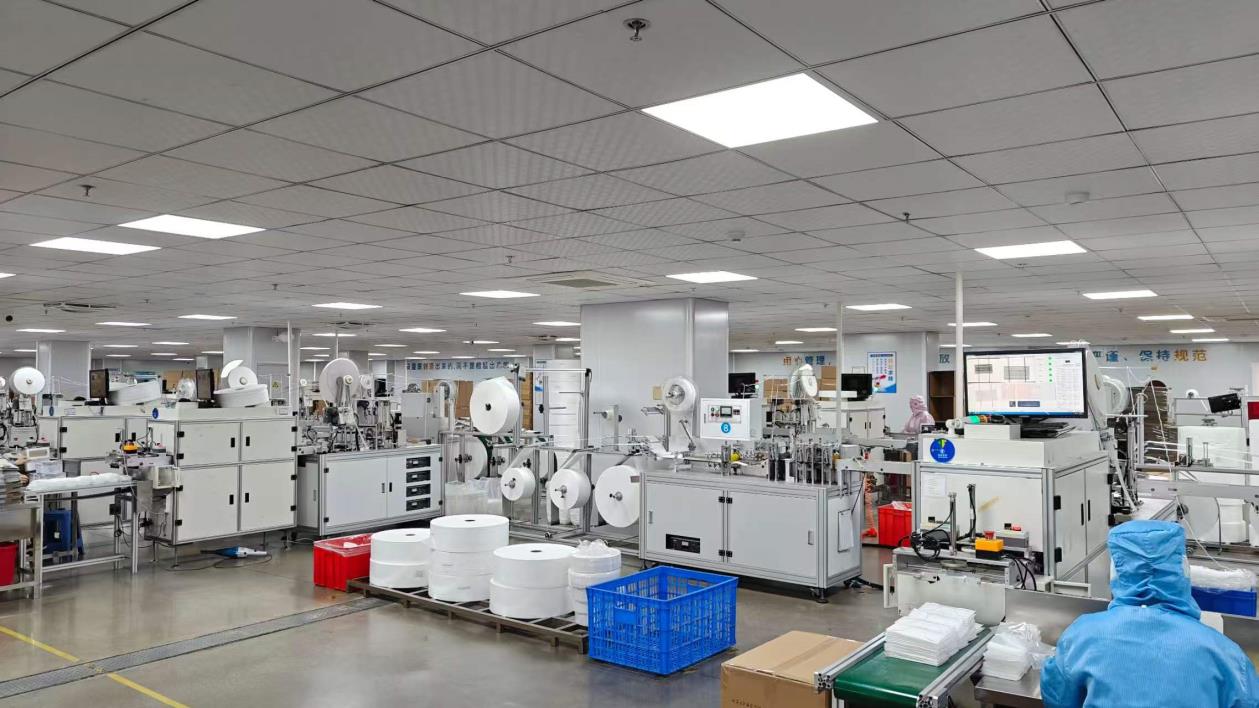
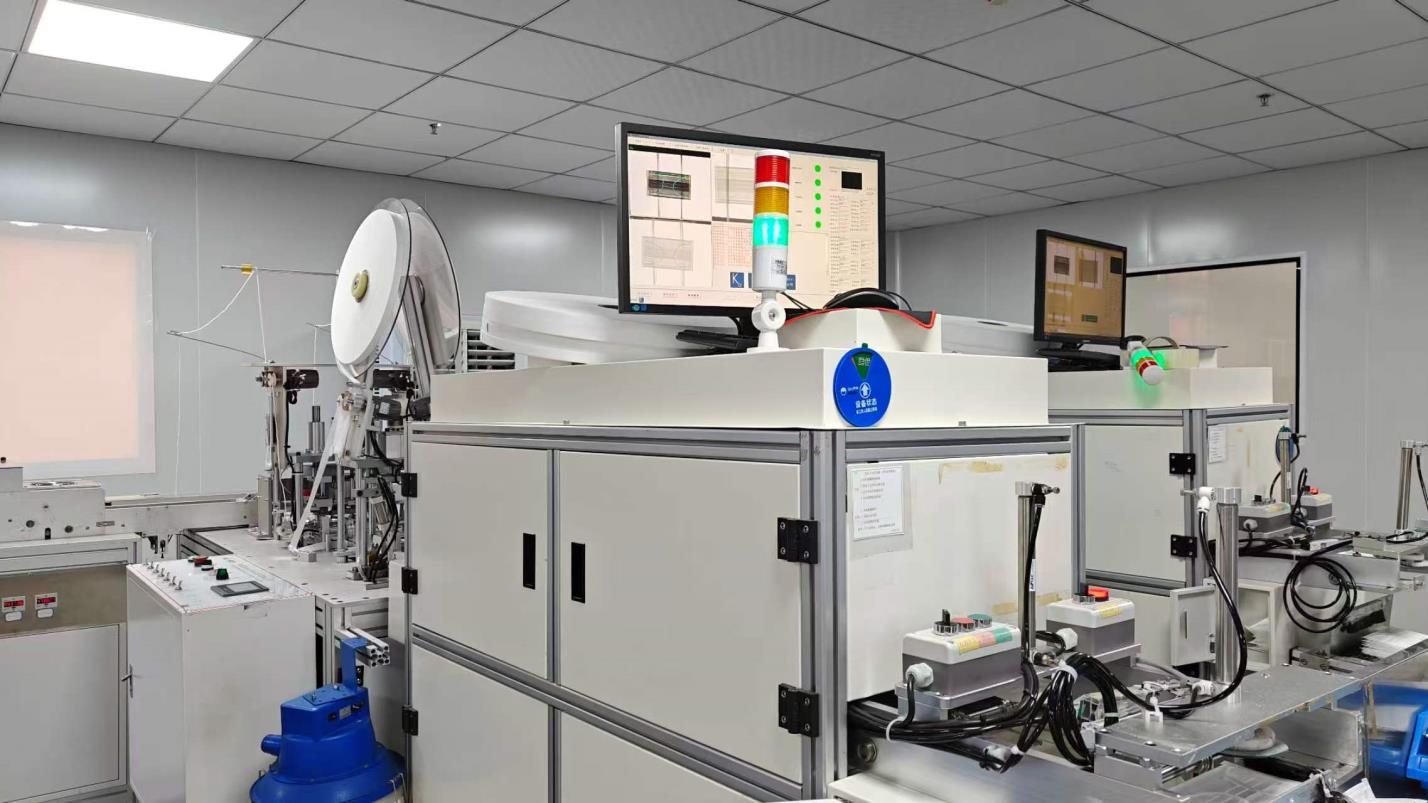
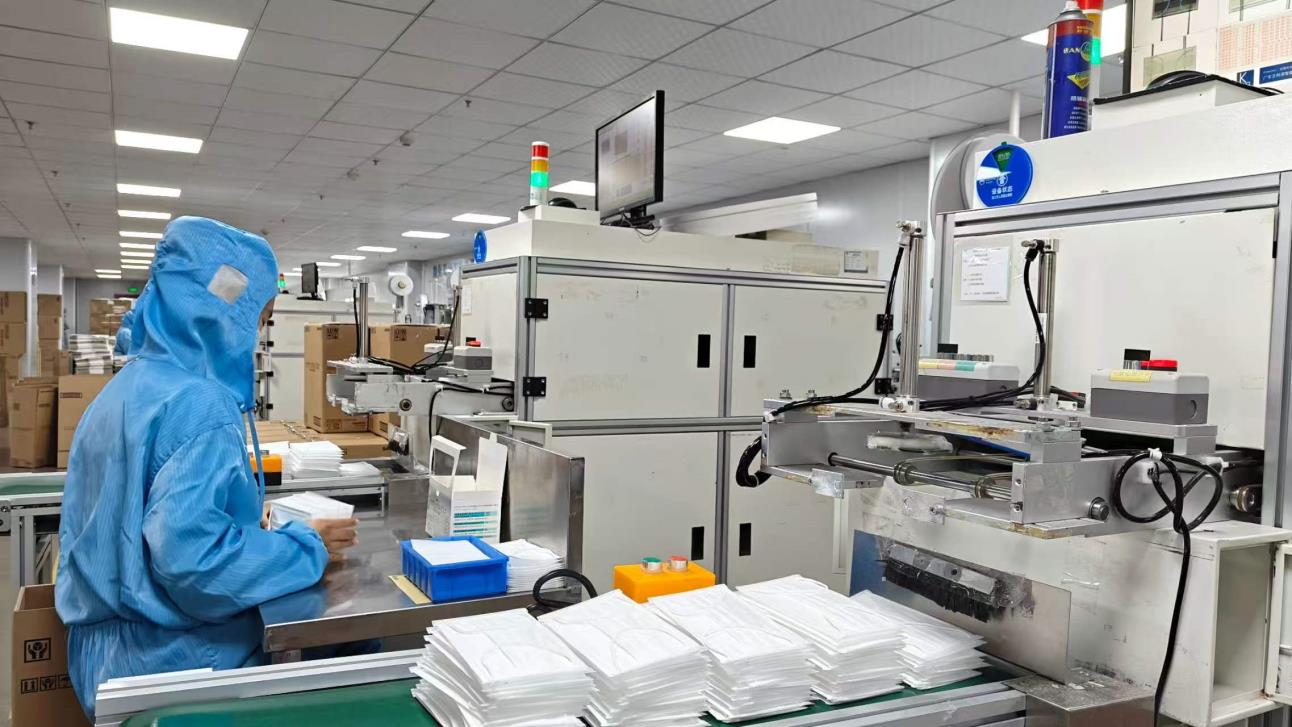
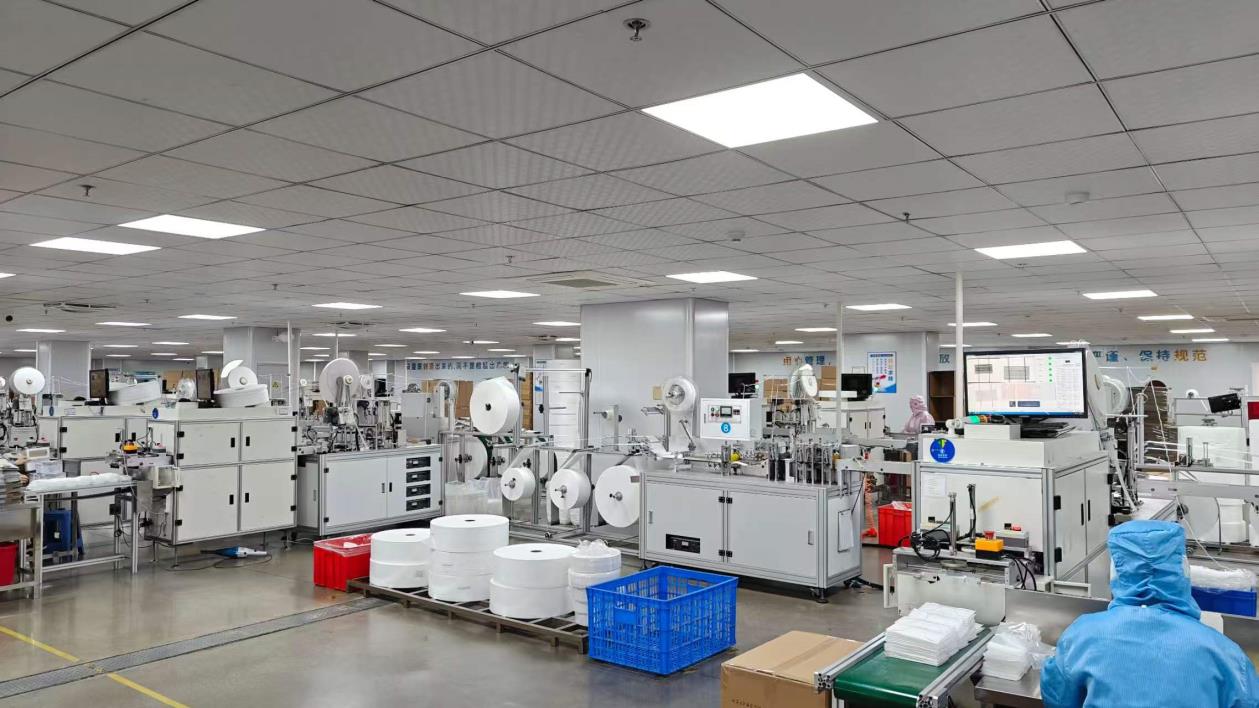
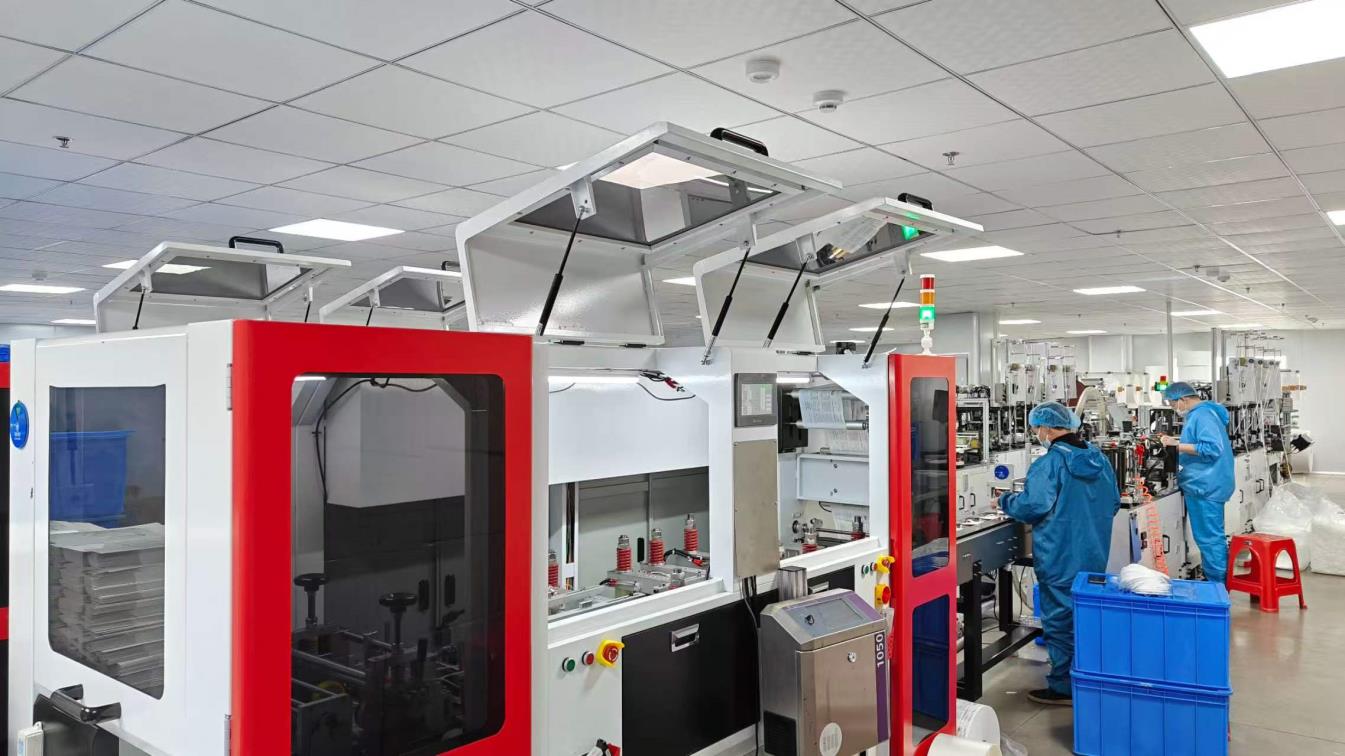
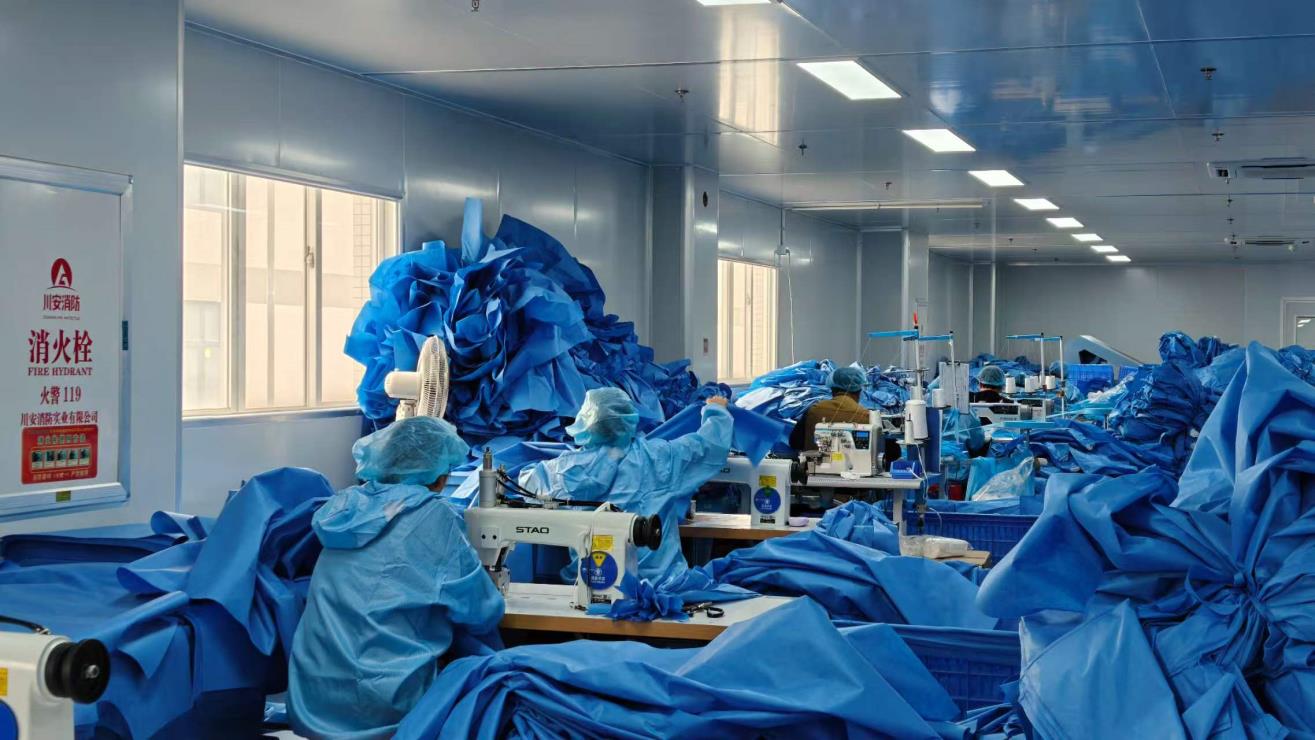
How different geographical markets and institutional categories align color codes, material specifications, and regulatory frameworks.
Standard: OSHA 29 CFR 1910.1030
Commonly utilized in the United States and North American healthcare systems. Intended for the containment of infectious waste, bloodborne pathogen contaminated clothing, bodily fluids, and specimen cultures. Must feature high-impact dart strength (minimum 165 grams per ASTM D1709) to prevent tearing during handling.
Standard: European Waste Catalogue (EWC)
Mainly used in the EU, UK, and Middle East. Yellow clinical bags are designed for waste that requires disposal by incineration. They are often manufactured with high-density polyethylene (HDPE) or low-density polyethylene (LDPE) blends to ensure a clean burn without generating toxic halogenic byproducts.
Standard: WHO Biosafety Directives
Blue bags typically store medicinal wastes or items destined for autoclaving/municipal sorting, while purple is designated for cytotoxic and cytostatic residues. Production requires precise dye stabilization and heavy metals testing (e.g., CONEG regulations compliance) to ensure environmental safety.
The reliability of a biohazard waste bag depends on its molecular formulation. Basic monolayer polyethylene bags are prone to linear tearing. Our technical research focuses on multi-layer co-extrusion technology to improve product safety.
By blending mPE into LLDPE formulations, we achieve molecular structures that resist puncture and tear propagation. This ensures bags can handle sharp plastic tools, glass pipettes, and clinical disposal accessories.
Eliminating side seams. Our tubular blowing machines produce seamless bottoms with star-seal or flat gusset geometries, reducing the risk of leakage under load.
Aligning with global hospital sustainability goals, we develop compostable bio-plastics (complying with EN 13432 and ASTM D6400) that degrade safely under industrial composting conditions.
Autoclaving is a widely used method for sterilizing biohazard waste before disposal. Standard bags can melt at high temperatures, causing hazardous spills within the autoclave chamber.
| Material Class | Softening Temp | Maximum Safe Run | Autoclave Performance |
|---|---|---|---|
| Low-Density PE (LDPE) | 105°C | 110°C (30 min) | Low (Prone to distortion) |
| High-Density PE (HDPE) | 125°C | 121°C (20 min) | Medium (Standard Cycle) |
| Polypropylene (PP) | 160°C | 134°C (45 min) | High (Excellent Resistance) |
| Co-Extruded Polyalloys | 145°C | 134°C (30 min) | Excellent (Balanced Cost/Toughness) |
*Important: Always verify autoclaving parameters with our engineering team prior to initiating facility-wide procurement cycles.
Managing overseas medical sourcing requires clear transparency, stable quality control, and structured logistical capabilities.
We provide custom printing for hazard indicators, sterilization indicator patches (which change color after autoclaving), local languages, and barcode tracking elements. Packaging options include bulk rolls, flat packs, or custom-branded retail boxes.
We supply full product trace records, Certificate of Conformance (CoC), material technical data sheets (TDS), safety data sheets (SDS), and ISO compliance documents. This supports your Quality Management System (QMS) during audits.
To guard against global logistics disruptions, we offer scheduled container delivery agreements and maintain raw material buffers. This helps ensure uninterrupted supply for regional health authorities and large distributor networks.
Answers to common questions regarding specifications, compatibility, and international sourcing procedures for medical waste bags.
Explore our full line of non-woven disposables, surgical isolation apparel, and veterinary care systems.