Alhilal Healthcare
Alhilal Healthcare
Alhilal Healthcare
Explore our core certified personal protective equipment, diagnostic monitors, and medical containment solutions engineered for strict global health safety compliance.
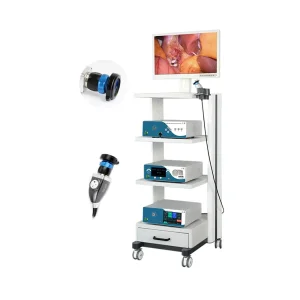
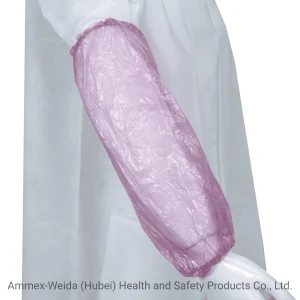
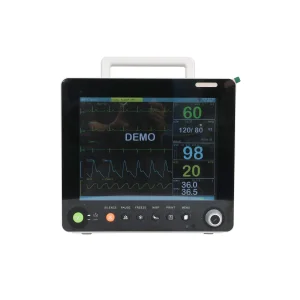
The global healthcare sector generates approximately 5.9 million tons of medical waste annually, with hazardous sharp waste, pathological remnants, and pharmaceutical refuse accounting for nearly 15% of the total volume. Mitigating nosocomial infections, occupational needle-stick injuries, and environmental contamination hinges upon the mechanical integrity, seal leak-tightness, and biological safety of standardized medical waste containers.
Modern procurement officers, clinical logistics directors, and global distributors no longer evaluate container manufacturers strictly on unit cost. Instead, search intent and purchase criteria have pivoted toward puncture resistance thresholds (ASTM F2132), hermetic tamper-evident locking systems, smart IoT weight/fill-level telemetry, and compliance with UN 3291 specifications for dangerous goods transport.
The biohazard containment manufacturing ecosystem is divided between high-cost Western automation hubs prioritizing regional medical center contracts and high-capacity Asian Smart Factories providing scalable OEM/ODM engineering. Below is an authoritative comparative evaluation of the industry's top 10 manufacturing paradigms based on operational footprint, material science innovations, and export capability.
Utilizing high-molecular Polypropylene (HDPP) formulation, these facilities specialize in auto-latching sharps boxes (0.1L to 30L capacity) engineered to withstand lateral impacts without seal failure during transportation.
Focusing on heavy-duty clinical transport units (120L to 1100L bins). Incorporating high-grade rubber casters, ergonomic foot-pedal lid lifters, and liquid-tight rubber gaskets for central operating rooms.
Pioneering Next-Gen waste handling by integrating ultrasound fill-level sensors, active RFID tracking tags, and automated fill weight notification gateways directly into molded bin housings.
Manufacturing color-coded yellow and purple containment vessels equipped with vapor-retarding internal gaskets designed explicitly for handling hazardous antineoplastic trace elements.
Focusing on heavy-gauge autoclavable co-extruded PE film sacks with high dart-drop impact resistance and certified infectious agent containment parameters.
Leading post-industrial resin blending to formulate post-consumer recycled (PCR) polypropylene bins that meet carbon reduction targets without compromising puncture thresholds.
The biohazard container market is undergoing a structural technological transition driven by automated hygiene mandates, infection prevention control standards, and sustainable material chemistry.
Integration of virgin polypropylene with high-impact elastomers yields container walls capable of withstanding acute point-pressure forces (>15N) from standard surgical needles, scalpel blades, and lancets without structural micro-cracking.
Modern sharps containers feature a two-phase lid architecture: a temporary closure mode during active clinical shifts, and a permanent snap-lock mechanical seal engaged prior to transport, rendering re-entry impossible.
In response to cross-contamination threats, hospital-grade waste units are increasingly utilizing hands-free pneumatic or optical-sensor lid opening mechanisms, reducing cross-pathogen vectors by up to 94%.
Different medical workflows demand tailored hazardous containment protocols. Below is a matrix of operational solutions optimized across diverse clinical settings:
High-capacity mobile bins (60L–120L) equipped with color-coded biohazard yellow and red designations. Require autoclave-safe polypropylene construction capable of undergoing steam sterilization without structural warping.
Hermetically sealed fluid containment systems designed to handle blood, bodily fluids, and suction canister waste. Must pass stringent liquid spill testing under tilt angles exceeding 45 degrees.
Pathological and micro-organism waste containers equipped with viral-retarding carbon filters and vapor locks to prevent hazardous airborne release during internal transfer.
Heavy-duty impact-resistant containers engineered for varied sharp sizes, animal tissue disposal, and specialized pharmaceutical waste from veterinary surgical procedures.
Navigating cross-border procurement of medical equipment and waste containment demands strict adherence to international legal mandates. Global buyers must verify compliance with several core benchmark frameworks:
Defines comprehensive quality system standards specific to medical device manufacturing, ensuring consistent product design, raw material traceability, and batch control.
Rigorous performance testing protocol validating container resilience under drop tests, stacking weight pressures, and liquid seal integrity for hazardous bio-medical waste transport.
US occupational safety mandate requiring rigid, puncture-resistant, leak-proof containment labelled clearly with biohazard symbols to safeguard healthcare staff.
European Standard specifying requirements and test methods for reusable and single-use sharps containers designed for single-use needles and sharps instruments.
As global demand for medical disposable protective equipment and hazardous waste containment scales, advanced Chinese industrial clusters offer unmatched manufacturing capabilities, deep supply chain integration, and rigorous quality assurance infrastructure.
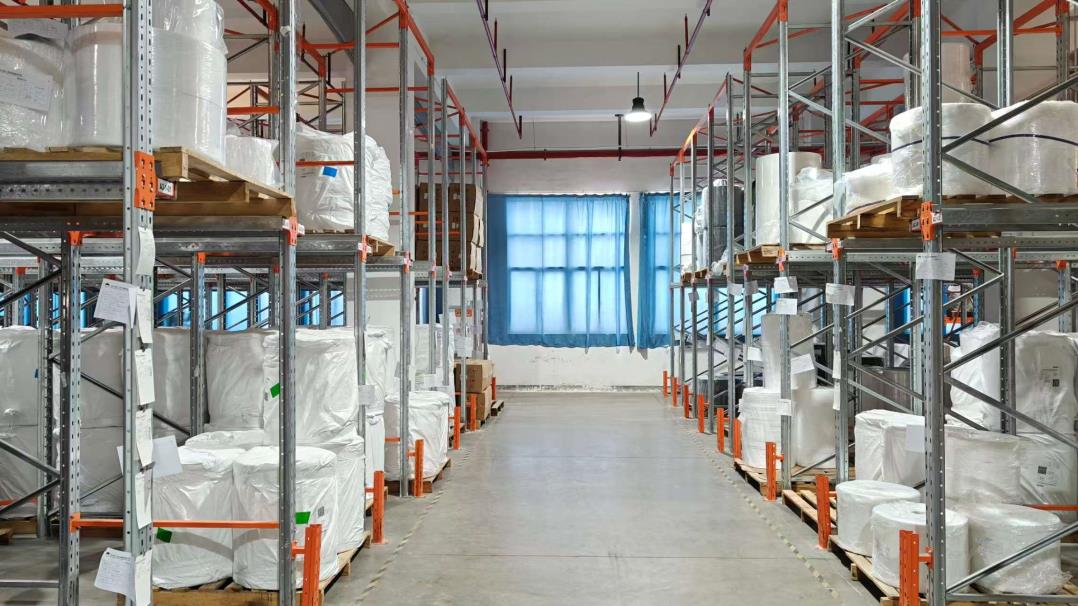
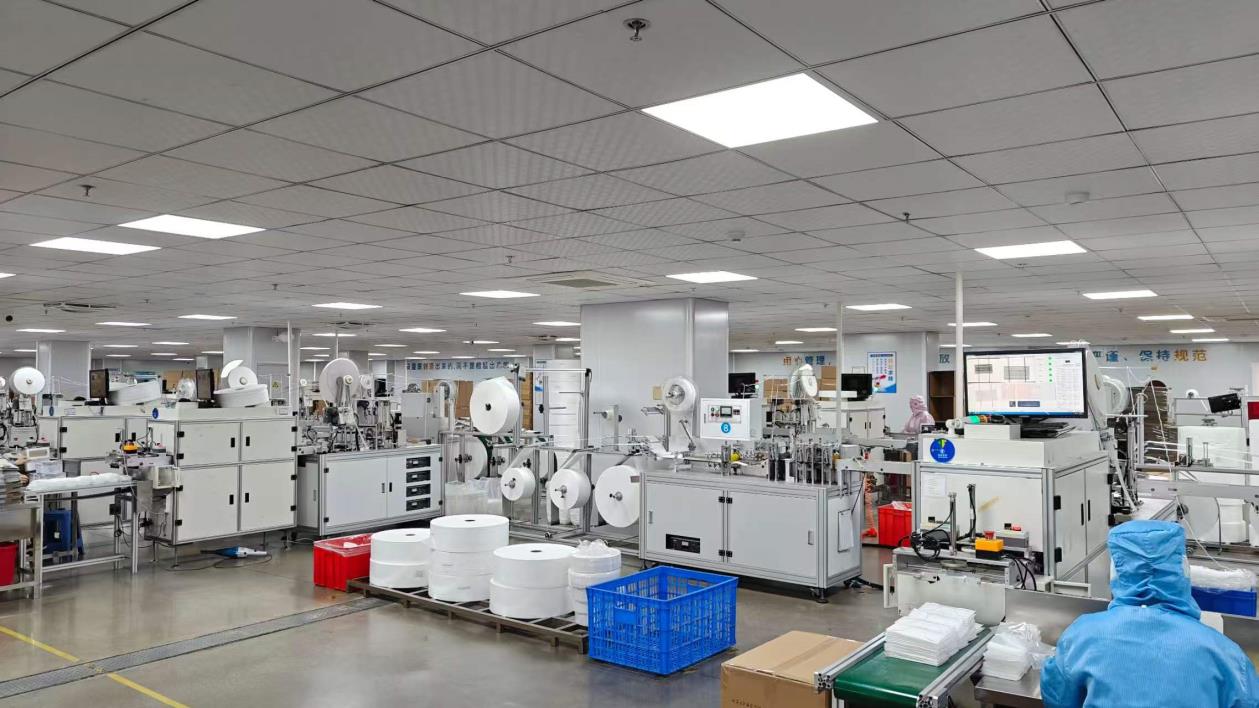
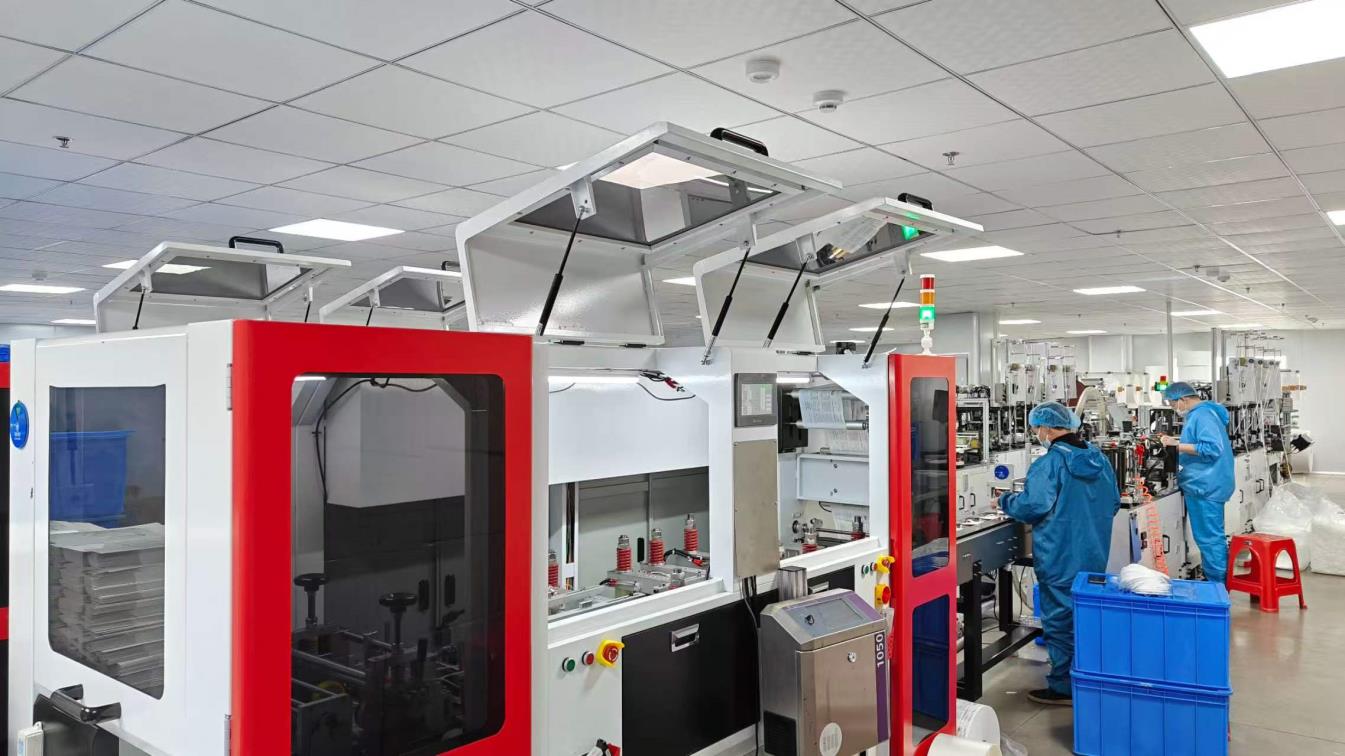
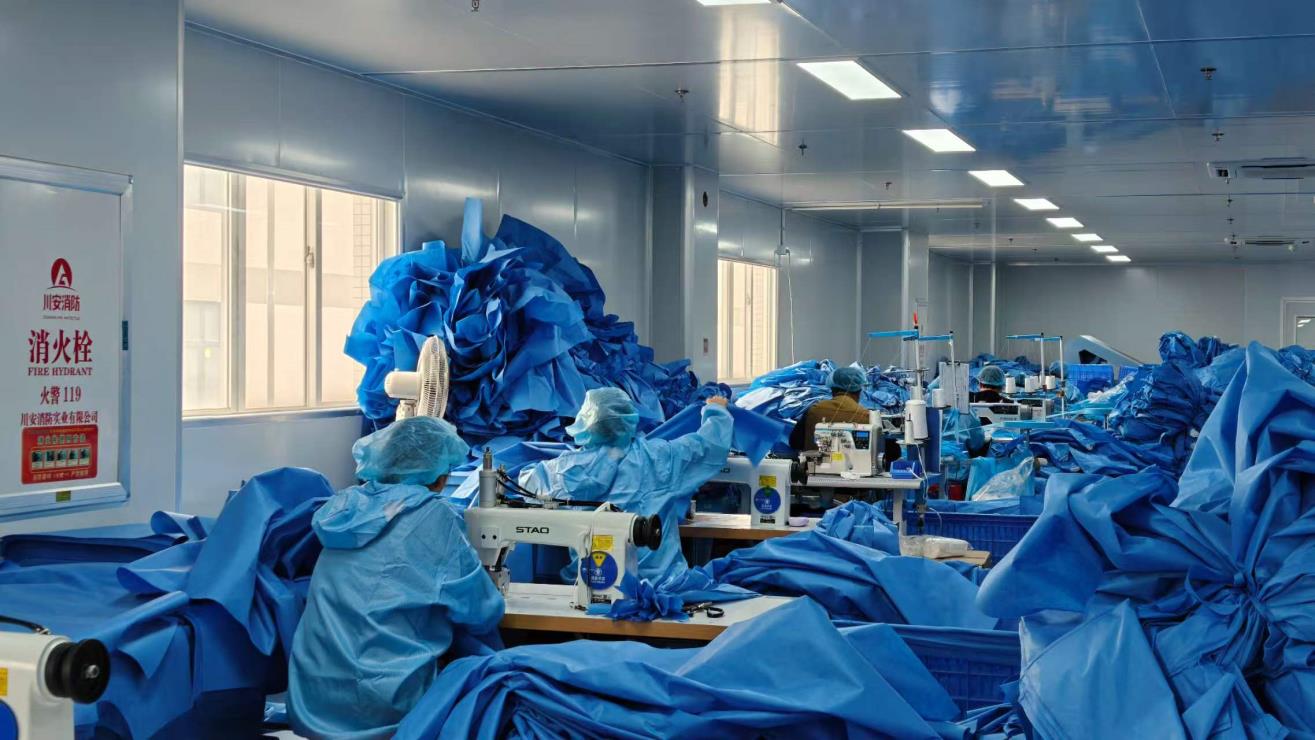
Established in 2009, our manufacturing facility has specialized in disposable personal protective equipment and clinical containment solutions for over 15 years. Supported by a workforce of more than 500 skilled employees, the enterprise spans an expansive industrial footprint exceeding 100,000 square meters, featuring an advanced cleanroom workshop covering 6,000 square meters.
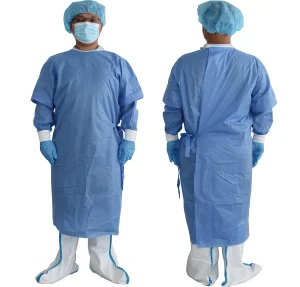
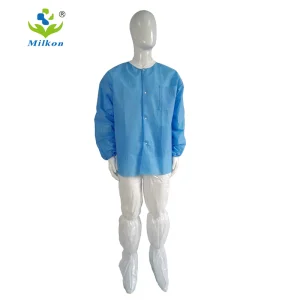
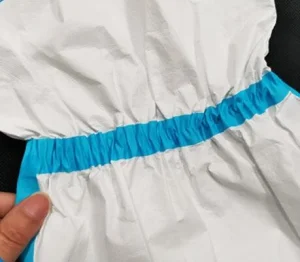
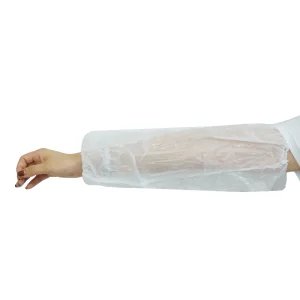
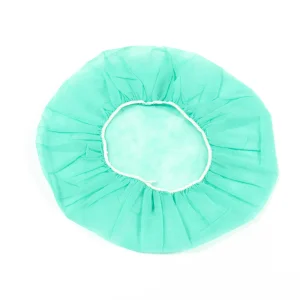
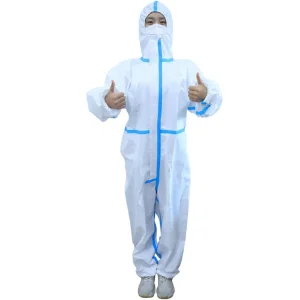
Our comprehensive production portfolio encompasses non-woven medical face masks, disposable coveralls, surgical gowns, disposable shoe covers, medical boot covers, disposable bed sheets, caps, lab coats, isolation gowns, scrub suits, aprons, and sleeve covers. To guarantee absolute compliance and safety for international clients, the enterprise operates under verified ISO 13485 and CE audit certifications. All products strictly conform to international quality demands.
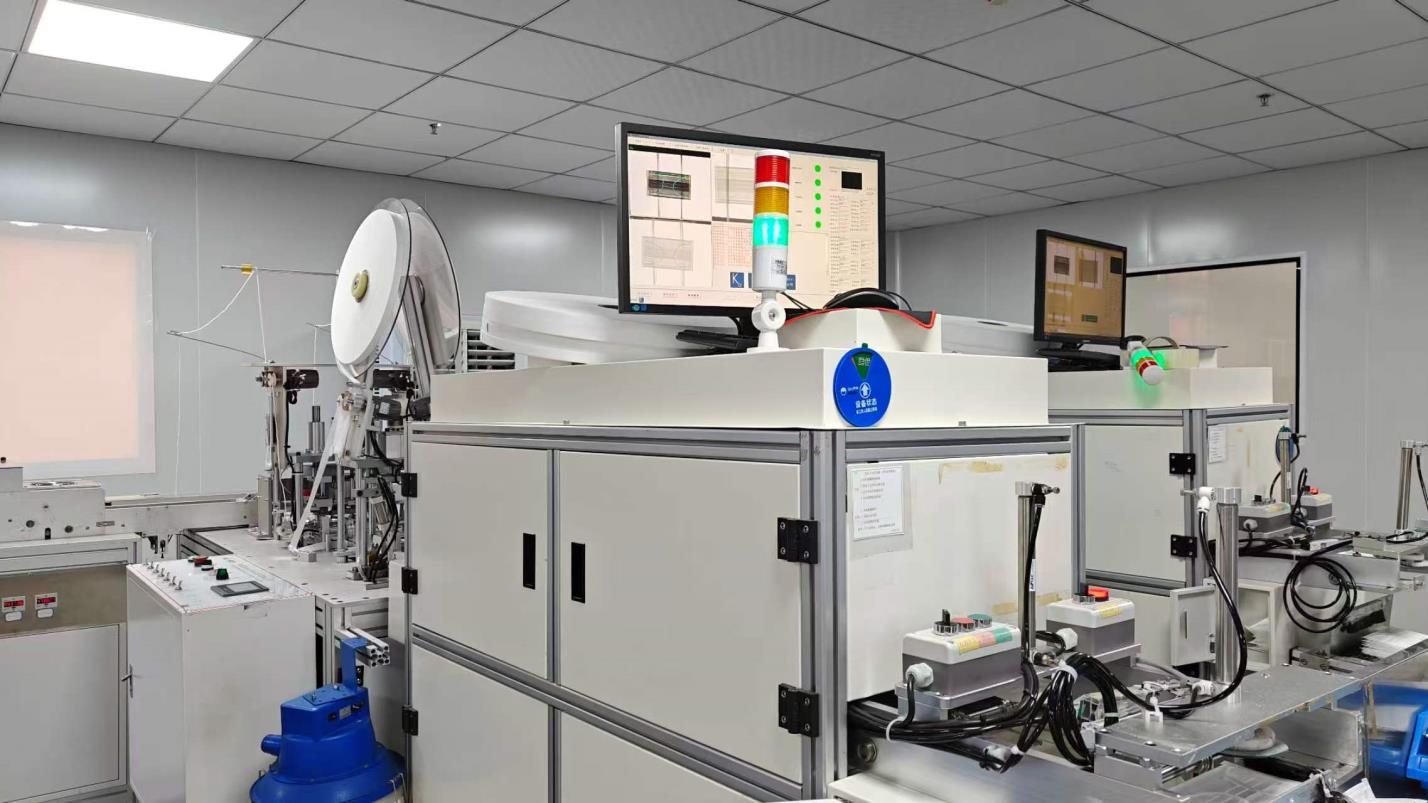
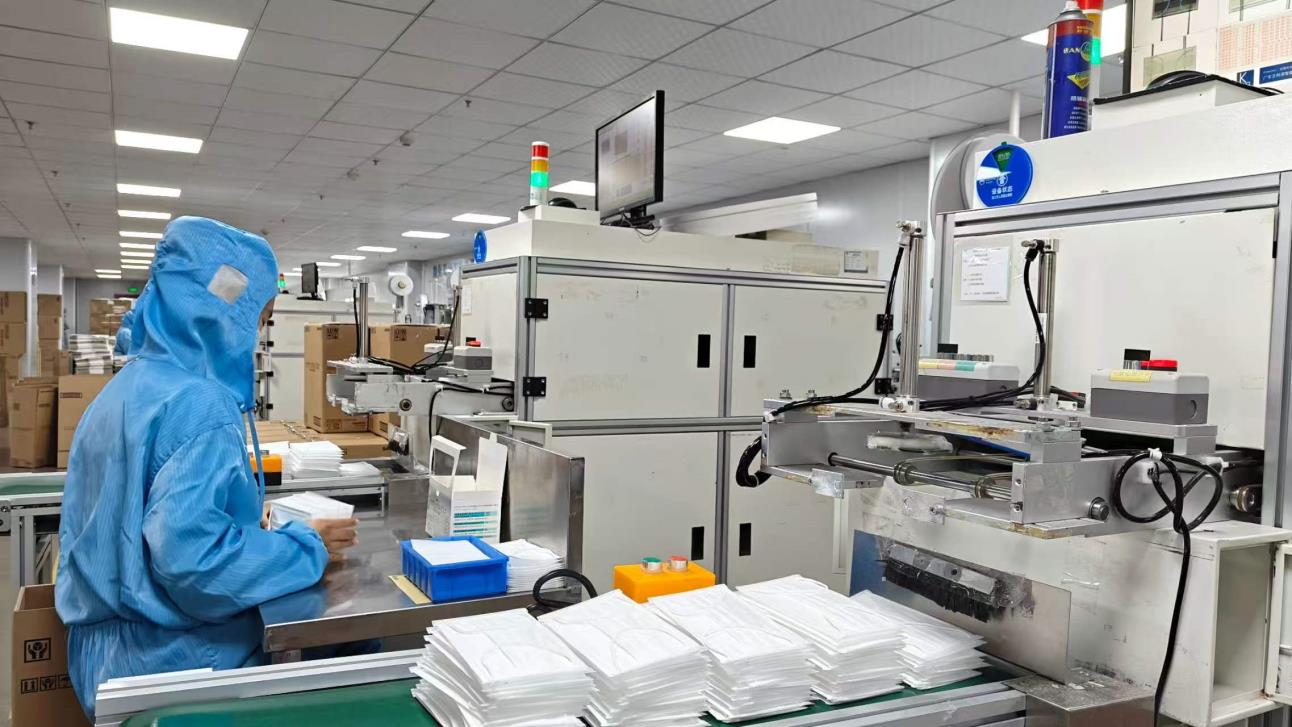
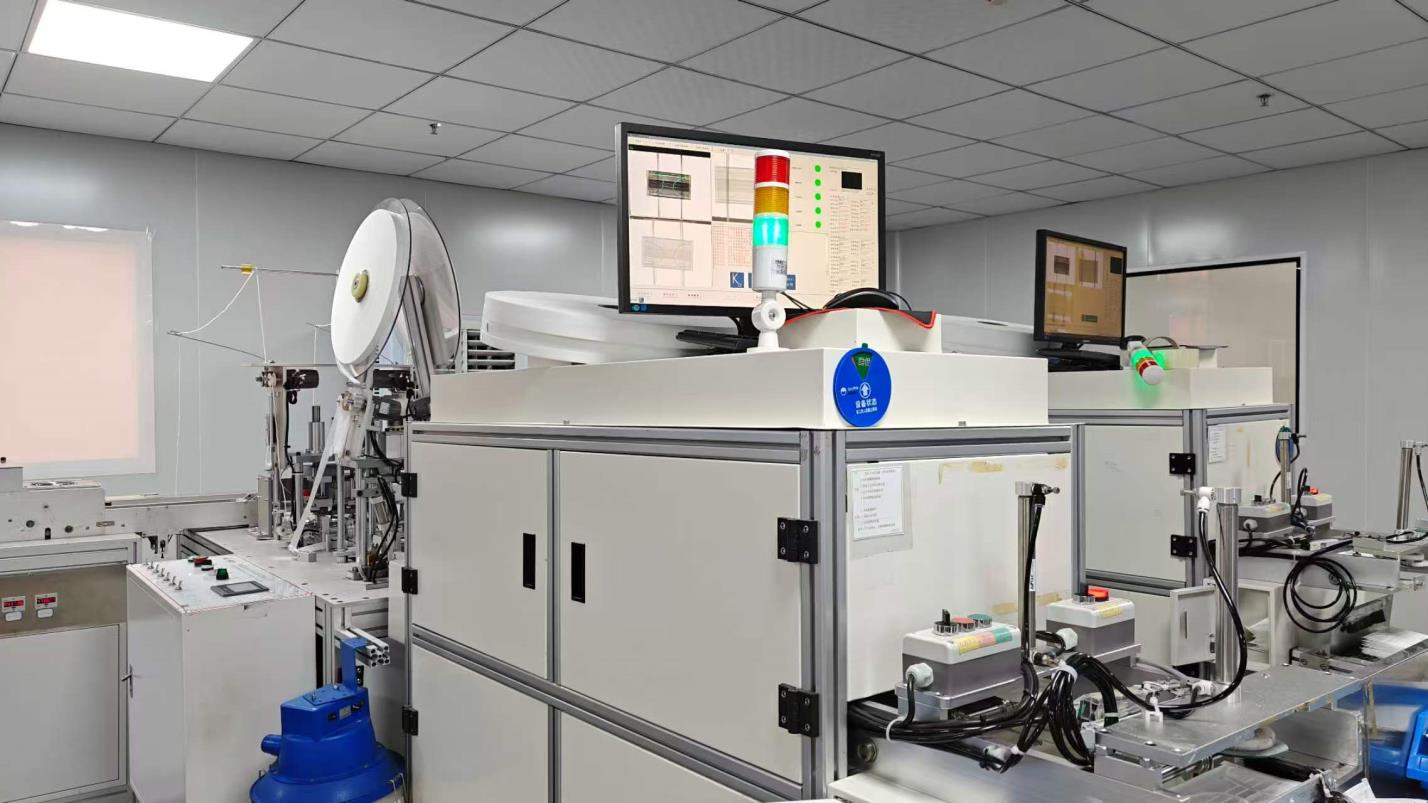
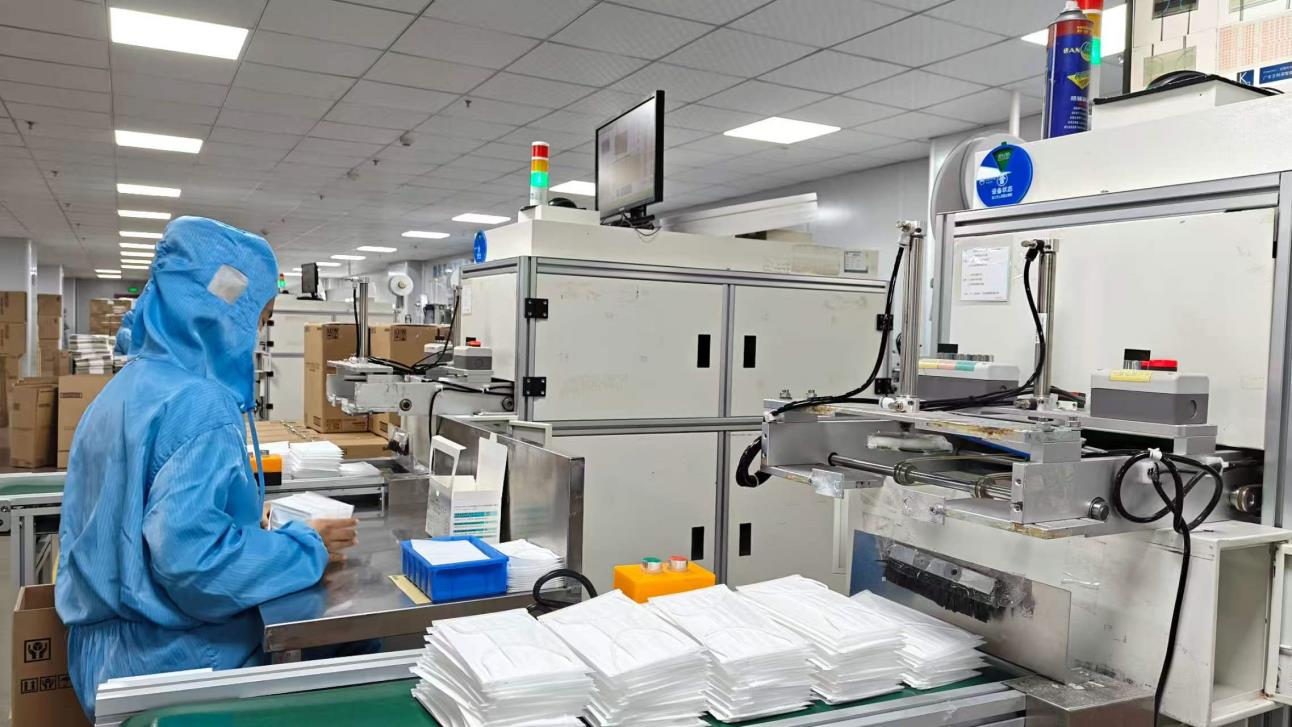
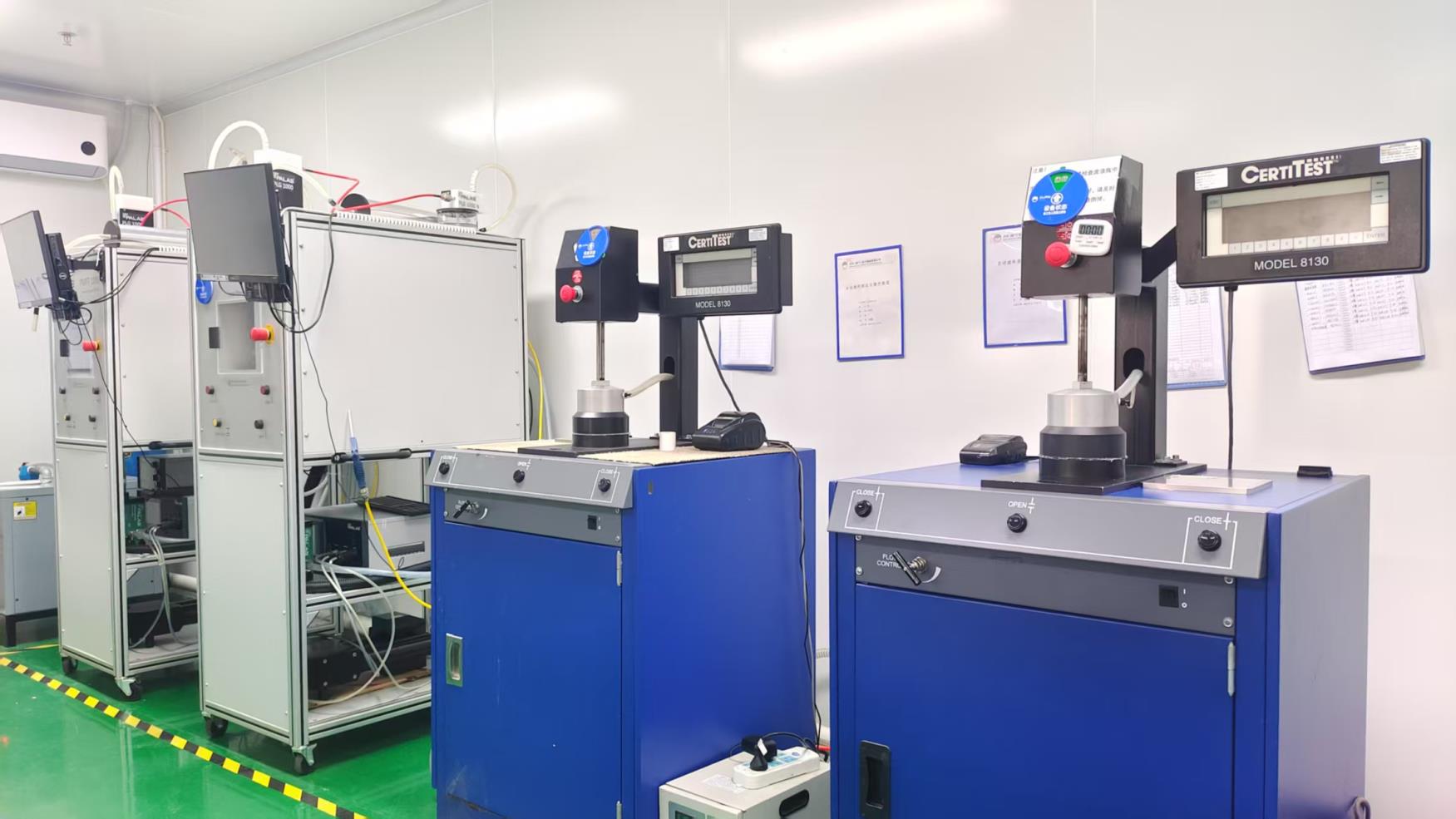
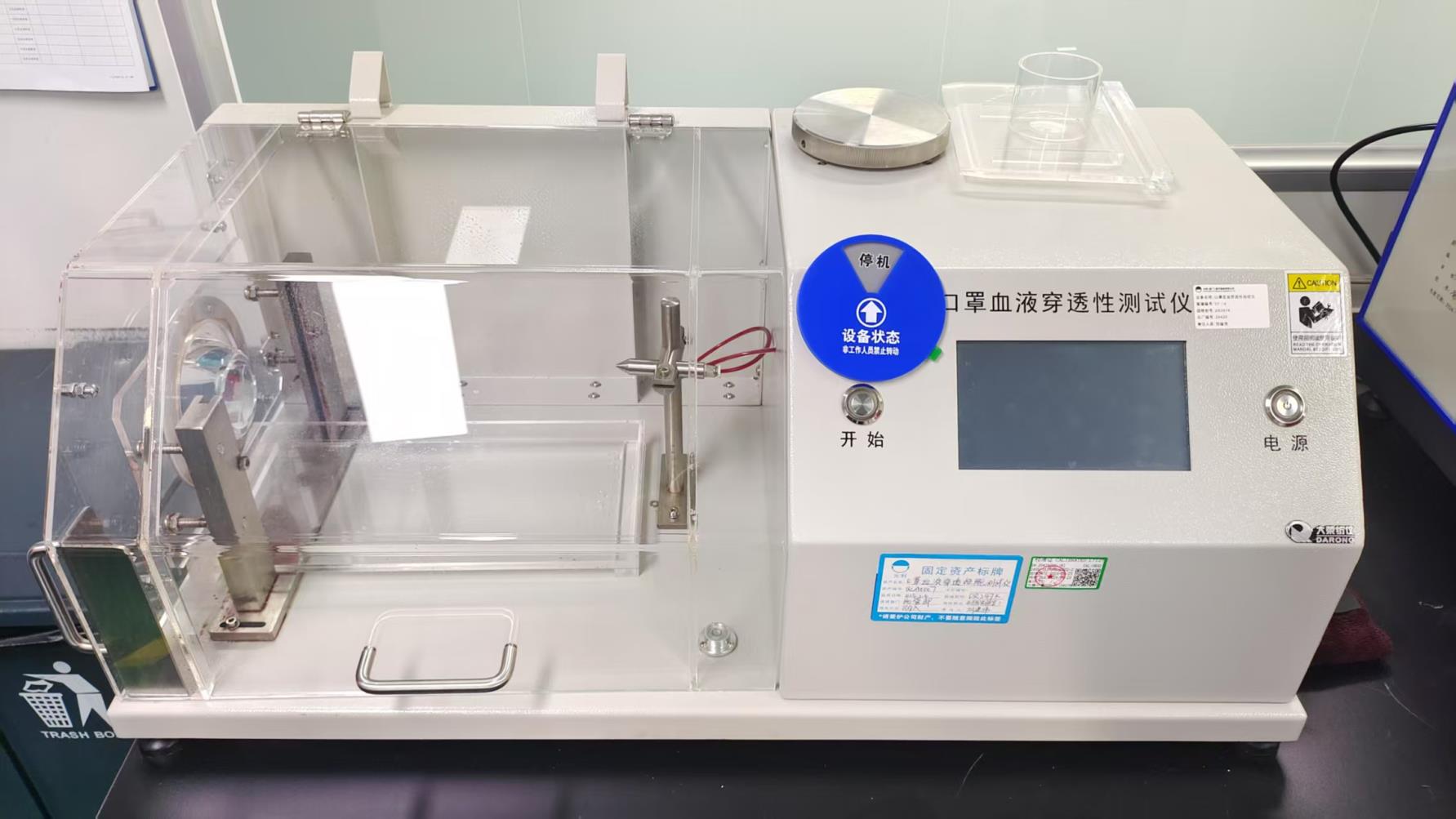
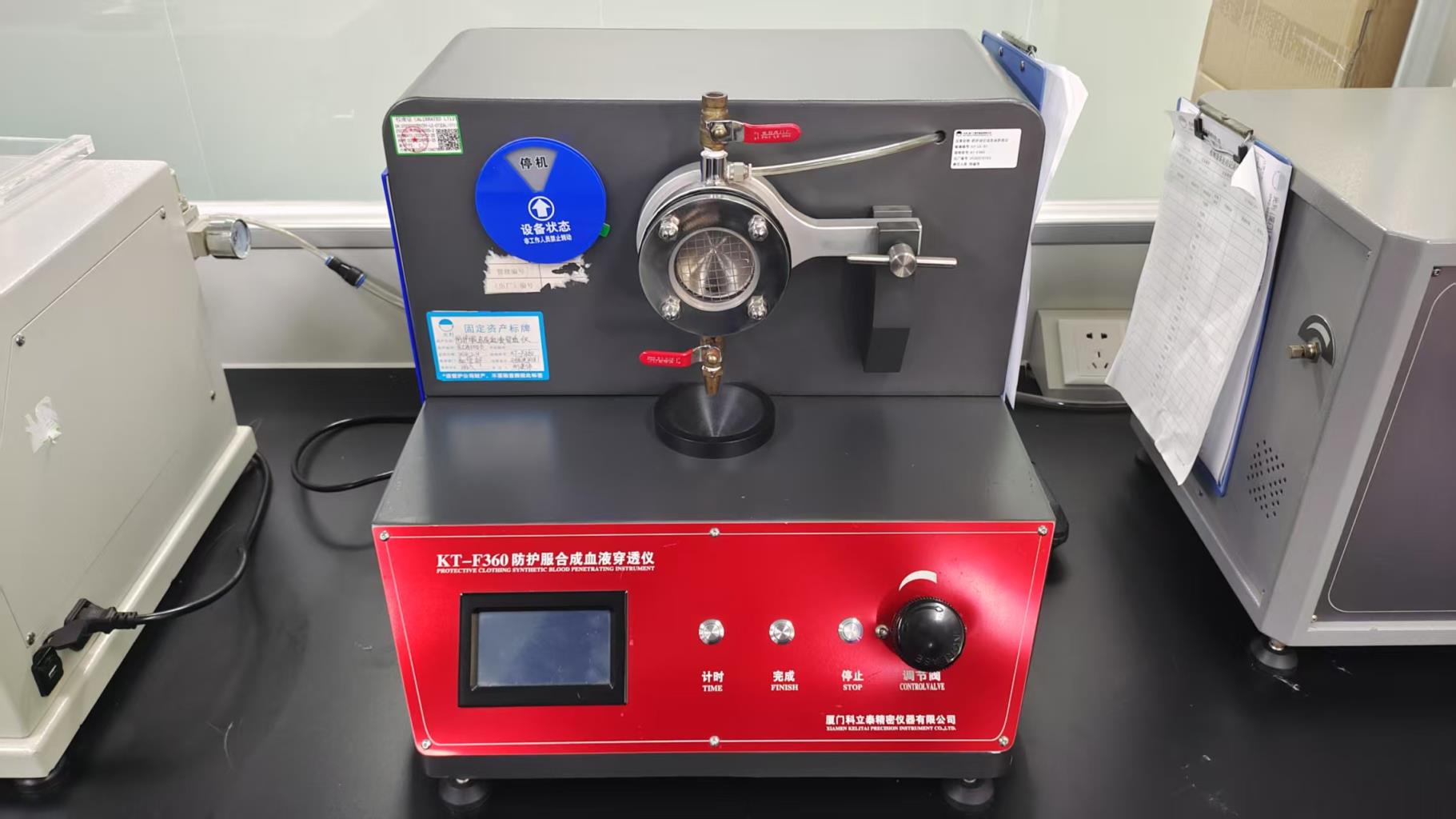
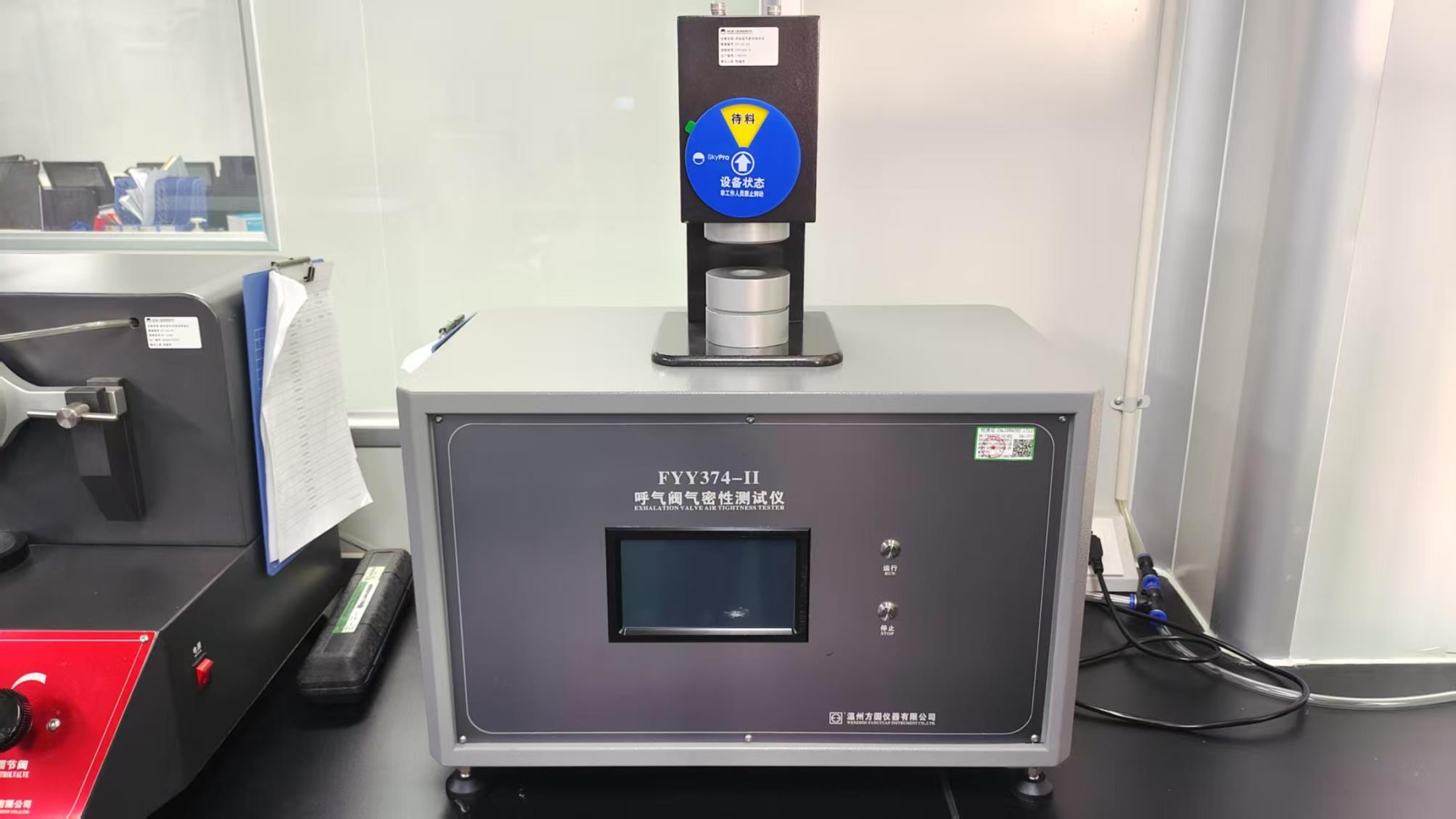
To deliver uncompromising quality, our smart production lines are integrated with cutting-edge analytical and stress-testing equipment:
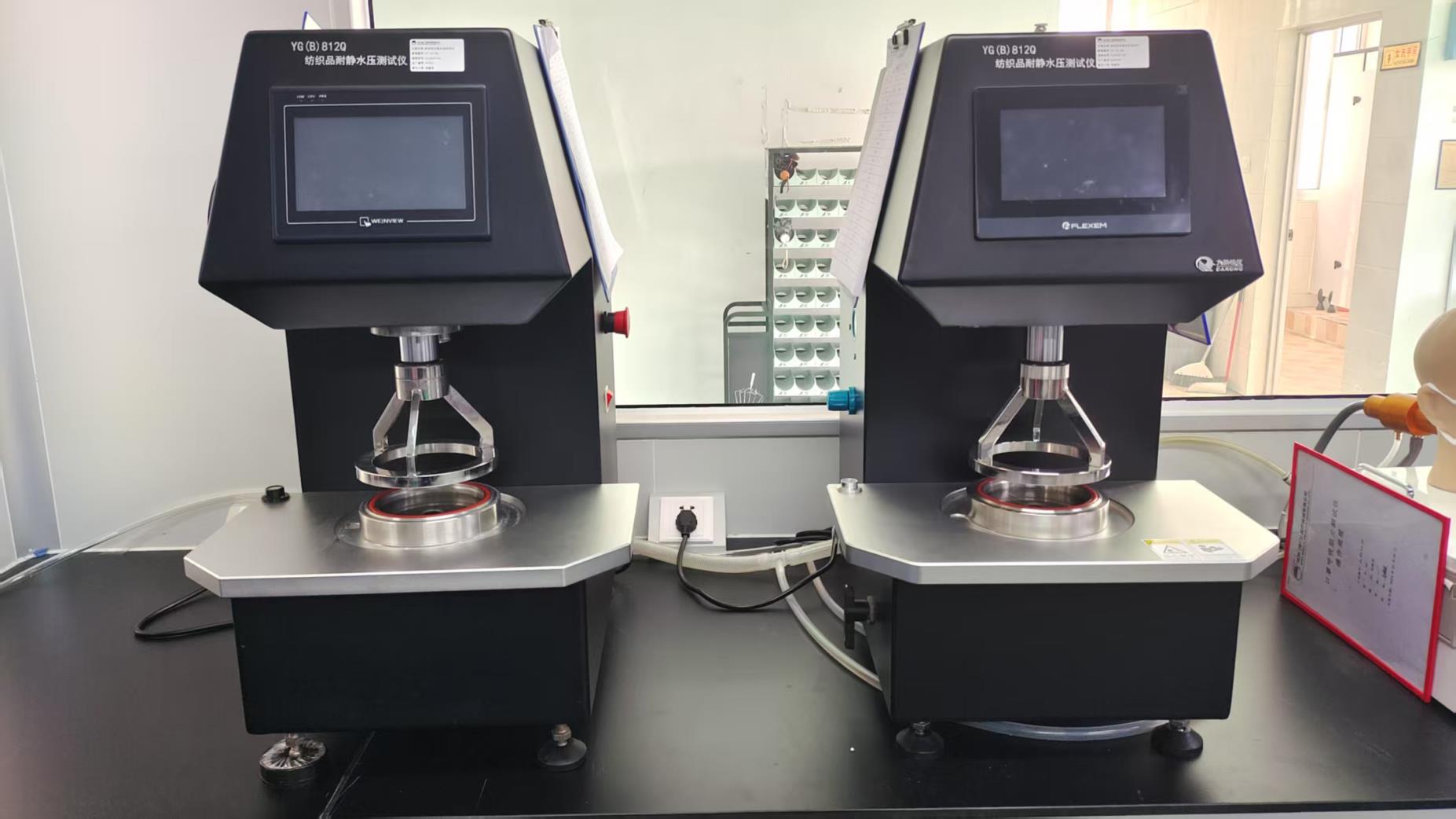
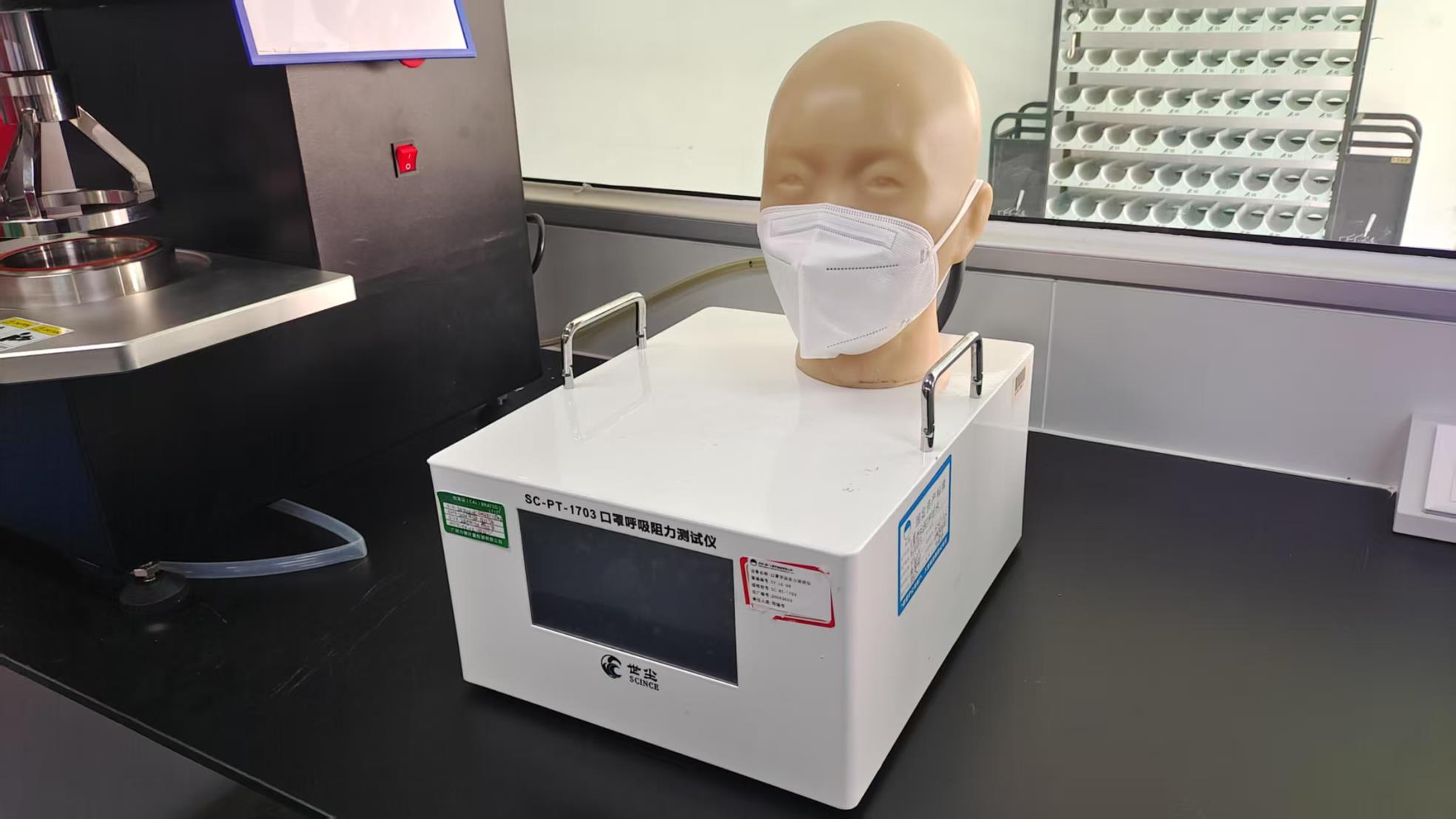
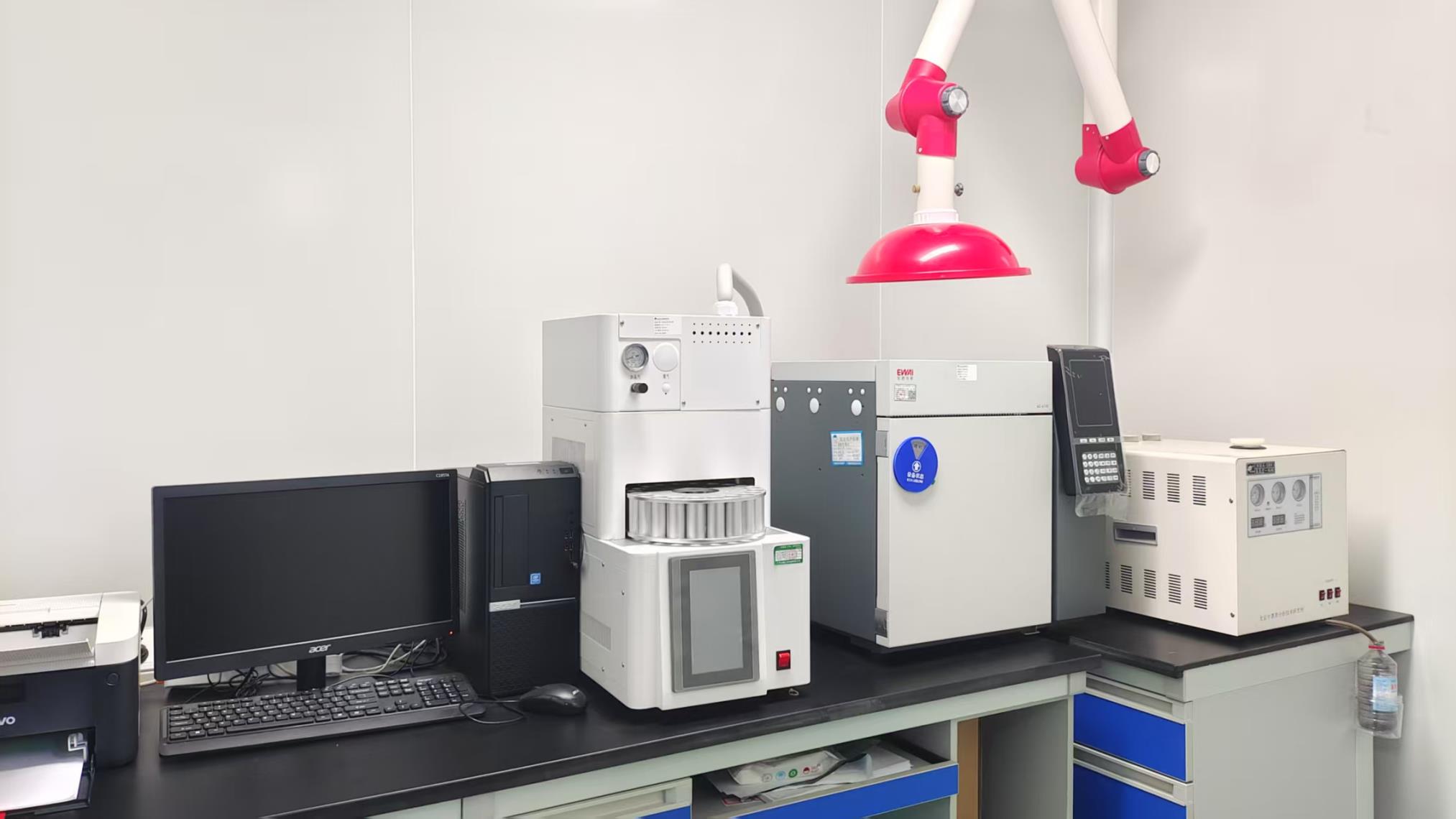
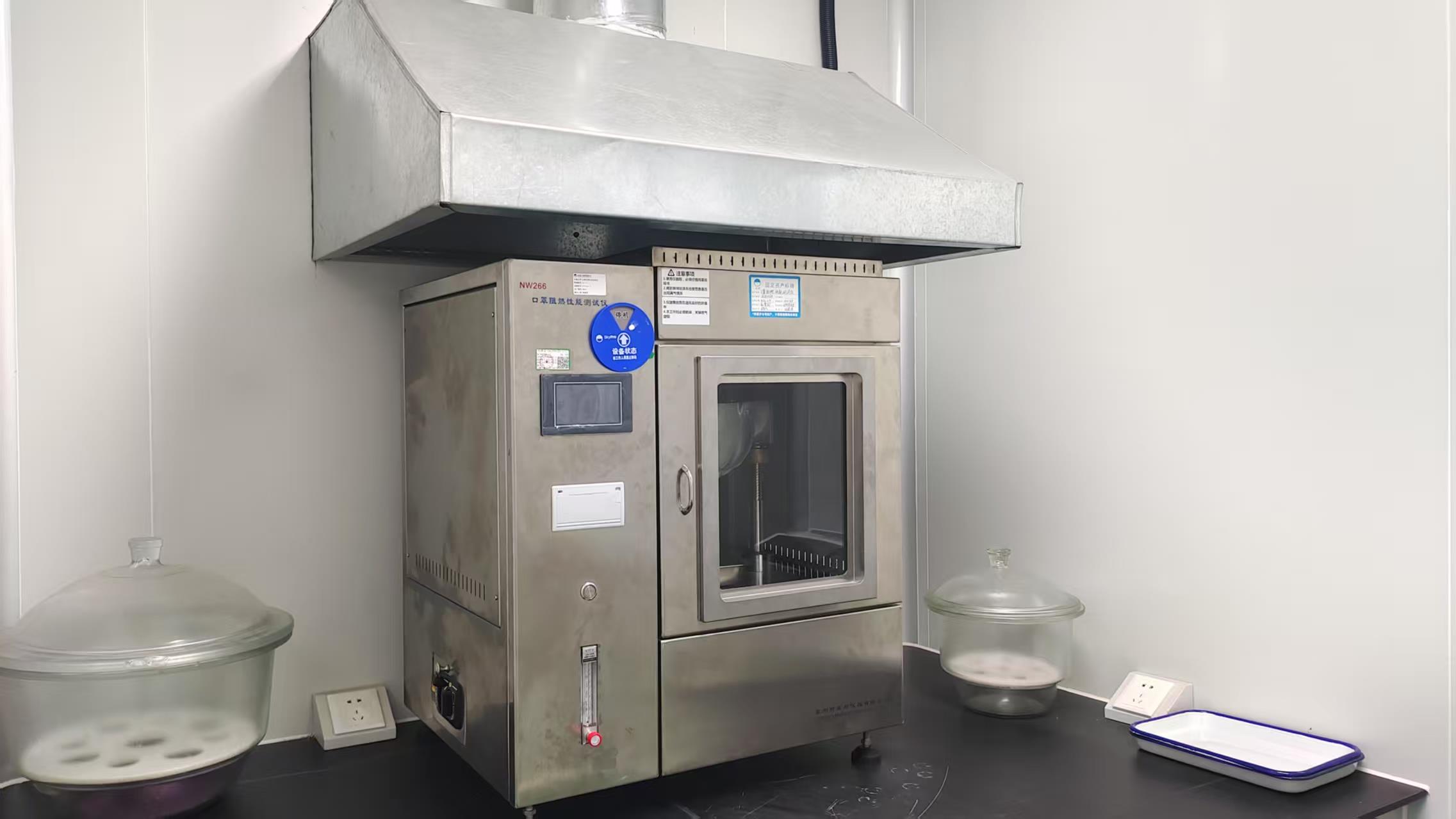
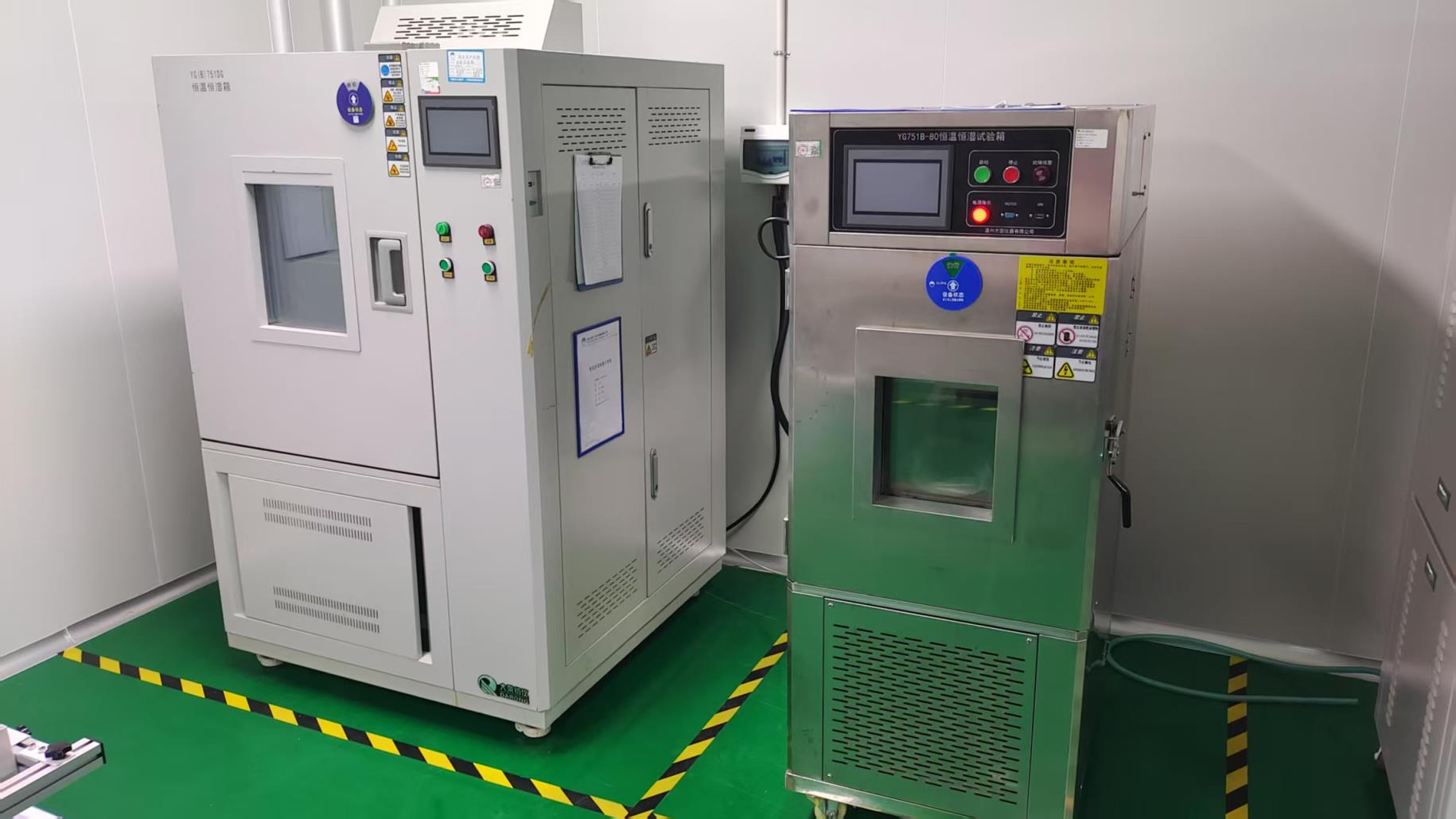
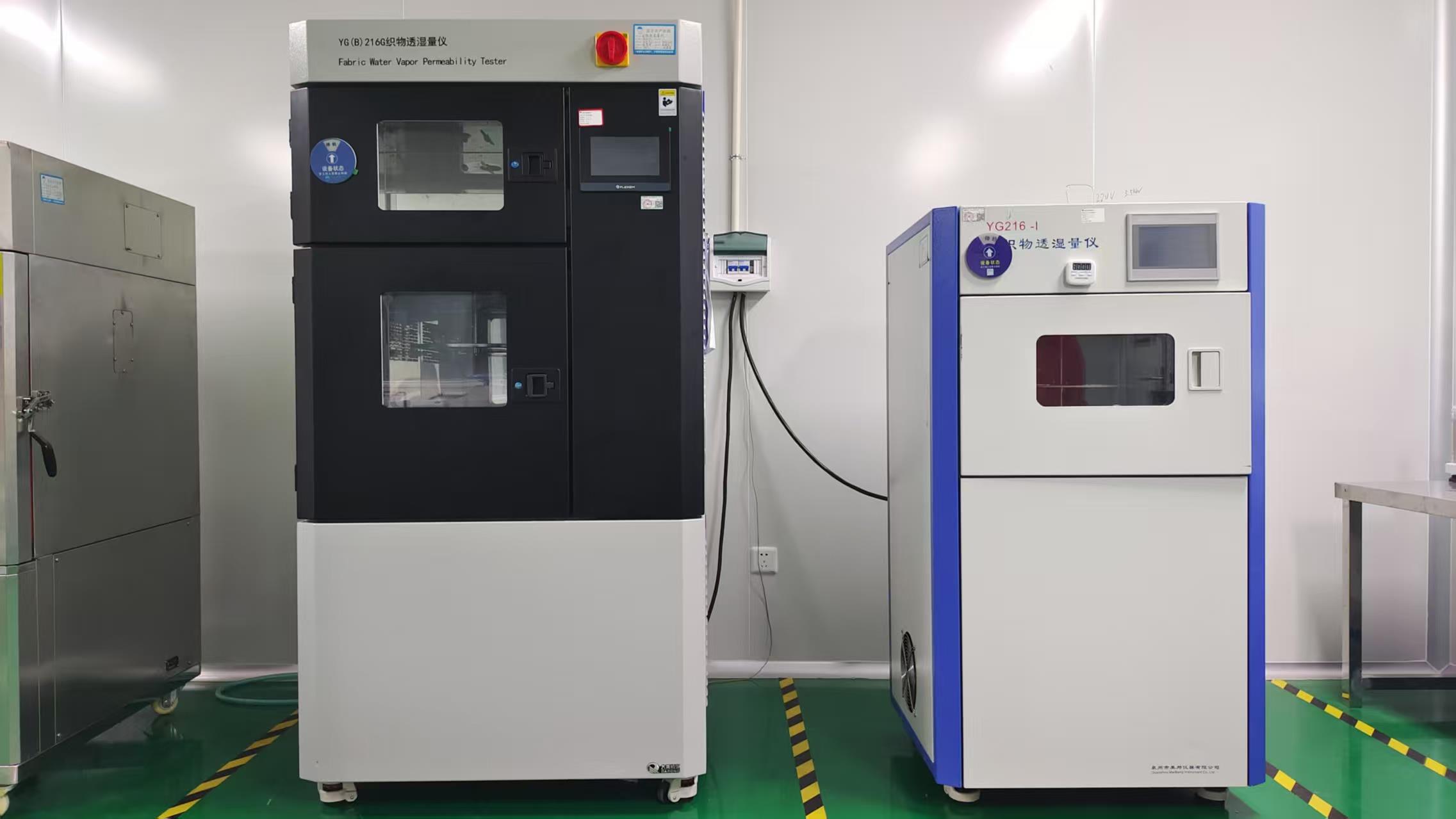
When contracting medical waste container factories, corporate procurement directors must establish standardized evaluation matrices to mitigate supply chain disruptions and product failure liabilities.
Evaluation should calculate nested volumetric stackability during shipping to maximize freight container payload efficiency, reducing landed cost per unit by up to 28%.
OEM factories must demonstrate high-precision mold engineering for customized wall thicknesses, color-coding, brand embossing, and specialized lid aperture designs.
Insist on verifiable factory inspection documentation covering synthetic blood penetration tests, drop-impact stress tests, and seal leakage verification for every production run.
A tier-1 manufacturer must possess ISO 13485 (Medical Device Quality Management System), CE conformity, UN 3291 certification for dangerous goods transport, and compliance with OSHA 1910.1030 standards. Testing documentation for puncture resistance (ASTM F2132) and leak testing is also critical.
High-Density Polypropylene (HDPP) and medical-grade Polyethylene (PE) copolymer resins offer the optimal strength-to-flexibility ratio. These polymers resist needle and scalpel penetration under pressures exceeding 12.5 to 15 Newtons while maintaining structural resilience under thermal stress during autoclaving.
Leading Chinese factories operate vertically integrated facilities spanning raw material formulation, high-speed automated injection molding, cleanroom assembly, and in-house testing labs. Operating automated lines across cleanrooms (e.g., 6,000+ sqm) with 500+ workers allows factories to scale output rapidly during global healthcare emergencies.
Single-use containers feature permanent tamper-proof mechanical locks intended for incineration or autoclaving along with the enclosed waste. Reusable containers are constructed with extra-heavy walls designed to withstand automated robotic emptying, washing, and chemical disinfection cycles over hundreds of uses.
Standardized color-coding ensures rapid sorting: Red typically denotes infectious waste and regulated sharp hazards; Yellow is reserved for clinical/pharmaceutical refuse; Purple marks cytotoxic/cytostatic chemotherapy waste; and Black/Brown indicates non-hazardous municipal healthcare waste.
Discover our extended catalog of personal protective wear, lab isolation gear, and precision clinic equipment designed for international health systems.