Alhilal Healthcare Alhilal Healthcare

Wireless Endoscopy Systems Factory & Exporter in the Nepal Market

Empowering Himalayan Healthcare with Advanced Wireless Visual Diagnostics, Ultra-Portable Endoscope Cameras, and Medical Imaging Solutions.

Send Inquiry Now

Decentralizing Healthcare Across Nepal's Diverse Terrain

Nepal's medical infrastructure presents a unique challenge: integrating sophisticated diagnostic tools across extreme variations in terrain. From tertiary healthcare units in Kathmandu and Pokhara to local clinics in mountainous terrains like Mustang, Solukhumbu, and Karnali, standard medical equipment suffers from logistical bottlenecks and erratic power supply issues.

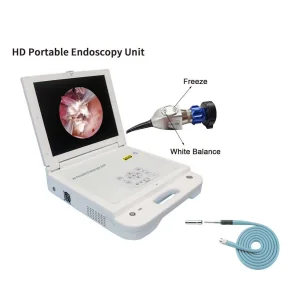
Conventional endoscopy towers are heavy, require consistent high-wattage power, and demand specialized setup environments. Wireless endoscopy systems address these constraints directly, providing a portable, low-power-consumption, and robust alternative for gastrointestinal, ENT, and urological investigations.

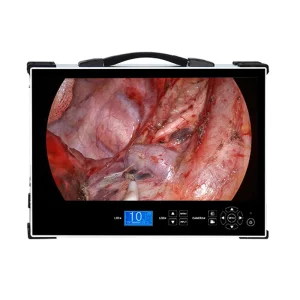
"By removing physical fiber-optic cables and bulky external light source units, our diagnostic systems allow medical teams to perform non-invasive screenings in high-altitude environments, utilizing battery-powered wireless links to deliver HD clinical imaging."

Primary Challenges in Nepal's Clinical Environments

  • Erratic Grid Stability: Standard diagnostic machines require specialized surge protection. Our systems feature high-capacity internal lithium batteries and wide-range DC charging systems (90V-260V compatible).
  • Sterile Access Limitations: Remote health centers lack advanced autoclave infrastructure. Using non-invasive capsule scopes minimizes infection risks.
  • Telemedicine Integration: The ability to beam high-definition video directly to a mobile device allows field clinicians in distant districts to consult specialists located in Kathmandu instantly.
Consult Our Technical Engineers
15+
Years Medical Mfg Experience
100k+
Clean Room Facility (sqm)
ISO13485
Certified Quality Management
500+
Skilled Industry Professionals

Global Technology Standards for Minimally Invasive Systems

The shift toward wireless, digital diagnostics is rewriting patient comfort and clinical efficiency standards.

1. Capsule Endoscopy Evolution

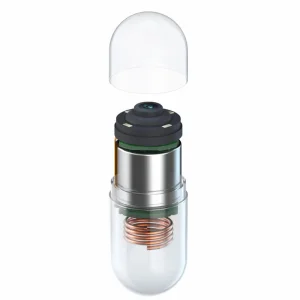
Modern clinical practices are increasingly avoiding heavy, invasive traditional scopes for routine screenings. Capsule endoscopy devices move naturally through the gastrointestinal tract, capturing thousands of high-definition images and transmitting them via radiofrequency to a patient-worn receiver. This technology is highly beneficial for detecting early-stage Crohn's disease, small bowel bleeding, and celiac abnormalities without requiring general anesthesia.

2. Smart Image Transmission & Low Latency

Our wireless cameras run on proprietary digital transmission algorithms operating on optimized GHz frequencies. This prevents interference from surrounding hospital equipment while maintaining sub-15ms latency, allowing surgeons to perform dynamic examinations with immediate visual feedback.

3. Cleanroom Quality Infrastructure

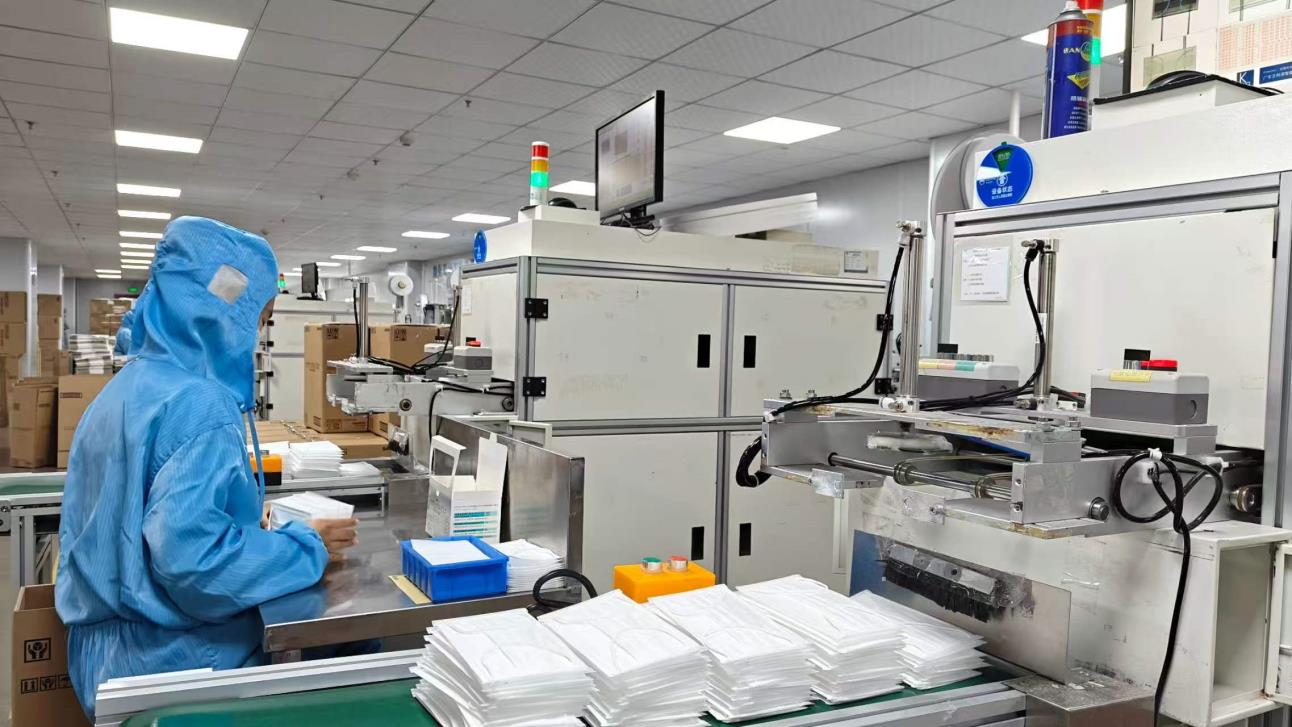
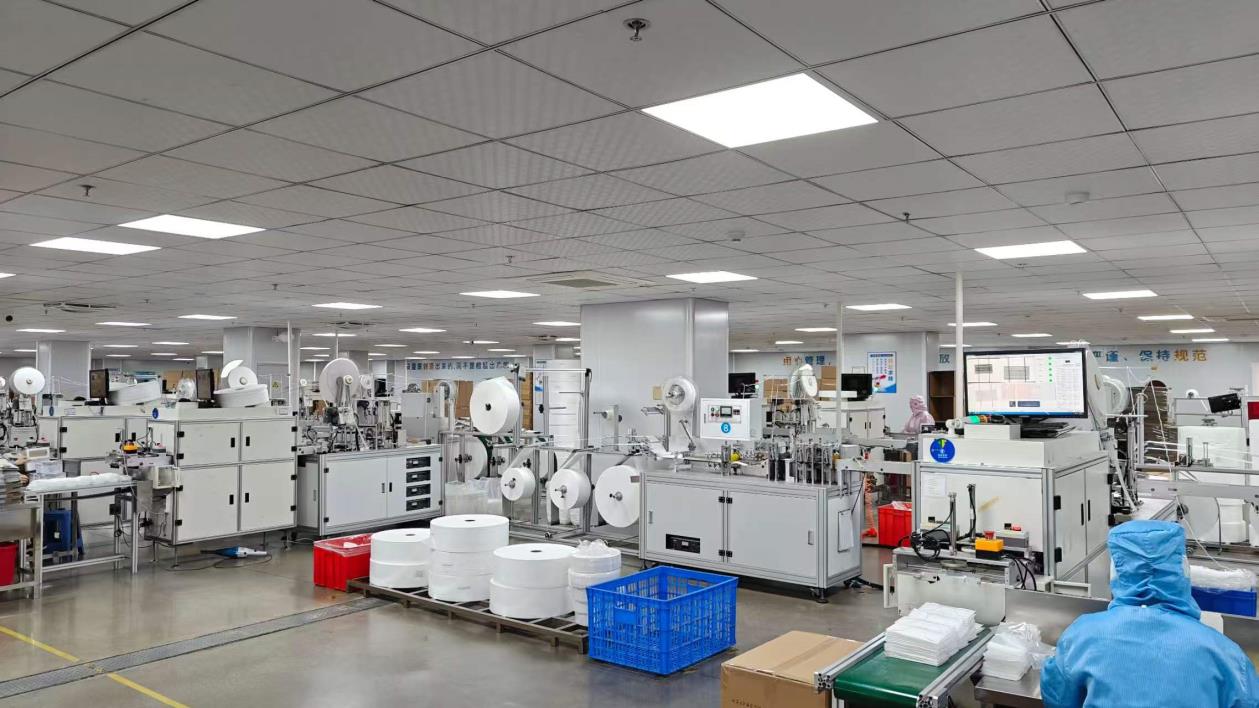
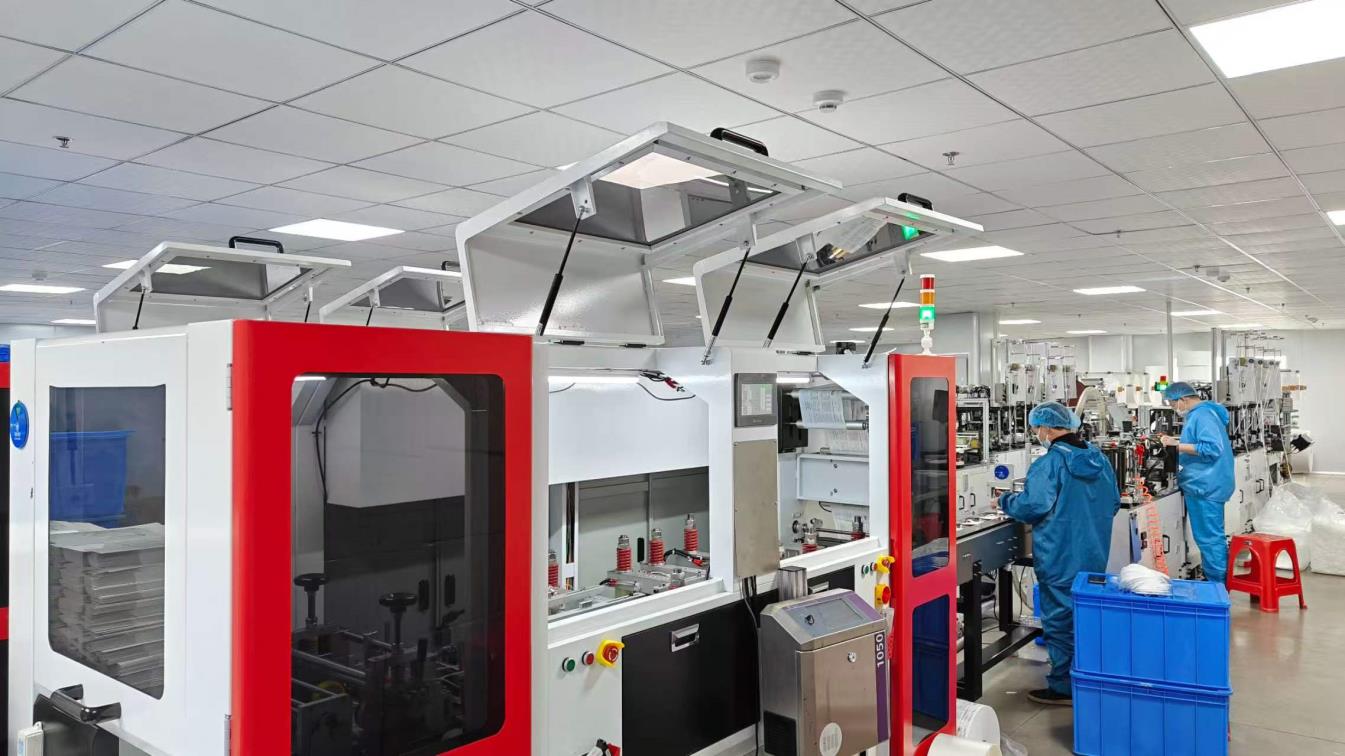
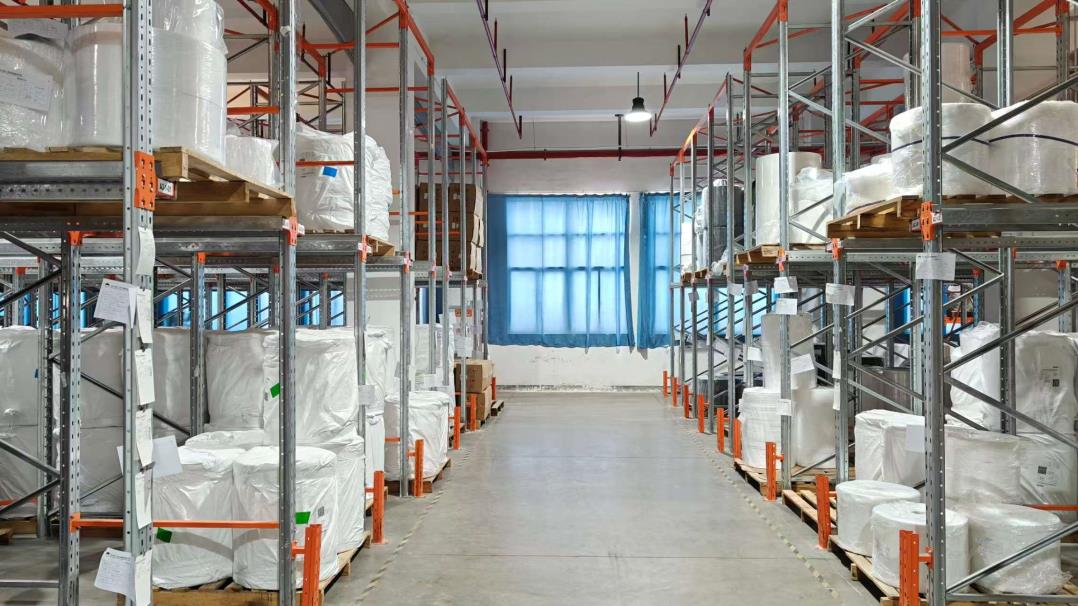
Wireless medical electronics demand absolute sterilization and clean-room assembly processes. Our manufacturing infrastructure operates a 6,000 square meter Class 100,000 cleanroom system. This biological safety framework was developed alongside our specialized protective and surgical barrier materials, ensuring that every invasive and non-invasive device is manufactured in contamination-free environments.

Our Quality Management System is audited under ISO 13485 and CE protocols, ensuring that every endoscope system exported to Nepal meets global regulatory requirements.

ISO 13485 Production Cleanrooms & Quality Control Labs

Under our dual medical systems approach, our raw material testing, electronic assembly calibration, and bio-barrier diagnostics undergo rigorous quality verification.
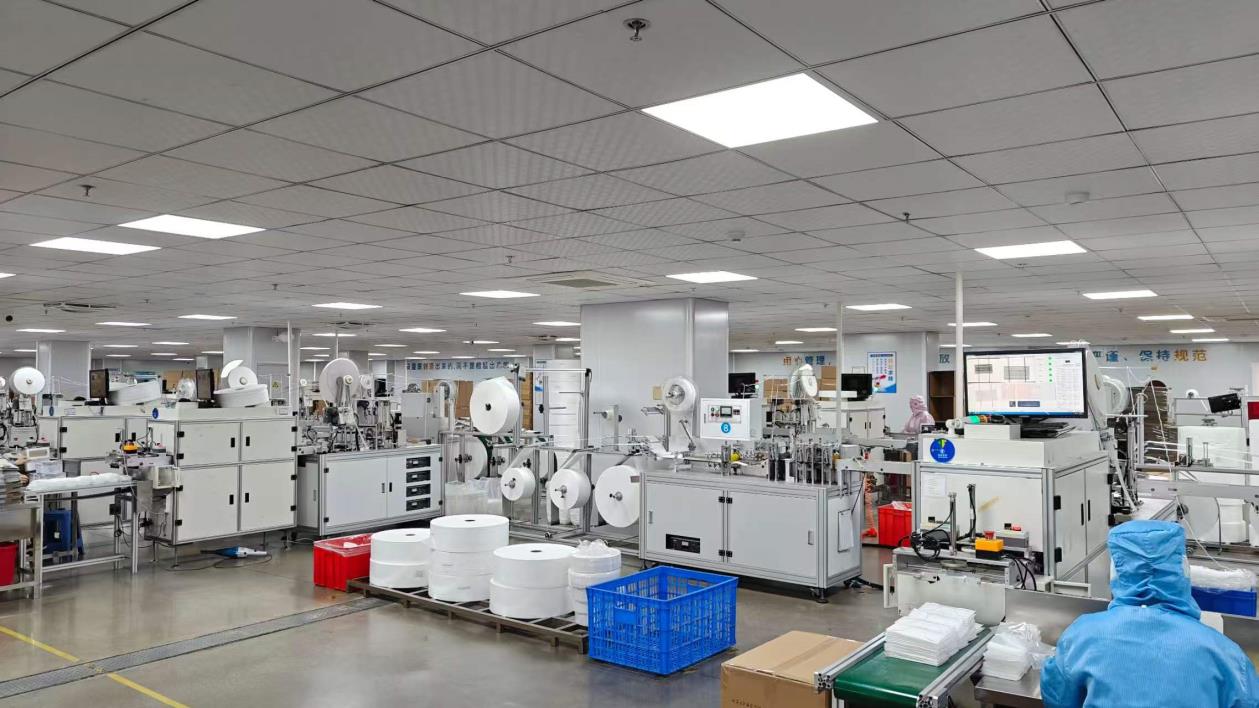
Raw Materials Control Nepal
Raw Materials Inspection
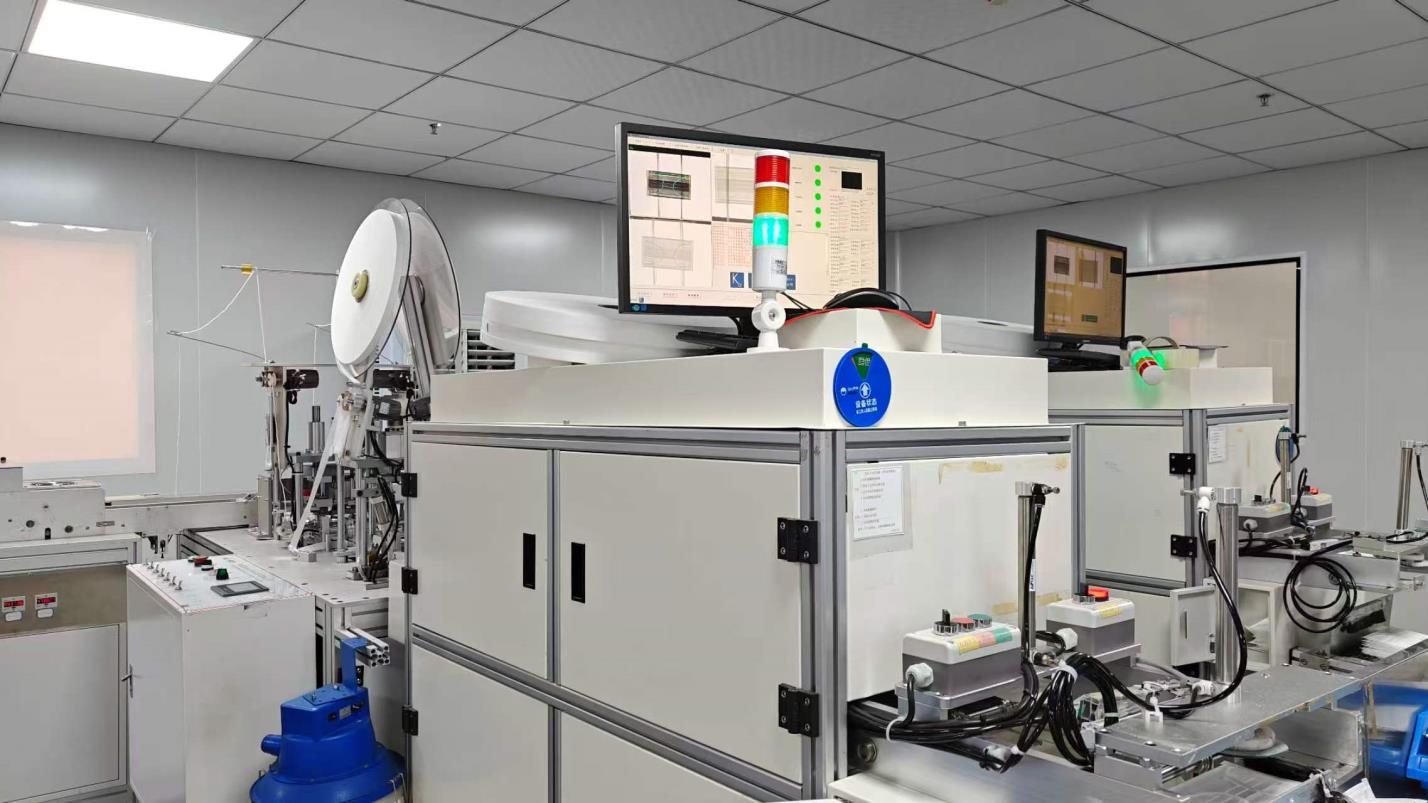
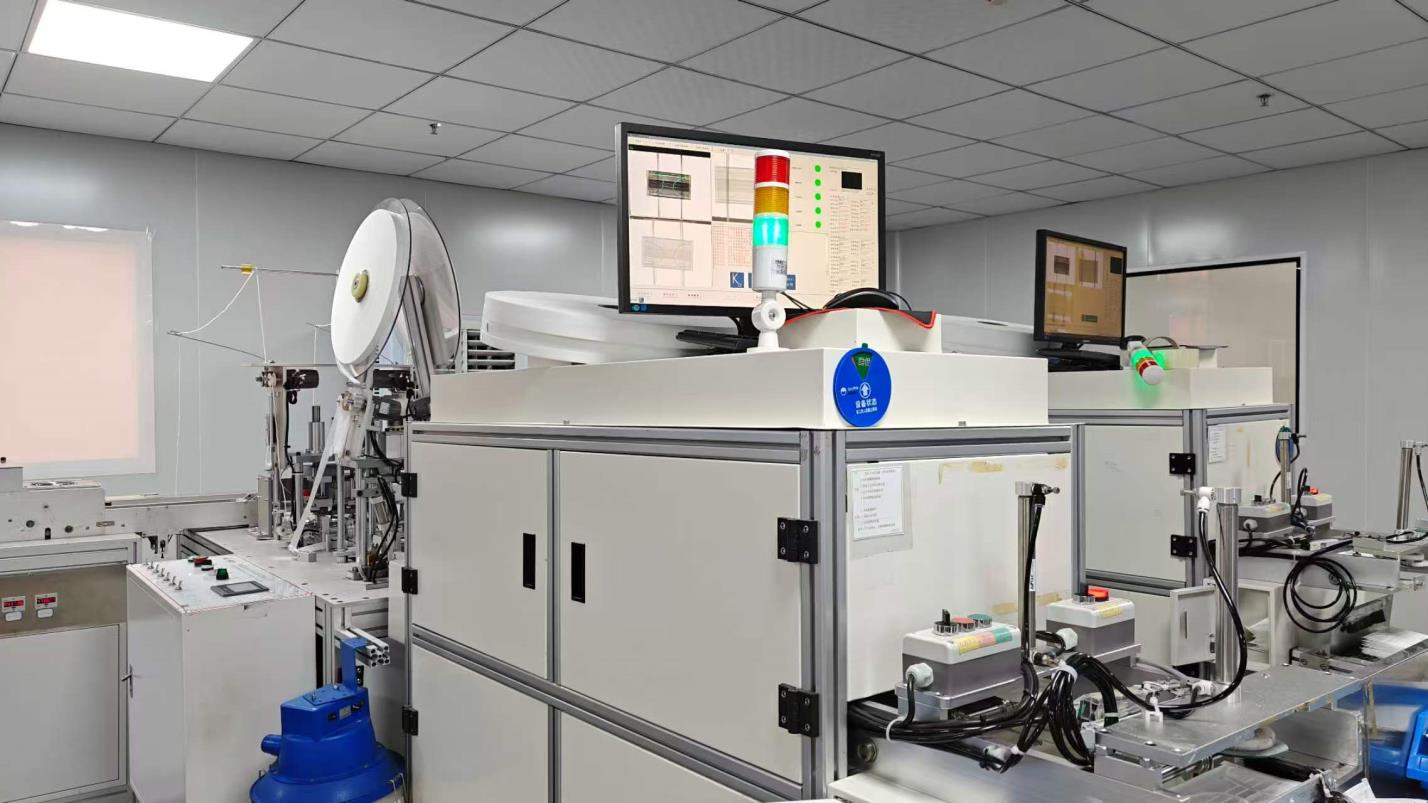
Automatic Production Line
Automatic Assembly Line
Automatic Detecting Machine
Optic-Electronic Auto Detection
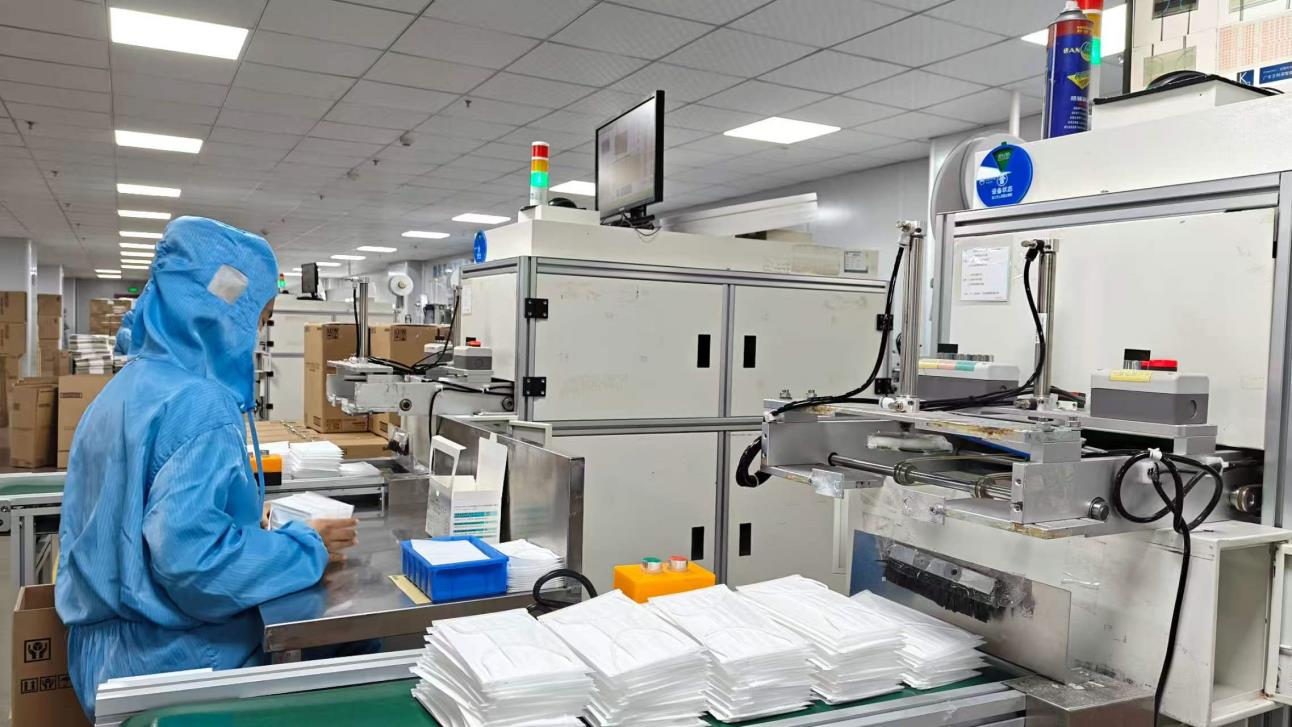
QC Inspection Packaging
QC Inspection & Sterile Packaging
Flat Face Mask Machine
Protective Mask Component Line
KN95 Face Mask Machine
N95 Particle Filtration Systems
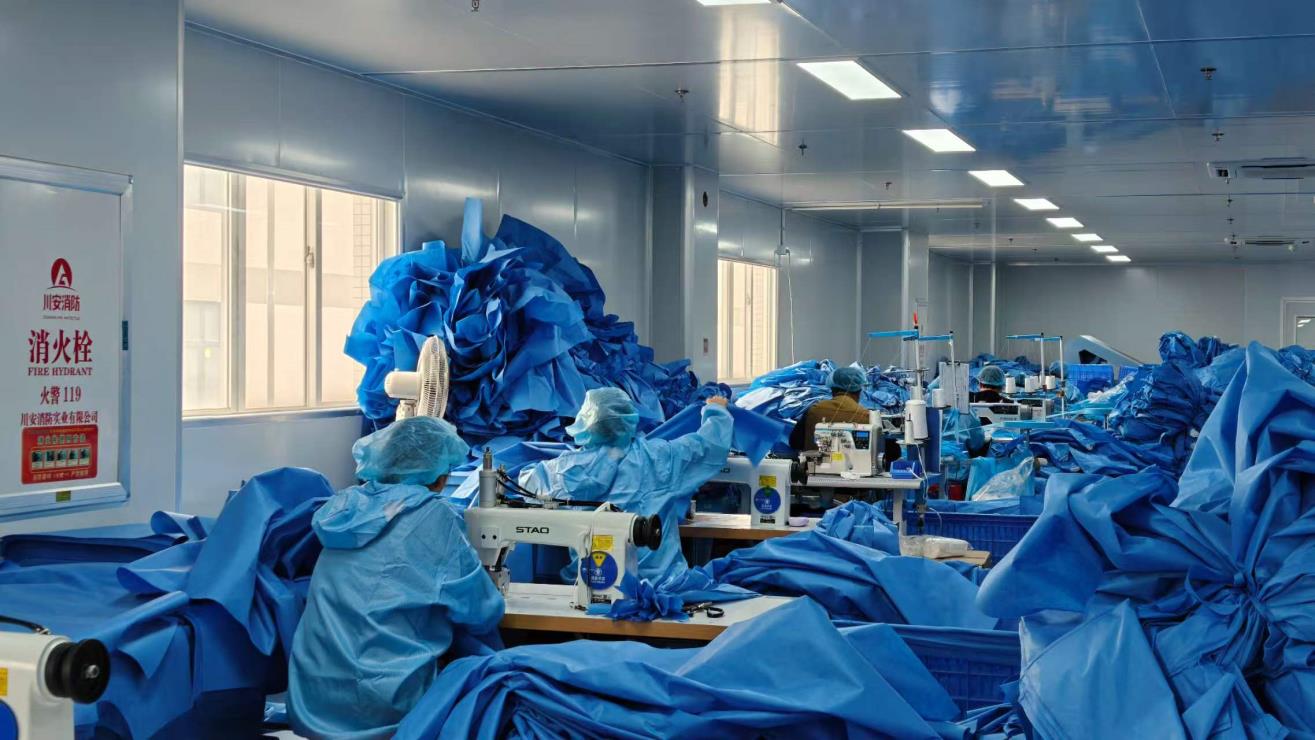
Sewing Machine Line
Manual Precision Assembly
Auto Detecting Lab
Precision Component Auto Testing
QC Laboratory
Sterile Environment QC Inspection
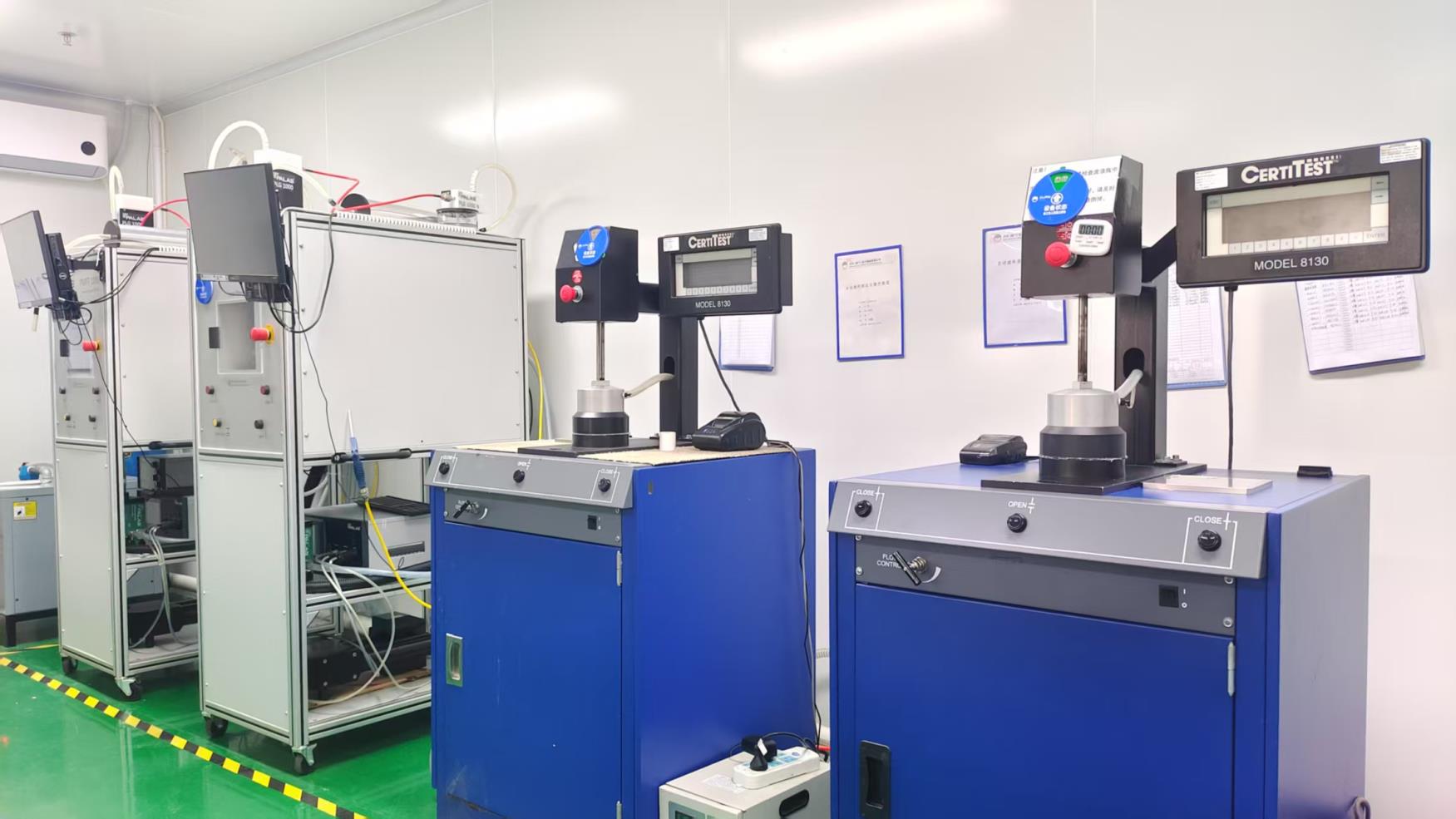
Protective Mask Filter Tester
Airborne Particulate Testing
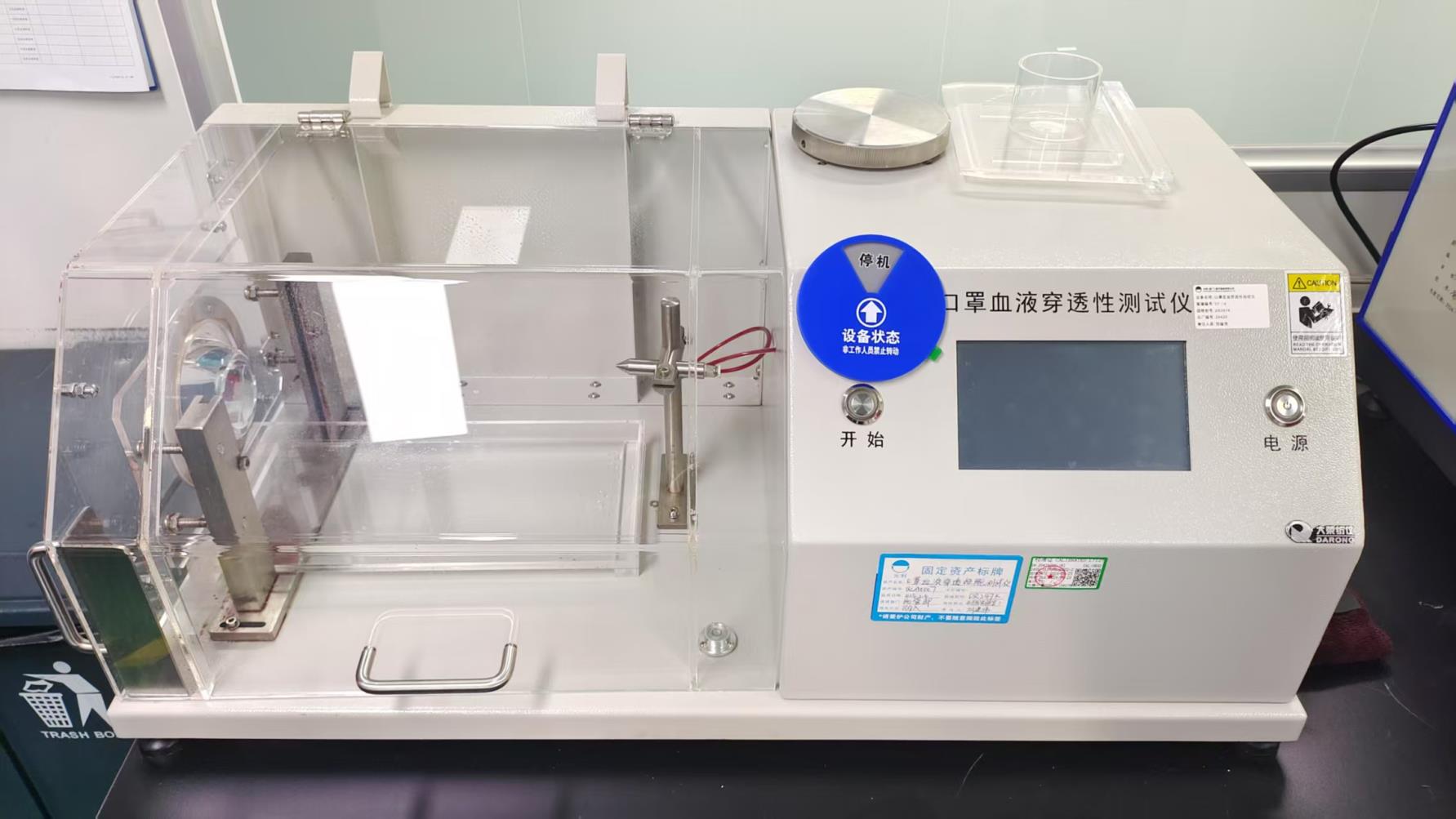
Blood Penetration Tester
Synthetic Blood Penetration Testing
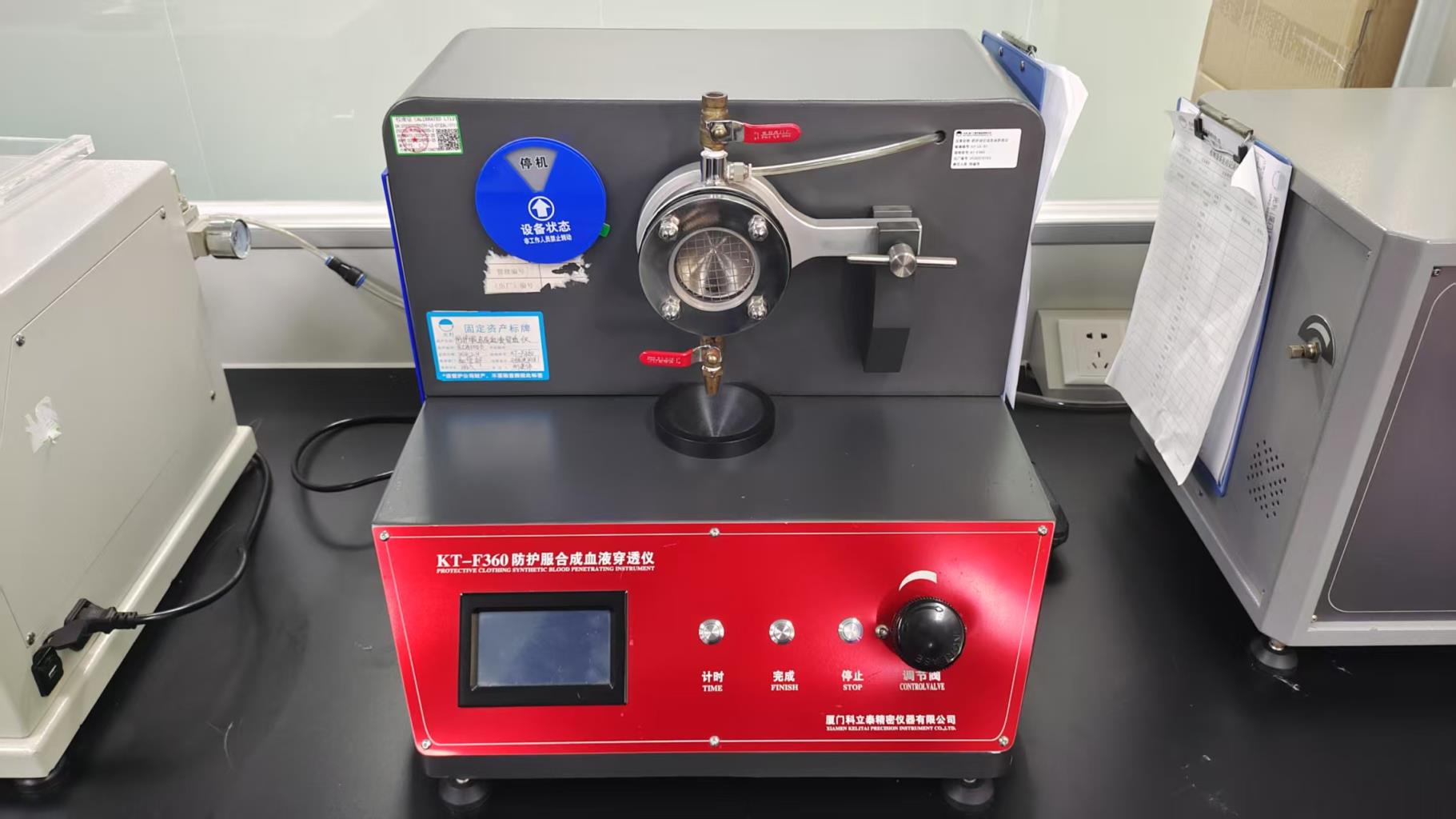
Protective Clothing Blood Penetration Tester
Liquid Barrier Diagnostics
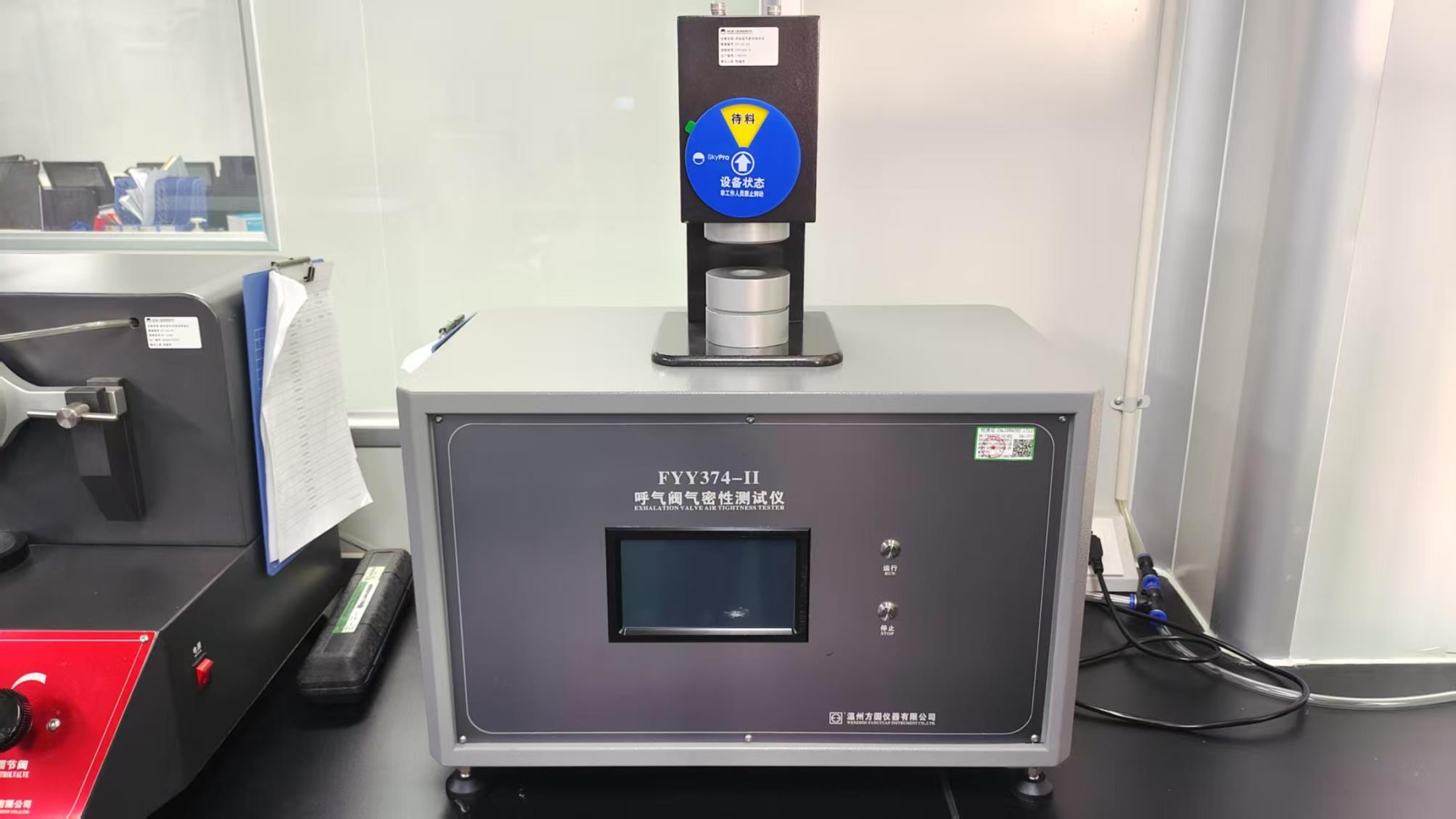
Exhalation Valve Tightness Tester
Sealing & Pressure Verification
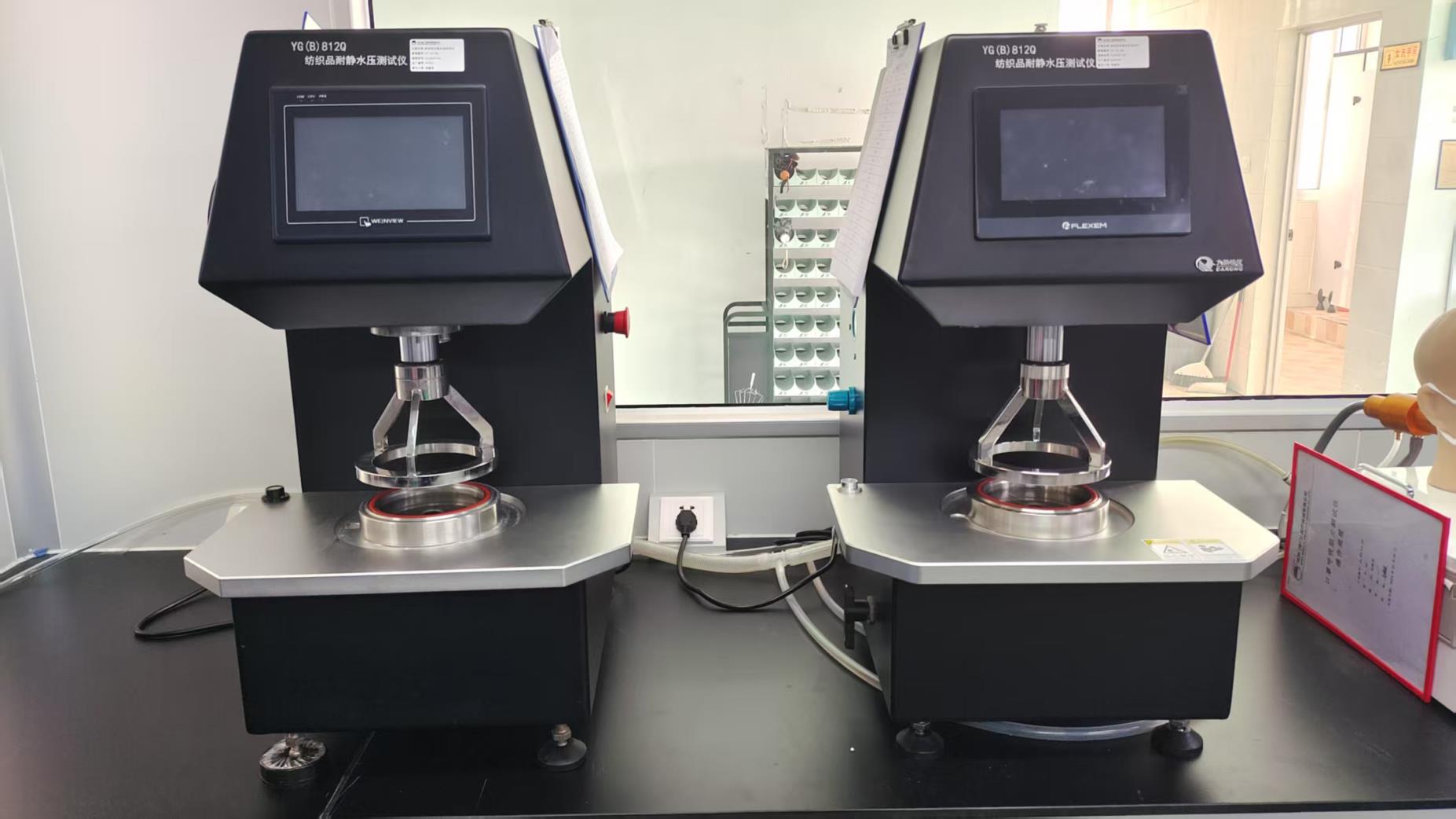
Textile Hydrostatic Pressure Tester
Hydrostatic Pressure Testing
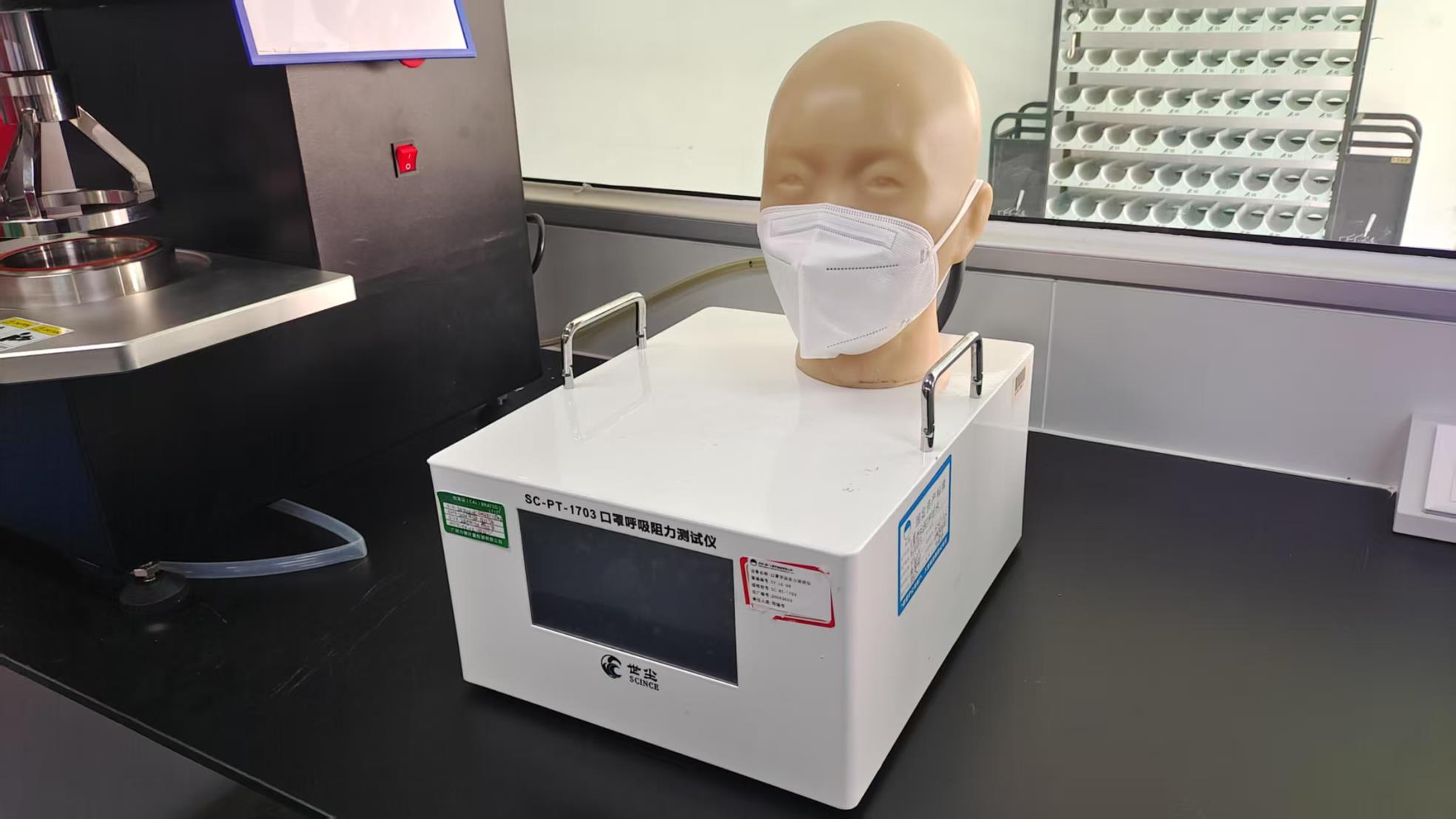
Face Mask Respiratory resistance tester
Flow Resistance Assessment
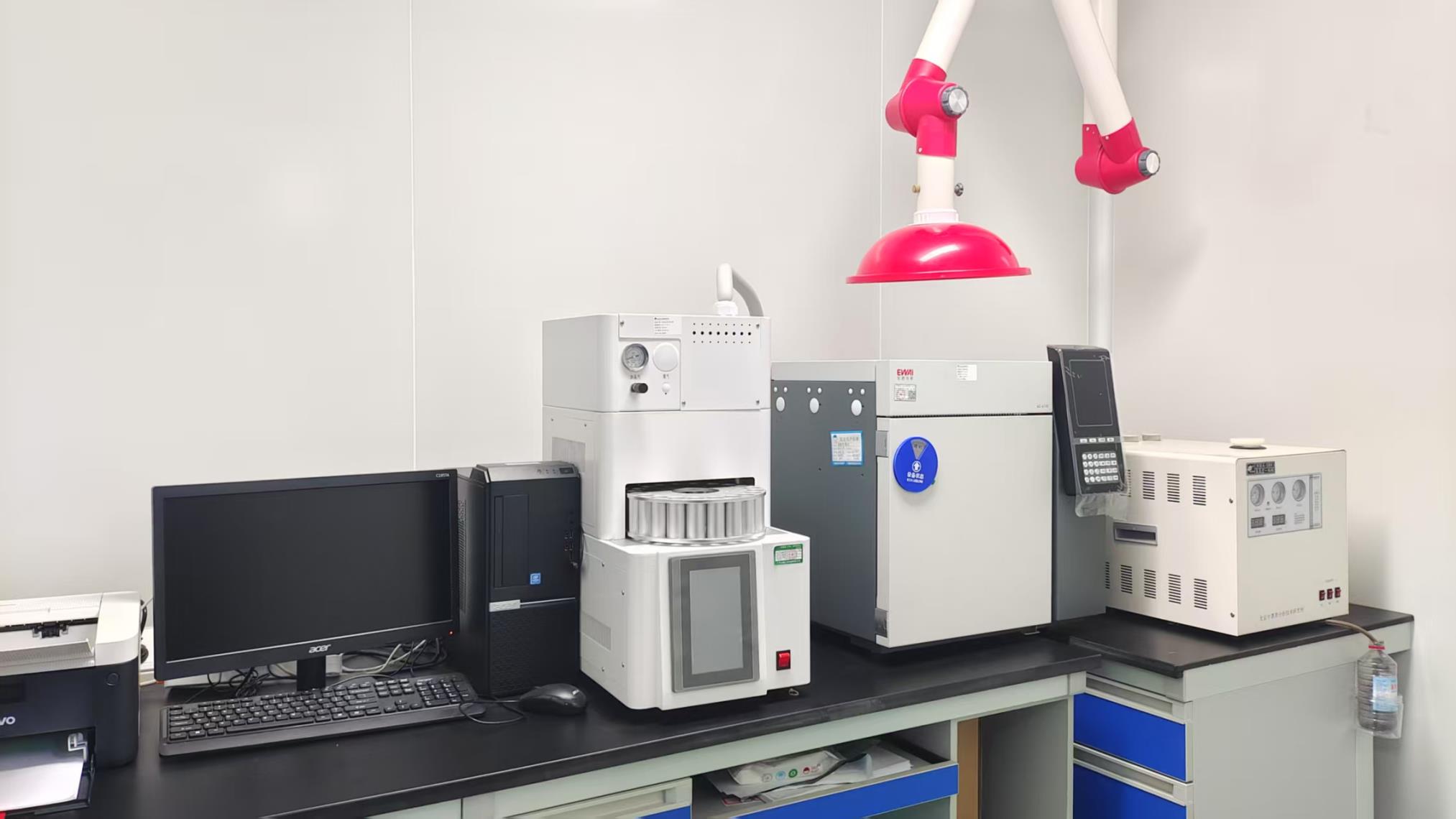
Gas Chromatograph
Gas Chromatograph Analysis
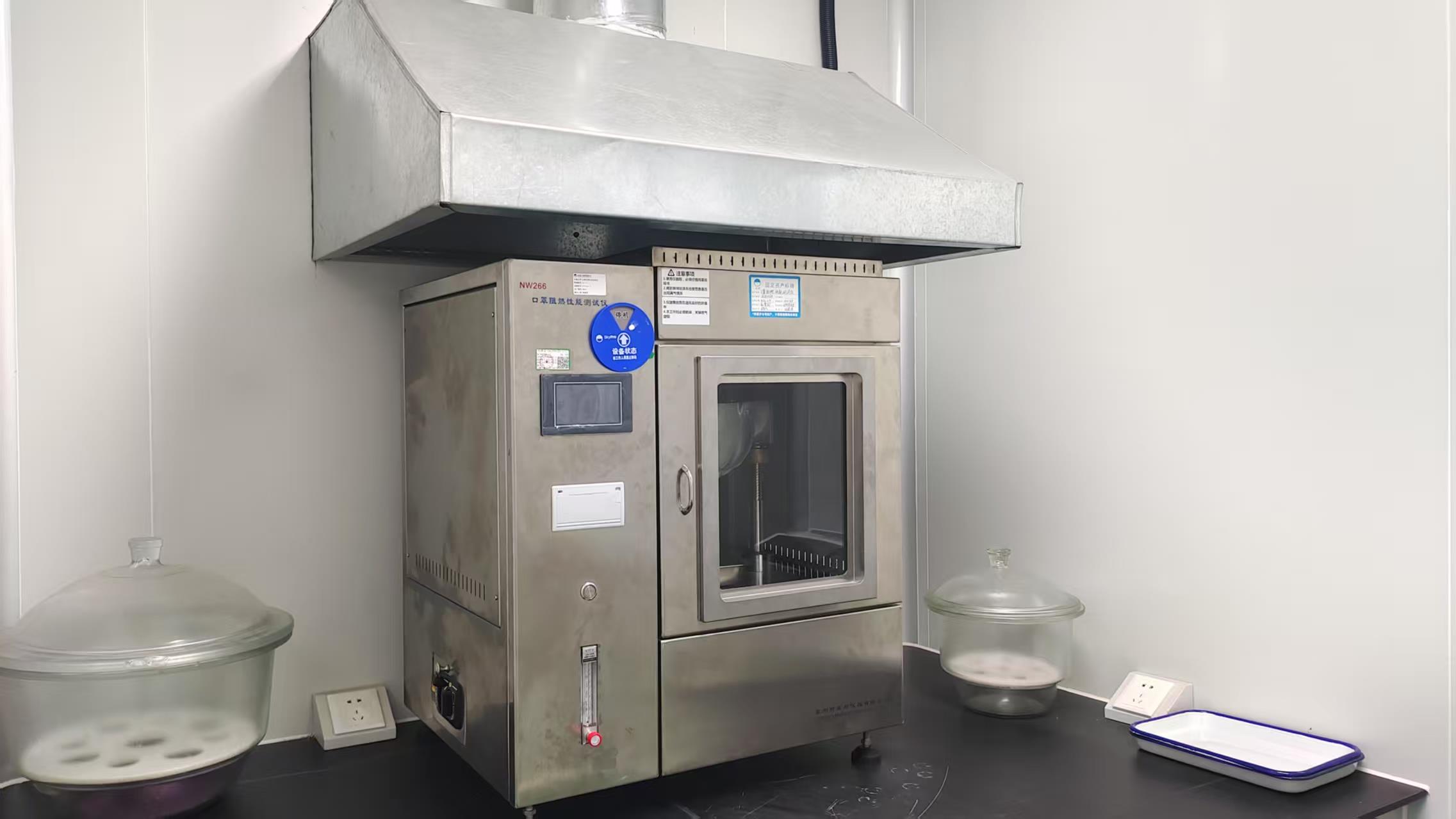
Flame Resistance Tester
Thermal Stability Testing
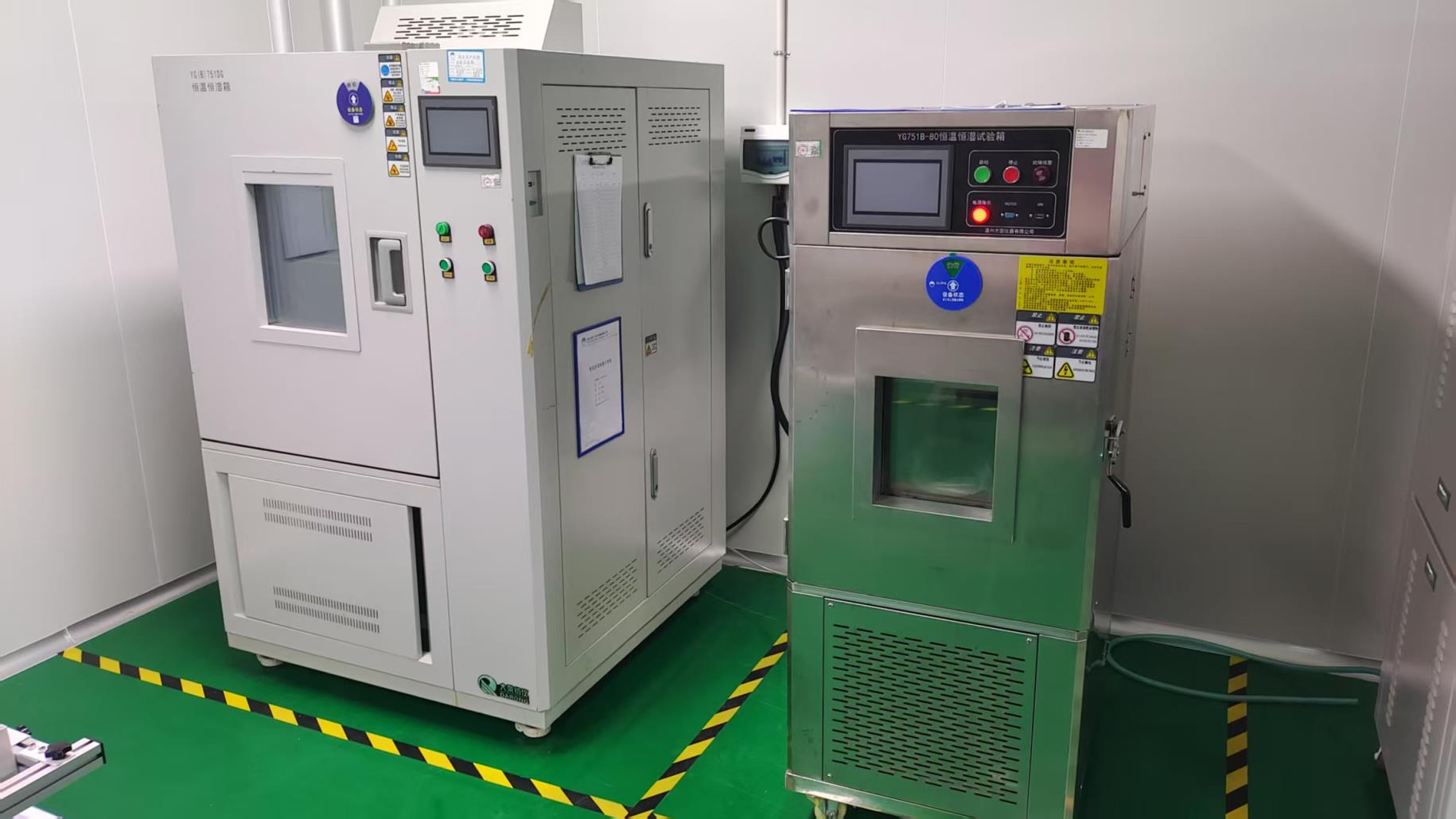
Constant Temp Humi Tester
Environmental Chamber Calibration
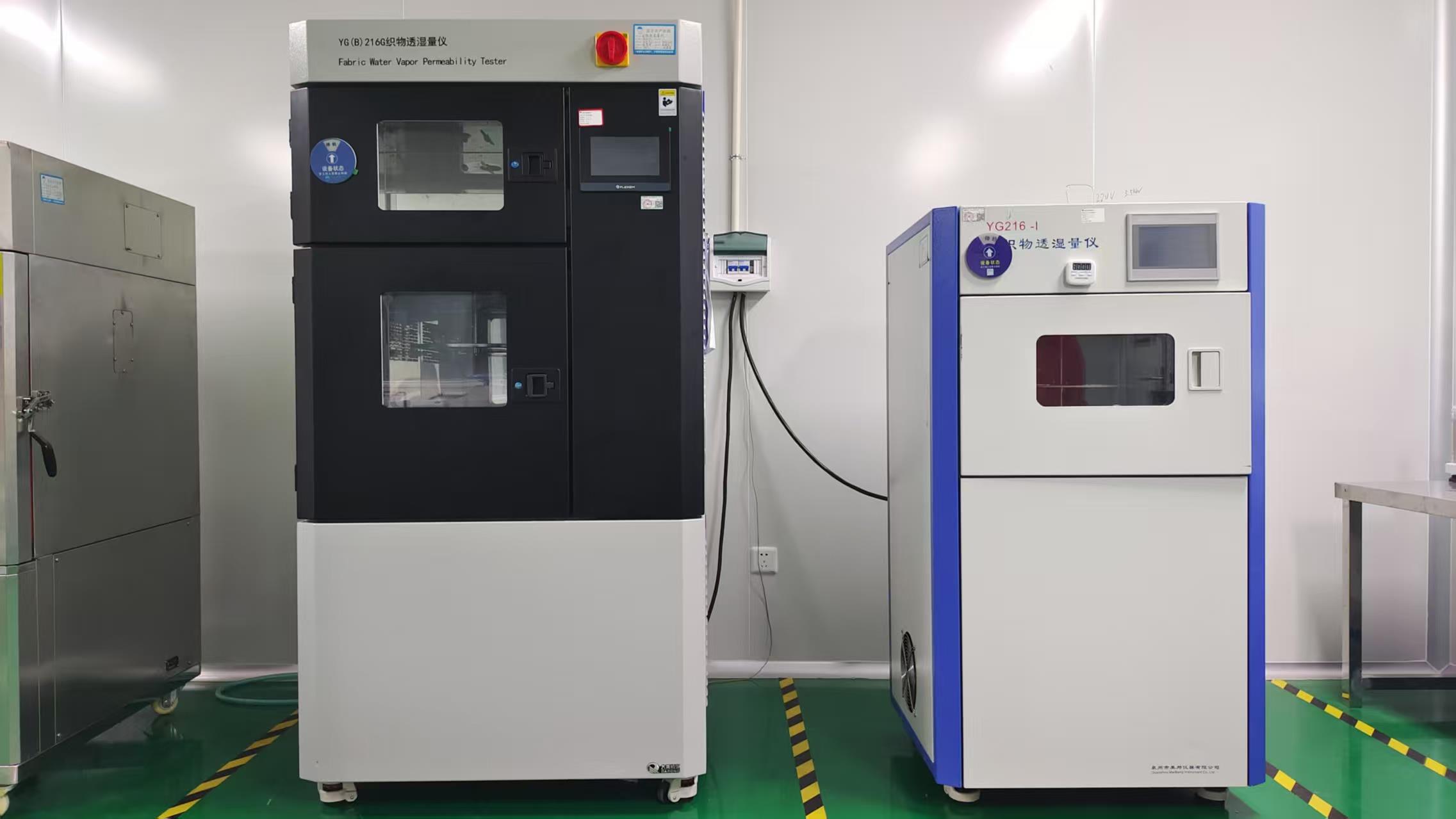
Fabric Water Vapor Permeability Tester
Water Vapor Transmission Analysis

Macro Solutions: Medical Endoscopy Systems for the Nepal Market

Tailored product options for medical suppliers, government tenders, and clinical operators in Kathmandu and across Nepal.

Public Procurement & Tenders

We provide complete documentation packages for the Ministry of Health and Population (MoHP) tenders, including CE certificates, ISO 13485 certification, local calibration frameworks, and structured warranty protocols.

Distributor Technical Enablement

We supply spare parts kit plans, detailed PCB circuit diagrams, and remote video training to help local engineering teams in Nepal perform maintenance and diagnostics independently.

Customs & Direct Logistics

We handle air freight shipments directly to Tribhuvan International Airport (KTM) in Kathmandu, with standard custom-cleared packaging designs to streamline import processing under local Department of Drug Administration guidelines.

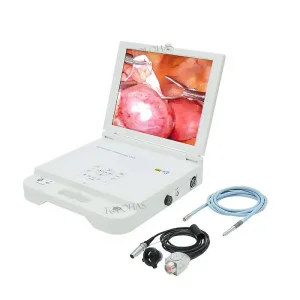
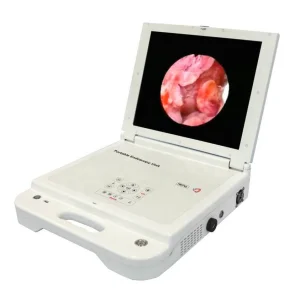
Clinical Endoscopy Systems & Specialty Camera Catalog

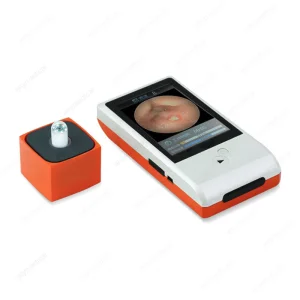
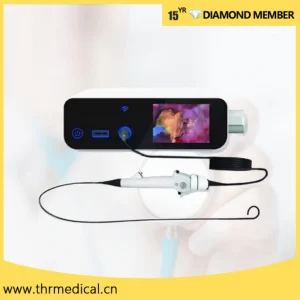
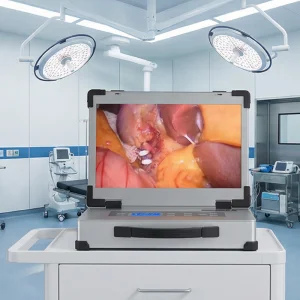
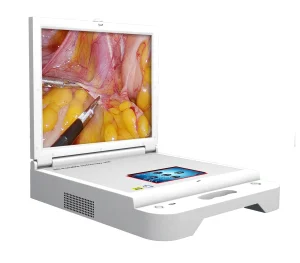
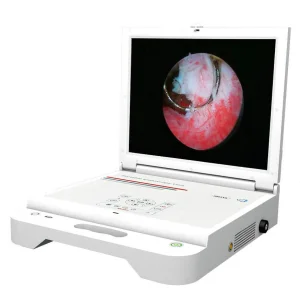
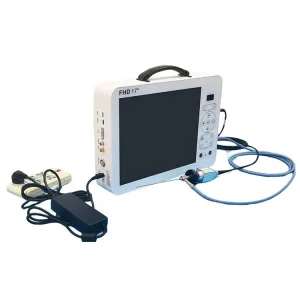
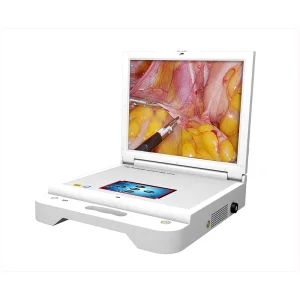
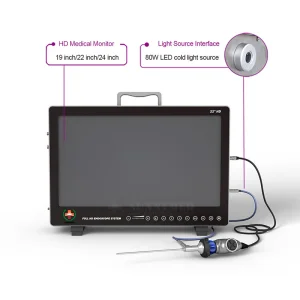
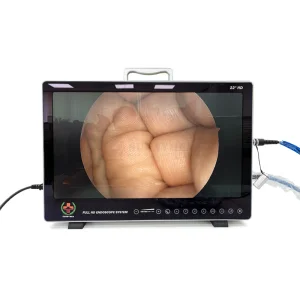
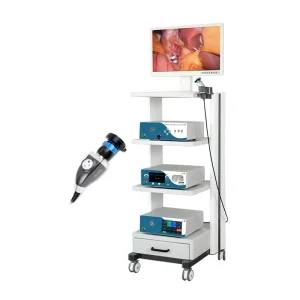
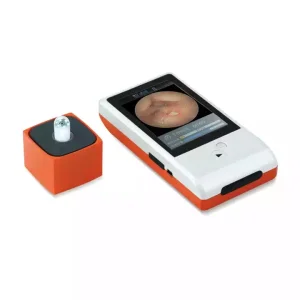
A comprehensive selection of high-definition imaging systems, rigid ENT cameras, laparoscopy suites, and capsule diagnostics.
International Compliance & Factory Specifications

Every device exported to Nepal undergoes multi-stage technical inspection, verifying opto-electronic stability under high humidity and variable temperature limits.

Our Factory Quality Policies

Established in 2009, our manufacturing group has spent over 15 years developing high-performance sterile medical items and medical device systems. Today, our campus covers over 100,000 square meters, housing 500+ employees and advanced assembly labs. This scale allows us to maintain stable production and supply chains for our global partners.

To ensure high standards for clinical operators, our quality protocols are verified under ISO 13485 audits, and our key diagnostic products carry CE approvals. We test every imaging sensor, light transmission unit, and wireless module for performance stability before shipment.

Verification Testing Protocol

  • Optical signal check under diverse ambient light values.
  • Battery longevity and heat dispersal profiles.
  • Electromagnetic compatibility (EMC) testing to ensure safe operation alongside other hospital systems.
  • Waterproofing class assessment (IPX8 rating on relevant scope lines).

FAQs: Ordering & Deploying Endoscopy Systems in Nepal

Find direct answers about compliance, import protocols, technical services, and logistics for our Nepal customer base.

1. How do you ensure wireless endoscopy signals stay stable in clinical settings?
Our wireless endoscopy systems operate on optimized frequencies with dynamic channel selection. This design prevents interference from other hospital wireless networks, maintaining low latency and stable image transmission during procedures.
2. Are your products compliant with the Department of Drug Administration (DDA) in Nepal?
Yes. We supply comprehensive documentation packs—including ISO 13485 certificates, CE documentation, and quality reports—to help Nepal medical importers register and clear shipments through local customs agencies.
3. What is the typical battery run time for the portable endoscopy systems?
Our portable systems are built with high-density lithium cells, providing 4 to 8 hours of continuous runtime depending on the configuration. They support charging during use and are designed to handle voltage variations common in remote clinics.
4. Do you provide training and post-sale technical support in Nepal?
We offer structured technical resources, including complete digital training sets, video tutorials, and interactive troubleshooting sessions for local medical engineers and biomedical personnel in Nepal. We also offer spare-parts supply kits to ensure rapid local service.
5. What is the lead time for air-freight deliveries to Kathmandu?
Standard configurations ship within 15 to 25 business days. Air freight transit to Tribhuvan International Airport (KTM) typically takes 5 to 7 days, depending on carrier schedules and routing options.
6. Can these systems operate in high-altitude environments?
Yes. Our systems undergo environmental chamber testing, ensuring normal performance at altitudes over 3,000 meters. The sealed electronics prevent issues related to low pressure and thermal changes.
7. How are the medical capsule systems packaged for shipping?
Each capsule endoscopy system is sealed in sterile blister packaging within cleanrooms, then enclosed in durable, shockproof cases to ensure safe transport over rough terrain during final delivery in Nepal.
8. What is the warranty scope on your endoscopy product line?
We provide a standard 12-month warranty on our core camera units and processors. Extended warranties can be arranged for large-scale clinical installations or public tender contracts.

Start Your Custom Project and Equipment Procurement

Get in touch with our global export team to request a detailed quote, organize logistics to Nepal, or ask about OEM/ODM design capabilities for your clinics.

Send Inquiry Now