Alhilal Healthcare
Choosing the right protective gear for laboratory staff is essential. Safety is a top priority in any lab environment. Proper gear minimizes risks and injuries. However, many people struggle with how to select protective gear for laboratory staff.
Understanding the specific hazards in the lab is crucial. Each lab has unique requirements based on its functions. For instance, working with chemicals demands different gear than biological research. Comfort and fit also matter. Ill-fitting gear can lead to distractions and accidents.
It's important to consult safety guidelines. These guidelines often provide a solid foundation for selecting appropriate equipment. Engaging with staff about their needs can reveal gaps in existing safety measures. Assessment of the gear should not be overlooked. Regular audits help ensure the protection is adequate and effective. Making informed choices fosters a safer environment.
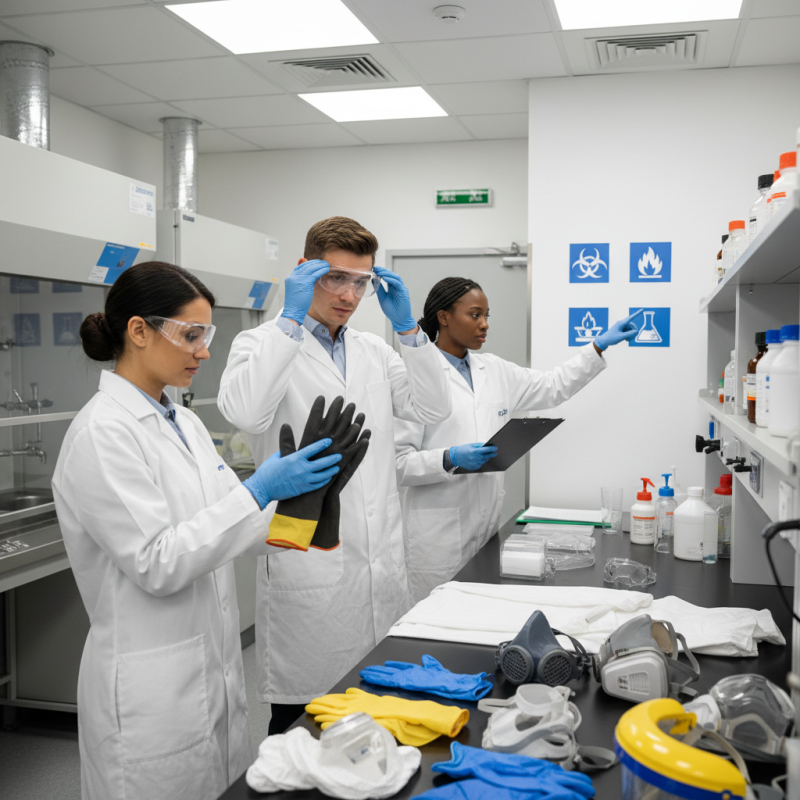
In laboratory settings, protective gear is not just an accessory; it is essential for safety. Lab staff face various hazards daily, including chemical spills and biological exposures. The right gear can prevent injuries and minimize risks.
Gloves, goggles, and lab coats should be standard attire in any facility. Each piece serves a unique purpose. For instance, gloves protect hands from harmful substances, while goggles shield the eyes from splashes and flying debris.
Understanding the specific tasks performed in the lab is crucial. Not all protective gear is suitable for every job. Some situations may require more specialized equipment, such as respirators or face shields. Staff should be trained to assess their needs based on the materials they work with. It’s a hard lesson when the wrong choice leads to accidents. Reflecting on past experiences can highlight gaps in gear selection.
Moreover, protective gear must fit properly. Ill-fitting gloves or glasses can lead to discomfort and distract staff during critical tasks. Regularly reviewing and updating protective measures ensures that staff are well-equipped. Safety should always be a top priority, demanding constant vigilance and adaptation.
Identifying hazards in the laboratory environment is crucial for safety. Each lab contains unique risks that must be assessed. Chemical spills, sharp objects, and heat sources are common risks. Lab staff should be trained to recognize these dangers. Regular assessments should be part of lab safety protocols. This ensures preparedness and minimizes accidents.
The process begins with a risk assessment. Staff should walk through the lab, noting potential risks. Are there adequate safety showers and eyewashes? Is the area clutter-free? Questions like these can uncover hidden hazards. Engaging the whole team in this evaluation promotes a culture of safety.
Everyone’s insight can reveal what might be overlooked.
Protective gear needs to match the identified risks. For chemical exposure, proper gloves and goggles are essential. However, not every staff member may feel comfortable voicing concerns. Some may hesitate to speak up about safety issues. Encouraging open communication is vital for a safer lab. Continuous training and reflection on safety practices can lead to better awareness and improvements.
Selecting appropriate protective gear for lab staff is crucial. Each type serves a specific purpose. Gloves are essential in preventing contamination and exposure to harmful substances. When choosing gloves, consider the material. Latex, nitrile, and vinyl each offer different levels of protection. Proper fit and length can enhance safety and comfort.
Masks play a critical role in safeguarding respiratory health. Different masks cater to various risks. Surgical masks can block larger particles. However, N95 respirators provide more filtration, protecting against smaller aerosols. Understanding the lab environment helps in making informed choices.
Goggles protect the eyes from chemical splashes and hazardous materials. Ensure they fit snugly. They should have anti-fog features for clarity. Lab coats also have their importance. A good lab coat minimizes contact with dangerous materials. Opt for ones made from durable, non-flammable fabrics. Regular evaluation of all protective equipment is essential. It ensures compliance and proper function.
This chart illustrates the usage frequency of various types of protective gear commonly used by lab staff. Understanding the percentage of usage can help in making informed decisions regarding the necessary equipment to maintain safety and health standards in the laboratory environment.
Choosing the right protective gear for lab staff involves critical considerations of fabric and design. Selecting materials that offer optimal protection is essential for safety. According to industry reports, flame-retardant materials can reduce burn injuries by up to 70%. This highlights the importance of choosing the right fabric.
Natural fibers like cotton are breathable but may not always provide adequate chemical resistance. Synthetic fabrics, such as polyester blends, often offer enhanced durability and chemical protection. However, they can be less breathable, potentially leading to heat stress in long-term use. When evaluating materials, one must consider the specific hazards present in the lab environment.
Tips: Always perform a risk assessment before selecting materials. Consult industry guidelines for specific protocols regarding protective gear. Test gear for comfort and functionality to ensure that lab staff can perform tasks effectively. Underestimating the role of design can lead to reduced agility and increased fatigue. An improperly designed garment might limit movement, impacting productivity. Understanding these factors can significantly enhance safety and efficiency in lab operations.
When choosing protective gear for lab staff, compliance with regulatory requirements is crucial. Each piece of equipment must meet established standards. This ensures safety and reduces liability. Familiarize yourself with local and national regulations. These guidelines often specify the materials and designs acceptable for lab use.
Tips: Always check for certification labels. These indicate the gear has passed safety tests. Regular audits of gear can help identify any outdated equipment. Analyze use patterns to determine what gear requires more frequent updates.
Staff training on proper gear usage is essential. Ensure everyone understands the importance of compliance. Regular reviews of performance criteria help maintain a safe environment. Reflect on past incidents where non-compliance led to injuries. Use these cases as learning tools. This approach fosters a culture of safety and compliance within the lab.
: The right material ensures optimal protection and reduces the risk of injuries significantly.
Natural fibers like cotton are breathable but may not provide sufficient chemical protection.
Synthetic fabrics often offer better durability and chemical resistance but can be less breathable.
Always perform a risk assessment to evaluate specific hazards in the lab environment.
Compliance ensures safety and reduces liability, keeping lab staff protected.
Check for certification labels that indicate gear has passed safety tests.
Poorly designed garments may limit movement, affecting productivity and comfort.
Regular audits help identify outdated equipment and ensure ongoing compliance with regulations.
Training ensures everyone understands gear usage and the importance of following safety protocols.
Reflecting on these incidents can help improve safety practices and promote a culture of compliance.
Choosing the appropriate protective gear for laboratory staff is crucial for ensuring safety and minimizing risk in laboratory settings. Understanding the importance of protective gear begins with assessing the potential hazards present in the environment, which can range from chemical exposure to biological risks. By identifying these risks, lab managers can make informed decisions on the type of protective equipment needed.
When considering how to select protective gear for laboratory staff, it is essential to evaluate the various types of protective equipment available, including gloves, masks, goggles, and lab coats. Each type serves a specific purpose and offers varying levels of protection. Furthermore, selecting the right materials is vital, as different fabrics and designs provide distinct benefits. Compliance with regulatory standards ensures that all gear meets safety requirements, ultimately contributing to a safer working environment for laboratory personnel.
