 Alhilal Healthcare
Alhilal Healthcare
Alhilal Healthcare
The quality of non-woven protective items is a critical consideration in various industries. Experts like Dr. Rachel Lin, a leading researcher in textile technology, state, "Understanding what factors affect the quality of non woven protective items is essential for safety and performance." This quote underscores the importance of quality in protective gear, vital for healthcare and industrial applications.
Several elements influence the quality of these items, including the raw materials used and the manufacturing process. Environmental conditions during production can also have a significant impact. Non-woven fabrics can vary dramatically in their resistance, durability, and overall performance, depending on these factors.
However, it is important to reflect on the challenges faced in the industry. Not all manufacturers prioritize these quality indicators consistently. This variation can lead to discrepancies in product performance and reliability. As we strive for higher standards, recognizing what factors affect the quality of non woven protective items is a fundamental step towards ensuring optimal outcomes in safety gear production.
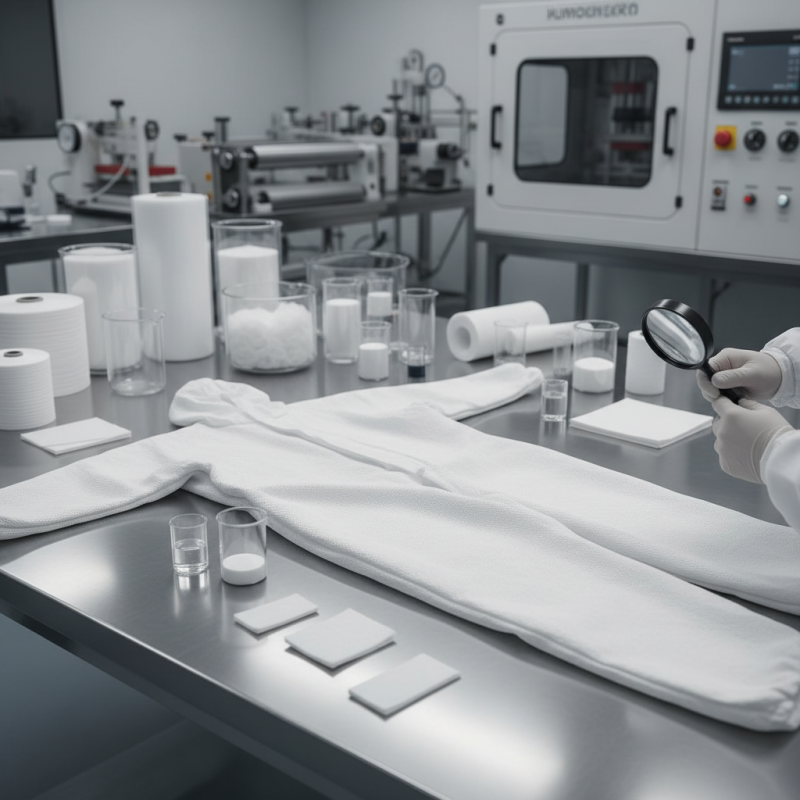
When considering non-woven protective items, material selection is critical. Several factors influence this process, ensuring that the final product meets safety and usability standards. One prominent factor is the type of fibers used. Synthetic materials may offer durability, while natural fibers can provide breathability. Understanding the intended use of these items helps in selecting the right fibers.
Another essential factor is the method of production. Different techniques, such as spunbond and meltblown processes, can alter the properties of non-woven fabrics. This variability can affect filtration efficiency and barrier effectiveness. The thickness of the material also plays a role. Thicker layers may provide better protection but can hinder flexibility.
Environmental considerations are also prevalent in material selection. Manufacturers are increasingly focusing on sustainability. Biodegradable options are becoming more appealing, although they may not always match traditional materials in performance. Striking a balance between eco-friendliness and safety requires careful consideration and innovation.
| Factor | Description | Impact on Quality |
|---|---|---|
| Material Composition | The specific fibers used in non woven items (e.g., polypropylene, polyester). | Affects durability, strength, and barrier properties. |
| Manufacturing Process | Techniques used for bonding and forming non woven fabrics (e.g., hydroentangling, needle punching). | Influences the texture, thickness, and water resistance. |
| Thickness | The gauge of the non woven fabric. | Impacts comfort, breathability, and protective characteristics. |
| Additives | Chemicals or treatments added (e.g., anti-static agents, flame retardants). | Enhances functionality, such as protection against fire or static. |
| Testing and Certifications | Standards and protocols that the material meets for safety and effectiveness. | Ensures reliability, safety, and compliance with regulations. |
: Key factors include fiber type, production methods, thickness, and environmental considerations.
Synthetic fibers are durable, while natural fibers provide better breathability. Each has specific applications.
Production techniques like spunbond and meltblown affect filtration efficiency and overall item performance.
Thicker materials may offer better protection but can reduce flexibility, impacting usability.
Manufacturers focus on sustainability, with biodegradable options growing in popularity, though performance may vary.
Standards like ASTM and ISO guide production quality, impacting durability and safety across various sectors.
Consistent processes lead to better product quality and reduced defects, enhancing overall reliability.
Regular audits, inspections, and staff training help maintain adherence to safety and performance guidelines.
Low-quality polymer choices can reduce durability and filtration efficiency, affecting product protection.
Ongoing debates suggest some regulations may not address all new risks, necessitating continuous reassessment.
The quality of non woven protective items is influenced by various factors, addressing the question, "What factors affect the quality of non woven protective items?" One primary consideration is the selection of materials, where the characteristics of fibers and their compatibility play a significant role in determining durability and effectiveness. Additionally, the manufacturing processes employed can substantially impact the final product quality, with aspects such as methods of bonding and finishing affecting the integrity of the items.
Environmental conditions also play a critical role in the durability of non woven products. Factors like temperature, humidity, and exposure to chemicals can compromise their protective features over time. Furthermore, the assessment of activation techniques for enhancing protective features is essential, ensuring that these items meet specific performance standards. Finally, adherence to relevant standards and regulations is crucial for maintaining quality assurance in the production of non woven protective items, ensuring they meet safety and efficacy requirements in various applications.
