Alhilal Healthcare
In today's marketplace, distinguishing between medical grade and industrial grade protective products is crucial. Many products may look similar, yet their applications and quality standards vary significantly. Knowing how to distinguish medical grade and industrial grade protective products can protect health and ensure compliance with safety regulations.
Medical grade products undergo stringent testing. They are designed for direct contact with patients. Their materials are held to higher standards of purity. In contrast, industrial grade items may not meet these requirements. They are generally suitable for workplaces but lack medical certifications. Every detail counts when selecting protective gear. Even the slightest oversight can lead to serious consequences.
It is important to approach this topic with a critical mindset. Many manufacturers may market their products ambiguously. This can lead to confusion regarding their effectiveness and intended use. As consumers, we must question claims and seek trusted information. Understanding specifications and certifications can guide informed decisions. Empower yourself with knowledge and vigilance in making the right choice in protective products.
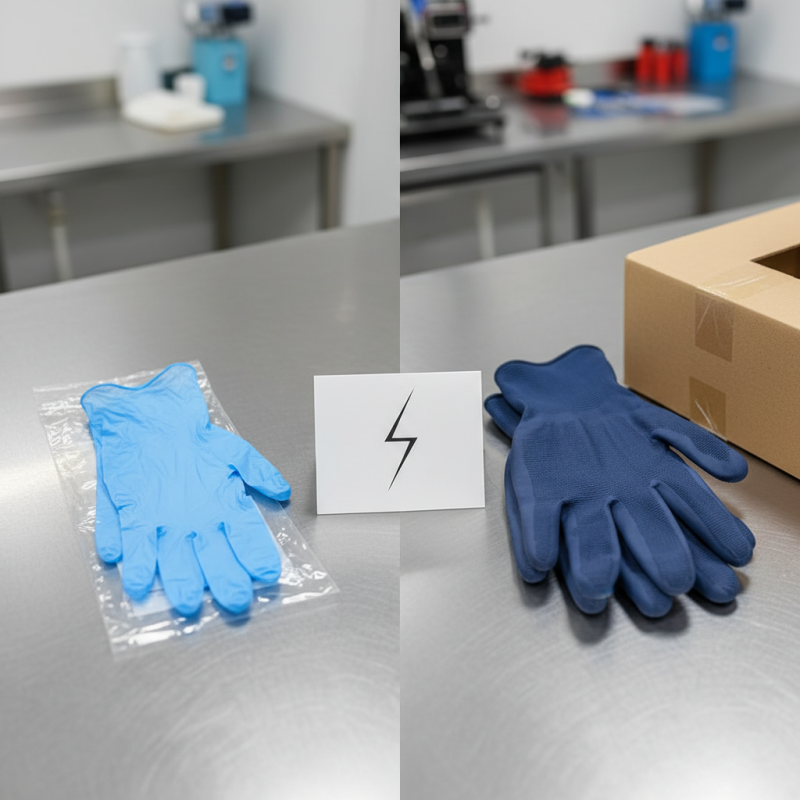
When distinguishing medical grade from industrial grade protective products, the nuances are critical. Medical grade products undergo rigorous testing and must meet specific regulatory standards. These items are crafted for direct contact with patients. They prioritize safety and reliability in healthcare settings. A few examples include surgical masks and gloves. Their manufacturing processes adhere to strict hygiene protocols, ensuring they're free from contaminants.
In contrast, industrial grade products serve different purposes. These items are designed for workplace safety but do not undergo the same level of scrutiny as medical products. They can be used in construction, manufacturing, or hazardous environments. While they offer protection, their design may not accommodate patient safety. The material quality and testing standards vary significantly. For example, a respirator for industrial use might not filter all pathogens effectively. A consumer may not realize that choosing the right product can have serious implications. Understanding these differences is essential for making informed decisions in both personal and professional contexts.
When distinguishing between medical grade and industrial grade protective products, understanding key standards is essential. Medical grade products must meet strict regulatory requirements. These include testing for biocompatibility, material safety, and performance. Regulatory bodies like the FDA set these standards. They ensure that products used in healthcare environments protect patients and staff.
Certifications are also crucial. Look for ISO certifications, particularly ISO 13485. This standard focuses on quality management systems in the medical sector. A product with this certification indicates compliance with rigorous quality standards. Another important mark is the CE mark in Europe, signaling that the product meets EU safety requirements. Products with these certifications are typically more reliable for medical use.
Not all protective products display their certifications clearly. This can lead to confusion. Some industrial products may appear similar but lack essential certifications. Always check for documentation. Inconsistent labeling can mask the true grade of the product. Questions about the effectiveness and reliability should be addressed before use. It’s vital to approach these decisions with caution.
Choosing the right protective products is crucial, especially in medical settings. Medical grade products must meet strict standards. Their materials and construction differ significantly from industrial-grade items. Knowing these differences helps ensure safety and efficacy.
When examining medical grade products, look for specific features. Materials should have biocompatibility. This means they don’t cause adverse reactions in the body. They also often feature seamless construction to minimize infection risks. Unlike some industrial products, medical-grade items are subjected to rigorous testing.
Tips: Check for certifications on packaging. A reputable medical product usually has certifications clearly labeled. Additionally, consider the thickness of materials. Thicker materials often imply better protection. Always trust your instincts; if something feels off, dig deeper into the product’s specifications. Not all that glitters is gold in the medical field; sometimes, the best option isn’t the most expensive one.
In the end, the differences may seem subtle. However, they can drastically affect safety and performance. Don’t hesitate to ask manufacturers or suppliers about their quality assurance processes. It’s essential to prioritize informed decisions when it comes to health and safety.
When selecting protective gear, understanding testing and compliance is crucial. Medical-grade products undergo rigorous testing. Standards set by health organizations ensure safety and effectiveness. These tests evaluate how well the gear performs under specific conditions. Industrial-grade items may lack these stringent assessments. They often prioritize availability and cost over thorough testing.
Not all protective gear is created equal. Users should check for compliance certifications. A lack of documentation can signal potential risks. It's worth questioning whether the product meets industry standards. The effectiveness of protective gear can vary greatly. Relying solely on labels can be misleading.
Consider how the gear fits into your specific needs. Does it provide the right protection for your environment? Testing alone cannot guarantee safety in all scenarios. A reflective examination of your circumstances and choices is vital. You must consider the real-world implications of using subpar protective products.
When selecting between medical grade and industrial grade protective products, context matters significantly. Medical grade products, often designed for healthcare environments, adhere to stricter regulations. These items are engineered to ensure patient safety and reduce infection risks. They typically undergo rigorous testing to meet quality standards. Industrial grade products, while still protective, may not offer the same level of safety for medical applications.
Consider the environment in which you'll use these products. If you're working in a clinic or hospital, medical grade is essential. Infection control is crucial here. For general tasks in a factory, industrial grade may suffice. Risks vary greatly in these settings. Choosing the wrong product can lead to serious consequences. Inadequate protection might expose patients or workers to hazards.
Reflect on your specific needs before making a decision. Not all situations call for the highest grade. Sometimes, a middle ground is appropriate. Assess the risks involved. Err on the side of caution when health is at stake. Understanding the differences and application contexts can guide you toward the best choice. Careful consideration can save lives.
: Medical grade products must meet strict regulatory requirements, focusing on biocompatibility, safety, and performance.
Certifications indicate compliance with quality standards, ensuring reliability in medical use.
ISO 13485 focuses on quality management systems in the medical sector, signifying rigorous quality standards.
Look for specific features such as biocompatible materials and seamless construction to minimize infection risks.
Not all products display certifications clearly, which can lead to confusion about their grade.
Thicker materials often imply better protection; however, this isn’t always the case.
Yes, if something feels off, dig deeper into the product’s specifications and certifications.
Documentation is vital; inconsistent labeling can obscure the true nature of the product.
Yes, even subtle differences in products can significantly impact safety and performance.
Not necessarily; sometimes the best option isn’t the most expensive one.
Understanding how to distinguish medical grade and industrial grade protective products is crucial for ensuring safety and efficacy in various environments. Medical grade products are specifically designed to meet stringent health and safety standards, while industrial grade products are often focused on durability and performance in harsher conditions. Key standards and certifications play a vital role in validating the quality of medical grade protective gear, highlighting the importance of specific materials and construction features that cater to healthcare needs.
Additionally, evaluating the testing and compliance measures of protective gear helps determine its effectiveness in real-world applications. In contexts where safety and hygiene are paramount, such as healthcare settings, choosing medical grade products over industrial grade options is essential. This differentiation ensures that users are protected from potential contaminants and that the products are suitable for the intended use.
