 Alhilal Healthcare
Alhilal Healthcare
Alhilal Healthcare
In healthcare settings, disposable gowns are essential for infection control. However, the risk of liquid penetration poses significant challenges. According to a study by the Association for Professionals in Infection Control and Epidemiology (APIC), over 60% of healthcare-acquired infections can be linked to inadequate protective garments. Thus, understanding how to prevent liquid penetration in disposable gowns is critical for patient safety.
Effective strategies begin with material selection. Fabrics should be tested for fluid resistance to meet specific performance standards. Data from the American Society for Testing and Materials (ASTM) emphasizes that gowns must pass rigorous tests to provide adequate protection. Inconsistent manufacturing practices can lead to significant vulnerabilities. Nurses and clinicians often report concerns over the reliability of available products, reflecting a pressing need for enhanced quality assurance.
With increasing complexity in medical procedures, attention to detail in gown design is paramount. While guidelines exist, compliance varies by facility. Gaps in training about proper use and disposal of gowns contribute to liquid exposure risks. By addressing these flaws, healthcare facilities can strengthen their protocols and improve outcomes. Ultimately, knowing how to prevent liquid penetration in disposable gowns is an ongoing challenge that requires commitment from all stakeholders.
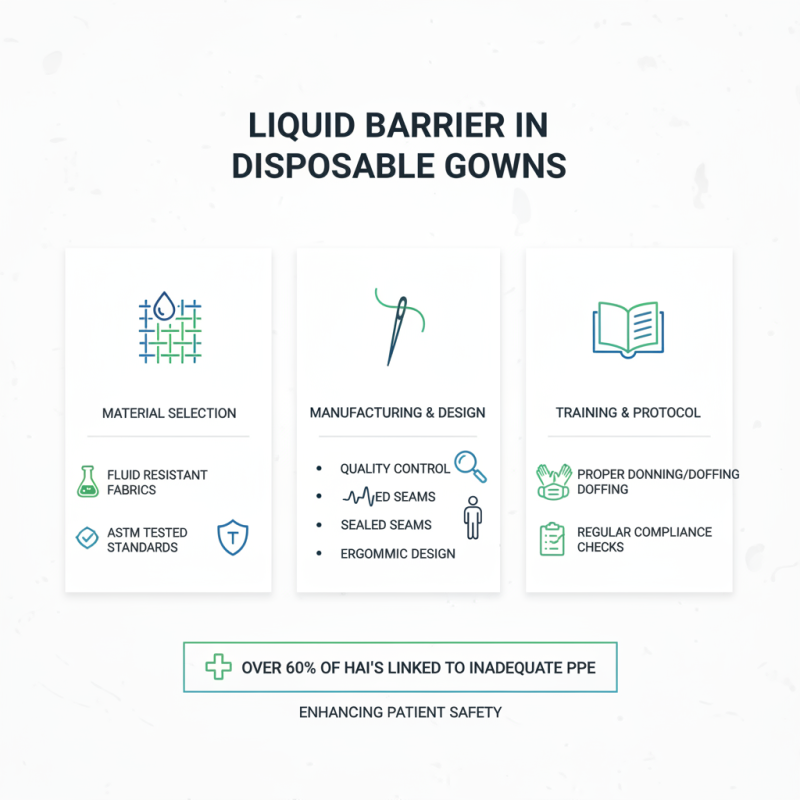
Understanding liquid penetration in disposable gowns is crucial for maintaining safety in various settings, especially in healthcare. These gowns are designed to protect the wearer from contaminants and liquids. However, not all disposable gowns perform equally when it comes to resisting liquid penetration. Factors such as material, design, and thickness play a significant role in their effectiveness.
One key detail is that even high-quality gowns can fail if worn improperly. For instance, they may not fit well, leading to gaps where liquid can seep through. Another aspect to consider is the conditions under which the gown is used. Exposure to high-pressure sprays or long durations in wet environments can challenge the gown's protective capabilities.
**Tips**: Choose gowns made from advanced materials that offer liquid resistance. Check for certifications that demonstrate their effectiveness against fluid penetration. Regularly inspect gowns before use and discard any that show signs of wear or damage. Awareness of the risks in your environment can guide better choices in protective garments.
| Prevention Method | Effectiveness | Material Used | Cost (Approx.) |
|---|---|---|---|
| Waterproof Coating | High | Polyurethane | $1.50 per gown |
| Seam Sealing | Medium | Polyethylene | $1.20 per gown |
| Barrier Fabrics | Very High | SMS Fabric | $2.00 per gown |
| Fluid Repellent Treatment | High | Polyester | $1.30 per gown |
| Hydrophobic Layers | High | Non-woven fabrics | $1.40 per gown |
: Common materials include polyester, polyethylene, and a blend of both for liquid resistance.
AAMI levels indicate liquid resistance. Gowns rated Level 2 or higher offer better protection.
Higher fabric density provides greater protection against liquid penetration, enhancing effectiveness.
Heat-sealed seams reduce leakage rates compared to stitched seams, minimizing liquid entry points.
A snug fit reduces exposure risks. Check for comfort without compromising safety.
Check for tears or damage and ensure it fits well to avoid exposure.
Collect them in designated containers without shaking to prevent contaminant aerosolization.
No, reusing gowns can lead to cross-contamination and increased infection risks.
Elastic cuffs and proper ties minimize exposure and improve fit.
Regular training is essential for proper donning and doffing techniques to maintain safety.
The article "How to Effectively Prevent Liquid Penetration in Disposable Gowns?" explores key strategies to enhance the liquid barrier performance of disposable gowns. Understanding liquid penetration is crucial in determining the factors that contribute to the effectiveness of these gowns. The materials used in crafting liquid-resistant disposable gowns play a significant role, as specific fabric choices can improve resistance. Additionally, design features such as sealed seams and adjustable fittings can further enhance protection.
To ensure optimal performance, it is important to follow best practices for the proper use and disposal of disposable gowns. This includes training personnel on correct usage and adherence to disposal protocols. Furthermore, the article emphasizes the significance of testing methods for assessing liquid penetration resistance, which helps in the selection and evaluation of protective gowns. By addressing these aspects, facilities can effectively implement strategies on how to prevent liquid penetration in disposable gowns, safeguarding users' health and safety.
